When Is It Time to Replace Your Propane Hose or Regulator?

If you own any propane-powered appliance, be it an oven, grill, or generator, the quality of the connections you have is important. One of the most important parts of your system is the propane hose and the regulator. The hose transports fuel directly from the tank to the device, while the regulator ensures the fuel is secure and constant for use. Over time, these components are likely to wear out, degrade, or even become outdated. If not repaired or replaced promptly, they can pose a major security risk, including leaks, reduced appliance performance, or even explosions in the most extreme cases. Most people ignore them because they think everything is fine; however, that’s typically when the risk is greatest. In this post, we’ll discuss the reasons to replace the propane hose and the regulator. Find out what warning indications to be looking for, which recommended intervals will be, and how you can make a sound decision regarding replacing your hose. Since when is the time right for replacement? Waiting around isn’t the best option.

When Is It Time to Replace Your Propane Hose or Regulator? | LP Propane

Understanding the Components: What are We Discussing?

What exactly is a Propane Hose?

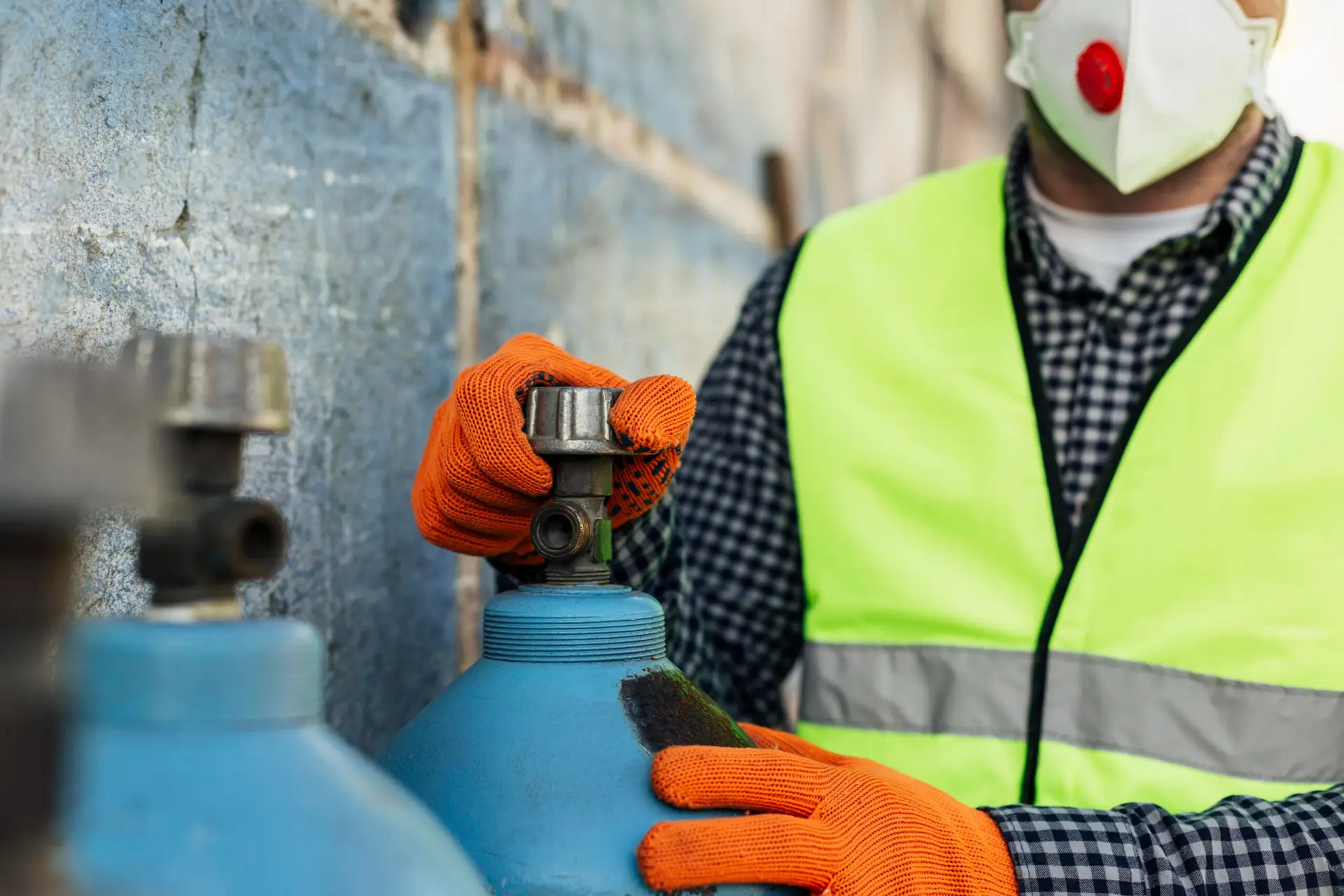
A propane hose is a flexible line that connects a tank or propane cylinder to an appliance, such as a grill or heater. It is used to transport propane (LPG or other types) at a safe operating pressure and ensures it reaches the device without leaks or damage. The hose has to withstand external damage (sunlight, abrasion, and kinking) and internal radiation (propane vapour, pressure changes).

What exactly is a Regulator?

The regulator sits between the tank and device or hose and reduces the tank pressure (often numerous PSI) to an acceptable working pressure for the device (usually expressed in millimeters of water column, or just a couple of PSI). This also helps prevent changes in tank pressure and protects appliances downstream.

Leaks or over-pressure

If the regulator or hose fails, there is a chance of excessive pressure, insufficient flow, or leaks. The leaky hose could release propane that is not burned; it is heavier than air, could settle in the air, build up, and pose an explosive danger. An inoperative regulator could create high pressure, leading to burns or appliance destruction, or cause the appliance to become starved, resulting in inadequate combustion. Standards and industry publications recommend replacing and maintaining these parts, even when they appear operational.

Materials, environment & wear factors

The lifespan and efficiency of a propane hose or regulator are heavily influenced by the environment in which it is used and by its condition. Hoses are exposed to UV radiation, high temperatures, friction, kinks, abrasion, outdoor conditions, rodent damage, and exposure to chemicals. Regulators are operated in extreme conditions, including outdoors, and their diaphragms and mechanical parts degrade over time. For example, regulators exposed to the elements may require replacement sooner due to weathering and mechanical component fatigue.

Guidance for manufacturers and regulators

It’s crucial to keep in mind that recommended replacement intervals vary by location, manufacturer, and application (residential vs. commercial; indoor vs. outdoor). For example, one company recommends replacing hoses and regulators every 5 years for outdoor grilling. In Europe, codes require replacing regulators and hoses on 10-year-old LPG systems.

Replacing their equipment

Most people do not bother to replace it, as “everything is working” or simply because they do not see obvious signs of damage. Internal deterioration, unnoticed fractures, UV degradation, and mechanical wear and tear in the regulator may be invisible until the point of failure. The insurance policy, the inspection process, and industry best practices all require replacement, even in the absence of obvious faults.

Replacing your propane hose and regulator promptly is vital to ensure safety, effective operation, and avoid expensive, risky malfunctions.

There are signs that it’s time to Renew Your Propane Hose.

Brittleness, visible cracks, or damaged

Suppose the propane pipe shows signs of splitting, cracking, or discoloration due to brittleness, bubbles, or blisters on its surface. In that case, it indicates fatigue or environmental damage to the material. Thermoplastic or rubber materials are prone to degradation under UV light and extreme temperatures. Per industry standards, an urgent replacement is required.

The smell of gas is acrid, or there is an audible sound.

If you can smell propane (that “rotten egg” or sulfur-laced odor) around hose connections or hear a loud noise at the junction of the regulator and hose, it typically indicates leakage. It could be tiny holes, loose fittings, or damage to the internal structure. Make sure to replace the hose as soon as possible and don’t delay.

Proper flame behaviour, or appliance problems with ignition

If the appliance you are using is not starting, or the flame seems slow, flickering, or is unstable or heating inconsistently, it could be because the hose has an internal issue or the regulator might have failed; however, the hose might also be part of the cause the guide for replacing hoses lists “wrong burning” or difficult to ignite as signs.

Hose age exceeds the manufacturer’s or regional recommendations.

While the hose may appear great, if its manufacturing date or installation date is older than the recommended lifespan, it must be replaced. Some guidelines recommend replacing the pipe every 3 to 5 years.

Corrosion can be seen on the fittings or at the regulator connectors.

Please make sure the metallic fittings are checked at both ends of the pipe: where it connects to the regulator or tank, and where it connects to the appliance. If there’s corrosion, rust, loose threads, worn-out gasketing, or evidence of seepage through fittings, that means the hose’s end-to-end connection security is at risk. It is better to replace it. If regulators show signs of damage, or have a blocked vent, or are damaged.

Outdoors or on mobile devices

If the hose has been kinked or twisted to bend sharply, or if it is traversing uneven terrain (e.g., behind a grill or across an outdoor patio), it can reduce flow or strain the hose’s material. Hoses that don’t lie level, are twisted, or are repeatedly moved around could be damaged. Additionally, hose lengths exceeding the allowed limit can reduce water flow and strain components.

Signs That the Regulator Requires A Replacement

Manufacturer

For regulators, industry guidelines generally recommend replacement within 10 to 15 years, and up to 20-25 years for specific designs. One Reddit thread says, “The recommended lifespan of the majority of RegO regulators made in 1995 or later is 25 years, except single-stage regulators. Single-stage regulators have a recommended service life of 15 years. The plumbing gas industry’s article explains that regulators are typically replaced within 5 to 10 years, depending on the environment.

Relief or venting problems

The regulator usually includes a vent and a relief mechanism. If the vent becomes closed, weathered, or is clogged with dust (especially in outdoor settings), the regulator may not function properly and will need to be repaired. There is a risk that diaphragms or springs within the internal structure become worn out and fail to function properly.

Inconsistent or unstable performance of appliances

Suppose appliances downstream are experiencing increased pressure, inconsistent flames, or other performance issues that correlate with regulator use (especially in cold temperatures or during high demand). In that case, the regulator may be defective, and it is recommended that it be replaced.

The formation of the regulator

In certain LPG systems, where the regulator is working too hard or fails, you may observe frosting or icing on the regulator or the hose in its vicinity. It could mean the regulator isn’t venting properly or has a problem with pressure regulation. According to an industry report, “Ice forming on the regulator may indicate that it’s leaky or working too hard.

Manufacture date unreadable or missing

As with hoses and regulators, most regulators have a production date printed or stamped on them. If you are unable to determine their date of manufacture and it’s been in service for a long time, the best option is to repair rather than risk the side. In a German guideline, the date of manufacture is important, and not the date of installation.

Inspection obligation at your place

Many jurisdictions require specific commercial uses (such as caravans, mobile food units, and outdoor heaters) to be maintained at certain intervals in order to be compliant with the code. In the article, it is noted that the requirement in Europe is 10 years for pressure regulators as per the manufacturer’s instructions, and backed with regulations like the DGUV’s Regulation 110-010

The reason why ignoring replacements can be expensive and dangerous

The delay in replacing propane regulators or hoses could be dangerous and expensive. An old or damaged hose can cause leaks that aren’t noticed until a major event, which could result in a blast or fire. A malfunctioning regulator can cause pressure issues, leading to appliance failures and even causing damage. Additionally, failing to repair these parts promptly may cancel your insurance coverage or raise liability concerns should an incident occur.

In addition to safety risks, wearing out components can reduce your appliance’s efficiency, leading to higher fuel use, and a poorly maintained pipe can cause weak fires on your grill, affect your cooking, or even shorten the lifespan of your appliances. If you replace the propane regulator and hose according to the recommended intervals, you will not only ensure safety but also ensure the effectiveness and durability of your propane appliances.

Last Thoughts on Safeguarding Your Propane Installation

Replacing your regulator and propane hose promptly is crucial to keep you safe, and following the manufacturer’s scheduled replacement dates can prevent dangers and help ensure maximum efficiency. If you are using propane for cooking outdoors, heating, or emergency power, be sure to note these parts, as they play a vital role in keeping the system functioning smoothly and safely. If you are proactive in managing your propane tank, you will get reliable, safe use over the years.

BLAZING BLOGS

When Is It Time to Replace Your Propane Hose or Regulator? | LP Propane

Patio Propane Heater Solutions

Patio Propane Heater Solutions The right Propane heater could extend your outdoor time, transforming cold evenings on the patio into a pleasant, enjoyable time. If you’re looking for gentle heat for intimate gatherings or an impressive production to blanket the

Read More »

JOIN THE IGNITE PROGRAM

NEW CUSTOMER? Fill out the New Customer Application to join IGNITE.

Haven’t heard of our IGNITE Program? Learn more!
This field is for validation purposes and should be left unchanged.
Name(Required)
Service Address(Required)
AAP Agreement(Required)
You will be contacted by a Customer Service Representative to obtain your credit card information.
MM slash DD slash YYYY

State Fair Giveaway

$500 Worth of Propane

Be one of the first 200 New Customers to sign-up until September 15th to get $500 worth of propane, FREE! You’ll also get 1 year free tank rental when you switch!