How Heat Waves Affect Propane Tank Pressure

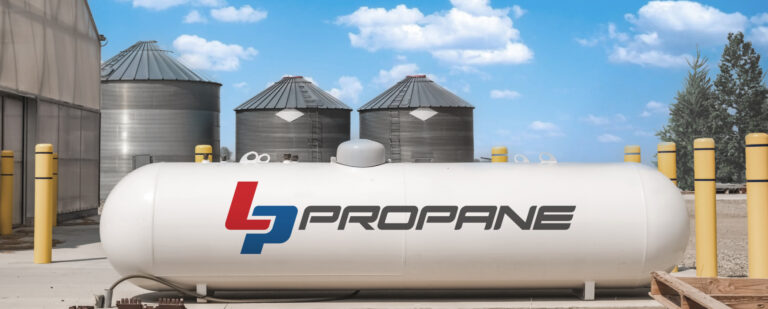
Summer heat waves bring soaring temperatures that can affect many parts of a home’s outdoor equipment, including propane tanks. Many homeowners may see their propane tanks in direct sunlight and wonder if the pressure is building up inside the tank or if there are safety issues. Although the higher temperatures do increase the pressure in propane tanks, propane systems are designed this way. Seasonal temperature changes are taken into consideration with residential propane tanks. Modern propane tanks have thick-walled steel construction and numerous safety features that enable them to operate effectively all year round, even in the freezing conditions of winter and the heat of summer. The pressure will naturally increase as the temperature increases, but the tanks are properly designed to deal with natural variations. However, during heat waves, propane may be needed for some outdoor appliances, and maintenance becomes even more critical, as well as ensuring propane tanks are properly placed and accessible. By knowing what propane will do during the hot weather, homeowners can ensure that their system is properly maintained and they do not have any unnecessary concerns.

How Heat Waves Affect Propane Tank Pressure | LP Propane

Why Propane Tank Pressure Increases During Hot Weather

Propane Expands as Temperatures Rise

The liquid propane in the tank gets hotter as the outside temperature rises. This causes the vapor pressure above the liquid to rise naturally. Changes in pressure are to be expected in hot weather. These normal fluctuations can be accommodated by a properly designed tank. System operations are reliable due to seasonal temperature changes.

Tanks Are Designed for Pressure Changes

The residential propane tanks are designed to stand up to normal pressures all year long. The structure is made of heavy-duty steel, ensuring durability. Safety features are engineered to improve reliability. Good fit helps to maximize the longevity of your appliance.

The 80% Fill Rule Leaves Expansion Space

Propane tanks are intentionally not filled completely. About 20% empty space will be left to accommodate the expansion of propane when temperatures rise. It is an extra room that facilitates normal pressure changes. The performance of systems can be enhanced by proper filling. Expansion space enhances reliability.

Pressure Changes Are Normal

The fact that propane pressure rises in summer can create a problem for many homeowners. But pressure changes are a normal part of propane storage and should occur year-round. Know how the system works so there’s less need for worry.

Safety Features Help Regulate the System

Today’s propane tanks are designed with built-in safety features that are intended to function in a variety of environmental conditions. These built-in characteristics enable reliable operation of the system. Professional maintenance helps ensure continued reliability.

Professional Installation Matters

Proper installation ensures adequate clearance, ventilation, and positioning for safe operation all year round. A qualified propane professional knows what requirements exist in the local area, and can assist in ensuring that the system operates successfully in the winter freeze and summer heat.

Pressure changes are a normal part of propane storage during warmer months

Summer Conditions That Can Affect Your Propane System

Direct Sunlight Is Expected

Propane tanks are built and kept outdoors and in the sun all the time. Usually homeowners do not need to construct shades or covers over the tank to protect it from the sun. Correct installation allows for outdoor use all year long. Reliability is increased through routine maintenance.

Higher Appliance Usage

Extra propane is used in the summer in some homes for outdoor kitchens, pool heaters, patio heaters, and generators. Monitoring fuel levels helps ensure uninterrupted service. You can plan ahead and make things more convenient. It is important to conduct routine observations to improve reliability.

Landscaping Can Restrict Airflow

The grass may grow in the summer, which can decrease air movement around the propane tank and make it more difficult to reach the tank for maintenance. Regular trimming supports maintenance. Accessibility will be enhanced if proper spacing is given. Open spaces aid in equipment care.

Heavy Rain After Heat Waves

Hot weather tends to be followed by storms in the summer. Inspecting drainage around the tank helps prevent water buildup around the tank. Equipment longevity is aided by good site maintenance. Good drainage makes for reliability.

Outdoor Projects May Increase Risks

Fencing, irrigation, and landscaping are popular activities during the summer months. Before digging, always know where your propane tank and any underground propane lines are. Safe property improvement is facilitated by careful planning.

Delivery Access Should Remain Clear

Access to the propane tank should not be obstructed by any outdoor furniture, landscaping materials or seasonal equipment. Pathways are kept clear for efficient deliveries and routine maintenance. Accessible equipment improves service convenience.

Common Myths About Heat and Propane Tanks

Myth: Heat Makes Propane Tanks Dangerous

Propane tanks are specially designed for outdoor storage in different weather conditions, including hot summer weather. Adhering to maintenance and installation guidelines allows for reliable performance all year round.

Myth: You Should Spray the Tank With Water

Water cooling of propane tanks is not necessary during normal hot weather conditions. The tank is designed to function safely within the expected temperature ranges of the outside air without the need for the homeowner to take any action.

Myth: Propane Tanks Should Be Covered

Generally, it is not necessary to totally enclose propane tanks with tarps, blankets or tightly fitted materials as this will make them less accessible for inspections and maintenance. Open-airflow around the tank allows for standard maintenance.

Myth: Pressure Means Something Is Wrong

Hot weather causes the propane to expand and build up internal pressure which is a normal characteristic of propane. Pressure will change naturally as temperatures increase and decrease. This behavior is taken into account when designing propane systems.

Myth: Summer Requires Different Fuel

The propane supplied for residential use remains the same throughout the year. Propane is sensitive to seasonal weather changes and does not require a special summer fuel.

Myth: Heat Eliminates the Need for Maintenance

The summer is really a good time to inspect and maintain propane equipment. Warm weather provides ideal conditions for professional servicing before the busy heating season begins. 

Why Preventative Maintenance Matters Year-Round

Propane systems are exposed to weather and temperature changes all year round, and heat waves are a reminder of this. While temperature changes do have an impact on propane pressure, regular maintenance of the propane tank and accessible system parts helps to ensure that the system performs well whether it is winter or summer. Regular inspections enable certified personnel to inspect visibly and advise on maintenance as necessary and to confirm that the propane system is still operating efficiently. Keeping the area around the tank clean, ensuring good drainage and having a clear delivery access all year round are also advantages for the homeowner. Establishing a regular maintenance routine will minimize interruptions and long-term costs of propane use.

Working With Your Propane Supplier During Extreme Heat

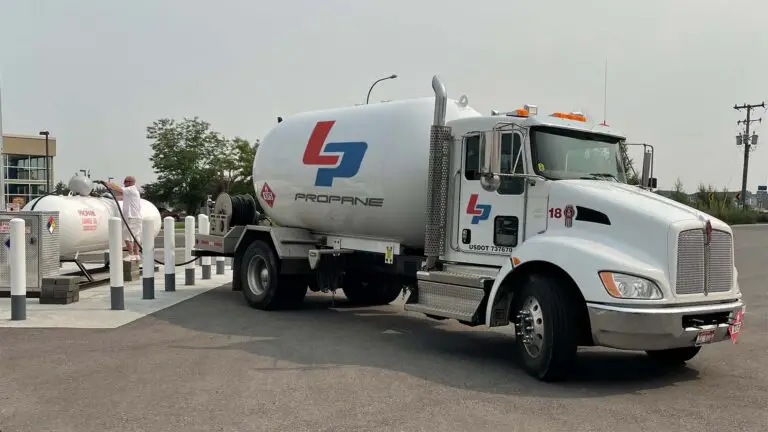
Your propane supplier is an important resource during every season, including periods of extreme summer heat. Professional technicians will be able to answer questions on propane pressure, determine the condition of your propane tank, suggest maintenance schedules, and offer advice on your particular installation. If you have several propane-using outdoor appliances and use propane for your house during the summer, your fuel supplier can help you plan propane deliveries to ensure no interruptions to your fuel supply during a summer when you use propane the most. Frequent communication provides a reliable propane service and helps give homeowners peace of mind during the warm summer months.

Heat Changes Pressure, Not Reliability

The pressure on propane tanks will rise during a heat wave.Propane systems are designed to have an expected rise in pressure during a heat wave. Residential propane tanks are built to withstand normal changes of pressure due to temperature increases, but are not designed to support such pressure when installed inappropriately or improperly maintained. Instead of worrying about normal pressure fluctuations, homeowners should do things that make their home easier to maintain, like checking fuel levels regularly, ensuring the tank is easy to access, cutting back plants around the tank, ensuring proper drainage and having regular professional tank checks. By taking care of your home and equipment this season and working with your propane provider, you can get safe, efficient and reliable propane service even during the hottest days of summer. 

BLAZING BLOGS

How Heat Waves Affect Propane Tank Pressure | LP Propane

Can Snow Damage Your Propane Tank?

Can Snow Damage Your Propane Tank? The cold winter weather can trigger concerns about the effects of snow and freezing temperatures on outdoor propane tanks. Many homeowners are wondering if heavy snow can cause damage to the tank, affect its

Read More »

State Fair Giveaway

$500 Worth of Propane

Be one of the first 200 New Customers to sign-up until September 15th to get $500 worth of propane, FREE! You’ll also get 1 year free tank rental when you switch!

JOIN THE IGNITE PROGRAM

NEW CUSTOMER? Fill out the New Customer Application to join IGNITE.

Save $0.05 Per Gallon with the IGNITE Program Learn more!

This field is for validation purposes and should be left unchanged.
Name(Required)
Service Address(Required)
AAP Agreement(Required)
You will be contacted by a Customer Service Representative to obtain your credit card information.
MM slash DD slash YYYY