Can Snow Damage Your Propane Tank?

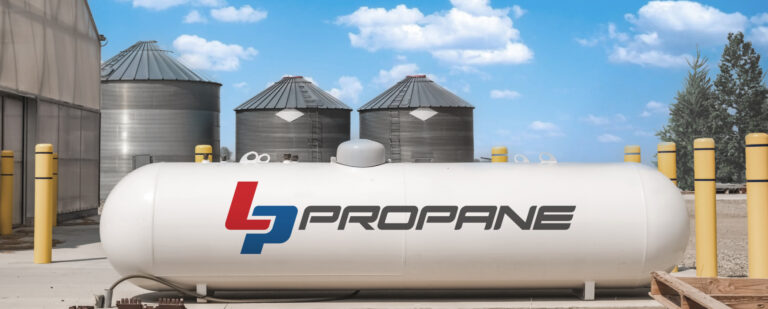
The cold winter weather can trigger concerns about the effects of snow and freezing temperatures on outdoor propane tanks. Many homeowners are wondering if heavy snow can cause damage to the tank, affect its performance, or cause maintenance concerns since the propane tanks are kept outside all year long. The bright side is that propane tanks are engineered in particular to resist extreme weather conditions like snow, ice, rain, and freezing temperatures all year round. Snow in most cases will not harm a properly installed and maintained propane tank. The durable steel design and weather-proof protective coating will resist regular winter conditions. Although snow might not damage the tank itself, it can cause problems when accessing important parts for propane deliveries, routine inspections, and maintenance duties when excess snow builds up around them. By knowing how snow can impact your propane system, homeowners can properly prepare for winter. There are a number of ways to help ensure reliable propane service during the heating season, including keeping the tank open, checking fuel levels and doing simple seasonal maintenance.

Can Snow Damage Your Propane Tank? | LP Propane

How Snow Affects a Propane Tank

Tanks Are Built for Winter Conditions

Residential propane storage tanks are built to be placed in the snow, rain, ice and freezing elements. They are made of heavy-duty steel and fitted with protective coatings to ensure long-lasting durability. Installing them properly will increase reliability. Regular maintenance is a key component of prolonging the life of an electric oven.

Snow Rarely Damages the Tank Itself

There is not necessarily any harm to a propane tank with normal snowfall. The tank is made to be exposed to seasonal weather. Durable materials are used over a prolonged period of time. Periodic check-up assists in maintaining reliable operation.

Heavy Snow Can Block Access

There can be large snow drifts on the tank, regulator, valves, or service dome which may hinder access to the tank and make inspections and fuel deliveries more difficult. Having these parts readily available makes it easier to do routine maintenance. Clear access improves convenience. Proper snow removal enhances service.

Ice Around Equipment Requires Attention

Icing around the tank area can occur as a result of freezing rain or melting snow. Don’t use sharp objects or open fire to take ice off your roof. Proper maintenance is provided by a professional. Reliability is enhanced through safe practices.

Delivery Access Matters

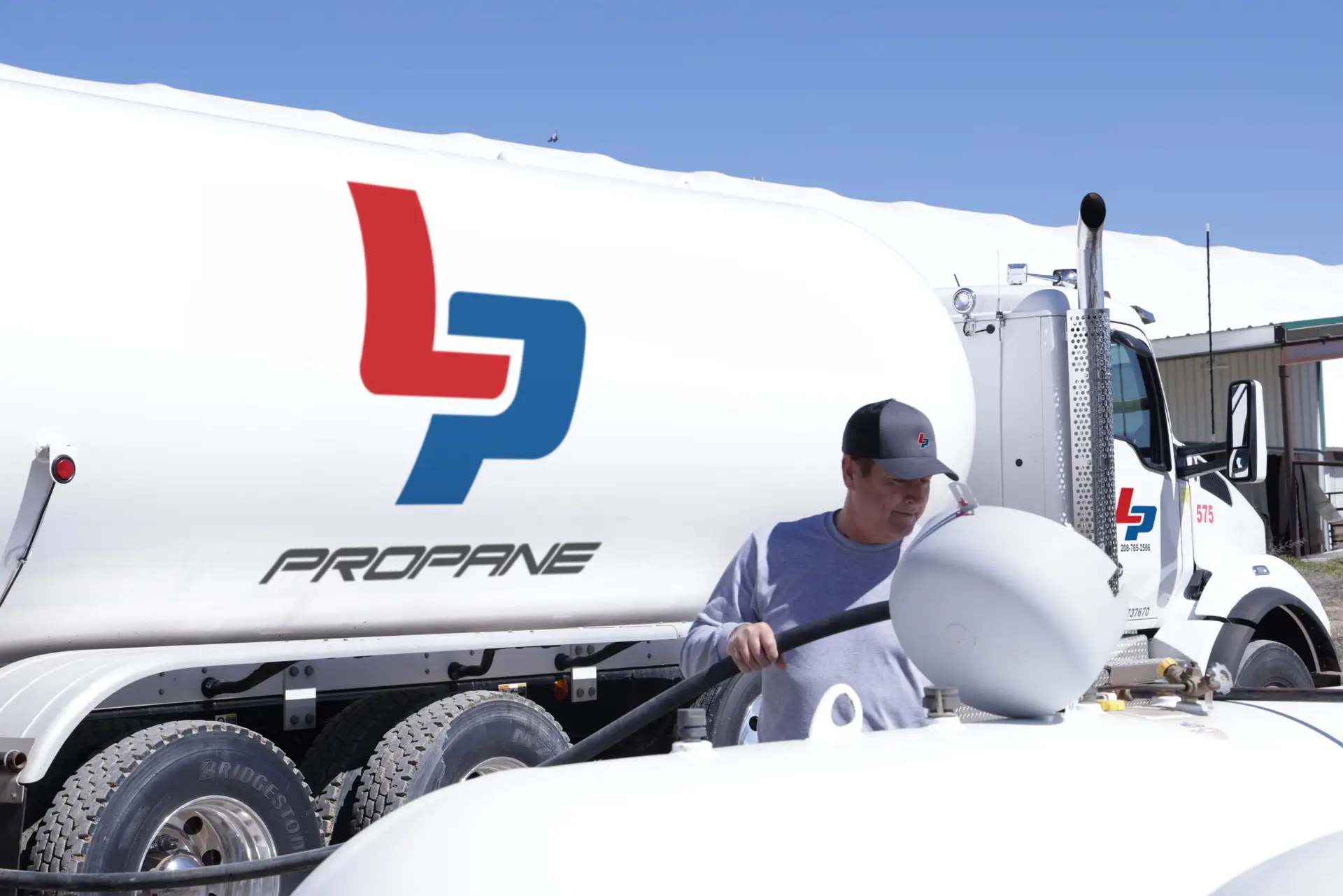
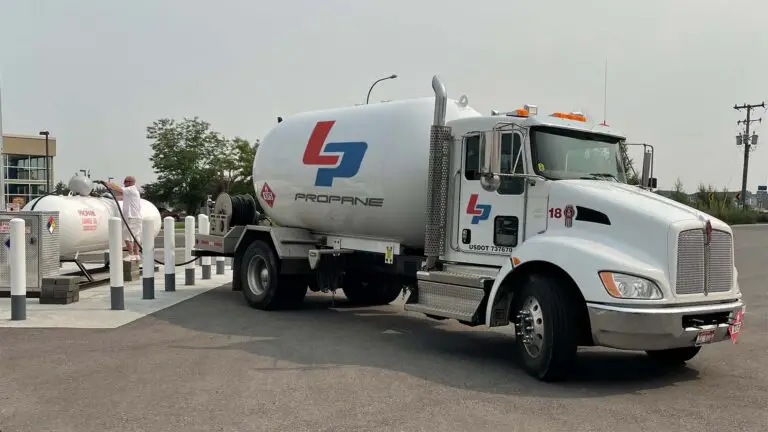
Propane delivery personnel may not be able to reach the tank for safe delivery if the driveways and walkways are covered in snow. Clear pathways allow uninterrupted fuel service. Convenience is enhanced by good preparation. Use of available equipment increases efficiency.

Cold Weather Increases Propane Usage

While snow is generally not a cause of damage to the tank, colder weather may require more heating. More frequent monitoring helps in reducing the likelihood of an unexpected fuel shortage in winter. Routine planning supports dependable comfort.

Knowing how snow impacts your propane system makes winter preparation easier

Winter Maintenance Tips for Snowy Conditions

Remove Excess Snow Carefully

Once snow is deposited, remove it around the propane tank, regulator, valves and paths. Accessibility is enhanced by gentle snow removal. Routine maintenance optimizes service efficiency. Proper care makes things more convenient.

Keep the Tank Visible

Do not let snow build up and cover the propane tank or the service dome. Visible equipment supports inspections. Easy access improves deliveries. Maintenance is improved with good visibility.

Maintain a Safe Delivery Path

Shovel or clear a pathway from the driveway to the propane tank so delivery personnel can safely refill the tank. Dependable service is provided by accessible routes. Winter preparation improves convenience. Uncluttered walkways promote reliability.

Monitor Fuel Levels More Often

Propane use is usually higher in the winter. Tank gauge should be checked regularly to ensure timely refills. Fuel awareness improves planning. Consistent monitoring enhances reliability.

Watch for Falling Snow or Ice

Check the surrounding area of the tank following snow slides on the roof or the fall of ice in the vicinity of the tank. Remove accumulated snow if it blocks access to important components. Regular monitoring is used to aid maintenance. Property awareness improves safety.

Schedule Seasonal Maintenance

Before or during winter, the propane system can be inspected by professionals to ensure that it is in good operating condition. Reliable performance goes hand-in-hand with preventative maintenance. Regular servicing boosts confidence. Expert care increases reliability.

Common Winter Mistakes to Avoid

Ignoring Snow Around the Tank

Deliveries and inspections may be more of a challenge if heavy snow remains in the area for too long. Timely maintenance facilitates access. Having snow removed regularly makes it more convenient. Early attention enhances service.

Using Unsafe Ice Removal Methods

Do not use open flames, boiling water, salt directly on propane components or metal tools to melt ice. Maintenance practices are safe and equipment is protected. Professional recommendations improve reliability.

Blocking the Tank With Snow Piles

Do not stack snow against the propane tank. Snow placement is critical to accessibility. An open environment enhances maintenance. Planning improves convenience.

Waiting Until the Tank Is Nearly Empty

Propane use tends to rise during the cold weather. Regular checks of fuel levels can prevent fuel shortages during peak heating use. Proactive design is key to reliable comfort.

Skipping Routine Inspections

Winter does not eliminate the need for regular propane maintenance. Equipment performance is supported by professional evaluations. Prevention enhances reliability.

Forgetting About Drainage

Water should not accumulate around propane tanks, so be sure to get the water away from the tank as the snow melts. Equipment protection is ensured by good drainage. Good site maintenance enhances durability.

Why Winter Preparation Makes a Difference

Usually, a snowfall is not enough to pose a danger to a propane tank but with the right precautions taken in the winter months, many homeowners can avoid inconveniences. Uninterrupted heat is achieved by clearing pathways, ensuring visibility around the tank and performing propane monitoring on a regular basis. Preparations prior to the major snowstorms will also enable delivery personnel and service technicians to safely work on the propane system if needed. In many cases, maintenance that is done before the winter weather strikes minimizes the risk of delays and emergency service calls during the season. When winter maintenance is considered a part of the regular home maintenance, homeowners can rely on propane performance no matter what type of weather they’re in. 

Working With Your Propane Supplier During Winter

Your propane supplier is an important partner throughout the winter season. They can provide maintenance schedules, options for delivery planning, and answer questions regarding snow and freezing weather preparation of the propane system. If heavy snow frequently occurs at your property, you should inquire with your supplier on best practices for access to your property for deliveries and scheduling propane refills during severe winter storms. Having open lines of communication can keep homeowners ready during the heating season. Regular testing by trained propane technicians also ensures that the tank and system visible components are in good condition during the winter months, giving added assurance when the weather gets cold.

Keep Your Propane Tank Winter-Ready

Propane tanks are designed for year-round outdoor use, and will rarely cause damage in snow. But with all the snow falling, getting to essential equipment is a challenge, propane delivery is delayed, and regular maintenance becomes more difficult when it is not attended. Visibly maintaining the propane tank, clearing snow away from regulators and pathways, checking fuel levels, keeping the area well drained and scheduling regular professional tank inspections all help to ensure reliable propane performance during the cold winter months. By ensuring a homeowner’s system is ready to deliver propane service through the winter months and protects his or her investment, a little preparation and regular propane maintenance can help the homeowner enjoy propane service all year long, even during the harshest winters! 

BLAZING BLOGS

Can Snow Damage Your Propane Tank? | LP Propane

How Heat Waves Affect Propane Tank Pressure

How Heat Waves Affect Propane Tank Pressure Summer heat waves bring soaring temperatures that can affect many parts of a home’s outdoor equipment, including propane tanks. Many homeowners may see their propane tanks in direct sunlight and wonder if the

Read More »

State Fair Giveaway

$500 Worth of Propane

Be one of the first 200 New Customers to sign-up until September 15th to get $500 worth of propane, FREE! You’ll also get 1 year free tank rental when you switch!

JOIN THE IGNITE PROGRAM

NEW CUSTOMER? Fill out the New Customer Application to join IGNITE.

Save $0.05 Per Gallon with the IGNITE Program Learn more!

This field is for validation purposes and should be left unchanged.
Name(Required)
Service Address(Required)
AAP Agreement(Required)
You will be contacted by a Customer Service Representative to obtain your credit card information.
MM slash DD slash YYYY