What Happens If a Propane Truck Cannot Safely Reach Your Tank?

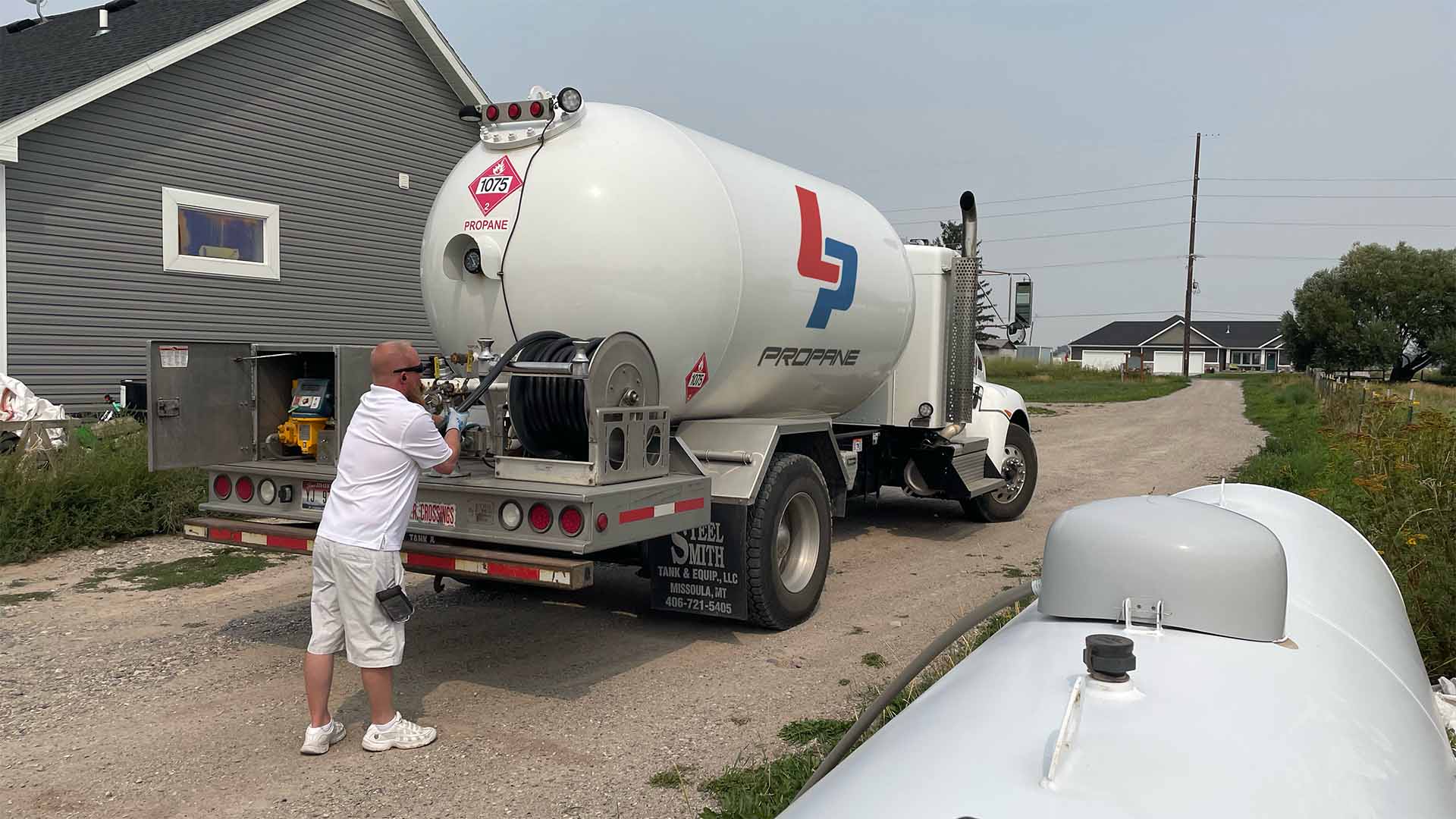
If a propane delivery truck cannot safely reach your tank, the driver may stop the delivery and return another day. A scheduled delivery does not require a driver to cross an icy hill, unstable bridge, flooded driveway, soft ground, blocked gate, or other unsafe area.Propane trucks are larger and heavier than passenger vehicles, so a driveway that works for your car may still be unsuitable for a loaded delivery truck. Liquid Propane states that it will not complete a delivery when it does not have safe, unobstructed access to the property and propane equipment.The result may be a rescheduled delivery, an extra trip charge under the supplier’s terms, or a higher risk of running out of propane if the access problem is not corrected quickly.

What Happens If a Propane Truck Cannot Safely Reach Your Tank? | LP Propane

Why Would a Propane Driver Refuse Delivery?

Icy Driveway

Ice can make even a mild slope unsafe for a heavy propane truck. Liquid Propane advises customers to clear snow and ice and apply salt, sand, or ice melt to slippery inclines and areas where the delivery vehicle normally parks.A driver may stop rather than risk sliding into a building, tank, vehicle, or roadside ditch.

Deep Snow

A driveway may look passable to an SUV while still being too narrow or deep for a propane truck. AmeriGas’s 2025 winter-delivery guidance asks customers to provide a cleared path at least 10 feet wide.Snow should also be cleared from the walking route between the truck and propane tank.

Weak Bridges

A private bridge, culvert, or driveway structure must safely support the delivery vehicle. Liquid Propane places responsibility on customers to provide bridge and driveway access capable of accommodating its delivery or service vehicles.If weight capacity is uncertain, the driver may not cross it.

Soft Ground

Flooding, heavy rain, thawing soil, or poorly built driveways can create ground that will not safely support a delivery truck.Liquid Propane notes that flooding and other adverse weather can significantly delay propane delivery. A driver also has to consider whether the truck could become stuck while entering or leaving.

Low Branches

Propane trucks are taller and wider than ordinary cars. Low branches, overgrown shrubs, narrow gates, or parked vehicles can reduce the clearance needed to maneuver safely.Liquid Propane specifically advises trimming vegetation along driveways so trucks can enter without obstruction.

Hidden Hazards

Septic tanks, leach fields, underground ponds, drainage structures, and other buried features can be damaged by a heavy truck.Liquid Propane requires customers to identify features such as septic systems, leach pits, and underground ponds when they affect delivery access.

Safe access keeps propane deliveries moving

What Happens When the Truck Cannot Reach the Tank?

Delivery Stops

The driver does not have to continue simply because propane was ordered. If entering, parking, walking, or reaching the tank appears unsafe, the delivery can be stopped.Liquid Propane expressly states that safe and unobstructed access is required before it completes a delivery.

Order Rescheduled

Once the access problem is corrected, the supplier may place the delivery back on its route schedule. That does not always mean the truck can return immediately.During storms or periods of heavy demand, adverse weather can create widespread service delays.

Possible Charges

Some suppliers may apply a special trip or delivery charge when the driver cannot reach the tank because the property is inaccessible.Liquid Propane warns that an obstructed driveway can result in a special delivery or trip charge. Customers should check their supplier agreement because fee policies differ.

Fuel Runs Low

The biggest practical problem is a tank that continues dropping while access remains blocked. A household relying on propane for heat, hot water, cooking, or backup generation can consume significant fuel before the next delivery attempt.

Tank Runs Out

Running completely out of propane creates an additional service issue. PERC states that after a runout or interruption of service, the propane retailer or another qualified professional should perform a leak check and restore service.

Emergency Planning

A low tank does not automatically make an unsafe driveway safe for a delivery truck. Customers in areas prone to snow, flooding, storms, or seasonal road problems should plan fuel deliveries before difficult conditions arrive.

What Access Does a Propane Delivery Truck Need?

Driveway Width

Propane trucks need more room than passenger cars. Liquid Propane advises clearing approximately 10 feet of driveway width for winter deliveries in its 2025 customer guidance.

Overhead Clearance

Tree branches, wires, roof overhangs, and other overhead obstacles can interfere with a tall truck.Keeping branches trimmed also reduces the chance that snow-loaded limbs will block access just before a winter delivery.

Walking Path

The truck may not need to park directly beside the propane tank, but the driver needs a safe route for carrying and controlling the delivery hose.Liquid Propane advises creating a clear walking path between the parking area and tank because propane delivery hoses become harder to handle across long or obstructed routes.

Hose Distance

How far a tank can sit from truck access depends on the supplier and site. Liquid Propane says that several factors affect tank placement and generally recommends tanks within about 100 feet of delivery-vehicle access.

Open Gates

Locked gates can turn an otherwise accessible property into a missed delivery. Access instructions such as gate codes or driveway directions should be given when ordering propane.Liquid Propane asks customers to provide those details with the delivery request and keep gates accessible.

Clear Tank

The driver also needs safe access around the propane equipment itself. Snow, brush, debris, vehicles, construction materials, and uncontrolled pets can prevent the driver from reaching the fill connection.Liquid Propane asks customers to provide a clear route, unlock gates, remove brush and debris, and secure pets before delivery.

How Can You Prevent a Missed Propane Delivery?

Check your access route before the delivery date rather than when the truck arrives. Walk from the public road to the tank and look at the route from the perspective of a vehicle much wider, taller, and heavier than your car.During winter, plow enough width for the delivery vehicle and treat icy slopes. Clear a walking path to the tank, brush snow away from the propane equipment carefully, and mark underground tanks with a tall visible marker. PERC recommends using a broom rather than a shovel around propane piping, regulators, and meters to reduce the chance of damaging equipment.Also check gates, parked cars, branches, pets, construction equipment, and soft ground. If a private bridge or culvert lies on the route, confirm that it can carry the delivery vehicle before ordering rather than asking the driver to make that decision at the edge of the property.

Should You Move a Hard-to-Reach Propane Tank?

Tank relocation can make sense when delivery access is repeatedly difficult, but the answer depends on property layout, code requirements, gas-line routing, tank ownership, and the supplier’s delivery equipment.For example, a tank far behind a home may work during dry summer weather yet become difficult to serve after snow or spring flooding. Moving it closer to an all-weather truck access point could reduce future delivery problems. Liquid Propane notes that tank placement considers both safety codes and delivery access, with its general guidance placing tanks within roughly 100 feet of vehicle access.

How Do You Keep Propane Deliveries Reliable?

Reliable propane delivery begins before the truck enters your driveway. Monitor the tank gauge, order early, maintain the access route, and tell the supplier about gates, bridges, narrow roads, construction, or other unusual conditions. Liquid Propane recommends will-call customers request delivery around the supplier’s stated ordering threshold rather than waiting until the tank is nearly empty. If a propane truck cannot safely reach your tank, the safest result may be no delivery that day. Correct the access problem instead of asking the driver to take an unnecessary risk. A clear driveway, stable surface, open gate, safe walking path, visible tank, and early fuel order give the supplier a much better chance of completing the delivery when your home needs propane most.

BLAZING BLOGS

What Happens If a Propane Truck Cannot Safely Reach Your Tank? | LP Propane

Innovations in Propane Technology: What’s New in 2026?

Innovations in Propane Technology: What’s New in 2026? Propane technology in 2026 is moving beyond traditional furnaces, water heaters, forklifts, and backup generators. New fuel systems, connected tank controls, commercial vehicle platforms, renewable fuel pathways, and larger on-site power systems

Read More »

State Fair Giveaway

$500 Worth of Propane

Be one of the first 200 New Customers to sign-up until September 15th to get $500 worth of propane, FREE! You’ll also get 1 year free tank rental when you switch!

JOIN THE IGNITE PROGRAM

NEW CUSTOMER? Fill out the New Customer Application to join IGNITE.

Save $0.05 Per Gallon with the IGNITE Program Learn more!

This field is for validation purposes and should be left unchanged.
Name(Required)
Service Address(Required)
AAP Agreement(Required)
You will be contacted by a Customer Service Representative to obtain your credit card information.
Terms of Service(Required)

LP Propane Ignite Program – Terms and Conditions

1. Eligibility and Program Requirements
To qualify for and maintain enrollment in the LP Propane Ignite Program and receive the $0.05 per gallon fuel discount, the Customer must simultaneously enroll in and maintain active status in the following three core services:

Auto Fill Delivery: The Customer authorizes LP Propane to automatically monitor, schedule, and deliver propane to the designated tank when levels dictate, bypassing the standard Will Call scheduling requirements.

Auto Pay: The Customer must maintain a valid, authorized payment method on file (Credit Card, Debit Card, or ACH/Direct Draft). Invoices will be automatically drafted within 7 days after the delivery.

Paperless Billing: The Customer agrees to receive all invoices, statements, and program communications via email. Opting out of online billing or requesting paper statements will result in a $4.95 monthly fee and disqualification from the program.

2. Fuel Discount Terms

The $0.05 per gallon discount applies exclusively to the standard market rate of propane at the exact time of delivery.

The discount is applied automatically on invoice.

This discount cannot be combined with specific commercial contract pricing or volume discounts unless expressly authorized in writing by LP Propane.

3. Tank Monitoring and Delivery Access

LP Propane may utilize physical tank monitors or advanced usage-tracking algorithms to schedule deliveries.

Access Requirements: The Customer must ensure the propane tank is always completely accessible to delivery personnel and vehicles. The pathway must be free of obstacles, locked gates, debris, or unrestrained animals within a 100-foot radius.

Seasonal Maintenance: During winter months, the Customer is legally responsible for clearing snow, ice, and paths leading to the tank. If a delivery vehicle cannot safely access the tank, the delivery will be delayed, and any emergency filling fees incurred due to subsequent low fuel levels will be billed to the Customer.

4. Credit Status and Payment Failures

If an Auto Pay transaction is declined or fails for any reason (e.g., expired card, insufficient funds), the Customer must update their account billing details immediately. If the transaction remains unprocessed for 30 days despite attempts by LP Propane to contact the Customer, the account will be automatically unenrolled from the program.

If an account balance becomes past due, LP Propane reserves the right to suspend Auto Fill privileges, pause the $0.05 per gallon discount, and transition the account to a "Will Call / Cash on Delivery" basis until the account is brought current and after review and approval of LP Propane’s credit department.

5. Program Termination or Changes

Customer Termination: Removing any of the mandatory components (Auto Fill, Auto Pay, or Paperless Billing) constitutes voluntary termination from the program. If you would like to opt out of the Ignite program you must submit 30 day written notice

Company Modifications: LP Propane reserves the right to alter, modify, or terminate the Ignite Program framework, including discount amounts or underlying eligibility terms.

MM slash DD slash YYYY