How to Prepare Your Propane System for a Heat Wave

Extreme heat can affect more than your air conditioner. If your home uses propane for cooking, water heating, drying clothes, pool heating, or backup power, your propane system also deserves attention before temperatures climb. Propane tanks are built to handle normal outdoor temperature changes, but propane expands as it gets warmer, which increases pressure inside the tank. Dry vegetation, power outages, heavy appliance use, and delayed deliveries can add extra problems during a heat wave. The safest approach is simple: check your fuel level, clear the area around the tank, inspect visible components, test safety alarms, and arrange professional service when needed. Preparing several days before extreme heat gives you time to solve small issues before they become bigger problems.

How to Prepare Your Propane System for a Heat Wave | LP Propane

What Should You Check Before a Heat Wave?

Check Fuel Level

Read the gauge on your propane tank before the heat wave begins. If the tank is already running low, schedule a delivery early instead of waiting until only a small amount of fuel remains. Many households use more propane during outages because standby generators may run for several hours. Ordering fuel early also lowers the chance of running out when delivery demand increases.

Clear Tank Area

Remove dry grass, weeds, leaves, branches, cardboard, lumber, and other combustible materials around the tank. A clear space of about 10 feet is a useful safety target during hot and dry weather. This open area reduces the amount of material that could carry fire toward the propane tank. It also gives delivery drivers and technicians easier access to the system.

Inspect Tank Condition

Look at the tank for major rust, dents, damaged supports, exposed piping, or a loose protective cover. You do not need to touch valves, fittings, or regulators during this basic visual inspection. If the tank appears damaged or has shifted from its normal position, contact a qualified propane professional. Tank repairs should not be handled as a do-it-yourself project.

Check Regulator Area

The regulator controls propane pressure before gas reaches your appliances. Look for visible damage, heavy debris, standing water, insect activity, or vegetation growing around the regulator area. Never insert tools, wires, compressed air, or cleaning products into a regulator opening. If something looks blocked or damaged, let a trained technician inspect it.

Test Safety Alarms

Test both propane gas detectors and carbon monoxide alarms before the heat wave. Propane detectors warn about gas in the air, while carbon monoxide alarms detect dangerous combustion gases. Follow the manufacturer’s directions for battery replacement and alarm testing. Replace any unit that has reached the end of its recommended service life.

Service Propane Appliances

Schedule maintenance for propane appliances that are overdue for service. This may include water heaters, dryers, ranges, pool heaters, fireplaces, and standby generators. A technician can check burners, combustion, ventilation, connections, and appliance condition. Fixing problems before extreme weather is easier than dealing with equipment failure during a heat emergency.

Protect Your Tank From Summer Heat Risks

How Does Heat Affect Propane Systems?

Propane Expands With Heat

Propane is stored as a liquid under pressure. As the liquid becomes warmer, it expands and takes up more space inside the tank. This expansion can increase internal pressure. That is why propane tanks are designed with empty space above the liquid instead of being completely filled.

Tanks Need Expansion Space

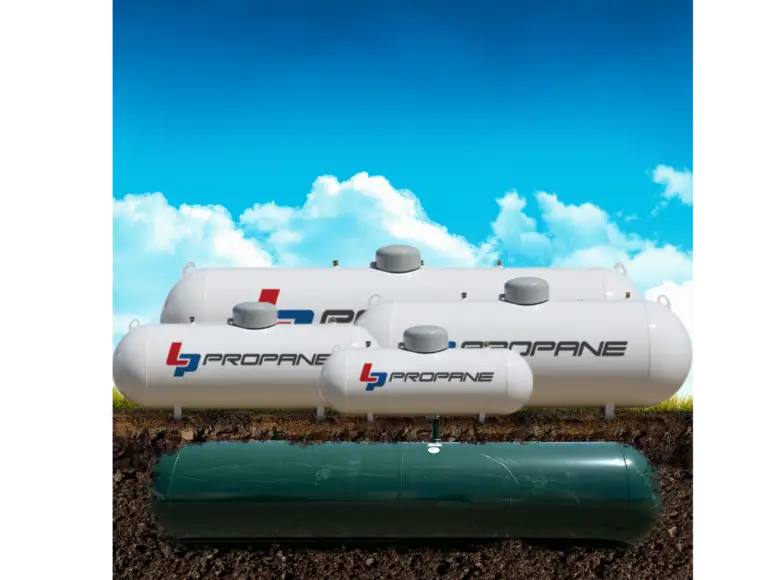
Propane tanks are generally filled to about 80% of their total capacity. The remaining space allows the propane inside to expand safely as temperatures rise. For example, a 500-gallon propane tank may hold around 400 gallons when properly filled. A gauge near 80% after delivery is therefore normal.

Relief Valves Control Pressure

Propane tanks include pressure-relief valves designed to respond if internal pressure becomes unusually high. These safety components can release propane vapor when required by the tank’s design. Never block, tighten, remove, or test a pressure-relief valve yourself. Contact a professional if you think the valve is damaged or behaving unusually.

Aboveground Tanks Need Care

Aboveground tanks are directly exposed to sunlight, dry grass, branches, vehicles, lawn equipment, and nearby heat sources. These outside conditions make routine checks especially important during summer. Keep the tank visible and easy to access. Avoid placing outdoor equipment, stored materials, or temporary structures directly around it.

Underground Tanks Need Access

Underground propane tanks receive less direct sunlight, but their dome, gauge, valves, and service points remain above ground. These components should stay clear and accessible. Do not cover the tank dome with soil, heavy landscaping, decorative structures, or storage items. Delivery drivers and technicians may need quick access.

Drought Raises Fire Risk

Heat waves often happen during dry conditions when grass and vegetation can ignite more easily. A nearby yard or brush fire can become a serious risk to propane equipment. Keeping the area around the tank free from dry material lowers this risk. If wildfire threatens your property, follow emergency instructions instead of approaching the tank.

What Should You Do During Extreme Heat?

Avoid Nearby Heat

Keep grills, fire pits, outdoor heaters, burn barrels, and other strong heat sources away from the propane tank. Spare propane cylinders should also stay away from open flames. The tank already faces outdoor summer temperatures. Adding another direct heat source increases unnecessary exposure and should be avoided.

Store Cylinders Safely

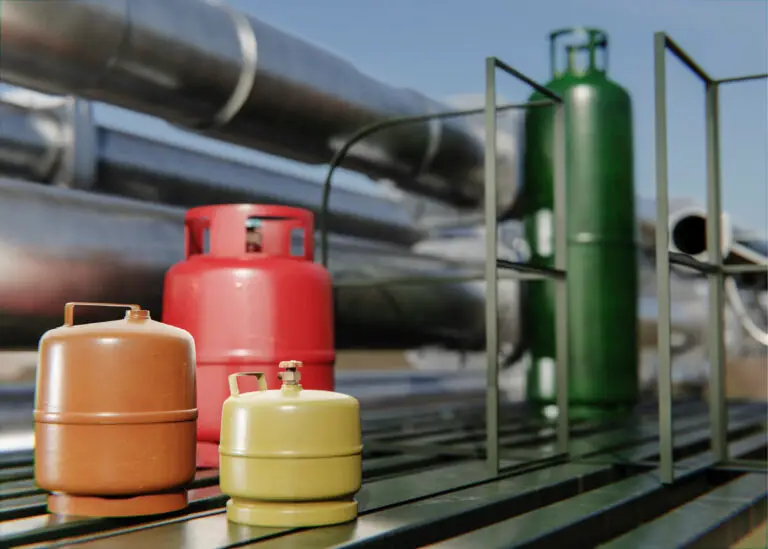
Portable propane cylinders should never be left inside a hot vehicle, trunk, basement, tent, or poorly ventilated enclosed space. Escaping propane can collect where air circulation is limited. Transport cylinders upright and remove them from the vehicle after transportation. Store them outdoors according to the cylinder manufacturer’s instructions.

Run Generators Outdoors

Propane generators can provide backup power during heat-related outages, but they produce carbon monoxide during operation. Never run a generator inside a house, garage, basement, or enclosed shed. Place the generator outdoors according to the manufacturer’s clearance and ventilation instructions. Keep the exhaust pointed away from doors, windows, and air intakes.

Monitor Fuel Use

Watch the propane gauge if your household is using more fuel than usual. A generator running for several hours can use propane much faster than normal household appliances. If the fuel level drops unexpectedly without increased appliance use, contact a propane professional. Unusual consumption can sometimes point to a leak or equipment problem.

Watch Warning Signs

Pay attention to propane odor, unusual hissing, detector alarms, unexplained fuel loss, soot around appliances, or repeated pilot-light problems. These signs may indicate a leak or combustion issue. Do not ignore repeated symptoms. Stop using affected equipment when it is safe and arrange a professional inspection.

Avoid DIY Repairs

Never tighten gas fittings, replace regulators, adjust valves, modify piping, or search for leaks using a flame. Propane systems operate under pressure and require proper testing equipment. If something appears damaged or operates differently than normal, call a qualified technician rather than trying to solve the problem yourself.

What If You Smell Propane?

Treat a strong propane smell or detector alarm as a possible gas leak. Move everyone away from the building or affected area and avoid flames, cigarettes, light switches, appliances, or anything that may create a spark. Once you are a safe distance away, contact emergency services or your propane provider. Do not return until the area has been checked and declared safe. If the propane supply has been shut off, have the system inspected before restarting appliances.

Should You Cool the Tank?

Do not spray, wrap, cover, vent, or modify a propane tank simply because outdoor temperatures are high. Proper propane tanks already include expansion space and pressure-control components designed for changing temperatures. Homemade covers may block ventilation, hide damage, or reduce access to important components. If you notice unusual tank behavior, fire exposure, visible damage, or another safety concern, contact a propane professional instead of trying to cool or alter the system yourself.

How Do You Stay Ready?

Make propane checks part of your regular summer home-maintenance routine. Before each period of extreme heat, read the fuel gauge, clear dry vegetation, test propane and carbon monoxide alarms, inspect visible equipment, and schedule overdue appliance maintenance. Keep emergency and fuel-delivery contact information easy to find. Most importantly, understand the difference between homeowner checks and professional work. You can monitor fuel, remove debris, test alarms, and look for visible problems, but tanks, valves, regulators, gas lines, leaks, and appliance repairs should always be handled by qualified professionals.

BLAZING BLOGS

How to Prepare Your Propane System for a Heat Wave | LP Propane

How Multiple Propane Appliances Share One Tank

How Multiple Propane Appliances Share One Tank One propane tank can supply several household appliances at the same time, including a furnace, water heater, range, dryer, fireplace, and standby generator. The tank does not assign fuel to each appliance separately.

Read More »

State Fair Giveaway

$500 Worth of Propane

Be one of the first 200 New Customers to sign-up until September 15th to get $500 worth of propane, FREE! You’ll also get 1 year free tank rental when you switch!

JOIN THE IGNITE PROGRAM

NEW CUSTOMER? Fill out the New Customer Application to join IGNITE.

Save $0.05 Per Gallon with the IGNITE Program Learn more!

This field is for validation purposes and should be left unchanged.
Name(Required)
Service Address(Required)
AAP Agreement(Required)
You will be contacted by a Customer Service Representative to obtain your credit card information.
Terms of Service(Required)

LP Propane Ignite Program – Terms and Conditions

1. Eligibility and Program Requirements
To qualify for and maintain enrollment in the LP Propane Ignite Program and receive the $0.05 per gallon fuel discount, the Customer must simultaneously enroll in and maintain active status in the following three core services:

Auto Fill Delivery: The Customer authorizes LP Propane to automatically monitor, schedule, and deliver propane to the designated tank when levels dictate, bypassing the standard Will Call scheduling requirements.

Auto Pay: The Customer must maintain a valid, authorized payment method on file (Credit Card, Debit Card, or ACH/Direct Draft). Invoices will be automatically drafted within 7 days after the delivery.

Paperless Billing: The Customer agrees to receive all invoices, statements, and program communications via email. Opting out of online billing or requesting paper statements will result in a $4.95 monthly fee and disqualification from the program.

2. Fuel Discount Terms

The $0.05 per gallon discount applies exclusively to the standard market rate of propane at the exact time of delivery.

The discount is applied automatically on invoice.

This discount cannot be combined with specific commercial contract pricing or volume discounts unless expressly authorized in writing by LP Propane.

3. Tank Monitoring and Delivery Access

LP Propane may utilize physical tank monitors or advanced usage-tracking algorithms to schedule deliveries.

Access Requirements: The Customer must ensure the propane tank is always completely accessible to delivery personnel and vehicles. The pathway must be free of obstacles, locked gates, debris, or unrestrained animals within a 100-foot radius.

Seasonal Maintenance: During winter months, the Customer is legally responsible for clearing snow, ice, and paths leading to the tank. If a delivery vehicle cannot safely access the tank, the delivery will be delayed, and any emergency filling fees incurred due to subsequent low fuel levels will be billed to the Customer.

4. Credit Status and Payment Failures

If an Auto Pay transaction is declined or fails for any reason (e.g., expired card, insufficient funds), the Customer must update their account billing details immediately. If the transaction remains unprocessed for 30 days despite attempts by LP Propane to contact the Customer, the account will be automatically unenrolled from the program.

If an account balance becomes past due, LP Propane reserves the right to suspend Auto Fill privileges, pause the $0.05 per gallon discount, and transition the account to a "Will Call / Cash on Delivery" basis until the account is brought current and after review and approval of LP Propane’s credit department.

5. Program Termination or Changes

Customer Termination: Removing any of the mandatory components (Auto Fill, Auto Pay, or Paperless Billing) constitutes voluntary termination from the program. If you would like to opt out of the Ignite program you must submit 30 day written notice

Company Modifications: LP Propane reserves the right to alter, modify, or terminate the Ignite Program framework, including discount amounts or underlying eligibility terms.

MM slash DD slash YYYY