What Size Propane Tank Does a Restaurant Need?

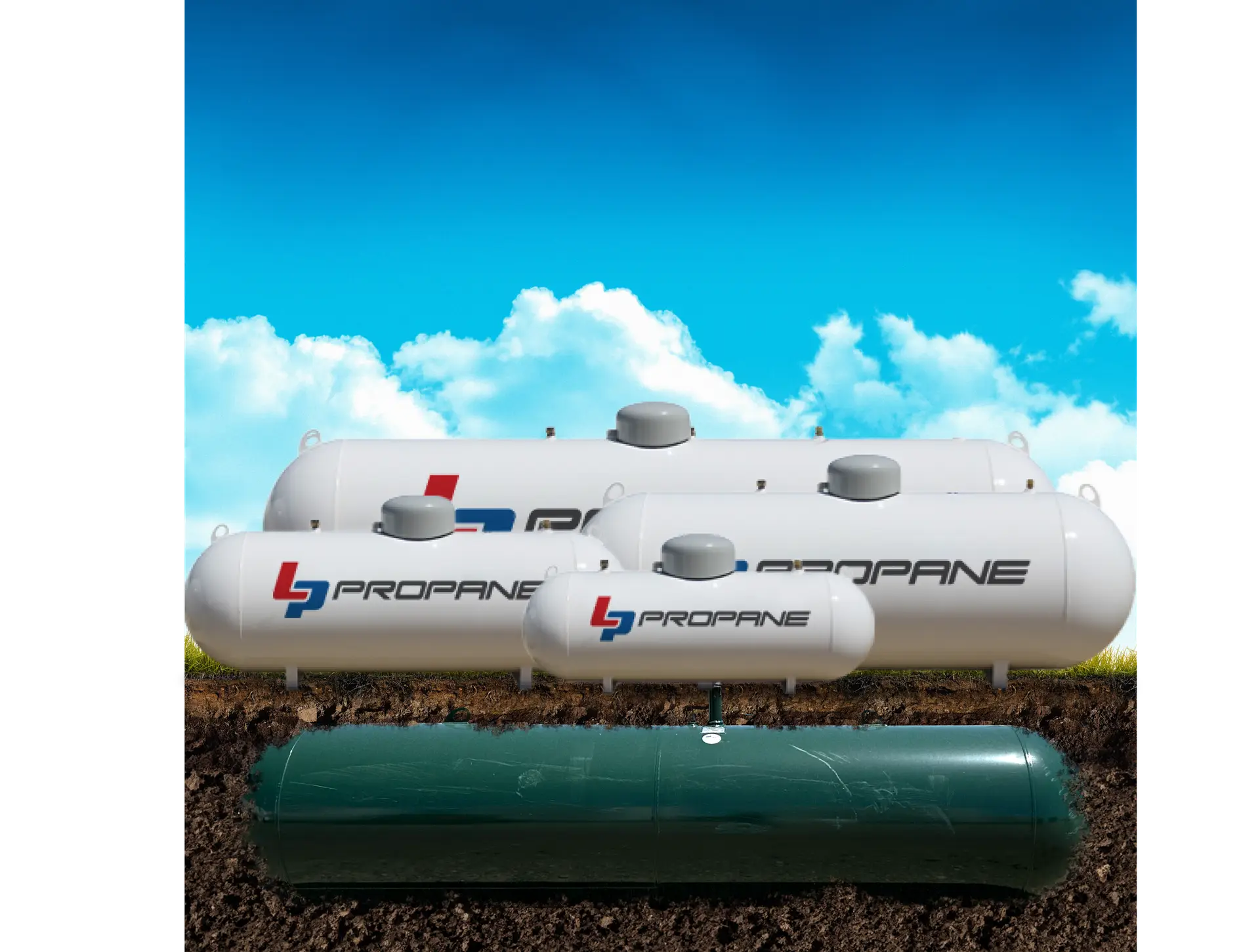
Choosing the wrong propane tank size can cause serious problems for a restaurant. A tank that is too small may run low during busy cooking hours, while an oversized tank can increase installation expenses and take up valuable outdoor space. Small to medium-sized restaurants may need a 250- to 500-gallon propane tank, while larger commercial kitchens may require 1,000 gallons or more. However, the correct size depends on kitchen equipment, daily fuel consumption, operating hours, and delivery frequency. Restaurants use propane for gas ranges, ovens, fryers, griddles, water heaters, and sometimes building heating. Each appliance increases the overall fuel requirement. A restaurant propane tank must store enough fuel for regular operations and deliver sufficient gas during peak cooking periods. Comparing these requirements helps restaurant owners choose a dependable propane system, avoid unexpected shortages, and manage long-term fuel expenses.

Overview

  • Small restaurants may need 250-gallon propane tanks.
  • Medium-sized restaurants often require 500-gallon tanks.
  • Large commercial kitchens may need 1,000 gallons or more.
  • Tank size depends on daily fuel usage, equipment, and operating hours.
  • Proper tank sizing and scheduled refills help prevent fuel shortages.
What Size Propane Tank Does a Restaurant Need? | LP Propane

What Size Propane Tank Is Best for Different Restaurants?

Small Restaurants

Small restaurants with limited cooking equipment may consume approximately 5–15 gallons of propane daily. A 250-gallon tank may provide suitable storage, depending on peak gas demand and delivery arrangements. Actual requirements should be verified before installation.

Medium-Sized Restaurants

Medium-sized restaurants operating several burners, fryers, and ovens may use 15–30 gallons daily. A 500-gallon propane tank can provide greater storage capacity and reduce the need for frequent deliveries during busy operating periods.

Large Restaurants

Large commercial kitchens may consume 30–60 gallons of propane daily or more. A 1,000-gallon tank or multiple connected tanks may be necessary to support longer operating hours and simultaneous appliance usage.

Fast-Food Restaurants

Fast-food restaurants often operate fryers, griddles, and cooking ranges for extended periods. Depending on equipment capacity and customer volume, a 250- or 500-gallon tank may be suitable for some locations.

Cafés and Bakeries

Cafés and bakeries using propane for ovens, cooking equipment, or hot water may require smaller storage systems. However, bakeries with high-capacity ovens can have substantial fuel requirements despite their limited seating areas.

Hotel Restaurants

Hotel kitchens and banquet facilities often prepare large meals using several commercial appliances simultaneously. Depending on kitchen operations and heating requirements, a 1,000-gallon or larger propane storage system may be appropriate.

Restaurant fuel demands vary with size and operations

How Much Propane Does a Restaurant Use Daily?

Commercial Gas Ranges

Commercial gas ranges commonly feature burners rated around 25,000–35,000 BTUs per hour. A six-burner range with 30,000 BTU burners has a combined input of 180,000 BTUs per hour, excluding any additional oven capacity.

Restaurant Deep Fryers

Commercial deep fryers may have input ratings between 80,000 and 150,000 BTUs per hour. A 100,000 BTU fryer consumes approximately 1.09 gallons of propane per hour when operating continuously at its maximum rated input.

Commercial Griddles

A commercial griddle rated at 60,000 BTUs per hour consumes approximately 0.66 gallons of propane during one hour of continuous full-input operation. Actual consumption may be lower because thermostats regulate burner operation.

Gas-Powered Ovens

Commercial ovens vary considerably in heating capacity. An 80,000 BTU propane oven uses approximately 0.87 gallons per hour at full input. Cooking temperature, preheating requirements, and operating schedules influence total daily fuel consumption.

Commercial Water Heaters

Restaurants use hot water for dishwashing, cleaning, and food preparation. Propane water heater consumption depends on burner capacity, hot water demand, incoming water temperature, and equipment efficiency. Busy kitchens may require substantial fuel for water heating.

Restaurant Heating Systems

Restaurants using propane furnaces must include building heating in their overall fuel calculations. During colder months, heating equipment can significantly increase propane consumption, particularly in large dining spaces or poorly insulated buildings.

What Factors Affect Restaurant Propane Tank Size?

Total BTU Requirements

Total BTU input represents the combined maximum fuel demand of connected equipment. A kitchen with a 180,000 BTU range, 100,000 BTU fryer, and 60,000 BTU griddle has a connected input of 340,000 BTUs per hour.

Daily Operating Hours

Restaurants operating for 12–16 hours daily may consume more propane than those serving only one meal period. However, actual consumption depends on burner operation because equipment does not always run continuously at maximum capacity.

Peak Cooking Demand

Peak demand occurs when multiple appliances operate simultaneously. Even a tank containing plenty of propane may struggle to provide enough gas if its vaporization capacity is insufficient for the kitchen’s highest fuel demand.

Propane Delivery Frequency

Delivery schedules influence the amount of propane storage needed. Restaurants receiving regular deliveries may require less reserve capacity than businesses in remote areas where deliveries are less frequent or affected by weather conditions.

Outdoor Temperatures

Cold weather reduces propane vaporization capacity, particularly when liquid fuel levels are low. Restaurants in colder climates may need larger tanks or professionally designed vaporization systems to maintain sufficient gas pressure during winter.

Future Kitchen Expansion

Adding commercial ovens, fryers, water heaters, or other propane appliances increases fuel demand. Choosing a system that can accommodate planned equipment additions may reduce the need for expensive changes later.

How Long Does a Restaurant Propane Tank Last?

A restaurant propane tank’s lifespan depends on its storage capacity, average daily consumption, and refill schedule. Most bulk propane tanks are filled to approximately 80% of their rated capacity to leave room for liquid expansion. For example, a 250-gallon tank typically holds around 200 gallons when filled to 80%. If a restaurant consumes 15 gallons daily, the fuel could theoretically last approximately 13 days. However, deliveries should be arranged before the tank becomes nearly empty. A 500-gallon propane tank holds approximately 400 gallons at an 80% fill. A restaurant consuming 25 gallons daily could operate for about 16 days before using that entire amount. Larger restaurants may benefit from a 1,000-gallon tank, which typically holds approximately 800 gallons at an 80% fill. At 40 gallons daily, that amount would theoretically last about 20 days. These calculations assume consistent daily fuel consumption and do not account for reserve requirements or seasonal changes. Tank vaporization capacity must also be sufficient to meet the kitchen’s maximum gas demand. Restaurants should monitor fuel levels regularly and arrange automatic deliveries where available to reduce the risk of unexpected shutdowns.

How Much Does a Commercial Propane Tank Cost?

Commercial propane tank costs depend on capacity, installation requirements, location, and whether the restaurant purchases or leases the equipment. A 250-gallon tank generally requires less upfront investment than a 500- or 1,000-gallon tank. However, larger tanks may reduce delivery frequency and provide greater flexibility during periods of heavy propane consumption. Installation expenses may include concrete foundations, gas piping, regulators, protective barriers, permits, and inspections. Underground propane installations can also require excavation and additional site preparation. Some suppliers offer tank leasing programs that reduce initial equipment expenses. However, leasing agreements may include annual rental charges, supplier restrictions, or minimum propane purchase requirements. Fuel expenses are another important consideration. For example, a restaurant consuming 20 gallons daily uses approximately 600 gallons per month. At an illustrative propane price of $2.50 per gallon, monthly fuel costs would reach approximately $1,500 before taxes and delivery fees. Compare the total costs of tank ownership and leasing, including installation, maintenance responsibilities, delivery charges, and contract terms.

How Can Restaurants Choose the Right Propane Tank?

Selecting the right propane tank requires calculating daily fuel consumption and determining the highest gas demand when multiple appliances operate simultaneously. Begin by reviewing the BTU input ratings of your cooking equipment, water heaters, and heating systems. Then estimate how many hours each appliance operates daily to calculate expected propane consumption. Next, consider delivery frequency and the amount of reserve fuel needed during busy periods. Restaurants in colder regions should also account for reduced propane vaporization capacity during winter. A qualified commercial propane professional should evaluate tank capacity, regulator sizing, piping, site conditions, and peak equipment demand before installation. Tank placement must comply with applicable safety requirements, including locally adopted provisions of NFPA 58. Required separation distances depend on factors such as container size, nearby buildings, openings, and other propane containers. Proper planning helps prevent inadequate gas supply, frequent refills, and unexpected kitchen disruptions.

BLAZING BLOGS

What Size Propane Tank Does a Restaurant Need? | LP Propane

How Much Does It Cost to Run a Propane Furnace?

How Much Does It Cost to Run a Propane Furnace? Heating your home with propane can provide reliable warmth during freezing temperatures, but rising fuel expenses make homeowners question how much their furnace costs to operate. Whether you’re installing a

Read More »

State Fair Giveaway

$500 Worth of Propane

Be one of the first 200 New Customers to sign-up until September 15th to get $500 worth of propane, FREE! You’ll also get 1 year free tank rental when you switch!

JOIN THE IGNITE PROGRAM

NEW CUSTOMER? Fill out the New Customer Application to join IGNITE.

Save $0.05 Per Gallon with the IGNITE Program Learn more!

This field is for validation purposes and should be left unchanged.
Name(Required)
Service Address(Required)
AAP Agreement(Required)
You will be contacted by a Customer Service Representative to obtain your credit card information.
Terms of Service(Required)

LP Propane Ignite Program – Terms and Conditions

1. Eligibility and Program Requirements
To qualify for and maintain enrollment in the LP Propane Ignite Program and receive the $0.05 per gallon fuel discount, the Customer must simultaneously enroll in and maintain active status in the following three core services:

Auto Fill Delivery: The Customer authorizes LP Propane to automatically monitor, schedule, and deliver propane to the designated tank when levels dictate, bypassing the standard Will Call scheduling requirements.

Auto Pay: The Customer must maintain a valid, authorized payment method on file (Credit Card, Debit Card, or ACH/Direct Draft). Invoices will be automatically drafted within 7 days after the delivery.

Paperless Billing: The Customer agrees to receive all invoices, statements, and program communications via email. Opting out of online billing or requesting paper statements will result in a $4.95 monthly fee and disqualification from the program.

2. Fuel Discount Terms

The $0.05 per gallon discount applies exclusively to the standard market rate of propane at the exact time of delivery.

The discount is applied automatically on invoice.

This discount cannot be combined with specific commercial contract pricing or volume discounts unless expressly authorized in writing by LP Propane.

3. Tank Monitoring and Delivery Access

LP Propane may utilize physical tank monitors or advanced usage-tracking algorithms to schedule deliveries.

Access Requirements: The Customer must ensure the propane tank is always completely accessible to delivery personnel and vehicles. The pathway must be free of obstacles, locked gates, debris, or unrestrained animals within a 100-foot radius.

Seasonal Maintenance: During winter months, the Customer is legally responsible for clearing snow, ice, and paths leading to the tank. If a delivery vehicle cannot safely access the tank, the delivery will be delayed, and any emergency filling fees incurred due to subsequent low fuel levels will be billed to the Customer.

4. Credit Status and Payment Failures

If an Auto Pay transaction is declined or fails for any reason (e.g., expired card, insufficient funds), the Customer must update their account billing details immediately. If the transaction remains unprocessed for 30 days despite attempts by LP Propane to contact the Customer, the account will be automatically unenrolled from the program.

If an account balance becomes past due, LP Propane reserves the right to suspend Auto Fill privileges, pause the $0.05 per gallon discount, and transition the account to a "Will Call / Cash on Delivery" basis until the account is brought current and after review and approval of LP Propane’s credit department.

5. Program Termination or Changes

Customer Termination: Removing any of the mandatory components (Auto Fill, Auto Pay, or Paperless Billing) constitutes voluntary termination from the program. If you would like to opt out of the Ignite program you must submit 30 day written notice

Company Modifications: LP Propane reserves the right to alter, modify, or terminate the Ignite Program framework, including discount amounts or underlying eligibility terms.

MM slash DD slash YYYY