How Much Liquid Propane Can You Safely Store at Home?

Storing propane at home provides a dependable fuel supply for heating, cooking, water heaters, and outdoor appliances. However, keeping too much propane or placing tanks in unsafe locations can create serious fire and gas leak hazards. There is no single nationwide limit on how much liquid propane you can store at home. The permitted amount depends on local fire codes, property size, tank type, installation requirements, and safety distances. Many residential properties use propane tanks ranging from 120 to 1,000 gallons, while smaller portable cylinders commonly hold 20 pounds of propane. Larger installations may be allowed when they meet applicable regulations. Propane is stored as a liquid under pressure, allowing substantial amounts of fuel to fit inside relatively compact containers. However, safe storage requires approved equipment, sufficient outdoor space, and proper handling. Understanding residential propane storage limits helps homeowners choose suitable tanks, avoid unsafe storage conditions, and maintain a reliable fuel supply throughout the year.

Overview

  • Residential propane storage limits depend on local fire codes and property size.
  • Common home propane tanks range from 120 to 1,000 gallons.
  • Propane tanks are typically filled to 80% capacity for safety.
  • Spare propane cylinders should be stored outdoors in well-ventilated areas.
  • Proper tank placement, regular inspections, and safe handling help prevent hazards
How Much Liquid Propane Can You Safely Store at Home? | LP Propane

How Much Propane Can You Legally Store at Home?

Small Propane Cylinders

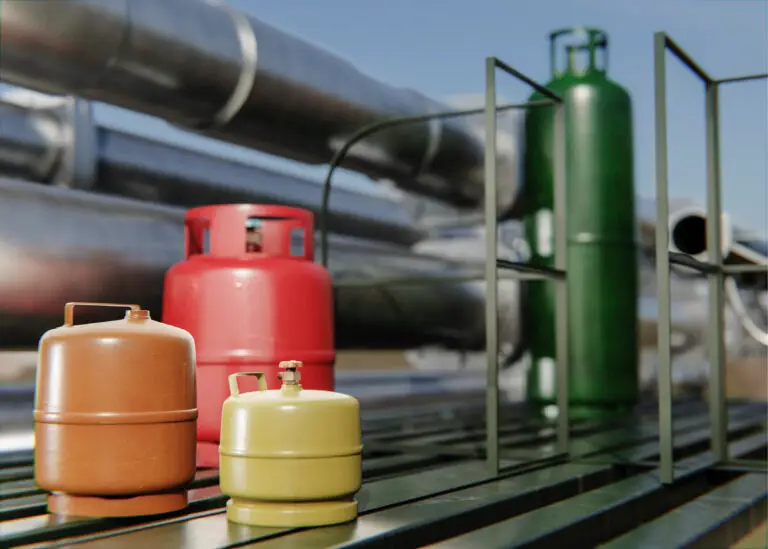
Portable propane cylinders commonly hold 1, 5, or 20 pounds of fuel. These containers are frequently used for camping stoves, outdoor grills, and patio appliances. Storage quantities depend on local fire codes and the location where cylinders are kept.

20-Pound Propane Tanks

A standard 20-pound propane cylinder holds approximately 4.7 gallons when properly filled. Homeowners commonly use these cylinders for outdoor grills and portable equipment. Spare cylinders should remain upright in an approved, well-ventilated outdoor location.

100-Pound Propane Cylinders

A 100-pound propane cylinder holds approximately 23.6 gallons of fuel. These containers may supply approved outdoor appliances or small propane systems. Their size and weight require secure positioning, correct connections, and suitable placement.

120-Gallon Residential Tanks

Propane tank gauges provide approximate liquid-level readings rather than exact measurements. Different tank shapes and gauge designs require compatible components. If a replacement gauge is incompatible with the tank or incorrectly fitted, its displayed percentage may not reflect the actual propane level.

500-Gallon Propane Tanks

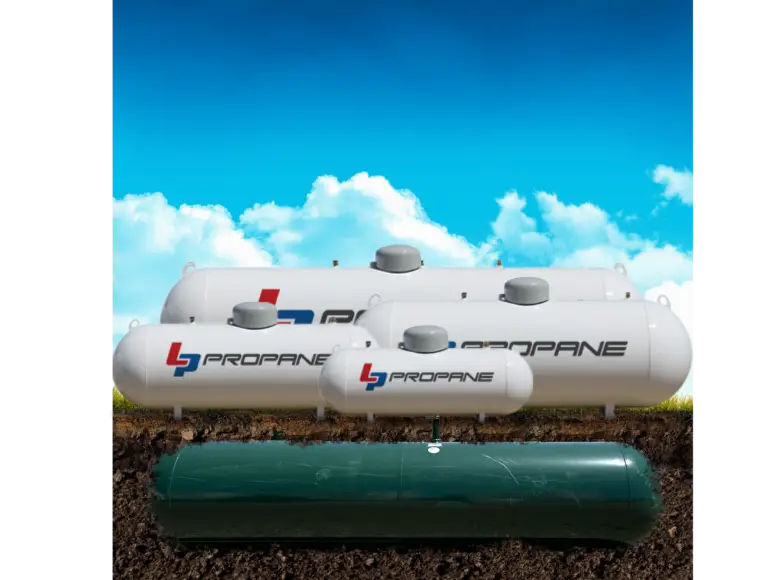
A 500-gallon residential tank typically holds around 400 gallons of liquid propane at an 80% fill. This size is common for homes using propane for central heating, hot water, and cooking. Proper outdoor placement and professional installation are necessary.

1,000-Gallon Propane Tanks

A 1,000-gallon tank generally contains approximately 800 gallons of liquid propane when filled to 80%. These tanks may support larger homes or properties with substantial heating demand. Local approvals, property clearances, and tank installation requirements determine whether this capacity is suitable.

Safe storage starts with the right tank capacity

What Are the Safety Rules for Storing Propane at Home?

Outdoor Tank Placement

Propane cylinders awaiting use should generally be stored outdoors in well-ventilated areas. Bulk residential tanks also normally require approved outdoor installation. Proper ventilation helps prevent propane vapor from accumulating if a leak occurs.

Distance From Buildings

Many residential aboveground tanks with capacities between 125 and 500 gallons require at least 10 feet of separation from buildings and qualifying property lines. Larger installations may require 25 feet, although exceptions and local requirements can apply.

Garage Storage Restrictions

Garages and enclosed storage rooms can allow leaking propane to accumulate. Spare grill cylinders should not be stored in attached garages, basements, or living spaces. Indoor storage permissions for specialized equipment do not automatically apply to ordinary household cylinders.

Heat and Sun Exposure

Propane containers are designed for normal outdoor conditions, including sunlight. However, they should remain away from excessive heat sources, open flames, and locations where temperatures could rise abnormally. Never place cylinders beside heaters or fire pits.

Upright Cylinder Storage

Portable propane cylinders designed for vertical use should remain upright on stable surfaces. This position helps protect valves and allows safety components to function as intended. Tanks should also be protected against tipping and physical damage.

Valve Protection

Propane cylinder valves should remain closed when containers are disconnected or stored. Protective caps or plugs should be fitted where required by the cylinder design. Damaged valves, leaking connections, or heavily corroded cylinders require professional attention.

What Factors Determine Safe Propane Storage Capacity?

Property Size

Larger properties may offer more flexibility for tank placement because they provide greater separation from buildings, property lines, and other protected locations. Smaller lots may restrict larger aboveground tanks unless an approved alternative installation is available.

Household Fuel Demand

Homes using propane for furnaces, water heaters, cooking, and fireplaces typically need larger storage capacities. A household using propane only for an outdoor grill may need nothing more than approved portable cylinders.

Local Fire Codes

State and local regulations determine which storage arrangements are permitted. Requirements may cover tank size, separation distances, fire protection, permits, and inspection procedures. Homeowners should verify these conditions before purchasing equipment.

Tank Installation Type

Aboveground and underground tanks have different installation requirements. Underground tanks may provide additional placement options, but they require suitable soil conditions, corrosion protection, and professional installation.

Delivery Vehicle Access

Bulk propane tanks must be accessible to delivery vehicles. Narrow driveways, steep slopes, gates, and landscaping can affect installation locations. Suppliers must also account for hose reach and safe delivery conditions.

Future Propane Usage

Adding a propane furnace, generator, or water heater can significantly increase fuel consumption. Selecting storage capacity with future needs in mind may reduce the need for costly system changes later.

Why Are Residential Propane Tanks Filled to Only 80%?

Propane tanks are commonly filled to approximately 80% of their total water capacity because liquid propane expands as its temperature increases. The remaining space allows the fuel to expand without creating dangerous liquid-full conditions. For example, a nominal 250-gallon propane tank generally holds approximately 200 gallons of liquid propane at an 80% fill. A 500-gallon tank holds around 400 gallons, while a 1,000-gallon tank holds approximately 800 gallons. These are standard planning examples rather than universal filling limits. The permitted fill quantity can vary according to container design, fuel temperature, and applicable requirements. Propane storage tanks contain pressure relief valves designed to protect against excessive pressure. However, these devices are not substitutes for proper filling practices. Only qualified propane delivery personnel should fill bulk storage tanks or adjust their safety components. Homeowners should monitor fuel levels using the tank gauge and arrange deliveries before the supply becomes too low.

Can You Store Propane Tanks Inside Your House?

Spare propane cylinders should not be stored inside ordinary residential living spaces, basements, or attached garages. Propane vapor is heavier than air and can collect in low areas when a leak occurs, creating a serious fire or explosion hazard. A basement is particularly dangerous because escaping propane may accumulate near the floor rather than disperse naturally. Even an apparently empty cylinder can contain residual propane vapor. Therefore, empty and partially filled cylinders should receive the same basic storage precautions. For household grilling cylinders, choose an approved outdoor location with sufficient ventilation. Keep containers upright, protect valves from damage, and prevent children or unauthorized persons from tampering with them. Some small fuel cartridges may have specific indoor storage allowances under applicable codes. However, these exceptions do not mean standard barbecue cylinders can be stored indoors. If you are unsure whether a particular container can be stored in a specific location, contact your local fire authority or propane supplier before placing it there.

How Can You Store Liquid Propane Safely for Long Periods?

Propane can remain usable in approved, properly maintained containers for extended periods because the fuel itself does not degrade like gasoline. However, cylinders, valves, and other system components require periodic inspection. Keep portable cylinders in designated outdoor storage areas where they are protected from tipping, vehicle damage, and unauthorized handling. Inspect containers for visible rust, dents, damaged valves, or signs of leakage. Do not attempt to repair damaged propane equipment yourself. Portable cylinders may require periodic requalification according to their certification type and applicable transportation regulations. Bulk residential tanks follow different inspection and maintenance requirements. Keep bulk tank access points clear of excessive vegetation, debris, and stored combustible materials. During winter, remove snow carefully without striking tank components or using sharp tools. Never modify propane regulators, transfer fuel between containers using improvised equipment, or attempt to increase tank capacity beyond approved filling limits. If you smell propane, hear unexplained hissing, or suspect a leak, leave the area immediately. Avoid electrical switches, flames, and other ignition sources, and contact your propane supplier or emergency services from a safe location. Regular professional inspections help identify developing problems before they affect storage safety or fuel delivery.

BLAZING BLOGS

State Fair Giveaway

$500 Worth of Propane

Be one of the first 200 New Customers to sign-up until September 15th to get $500 worth of propane, FREE! You’ll also get 1 year free tank rental when you switch!

JOIN THE IGNITE PROGRAM

NEW CUSTOMER? Fill out the New Customer Application to join IGNITE.

Save $0.05 Per Gallon with the IGNITE Program Learn more!

This field is for validation purposes and should be left unchanged.
Name(Required)
Service Address(Required)
AAP Agreement(Required)
You will be contacted by a Customer Service Representative to obtain your credit card information.
Terms of Service(Required)

LP Propane Ignite Program – Terms and Conditions

1. Eligibility and Program Requirements
To qualify for and maintain enrollment in the LP Propane Ignite Program and receive the $0.05 per gallon fuel discount, the Customer must simultaneously enroll in and maintain active status in the following three core services:

Auto Fill Delivery: The Customer authorizes LP Propane to automatically monitor, schedule, and deliver propane to the designated tank when levels dictate, bypassing the standard Will Call scheduling requirements.

Auto Pay: The Customer must maintain a valid, authorized payment method on file (Credit Card, Debit Card, or ACH/Direct Draft). Invoices will be automatically drafted within 7 days after the delivery.

Paperless Billing: The Customer agrees to receive all invoices, statements, and program communications via email. Opting out of online billing or requesting paper statements will result in a $4.95 monthly fee and disqualification from the program.

2. Fuel Discount Terms

The $0.05 per gallon discount applies exclusively to the standard market rate of propane at the exact time of delivery.

The discount is applied automatically on invoice.

This discount cannot be combined with specific commercial contract pricing or volume discounts unless expressly authorized in writing by LP Propane.

3. Tank Monitoring and Delivery Access

LP Propane may utilize physical tank monitors or advanced usage-tracking algorithms to schedule deliveries.

Access Requirements: The Customer must ensure the propane tank is always completely accessible to delivery personnel and vehicles. The pathway must be free of obstacles, locked gates, debris, or unrestrained animals within a 100-foot radius.

Seasonal Maintenance: During winter months, the Customer is legally responsible for clearing snow, ice, and paths leading to the tank. If a delivery vehicle cannot safely access the tank, the delivery will be delayed, and any emergency filling fees incurred due to subsequent low fuel levels will be billed to the Customer.

4. Credit Status and Payment Failures

If an Auto Pay transaction is declined or fails for any reason (e.g., expired card, insufficient funds), the Customer must update their account billing details immediately. If the transaction remains unprocessed for 30 days despite attempts by LP Propane to contact the Customer, the account will be automatically unenrolled from the program.

If an account balance becomes past due, LP Propane reserves the right to suspend Auto Fill privileges, pause the $0.05 per gallon discount, and transition the account to a "Will Call / Cash on Delivery" basis until the account is brought current and after review and approval of LP Propane’s credit department.

5. Program Termination or Changes

Customer Termination: Removing any of the mandatory components (Auto Fill, Auto Pay, or Paperless Billing) constitutes voluntary termination from the program. If you would like to opt out of the Ignite program you must submit 30 day written notice

Company Modifications: LP Propane reserves the right to alter, modify, or terminate the Ignite Program framework, including discount amounts or underlying eligibility terms.

MM slash DD slash YYYY