What Causes Propane Prices to Rise and Fall?

Propane prices can rise quickly during a cold winter and fall again when demand weakens, which can make budgeting for home heating difficult. The reason is that propane prices respond to several connected forces rather than one simple factor. Propane is produced mainly through natural gas processing and crude oil refining, so conditions in both energy markets can influence its price. At the same time, residential heating demand, storage inventories, agricultural use, international exports, transportation costs, and local supply all affect what customers eventually pay per gallon. Because propane demand is highly seasonal, these factors become especially important before and during winter. Understanding what moves the market can help homeowners make better decisions about when to fill their tanks and how to plan their annual propane budget.

Overview

  • Propane prices rise when demand grows faster than available supply.
  • Cold winters can increase heating demand and reduce propane inventories.
  • High inventories and strong production can help push prices lower.
  • Crude oil, natural gas, exports, and transportation also influence prices.
  • Local propane prices can differ widely even when wholesale prices are similar.
What Causes Propane Prices to Rise and Fall? | LP Propane

What Makes Propane Prices Go Up?

Cold Winter Weather

Cold weather increases propane demand because many U.S. households use the fuel for space heating. Longer or colder heating periods mean furnaces run more frequently and households require more deliveries. A sudden cold spell can be especially important because distributors may have little time to bring additional fuel into affected areas.

Low Propane Inventories

Propane inventories are stored supplies that can be drawn down when current demand exceeds production or incoming supply. Lower-than-normal stocks leave the market with less protection against sudden demand increases. Prices therefore tend to face greater upward pressure when inventories are low, particularly as winter begins.

Strong Heating Demand

Residential propane consumption is strongly seasonal. Demand typically increases during fall and winter as households begin using heating systems more frequently. This seasonal change explains why propane inventories generally build during warmer months and decline during the heating season.

Agricultural Demand

Farmers also use propane, including for crop and grain drying. A wet harvest can increase the amount of fuel needed to remove moisture from crops before storage. When strong agricultural demand arrives just before winter heating demand, both sectors may draw from the same regional propane supplies.

Supply Disruptions

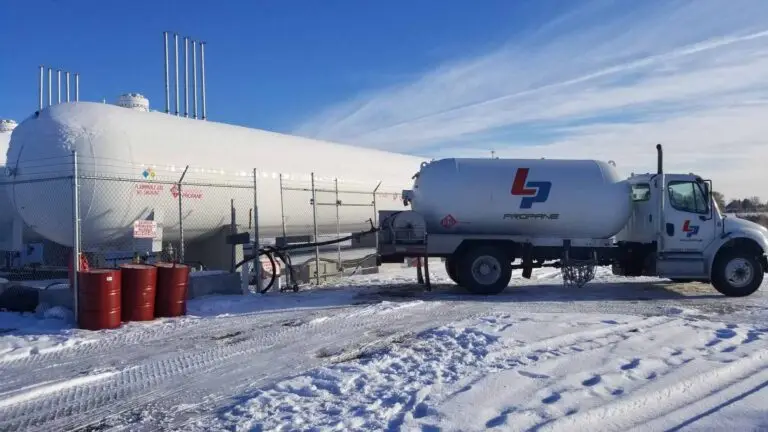
Propane must move from production and storage facilities to local distributors. Pipelines, railroads, trucks, terminals, and storage infrastructure all form part of that supply chain. Congestion, severe weather, or other transportation constraints can reduce how quickly propane reaches an area. Local prices can rise even when propane exists elsewhere in the country.

Global Demand

The United States is a major propane exporter, so American prices are connected to international demand as well as domestic consumption. U.S. propane exports averaged about 2 million barrels per day during the first half of 2026, up 11% from the same period in 2025. Strong overseas demand can therefore affect how much U.S. propane remains available to domestic markets.

Rising demand and tight supply push propane higher

What Makes Propane Prices Go Down?

Warm Winter Weather

A mild winter means households need less propane for space heating. Furnaces run less frequently, deliveries slow, and propane inventories are drawn down more gradually. During the 2023–24 heating season, for example, mild weather and strong inventories helped keep average U.S. propane prices slightly below the previous winter’s levels.

High Inventory Levels

Large inventories provide a buffer when demand suddenly rises. Distributors and wholesale markets have more stored fuel available instead of relying entirely on new production. In late September 2025, U.S. inventories reached about 103 million barrels, roughly 13 million barrels above the previous five-year average for that time of year. Strong stocks contributed to lower Gulf Coast spot prices.

Higher Production

More domestic production increases the amount of propane available to the market. Propane is produced as part of natural gas processing and crude oil refining rather than usually being produced on its own. Growth in U.S. natural gas output has significantly increased propane production over time, supporting both domestic supplies and exports.

Lower Seasonal Demand

Propane consumption generally falls after the heating season ends. Spring and summer therefore provide an opportunity for inventories to recover before the next winter. U.S. propane stocks typically increase from April through September and decline from approximately October through March as heating demand returns.

Smooth Distribution

An adequate national propane supply does not automatically mean every region has easy access to it. The fuel still needs to reach local storage facilities and customers. When pipelines, rail networks, terminals, and truck deliveries operate normally, supply can respond to demand more easily. Fewer transportation constraints can reduce local price pressure.

Weaker Export Demand

International buyers compete for U.S.-produced propane. When overseas demand weakens relative to production, more propane may remain available to the domestic market. The effect depends on production and inventories at the same time. Exports are therefore one part of the larger supply-and-demand balance rather than an independent predictor of retail prices.

What Other Factors Affect Your Propane Price?

Crude Oil Prices

Propane is partly produced during crude oil refining, which creates a relationship between the two markets. Historically, propane prices have shown links to crude oil prices, although that relationship can strengthen or weaken over time. A change in crude oil prices therefore can contribute to propane price movements without causing an identical percentage change.

Natural Gas Prices

A large share of U.S. propane now comes from natural gas processing. This means conditions affecting natural gas production can also affect propane supply. Higher natural gas production can produce more propane and other hydrocarbon gas liquids, potentially adding supply when demand does not increase equally.

Delivery Distance

Propane must physically travel from production and storage areas to local distributors and eventually to individual homes. Customers farther from major supply points may pay more because pipelines, rail transportation, bulk distribution, and final truck delivery add costs.

Delivery Volume

The amount of propane delivered at one time can affect the price per gallon. Small deliveries still require a truck, driver, routing, and operating time. Larger deliveries can spread those expenses across more gallons. This is one reason small-volume customers may face a higher per-gallon cost than larger-volume buyers.

Regional Supply

Propane prices can differ significantly between regions because the United States does not have identical supply access everywhere. Areas located farther from major production, storage, and distribution infrastructure may face higher transportation expenses or greater exposure to regional shortages.

Local Market Conditions

Your retail price includes more than the wholesale cost of propane. Storage, labor, transportation, equipment, delivery frequency, operating costs, and local market conditions can all affect the final amount charged. As a result, two households in different parts of the country can pay different prices even when wholesale propane markets are moving in the same direction.

Why Do Propane Prices Change So Much During Winter?

Winter combines several conditions that can move propane prices at the same time. Residential heating demand rises, inventories begin declining, severe weather can interrupt transportation, and unexpected cold spells can create sudden regional shortages. A historical example shows how quickly these forces can combine. During the winter of 2013–14, agricultural demand, low Midwest inventories, transportation problems, and severe cold contributed to a sharp price spike. The U.S. average residential propane price exceeded $4 per gallon during the fourth week of January 2014, about 75% above the same week a year earlier. Prices later declined as supply constraints and extreme demand eased. The example also shows why weather alone does not determine propane prices. Cold conditions become much more significant when they occur alongside low inventories or distribution problems.

When Are Propane Prices More Likely to Be Lower?

Propane prices are often under less seasonal pressure during periods of lower heating demand, but there is no guaranteed cheapest month. Market conditions can change because of production, exports, crude oil prices, inventories, weather expectations, and regional supply. Spring and summer are important because U.S. propane inventories generally rebuild between April and September. Lower residential heating demand allows more production to move into storage for the next winter. For homeowners, this means checking local prices before peak heating demand may be useful rather than waiting until the tank is nearly empty during a cold spell. The better decision depends on your tank level, local supplier terms, storage capacity, and current market conditions.

Understanding What Moves Propane Prices Helps You Plan Ahead

Propane prices rise and fall because supply and demand are constantly changing. Cold weather, low inventories, agricultural use, strong exports, transportation constraints, and tight regional supplies can push prices higher. Warm weather, strong inventories, rising production, and weaker demand can create downward pressure. Your final residential price also reflects where you live, how much propane you order, how far the fuel must travel, and local delivery costs. That is why national propane trends do not always match the exact price offered by a local supplier. Instead of trying to predict one perfect day to buy propane, watch several signals together: tank level, local prices, inventory conditions, seasonal weather, and your household’s expected consumption. Planning before demand peaks gives you more flexibility and reduces the chance that an urgent refill becomes your most expensive one.

BLAZING BLOGS

State Fair Giveaway

$500 Worth of Propane

Be one of the first 200 New Customers to sign-up until September 15th to get $500 worth of propane, FREE! You’ll also get 1 year free tank rental when you switch!

JOIN THE IGNITE PROGRAM

NEW CUSTOMER? Fill out the New Customer Application to join IGNITE.

Save $0.05 Per Gallon with the IGNITE Program Learn more!

This field is for validation purposes and should be left unchanged.
Name(Required)
Service Address(Required)
AAP Agreement(Required)
You will be contacted by a Customer Service Representative to obtain your credit card information.
Terms of Service(Required)

LP Propane Ignite Program – Terms and Conditions

1. Eligibility and Program Requirements
To qualify for and maintain enrollment in the LP Propane Ignite Program and receive the $0.05 per gallon fuel discount, the Customer must simultaneously enroll in and maintain active status in the following three core services:

Auto Fill Delivery: The Customer authorizes LP Propane to automatically monitor, schedule, and deliver propane to the designated tank when levels dictate, bypassing the standard Will Call scheduling requirements.

Auto Pay: The Customer must maintain a valid, authorized payment method on file (Credit Card, Debit Card, or ACH/Direct Draft). Invoices will be automatically drafted within 7 days after the delivery.

Paperless Billing: The Customer agrees to receive all invoices, statements, and program communications via email. Opting out of online billing or requesting paper statements will result in a $4.95 monthly fee and disqualification from the program.

2. Fuel Discount Terms

The $0.05 per gallon discount applies exclusively to the standard market rate of propane at the exact time of delivery.

The discount is applied automatically on invoice.

This discount cannot be combined with specific commercial contract pricing or volume discounts unless expressly authorized in writing by LP Propane.

3. Tank Monitoring and Delivery Access

LP Propane may utilize physical tank monitors or advanced usage-tracking algorithms to schedule deliveries.

Access Requirements: The Customer must ensure the propane tank is always completely accessible to delivery personnel and vehicles. The pathway must be free of obstacles, locked gates, debris, or unrestrained animals within a 100-foot radius.

Seasonal Maintenance: During winter months, the Customer is legally responsible for clearing snow, ice, and paths leading to the tank. If a delivery vehicle cannot safely access the tank, the delivery will be delayed, and any emergency filling fees incurred due to subsequent low fuel levels will be billed to the Customer.

4. Credit Status and Payment Failures

If an Auto Pay transaction is declined or fails for any reason (e.g., expired card, insufficient funds), the Customer must update their account billing details immediately. If the transaction remains unprocessed for 30 days despite attempts by LP Propane to contact the Customer, the account will be automatically unenrolled from the program.

If an account balance becomes past due, LP Propane reserves the right to suspend Auto Fill privileges, pause the $0.05 per gallon discount, and transition the account to a "Will Call / Cash on Delivery" basis until the account is brought current and after review and approval of LP Propane’s credit department.

5. Program Termination or Changes

Customer Termination: Removing any of the mandatory components (Auto Fill, Auto Pay, or Paperless Billing) constitutes voluntary termination from the program. If you would like to opt out of the Ignite program you must submit 30 day written notice

Company Modifications: LP Propane reserves the right to alter, modify, or terminate the Ignite Program framework, including discount amounts or underlying eligibility terms.

MM slash DD slash YYYY