How to Convert a House From Oil Heat to Propane

Converting a house from oil heat to propane can make sense when an older oil furnace or boiler is nearing replacement, fuel costs are becoming difficult to manage, or you want one fuel source for several home appliances. However, the process involves more than replacing an oil burner with a propane unit. A proper conversion may require a new furnace or boiler, propane storage tank, gas lines, regulators, venting, permits, and safe removal or shutdown of the old oil system. Costs and installation requirements also vary by home. Before making the switch, homeowners should understand how propane compares with heating oil, what equipment is required, and which parts of the conversion can have the biggest effect on the final price.

Overview

  • Oil-to-propane conversion usually requires new heating equipment, piping, and a propane tank.
  • A 500-gallon propane tank is commonly considered for whole-home heating.
  • Total costs depend on equipment, tank installation, venting, permits, and oil-tank removal.
  • Compare fuel cost per useful BTU, not price per gallon alone.
  • Get multiple professional estimates before starting the conversion.
How to Convert a House From Oil Heat to Propane | LP Propane

How Do You Convert a House From Oil Heat to Propane?

Check the Heating System

Start with an inspection of the existing furnace or boiler, chimney, ductwork, electrical connections, and heating distribution system. This helps determine what can remain and what needs replacement. A contractor should also calculate the home’s heating load rather than automatically installing equipment with the same BTU rating as the old system.

Choose New Equipment

Forced-air homes generally use a propane furnace, while hydronic heating systems normally require a propane boiler. The new appliance should match the home’s heating load and existing distribution system. A high-efficiency propane system can reduce the amount of purchased fuel wasted during heating, making equipment efficiency an important part of the conversion decision.

Plan Tank Placement

Residential propane consumption is strongly seasonal. Demand typically increases during fall and winter as households begin using heating systems more frequently. This seasonal change explains why propane inventories generally build during warmer months and decline during the heating season.

Install Propane Lines

New gas piping carries propane from the storage tank to the furnace or boiler. Pipe sizing depends on distance, pressure, appliance BTU demand, and total connected propane load. If you may later add a generator, water heater, range, fireplace, or dryer, mention those plans before the piping is sized.

Update the Venting

The existing oil-heating chimney may not work with the new propane appliance. Modern high-efficiency propane furnaces and boilers often require their own intake and exhaust venting. Condensing equipment also produces water during operation, so an approved condensate drain may be needed.

Remove the Oil System

After the propane system is ready, the old oil tank, burner, and unused fuel lines should be properly removed or decommissioned. An above-ground tank is generally simpler to handle than a buried tank. If an underground tank has leaked, testing and soil cleanup can significantly increase the project scope.

Switching fuels starts with the right conversion plan

What Equipment Is Needed for an Oil-to-Propane Conversion?

Propane Furnace or Boiler

The main component is a propane-compatible heating appliance. Furnaces heat air that moves through ducts, while boilers heat water that circulates through radiators, baseboards, or radiant heating systems. Choose the appliance based on the home’s existing heating design rather than price alone.

Propane Storage Tank

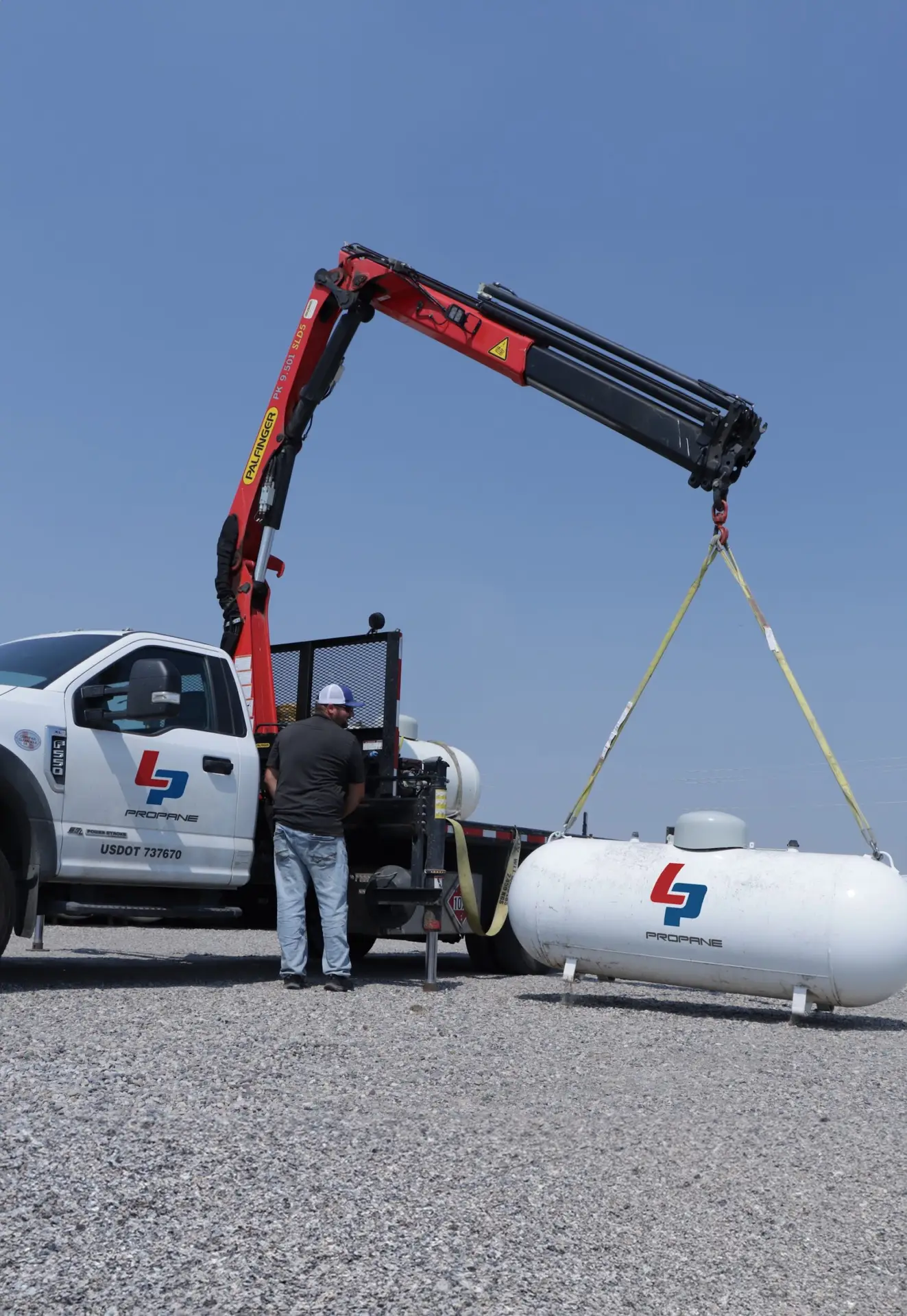
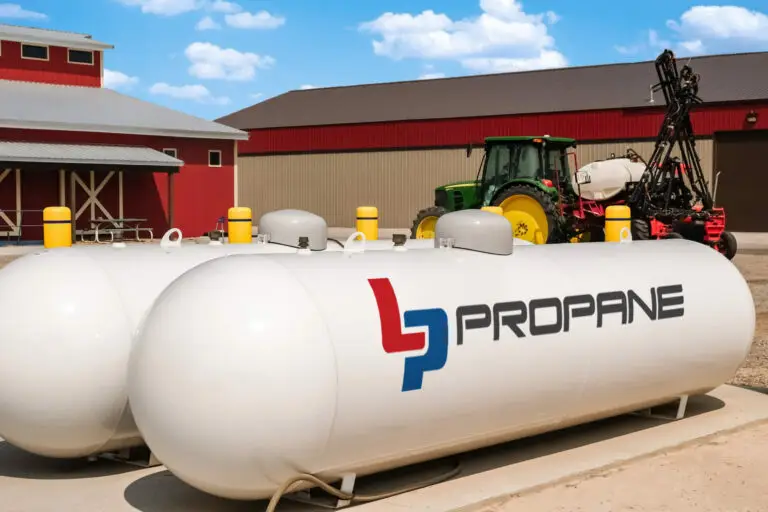
A propane tank stores fuel on the property until the heating system needs it. Tank capacities vary widely, but larger tanks are generally preferred when propane supplies most of the home’s winter heat. Homeowners may be able to lease a tank from a fuel supplier or purchase one.

Pressure Regulators

Propane stored inside a tank is under pressure. Regulators reduce and control that pressure before the fuel reaches household equipment. The regulator system must have enough capacity for the total propane demand of all connected appliances.

Gas Piping

Approved propane piping connects the outdoor tank with indoor appliances. Required pipe diameter depends on factors such as line length and total BTU load. Existing oil lines are not simply reused as propane gas lines because the two fuel systems operate differently.

Venting Components

High-efficiency propane equipment may use dedicated intake and exhaust pipes rather than the home’s existing chimney. The exact vent type, termination location, pipe size, and maximum length depend on the appliance manufacturer’s installation requirements and local codes.

Heating Controls

The project may also include a new thermostat or heating controls. Boilers with several heating zones may need additional zone controls or pumps. Better controls can reduce unnecessary heating cycles while keeping different areas of the house comfortable.

How Much Does It Cost to Convert Oil Heat to Propane?

Equipment Cost

The furnace or boiler is usually one of the biggest expenses. Larger-capacity equipment and high-efficiency models typically cost more than basic systems. Boiler conversions may also require work on pumps, controls, piping, or domestic hot-water connections.

Tank Installation

The propane tank adds another expense. Above-ground tanks generally require less site work than underground tanks because underground installation involves excavation. Tank rental may reduce upfront costs, but it can come with supplier agreements or annual charges.

Gas Line Work

Longer fuel-line runs usually increase material and labor costs. Installation may become more expensive when piping must pass through difficult landscaping, finished rooms, concrete, or tight crawl spaces. Planning the shortest practical route can help control installation costs.

Oil Tank Removal

Removing an accessible above-ground oil tank may cost hundreds of dollars, while underground tank removal can cost several thousand dollars. The largest financial risk is discovering a leak. Contaminated soil may require testing, removal, or other environmental work.

Permits and Inspections

Local authorities may require permits and inspections for the propane tank, gas piping, heating equipment, and venting. Ask whether these fees are included in the contractor’s quote so you can compare estimates on equal terms.

Local Fuel Prices

Do not compare heating oil and propane using price per gallon alone. Heating oil contains roughly 138,500 BTU per gallon, while propane contains about 91,500 BTU per gallon. Propane therefore provides less raw heat energy per gallon. Equipment efficiency and local fuel prices must both be included when comparing actual heating costs.

Is Propane More Efficient Than Oil Heat?

The answer depends largely on the equipment being compared. A modern high-efficiency propane furnace may convert a greater percentage of its fuel into usable household heat than an older oil furnace. Some condensing propane furnaces have AFUE ratings in the mid-to-upper 90% range. However, efficiency does not automatically mean lower heating bills. Propane contains fewer BTU per gallon than heating oil, so a homeowner may need more gallons of propane to produce the same amount of raw heat. A better comparison is cost per useful BTU. Compare local fuel prices with the AFUE ratings of the old and proposed systems. If an old oil unit is already due for replacement, upgrading to an efficient propane system can make the conversion more financially practical.

How Long Does an Oil-to-Propane Conversion Take?

The physical installation may take a few working days for a straightforward project, but the entire process can take longer. Permits, tank delivery, inspections, equipment availability, oil-tank work, and excavation can all affect the schedule. Plan the conversion before peak winter whenever possible. The contractor should coordinate the propane tank, gas lines, heating equipment, venting, inspection, and fuel delivery so the house is not left without heat longer than necessary. Ask for a project schedule before work begins. Knowing when the old system will be disconnected and when the new system will start operating can prevent avoidable heating interruptions.

What Should You Check Before Switching to Propane?

Get two or three detailed estimates and compare what each includes. Look at equipment capacity, AFUE rating, tank size, tank ownership, piping, venting, permits, oil-tank removal, controls, warranties, and final testing rather than choosing by the lowest quoted price. Also check propane availability and delivery options in your area. Ask about current fuel prices, minimum delivery quantities, automatic delivery, tank rental charges, and emergency-delivery policies. Most importantly, calculate long-term heating costs before converting. Compare your current oil consumption with estimated propane demand and account for the efficiency of both systems.

BLAZING BLOGS

State Fair Giveaway

$500 Worth of Propane

Be one of the first 200 New Customers to sign-up until September 15th to get $500 worth of propane, FREE! You’ll also get 1 year free tank rental when you switch!

JOIN THE IGNITE PROGRAM

NEW CUSTOMER? Fill out the New Customer Application to join IGNITE.

Save $0.05 Per Gallon with the IGNITE Program Learn more!

This field is for validation purposes and should be left unchanged.
Name(Required)
Service Address(Required)
AAP Agreement(Required)
You will be contacted by a Customer Service Representative to obtain your credit card information.
Terms of Service(Required)

LP Propane Ignite Program – Terms and Conditions

1. Eligibility and Program Requirements
To qualify for and maintain enrollment in the LP Propane Ignite Program and receive the $0.05 per gallon fuel discount, the Customer must simultaneously enroll in and maintain active status in the following three core services:

Auto Fill Delivery: The Customer authorizes LP Propane to automatically monitor, schedule, and deliver propane to the designated tank when levels dictate, bypassing the standard Will Call scheduling requirements.

Auto Pay: The Customer must maintain a valid, authorized payment method on file (Credit Card, Debit Card, or ACH/Direct Draft). Invoices will be automatically drafted within 7 days after the delivery.

Paperless Billing: The Customer agrees to receive all invoices, statements, and program communications via email. Opting out of online billing or requesting paper statements will result in a $4.95 monthly fee and disqualification from the program.

2. Fuel Discount Terms

The $0.05 per gallon discount applies exclusively to the standard market rate of propane at the exact time of delivery.

The discount is applied automatically on invoice.

This discount cannot be combined with specific commercial contract pricing or volume discounts unless expressly authorized in writing by LP Propane.

3. Tank Monitoring and Delivery Access

LP Propane may utilize physical tank monitors or advanced usage-tracking algorithms to schedule deliveries.

Access Requirements: The Customer must ensure the propane tank is always completely accessible to delivery personnel and vehicles. The pathway must be free of obstacles, locked gates, debris, or unrestrained animals within a 100-foot radius.

Seasonal Maintenance: During winter months, the Customer is legally responsible for clearing snow, ice, and paths leading to the tank. If a delivery vehicle cannot safely access the tank, the delivery will be delayed, and any emergency filling fees incurred due to subsequent low fuel levels will be billed to the Customer.

4. Credit Status and Payment Failures

If an Auto Pay transaction is declined or fails for any reason (e.g., expired card, insufficient funds), the Customer must update their account billing details immediately. If the transaction remains unprocessed for 30 days despite attempts by LP Propane to contact the Customer, the account will be automatically unenrolled from the program.

If an account balance becomes past due, LP Propane reserves the right to suspend Auto Fill privileges, pause the $0.05 per gallon discount, and transition the account to a "Will Call / Cash on Delivery" basis until the account is brought current and after review and approval of LP Propane’s credit department.

5. Program Termination or Changes

Customer Termination: Removing any of the mandatory components (Auto Fill, Auto Pay, or Paperless Billing) constitutes voluntary termination from the program. If you would like to opt out of the Ignite program you must submit 30 day written notice

Company Modifications: LP Propane reserves the right to alter, modify, or terminate the Ignite Program framework, including discount amounts or underlying eligibility terms.

MM slash DD slash YYYY