How Farms Budget for Seasonal Propane Needs

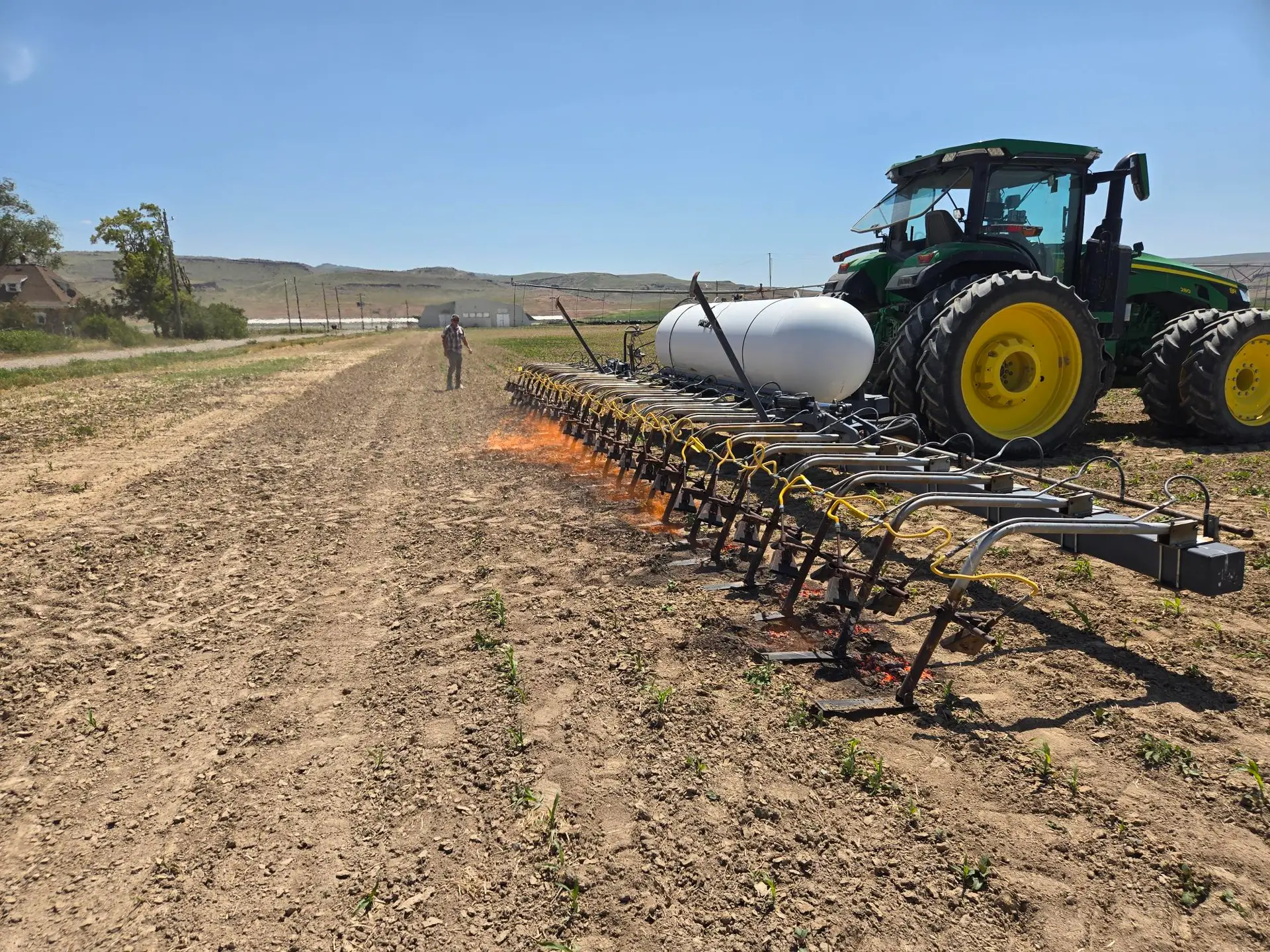
Propane costs rarely arrive evenly across the year. Grain drying can spike fall expenses, livestock heat can peak in winter, and irrigation or standby power can raise summer demand. A useful propane budget turns seasonal work into gallons, delivery dates, and cash needs. It estimates each activity, prices several scenarios, and allows for weather and production changes. It also shows which gallons are contracted and which remain exposed to market prices. Propane can power grain dryers, irrigation engines, building heat, water heaters, generators, and flame weeders. Because these uses peak at different times, an annual total cannot guide purchasing or deliveries.

How Farms Budget for Seasonal Propane Needs | LP Propane

How Do Farms Forecast Propane Demand?

Usage History

Review three years of delivery tickets, tank readings, dryer logs, and equipment hours when available. Match gallons with acres, bushels, crop moisture, weather, and animal numbers so unusual seasons do not distort the forecast.

Farm Changes

Adjust past use for added acres, new barns, larger dryers, irrigation changes, or a standby generator. New equipment may lower demand, so use current machine data instead of applying an old fuel rate.

Seasonal Loads

Divide demand by season. Grain drying often creates a concentrated harvest load, while livestock and greenhouse heating create a longer winter draw. This shows when storage, deliveries, and cash matter most.

Weather Range

Build mild, normal, and severe weather cases. Cold raises building-heating demand, while wet or cool harvest conditions can increase the moisture removed from grain. The severe case reveals the fuel and cash buffer needed during difficult conditions.

Equipment Hours

For heaters, irrigation engines, and generators, multiply expected hours by measured or rated fuel use. Compare the result with delivery history; a large mismatch may reveal weak records, maintenance problems, or shared loads.

Demand Reserve

Add a reserve after estimating each use. Farms with distant suppliers, weather-sensitive livestock, or heavy harvest demand need more room. The reserve must stay within approved storage limits.

Plan the gallons before the season sets the pace

How Do Farms Estimate Seasonal Propane Costs?

Drying Formula

Gas-fired grain dryers may use 0.015 to 0.025 gallons per bushel for each moisture point removed. Iowa State has used 0.018 gallon as an average estimate, although dryer design and weather change actual use.

Drying Example

Drying 100,000 bushels of corn by eight moisture points at 0.018 gallon per bushel-point requires about 14,400 gallons. At $2 per gallon, fuel costs $28,800; at $2.50, it costs $36,000. That $7,200 difference shows why farms should test several prices. A budget based on one optimistic quote may leave too little operating cash if prices rise before harvest.

Heating Estimate

Estimate livestock, greenhouse, shop, and water-heating demand from recent gallons. Adjust for insulation, animal numbers, thermostat settings, and expected cold. Weekly readings can separate base use from cold-weather spikes.

Price Scenarios

Use a local delivered quote, then test lower and higher prices. In March 2026, EIA residential averages were about $2.19 per gallon in the Midwest and $3.57 on the East Coast; farm prices can differ. Regional averages are useful for context, not final budgeting. Supplier contracts, delivery distance, volume, taxes, and tank ownership can all change the farm’s delivered price.

Contract Choices

Suppliers may offer early fills, fixed prices, caps, prebuy plans, or market pricing. A prebuy improves certainty but can require early cash, while market pricing leaves more exposure. The right choice depends on cash flow and risk tolerance. A farm may contract its expected base demand while leaving a smaller share open for changing weather or production.

Full Cost

Include electricity for dryer fans, tank rental, delivery fees, inspections, burner service, and interest on operating funds. For grain, compare on-farm drying with elevator charges, shrink, hauling, storage plans, and harvest delays. The lowest propane price does not always create the lowest production cost. A cheaper supplier with slow deliveries may cause dryer downtime when the farm needs fuel most.

How Do Farms Plan Storage and Deliveries?

Tank Capacity

List each tank by location, ownership, connected equipment, and usable capacity. Tank level, cold weather, and simultaneous demand affect performance, so nameplate size alone is not enough. A farm may have enough annual storage but still lack capacity during a busy week. Compare tank capacity with the highest expected daily use and the supplier’s delivery lead time.

Early Filling

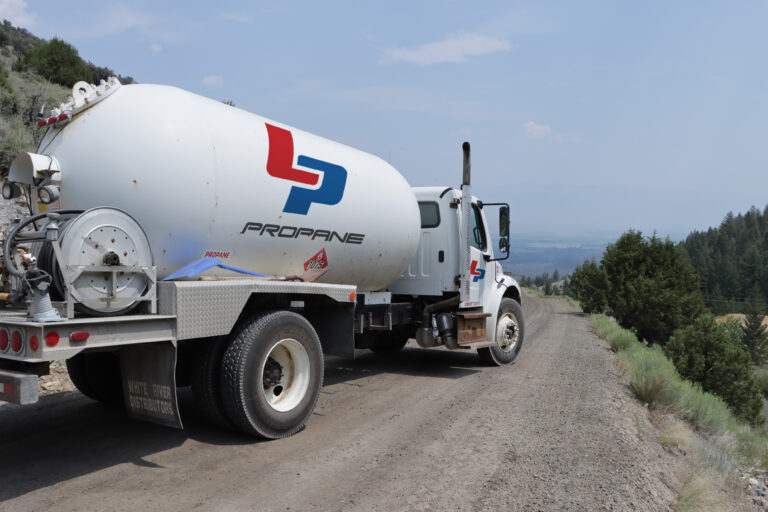
An early fill places fuel on the farm before harvest or winter demand rises. Propane does not face gasoline-style aging, and PERC notes that early-fill programs may improve cost certainty and readiness. An early fill still ties up cash. Compare the price benefit with financing costs and the value of having fuel available before the first major seasonal load.

Delivery Schedule

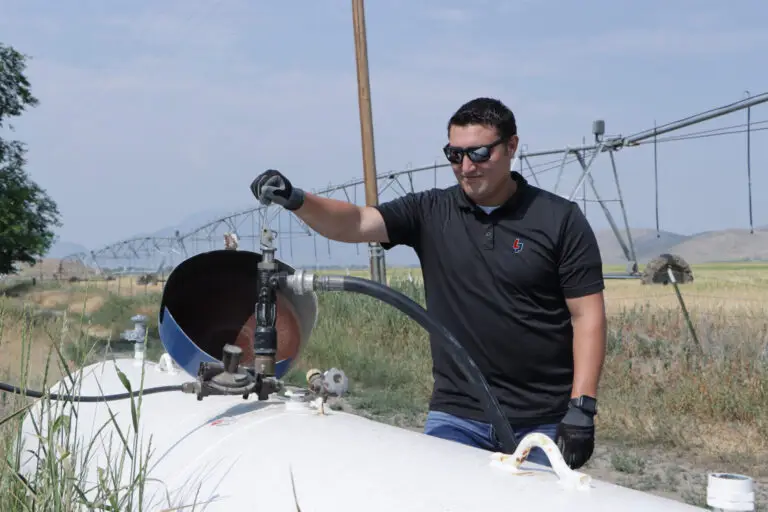
Give the supplier expected gallons and timing before the season starts. Discuss weekends, remote tanks, poor roads, and overlapping equipment loads. Agree on monitoring and reordering. A scheduled delivery plan can reduce emergency calls. It also gives the supplier time to prepare for a farm that may use thousands of gallons during a short harvest period.

Site Access

Delivery trucks need safe access during rain, snow, mud, and harvest traffic. Clear vegetation, protect tanks from vehicles, mark hazards, and repair weak lanes or pads. Poor access can create a farm-level shortage even when the supplier has plenty of propane. Include road, gate, or tank-pad repairs in the seasonal budget when access has caused past delays.

Supplier Terms

Review tank ownership, contract volume, minimum deliveries, emergency service, and restrictions. Another company may not be allowed to fill a leased tank, so confirm backup options early. Ask what happens when actual use exceeds contracted gallons. The answer may affect pricing, delivery priority, or whether the farm must buy added fuel at the current market rate.

Safety Service

Budget for service before high-use periods. Burners, regulators, dryers, piping, valves, heaters, and controls must work correctly. PERC publishes farm safety guidance for crop dryers and confinement barns. Maintenance also supports accurate budgeting. A poorly adjusted burner or damaged component can waste fuel and make actual consumption exceed the planned number.

How Should Propane Fit Into Farm Cash Flow?

A seasonal propane budget must show when payment occurs. A summer prebuy may require cash before grain sales, while market-priced deliveries can create large harvest bills. Match payments with the operating line, livestock receipts, crop sales, and cash. Separate contracted gallons from unpriced gallons to show remaining market risk. Record delivery charges, tank rent, and finance costs separately so the true seasonal expense stays visible. Update the cash forecast during high-use months. Changes in harvested bushels, incoming grain moisture, cold weather, irrigation hours, or tank levels can move the budget quickly. When actual use exceeds the high-case forecast, revise delivery timing and working-capital needs immediately.

How Can Farms Control Seasonal Propane Costs?

First, reduce waste. Maintain dryers and burners, seal heated buildings, repair controls, and avoid heating empty areas. Track propane per bushel, animal space, irrigation hour, or greenhouse square foot. Second, spread purchasing decisions across time. Early fills and contract options can reduce dependence on one price date. EIA’s 2025–2026 data also show that propane prices moved during the heating season, which supports testing more than one price in the budget. Third, compare propane cost with the value it protects. Timely drying can reduce spoilage and delays, while dependable heat protects animals and water systems. The cheapest plan fails when it creates operating risk.

How Do You Build a Reliable Seasonal Propane Budget?

Create one worksheet connecting farm activities, gallons, dates, prices, tank capacity, deliveries, and cash payments. Use farm records first, extension benchmarks second, and broad averages last. Review the plan with the manager, lender, supplier, and service provider. Confirm contract volumes, tank ownership, access, monitoring, service dates, emergency contacts, and unpriced demand. A strong propane budget does not predict every cold front or wet harvest. It gives the farm enough fuel, storage, cash, and decision room to respond when conditions change. After the season, compare forecast gallons, delivered gallons, average price, and cost per production unit so the next budget starts with better numbers.

BLAZING BLOGS

State Fair Giveaway

$500 Worth of Propane

Be one of the first 200 New Customers to sign-up until September 15th to get $500 worth of propane, FREE! You’ll also get 1 year free tank rental when you switch!

JOIN THE IGNITE PROGRAM

NEW CUSTOMER? Fill out the New Customer Application to join IGNITE.

Save $0.05 Per Gallon with the IGNITE Program Learn more!

This field is for validation purposes and should be left unchanged.
Name(Required)
Service Address(Required)
AAP Agreement(Required)
You will be contacted by a Customer Service Representative to obtain your credit card information.
Terms of Service(Required)

LP Propane Ignite Program – Terms and Conditions

1. Eligibility and Program Requirements
To qualify for and maintain enrollment in the LP Propane Ignite Program and receive the $0.05 per gallon fuel discount, the Customer must simultaneously enroll in and maintain active status in the following three core services:

Auto Fill Delivery: The Customer authorizes LP Propane to automatically monitor, schedule, and deliver propane to the designated tank when levels dictate, bypassing the standard Will Call scheduling requirements.

Auto Pay: The Customer must maintain a valid, authorized payment method on file (Credit Card, Debit Card, or ACH/Direct Draft). Invoices will be automatically drafted within 7 days after the delivery.

Paperless Billing: The Customer agrees to receive all invoices, statements, and program communications via email. Opting out of online billing or requesting paper statements will result in a $4.95 monthly fee and disqualification from the program.

2. Fuel Discount Terms

The $0.05 per gallon discount applies exclusively to the standard market rate of propane at the exact time of delivery.

The discount is applied automatically on invoice.

This discount cannot be combined with specific commercial contract pricing or volume discounts unless expressly authorized in writing by LP Propane.

3. Tank Monitoring and Delivery Access

LP Propane may utilize physical tank monitors or advanced usage-tracking algorithms to schedule deliveries.

Access Requirements: The Customer must ensure the propane tank is always completely accessible to delivery personnel and vehicles. The pathway must be free of obstacles, locked gates, debris, or unrestrained animals within a 100-foot radius.

Seasonal Maintenance: During winter months, the Customer is legally responsible for clearing snow, ice, and paths leading to the tank. If a delivery vehicle cannot safely access the tank, the delivery will be delayed, and any emergency filling fees incurred due to subsequent low fuel levels will be billed to the Customer.

4. Credit Status and Payment Failures

If an Auto Pay transaction is declined or fails for any reason (e.g., expired card, insufficient funds), the Customer must update their account billing details immediately. If the transaction remains unprocessed for 30 days despite attempts by LP Propane to contact the Customer, the account will be automatically unenrolled from the program.

If an account balance becomes past due, LP Propane reserves the right to suspend Auto Fill privileges, pause the $0.05 per gallon discount, and transition the account to a "Will Call / Cash on Delivery" basis until the account is brought current and after review and approval of LP Propane’s credit department.

5. Program Termination or Changes

Customer Termination: Removing any of the mandatory components (Auto Fill, Auto Pay, or Paperless Billing) constitutes voluntary termination from the program. If you would like to opt out of the Ignite program you must submit 30 day written notice

Company Modifications: LP Propane reserves the right to alter, modify, or terminate the Ignite Program framework, including discount amounts or underlying eligibility terms.

MM slash DD slash YYYY