Propane Safety Tips Every Homeowner Should Know

Propane provides reliable energy for millions of homes across the United States. Homeowners use propane for heating systems, water heaters, fireplaces, cooking appliances, outdoor grills, and backup generators. While propane is a safe and efficient fuel when handled correctly, it requires proper care and awareness. Most propane-related problems happen because of simple mistakes, such as ignoring unusual odors, delaying maintenance, storing cylinders incorrectly, or using appliances without proper ventilation. Understanding basic propane safety practices helps homeowners identify warning signs early and prevent dangerous situations.

Overview

  • Store propane tanks outdoors and inspect them regularly.
  • Never ignore propane smells or possible leak signs.
  • Maintain appliances and schedule professional safety checks.
  • Keep proper ventilation and carbon monoxide detectors installed.
  • Follow safe handling practices to protect your home
Propane Safety Tips Every Homeowner Should Know | LP Propane

What Are the Most Important Propane Safety Tips?

Store Tanks Safely

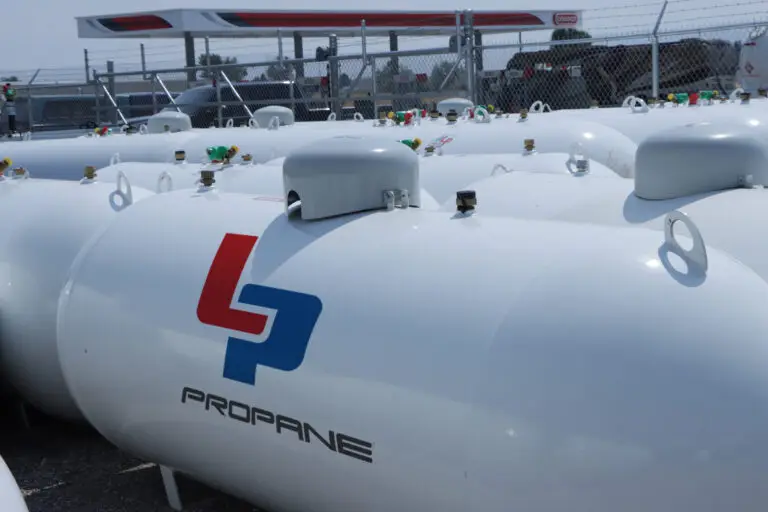
Propane tanks and cylinders should always remain outdoors in areas with good airflow. Never store propane cylinders inside a home, garage, basement, or enclosed storage space. If propane leaks inside an enclosed area, it can collect near the floor because propane gas is heavier than air. This creates a higher risk of fire if the gas reaches an ignition source. Keep tanks upright and protect them from damage caused by vehicles, falling objects, or harsh weather conditions.

Notice Gas Smells

Propane naturally has no smell, so manufacturers add an odorant called ethyl mercaptan to help people detect leaks. This smell is often compared to rotten eggs or sulfur. If you notice this odor near your propane tank, appliances, or inside your home, treat it as a possible leak. Never ignore a propane smell, even if your appliances appear to be working normally.

Check Tank Areas

The area around your propane tank should remain clean and accessible. Remove leaves, snow buildup, branches, and other materials that may block access. A clear tank area allows technicians to inspect equipment properly and helps homeowners notice visible problems. Look for signs such as rust, damaged connections, or unusual sounds near the tank.

Schedule Inspections

Regular propane system inspections help identify problems before they become serious. A trained propane technician can check connections, regulators, valves, and appliance components. Many homeowners schedule inspections before winter because propane heating systems often work harder during colder months. Routine checks also help maintain efficient appliance performance.

Maintain Ventilation

Propane appliances need proper airflow to burn fuel safely. Furnaces, water heaters, fireplaces, and stoves require ventilation systems that allow combustion gases to exit properly. Blocked vents or poor airflow can increase the risk of carbon monoxide buildup. Installing carbon monoxide detectors near sleeping areas provides additional protection for your household.

Keep Safety Tools

Every propane home should have basic safety equipment, including smoke detectors and carbon monoxide alarms. Homeowners should test alarms regularly and replace batteries when needed. It is also helpful to keep your propane supplier’s emergency contact information available in case a problem occurs.

Small safety actions prevent bigger propane problems

How Can You Prevent Propane Leaks?

Inspect Connections

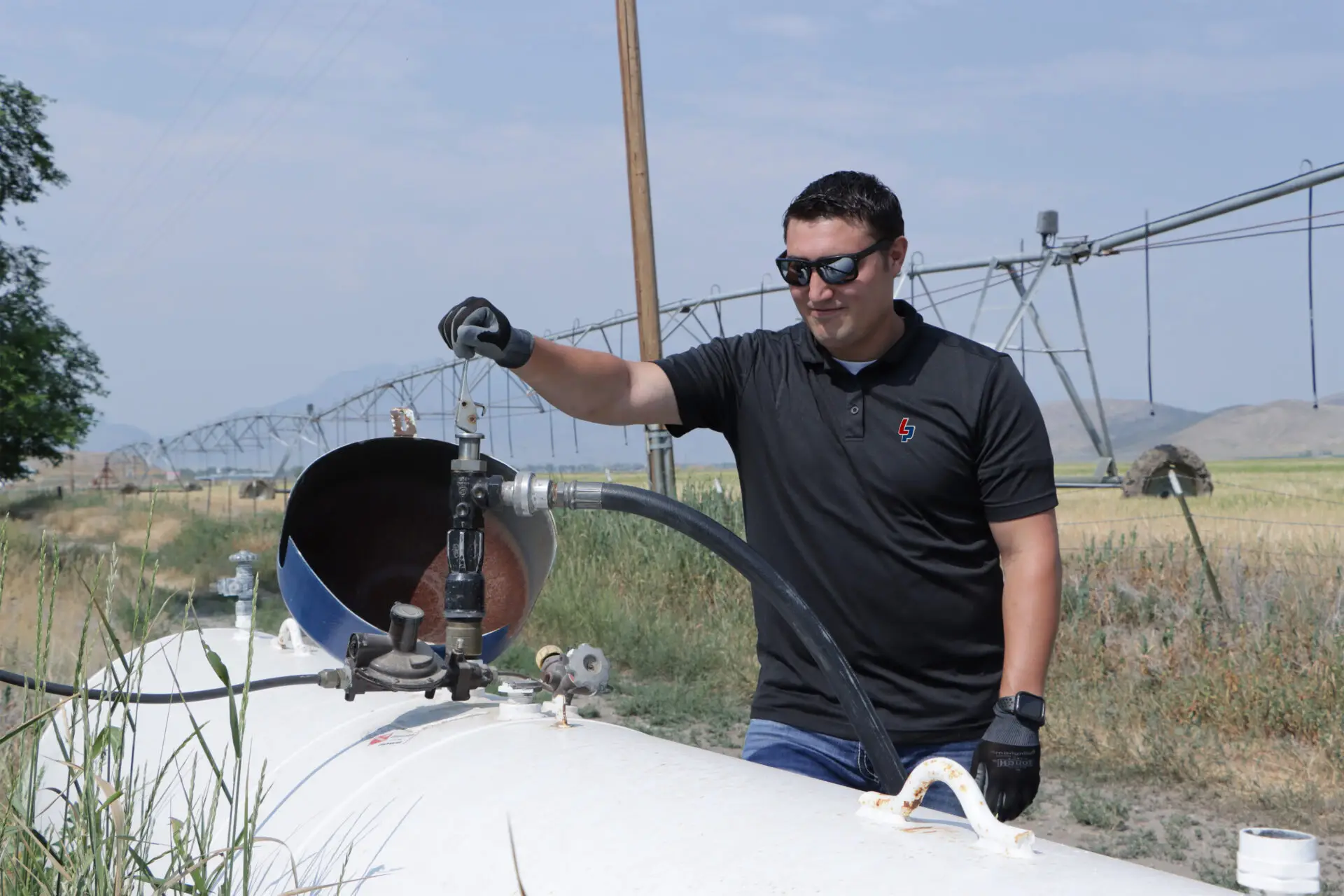
Propane connections between tanks, fuel lines, and appliances should be checked regularly for damage or wear. Loose fittings, cracked hoses, or damaged valves can allow propane to escape. If you notice damaged parts, contact a qualified propane professional instead of attempting repairs yourself.

Avoid DIY Repairs

Propane systems operate under pressure and require specialized knowledge. Homeowners should not repair gas lines, regulators, valves, or tank components without proper training. Incorrect repairs can create leaks or unsafe operating conditions. Professional service helps maintain safe propane system performance.

Protect Outdoor Tanks

Outdoor propane tanks should be protected from physical damage. Avoid placing heavy objects near tanks or allowing vehicles to come close to them. During winter, remove excessive snow and ice buildup from around the tank and equipment. Never use sharp tools that could damage the tank surface.

Use Grills Properly

Propane grills should always be used outdoors in open areas. Never operate a propane grill inside a garage, porch enclosure, or home. Before grilling, check hoses and connections for cracks or damage. After cooking, turn off the burners first and then close the propane cylinder valve.

Watch Appliance Signs

Changes in appliance performance can indicate possible problems. Warning signs include unusual noises, weak flames, frequent shutdowns, or unusual smells. A propane appliance that does not operate normally should be inspected. Ignoring small issues can lead to larger safety concerns later.

Follow Emergency Steps

If you smell propane, leave the area immediately. Do not turn electrical switches on or off because sparks can ignite leaked gas. Move to a safe location and contact your propane supplier or emergency services. Do not return until a professional confirms the area is safe.

How Can You Use Propane Appliances Safely?

Maintain Furnaces

A propane furnace uses propane combustion to produce heat for your home. Regular maintenance helps the furnace operate safely and efficiently. Homeowners should schedule professional furnace inspections before the heating season begins. Technicians can inspect burners, ignition systems, heat exchangers, and safety controls.

Check Water Heaters

Propane water heaters provide hot water by burning propane fuel. These systems need proper ventilation and regular maintenance. Sediment buildup, damaged parts, or blocked vents can affect performance. Annual inspections help identify issues before they affect safety or reliability.

Inspect Fireplaces

Propane fireplaces add comfort during colder months but still require proper care. Keep fireplace vents clear and inspect the area around the unit regularly. A professional inspection can identify burner, ignition, or ventilation problems.

Operate Generators

Propane generators provide backup electricity during power outages. However, they must always operate outdoors. Never run a generator inside a home, garage, or enclosed space because carbon monoxide can build up quickly. Follow manufacturer instructions for safe placement and operation.

Teach Family Members

Everyone in the household should understand basic propane safety rules. Family members should know the smell of propane, where the shutoff valve is located, and what actions to take during a leak. Teaching children to stay away from propane equipment also reduces accidents.

Call Professionals

Some propane issues require professional assistance. Contact a qualified technician for leaks, damaged equipment, installation work, or appliance problems. Professional inspections help confirm that your propane system remains safe.

How Can You Build a Propane Safety Routine?

A propane safety routine helps homeowners prevent problems before they happen. Regular checks, proper storage, and responsible appliance use create a safer home environment. Homeowners should inspect visible equipment, schedule professional maintenance, and keep emergency information available. A simple monthly check of tanks, connections, and appliance areas can help identify early warning signs before they become serious issues. It is also helpful to keep a record of maintenance dates, tank inspections, and service visits. This allows homeowners to track system performance and make sure important safety tasks are not missed.

Why Does Propane Safety Matter Year-Round?

Propane safety is important in every season because propane systems support many daily activities. Heating systems work during winter, grills are used during summer, and generators provide backup power during emergencies. Consistent maintenance and safe handling protect your property while allowing you to enjoy propane’s benefits. Seasonal changes can affect propane equipment, so homeowners should adjust their safety checks based on weather conditions and usage patterns. Before winter arrives, inspect heating equipment and confirm that fuel levels are adequate. During warmer months, check outdoor appliances like grills and cylinders to make sure they remain in good condition.

What Should Homeowners Remember About Propane Safety?

The most important propane safety tips are simple: recognize propane smells, maintain equipment, keep tanks protected, and respond quickly to warning signs. A safe propane system depends on informed decisions and regular care. By following these practices, homeowners can use propane for heating, cooking, and backup power while reducing unnecessary risks. Remember that propane safety is an ongoing responsibility, not a one-time task. Small actions, such as scheduling inspections, keeping equipment accessible, and teaching family members about emergency steps, can make a significant difference. When homeowners stay aware of their propane system and address problems early, they can enjoy reliable energy while keeping their homes safer throughout the year.

BLAZING BLOGS

Propane Safety Tips Every Homeowner Should Know | LP Propane

How Propane Supports Outdoor Commercial Operations

How Propane Supports Outdoor Commercial Operations Outdoor commercial businesses often work in environments where traditional energy sources are limited. Construction crews, outdoor dining operators, agricultural companies, event providers, and mobile service teams need dependable fuel that can support daily operations

Read More »
Propane Safety Tips Every Homeowner Should Know | LP Propane

How Renewable Propane Production Works

How Renewable Propane Production Works The energy world is changing as people look for cleaner fuel choices without giving up reliability. Millions of homes, farms, and businesses already depend on propane for heating, cooking, power generation, and industrial operations. Renewable

Read More »

State Fair Giveaway

$500 Worth of Propane

Be one of the first 200 New Customers to sign-up until September 15th to get $500 worth of propane, FREE! You’ll also get 1 year free tank rental when you switch!

JOIN THE IGNITE PROGRAM

NEW CUSTOMER? Fill out the New Customer Application to join IGNITE.

Save $0.05 Per Gallon with the IGNITE Program Learn more!

This field is for validation purposes and should be left unchanged.
Name(Required)
Service Address(Required)
AAP Agreement(Required)
You will be contacted by a Customer Service Representative to obtain your credit card information.
Terms of Service(Required)

LP Propane Ignite Program – Terms and Conditions

1. Eligibility and Program Requirements
To qualify for and maintain enrollment in the LP Propane Ignite Program and receive the $0.05 per gallon fuel discount, the Customer must simultaneously enroll in and maintain active status in the following three core services:

Auto Fill Delivery: The Customer authorizes LP Propane to automatically monitor, schedule, and deliver propane to the designated tank when levels dictate, bypassing the standard Will Call scheduling requirements.

Auto Pay: The Customer must maintain a valid, authorized payment method on file (Credit Card, Debit Card, or ACH/Direct Draft). Invoices will be automatically drafted within 7 days after the delivery.

Paperless Billing: The Customer agrees to receive all invoices, statements, and program communications via email. Opting out of online billing or requesting paper statements will result in a $4.95 monthly fee and disqualification from the program.

2. Fuel Discount Terms

The $0.05 per gallon discount applies exclusively to the standard market rate of propane at the exact time of delivery.

The discount is applied automatically on invoice.

This discount cannot be combined with specific commercial contract pricing or volume discounts unless expressly authorized in writing by LP Propane.

3. Tank Monitoring and Delivery Access

LP Propane may utilize physical tank monitors or advanced usage-tracking algorithms to schedule deliveries.

Access Requirements: The Customer must ensure the propane tank is always completely accessible to delivery personnel and vehicles. The pathway must be free of obstacles, locked gates, debris, or unrestrained animals within a 100-foot radius.

Seasonal Maintenance: During winter months, the Customer is legally responsible for clearing snow, ice, and paths leading to the tank. If a delivery vehicle cannot safely access the tank, the delivery will be delayed, and any emergency filling fees incurred due to subsequent low fuel levels will be billed to the Customer.

4. Credit Status and Payment Failures

If an Auto Pay transaction is declined or fails for any reason (e.g., expired card, insufficient funds), the Customer must update their account billing details immediately. If the transaction remains unprocessed for 30 days despite attempts by LP Propane to contact the Customer, the account will be automatically unenrolled from the program.

If an account balance becomes past due, LP Propane reserves the right to suspend Auto Fill privileges, pause the $0.05 per gallon discount, and transition the account to a "Will Call / Cash on Delivery" basis until the account is brought current and after review and approval of LP Propane’s credit department.

5. Program Termination or Changes

Customer Termination: Removing any of the mandatory components (Auto Fill, Auto Pay, or Paperless Billing) constitutes voluntary termination from the program. If you would like to opt out of the Ignite program you must submit 30 day written notice

Company Modifications: LP Propane reserves the right to alter, modify, or terminate the Ignite Program framework, including discount amounts or underlying eligibility terms.

MM slash DD slash YYYY