How Backup Generators and Propane Furnaces Work Together During an Outage

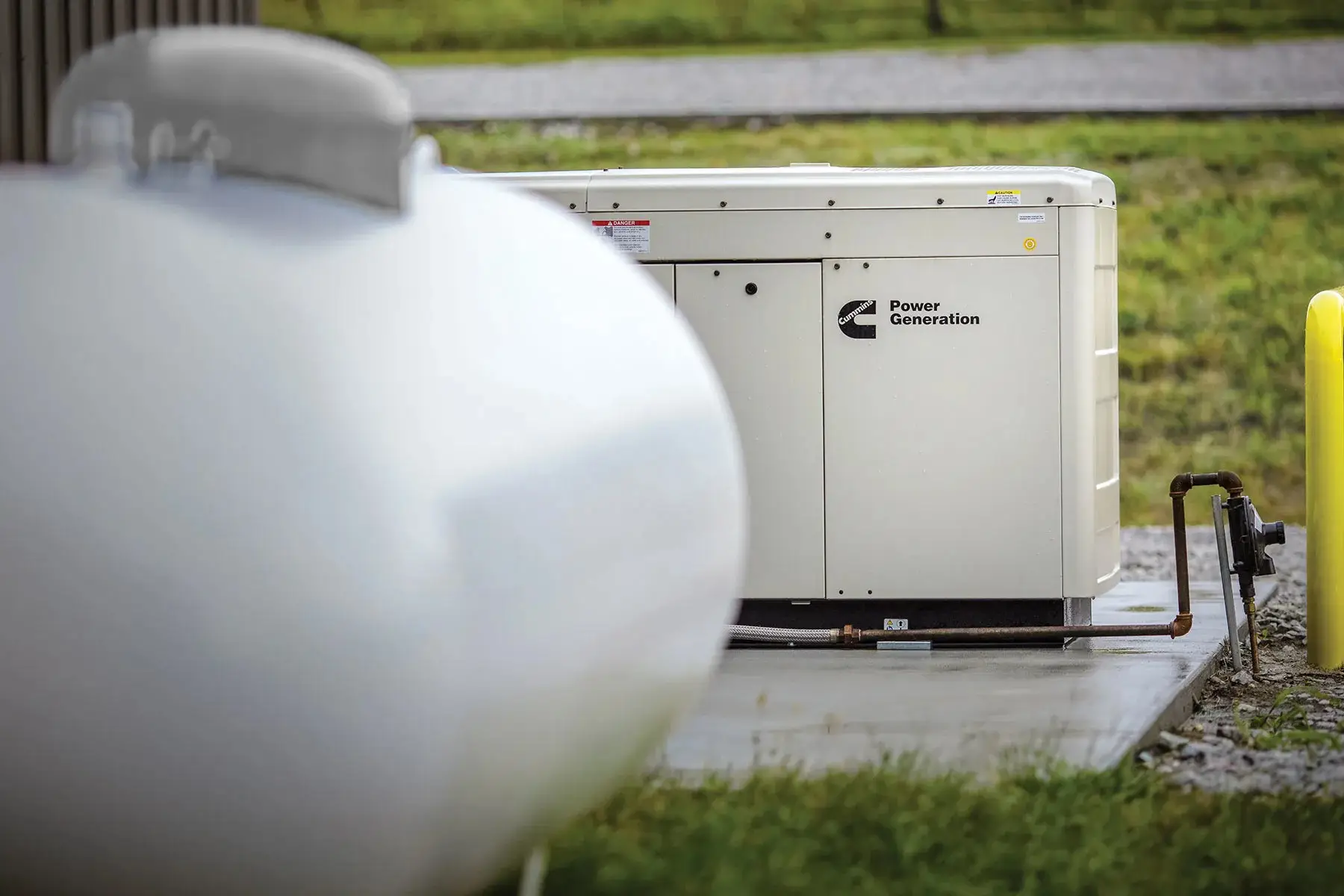
A propane furnace still needs electricity to heat most modern homes. Propane fires the burner, but electric power runs the thermostat, ignition system, safety controls, draft inducer, and blower that moves warm air through the ducts. A backup generator restores that electrical support when the grid fails. With the right transfer switch, generator capacity, fuel supply, and installation, the furnace can restart and protect the home from cold rooms and frozen pipes. The two systems perform different jobs. The furnace converts propane into heat, while the generator produces the electricity needed to control and distribute that heat.

How Backup Generators and Propane Furnaces Work Together During an Outage | LP Propane

How Do the Generator and Furnace Work Together?

Furnace Power

A modern propane furnace cannot normally operate from propane alone. Electricity powers the circuit board, thermostat connection, electronic ignition, inducer motor, safety switches, and indoor blower.

Outage Detection

A permanently installed standby system monitors utility power through an automatic transfer switch. When grid power fails, the switch signals the generator to start and prepares the home for backup electricity.

Generator Startup

The generator engine burns propane or another approved fuel to turn an alternator and produce electricity. Some propane standby systems can begin supplying backup power in as little as about 10 seconds after an outage.

Transfer Switch

The transfer switch disconnects the home from the utility grid before connecting selected circuits to the generator. This isolation prevents dangerous backfeed and allows the furnace circuit to receive backup power safely.

Heating Cycle

Once power reaches the furnace, the thermostat calls for heat. The furnace checks its safety sequence, starts the inducer, opens the gas valve, lights the burner, and then starts the blower.

Grid Return

When stable utility power returns, an automatic transfer switch moves the home back to the grid. The generator then cools down and stops, while the furnace continues operating on normal utility power.

When the grid goes down, the heat stays on

How Should You Size the Generator for a Propane Furnace?

Furnace Load

Read the furnace nameplate, blower motor label, installation manual, or electrical circuit rating. Heating capacity may appear in Btu per hour, but generator sizing depends on volts, amps, watts, and motor starting demand.

Starting Watts

Motors can draw more power when they start than while they run. One manufacturer’s planning guide lists a half-horsepower furnace fan at about 800 running watts plus 2,350 additional starting watts, though actual equipment varies.

Essential Circuits

A furnace is rarely the only outage load. Add the refrigerator, sump pump, well pump, lights, medical devices, internet equipment, and other circuits expected to operate at the same time.

Generator Capacity

A generator should have enough capacity for the planned running load and the largest likely starting surge. An electrician or generator dealer can perform a load calculation rather than relying on home size alone.

Fuel Demand

When the generator also burns propane, calculate its fuel demand separately from the furnace. During cold weather, both systems may run together for long periods, increasing the draw from the tank and regulator.

Load Management

Load-management controls delay or disconnect lower-priority equipment when demand approaches generator capacity. This can keep the furnace operating while postponing loads such as electric water heating, vehicle charging, or air conditioning.

What Safety Rules Apply During an Outage?

Outdoor Placement

A portable generator must operate outside, at least 20 feet from the home, with exhaust directed away from doors, windows, vents, and other openings. An open garage door does not make indoor generators safe.

Transfer Protection

Never connect a generator to household wiring through a wall outlet or improvised cord. A listed manual or automatic transfer switch isolates the building from utility lines and can supply hardwired equipment such as a furnace.

CO Alarms

Carbon monoxide is a colorless, odorless, poisonous gas. Install and maintain working CO alarms, and never ignore an alarm or symptoms such as headache, dizziness, nausea, weakness, or confusion.

Fuel Supply

The propane tank, regulator, and gas piping must meet the combined demand of connected appliances. Low pressure, undersized piping, cold weather, or a low tank level can prevent the generator or furnace from operating correctly.

Professional Setup

A licensed electrician should handle transfer equipment and furnace circuit connections. A qualified propane professional should size the tank, regulators, and piping, then test the gas system for correct pressure and leaks.

Routine Testing

Test the standby system on the schedule listed in its manual and service it before severe-weather season. Check the furnace, generator, transfer switch, battery, vents, alarms, and propane level before an outage occurs.

Can a Generator and Furnace Use the Same Propane Tank?

A propane standby generator and propane furnace can often share one storage tank when the full fuel system is designed for their combined demand. The tank does not send electricity to the furnace; it supplies propane separately to the furnace burner and the generator engine. The propane professional must account for the maximum input of the generator, furnace, and other appliances that may operate together. Tank size, vaporization capacity, regulator stages, pipe diameter, pipe length, fittings, outdoor temperature, and fuel level affect how much gas reaches each appliance. A setup that works during mild weather may struggle during a freezing outage because cold temperatures and low tank levels can reduce available propane pressure. Do not add a tee, replace a regulator, or connect a portable generator to household propane piping without approved equipment and professional sizing.

How Should You Prepare Before a Winter Outage?

Start by identifying which circuits the generator will support. Confirm that the furnace circuit is included, clearly labeled, and tested through the transfer switch. Run a planned outage test with a qualified installer so you can watch the generator start, the transfer occur, and the furnace complete a heating cycle. Check the propane level before storm season and arrange delivery well before severe weather arrives. Fuel planning should include the generator, furnace, water heater, range, fireplace, and any other propane appliances that may operate during the outage. Keep furnace returns, supply registers, combustion-air openings, and exterior vents clear of snow and debris. Test smoke and carbon-monoxide alarms, replace weak generator batteries, and keep the generator service area open without enclosing the unit.

How Do You Build a Reliable Backup Heating Plan?

A reliable plan starts with a professional electrical load calculation and propane-demand review. Record the furnace requirements, generator output, transfer-switch type, propane tank capacity, expected fuel use, supplier contact, service dates, and shutdown instructions. Decide which loads receive priority before the power fails. Heating, refrigeration, a sump pump, a well pump, and medical equipment may matter more than an electric range, clothes dryer, or vehicle charger. Clear priorities prevent overloads and help stored propane last longer. Backup generators and propane furnaces work well together because each system performs a separate job. Propane creates the heat, while the generator supplies the electricity that controls and circulates it. Test the complete setup before winter so the next outage triggers a planned response instead of a cold-weather emergency.

BLAZING BLOGS

State Fair Giveaway

$500 Worth of Propane

Be one of the first 200 New Customers to sign-up until September 15th to get $500 worth of propane, FREE! You’ll also get 1 year free tank rental when you switch!

JOIN THE IGNITE PROGRAM

NEW CUSTOMER? Fill out the New Customer Application to join IGNITE.

Save $0.05 Per Gallon with the IGNITE Program Learn more!

This field is for validation purposes and should be left unchanged.
Name(Required)
Service Address(Required)
AAP Agreement(Required)
You will be contacted by a Customer Service Representative to obtain your credit card information.
Terms of Service(Required)

LP Propane Ignite Program – Terms and Conditions

1. Eligibility and Program Requirements
To qualify for and maintain enrollment in the LP Propane Ignite Program and receive the $0.05 per gallon fuel discount, the Customer must simultaneously enroll in and maintain active status in the following three core services:

Auto Fill Delivery: The Customer authorizes LP Propane to automatically monitor, schedule, and deliver propane to the designated tank when levels dictate, bypassing the standard Will Call scheduling requirements.

Auto Pay: The Customer must maintain a valid, authorized payment method on file (Credit Card, Debit Card, or ACH/Direct Draft). Invoices will be automatically drafted within 7 days after the delivery.

Paperless Billing: The Customer agrees to receive all invoices, statements, and program communications via email. Opting out of online billing or requesting paper statements will result in a $4.95 monthly fee and disqualification from the program.

2. Fuel Discount Terms

The $0.05 per gallon discount applies exclusively to the standard market rate of propane at the exact time of delivery.

The discount is applied automatically on invoice.

This discount cannot be combined with specific commercial contract pricing or volume discounts unless expressly authorized in writing by LP Propane.

3. Tank Monitoring and Delivery Access

LP Propane may utilize physical tank monitors or advanced usage-tracking algorithms to schedule deliveries.

Access Requirements: The Customer must ensure the propane tank is always completely accessible to delivery personnel and vehicles. The pathway must be free of obstacles, locked gates, debris, or unrestrained animals within a 100-foot radius.

Seasonal Maintenance: During winter months, the Customer is legally responsible for clearing snow, ice, and paths leading to the tank. If a delivery vehicle cannot safely access the tank, the delivery will be delayed, and any emergency filling fees incurred due to subsequent low fuel levels will be billed to the Customer.

4. Credit Status and Payment Failures

If an Auto Pay transaction is declined or fails for any reason (e.g., expired card, insufficient funds), the Customer must update their account billing details immediately. If the transaction remains unprocessed for 30 days despite attempts by LP Propane to contact the Customer, the account will be automatically unenrolled from the program.

If an account balance becomes past due, LP Propane reserves the right to suspend Auto Fill privileges, pause the $0.05 per gallon discount, and transition the account to a "Will Call / Cash on Delivery" basis until the account is brought current and after review and approval of LP Propane’s credit department.

5. Program Termination or Changes

Customer Termination: Removing any of the mandatory components (Auto Fill, Auto Pay, or Paperless Billing) constitutes voluntary termination from the program. If you would like to opt out of the Ignite program you must submit 30 day written notice

Company Modifications: LP Propane reserves the right to alter, modify, or terminate the Ignite Program framework, including discount amounts or underlying eligibility terms.

MM slash DD slash YYYY