
Can You Install a Fence Around a Propane Tank?
Can You Install a Fence Around a Propane Tank? A propane tank can interrupt the look of a landscaped yard, especially when it sits near a patio or driveway. A fence may seem like an easy way to hide it,
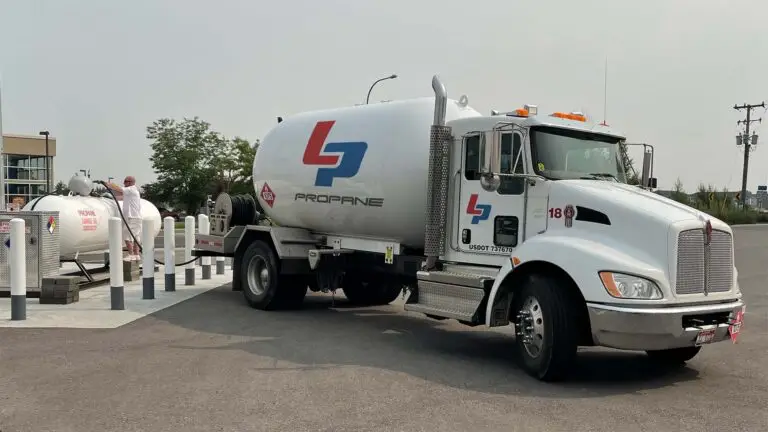
Buying propane in bulk can be cheaper in 2026, especially for homeowners and businesses that use large amounts of fuel throughout the year. However, a lower price per gallon does not always mean a lower total bill. Delivery fees, storage capacity, seasonal demand, and supplier pricing can all affect how much you actually save. In October 2026, the average U.S. residential propane price was approximately $2.60 per gallon, although actual prices varied significantly by location. Purchasing larger quantities may help reduce per-gallon costs because suppliers can deliver more fuel in fewer trips. For households using propane for heating, cooking, or water heaters, bulk purchasing may provide better control over yearly fuel expenses. However, the savings depend on when you buy, how much propane you need, and whether your storage tank can safely accommodate a larger delivery. Understanding bulk propane pricing can help you decide whether purchasing more fuel at once is worth the upfront investment.

Propane suppliers may offer lower per-gallon rates when customers purchase larger quantities. For example, buying 400 gallons at $2.20 per gallon costs $880, while the same quantity at $2.50 costs $1,000. That creates a potential saving of $120.
Each propane delivery involves transportation, labor, and equipment expenses. Ordering larger quantities reduces the number of deliveries needed throughout the year. Suppliers may pass some of these savings to customers through lower rates or fewer delivery charges.
Some propane suppliers offer pricing tiers based on delivery quantity. A customer ordering 500 gallons may receive a better rate than someone ordering 100 gallons. However, minimum delivery requirements and discount thresholds vary between suppliers.
Small, frequent propane purchases can increase the risk of running low during periods of heavy demand. Larger planned deliveries help maintain adequate fuel reserves. This may also reduce the need for urgent deliveries, which can involve additional service charges.
Buying more propane at a known price can make heating expenses easier to estimate. For example, purchasing 600 gallons at $2.30 per gallon creates a fuel expense of $1,380 before additional charges. Households can use this information to plan their energy budgets.
Propane demand generally increases during colder months because more households use it for heating. Purchasing fuel when local demand is lower may provide better pricing opportunities. However, summer prices are not guaranteed to be lower every year.
U.S. residential propane averaged approximately $2.60 per gallon during the week of October 5, 2026. This is a national benchmark, not a guaranteed bulk delivery rate. Actual quotes vary by state, supplier, tank ownership, and delivery size.
Propane demand rises during winter because heating systems consume more fuel. Increased demand can place pressure on available supplies and delivery capacity. Ordering before peak heating periods may help homeowners avoid some seasonal price increases.
Propane comes mainly from natural gas processing and crude oil refining. When production and stored inventories are high, additional supply can help limit price increases. Low inventories or unexpected demand may cause prices to rise quickly.
Transportation expenses affect propane prices across the United States. Customers living far from storage terminals or distribution centers may pay more per gallon. Remote locations can also face higher delivery fees, particularly when suppliers travel long distances for small orders.
Larger tanks allow customers to receive more propane during a single delivery. A 500-gallon residential tank typically holds approximately 400 gallons when filled to 80% capacity. This storage capacity can help homeowners qualify for larger delivery quantities.
Propane suppliers may offer different rates based on customer agreements, delivery volume, and payment terms. Some provide fixed-price contracts or budget plans, while others charge market-based rates. Comparing the complete delivered cost helps identify the better offer.
Request propane prices from several local suppliers before placing a large order. Ask each provider for the price per gallon, minimum delivery quantity, and additional charges. Comparing identical delivery volumes makes it easier to identify actual savings.
Purchasing propane before the heating season may help avoid periods of high demand. Spring and summer sometimes offer favorable buying opportunities, but prices can still fluctuate. Compare current quotes against recent local prices rather than assuming one season is always cheapest.
A properly sized propane tank allows larger deliveries without unnecessary storage expenses. For example, a household using 800 gallons annually may benefit from a 500-gallon tank, depending on its refill schedule and seasonal consumption.
Some propane suppliers charge additional fees for small deliveries, tank rental, fuel surcharges, or special scheduling. These expenses can reduce bulk purchasing savings. Request a complete price breakdown before comparing offers.
A fixed-price propane agreement may protect customers against certain market increases during a specified period. However, it can also prevent them from benefiting if market prices fall. Review contract length, minimum purchases, fees, and cancellation terms before signing.
Tracking propane usage helps homeowners estimate how much fuel they need each year. Review previous delivery records and identify high-consumption months. Accurate estimates reduce unnecessary purchases and help prevent emergency refills during winter.
Buying propane in bulk is worth the upfront cost when the total savings exceed additional storage, financing, and delivery expenses. For example, purchasing 500 gallons at $2.20 per gallon costs $1,100, while the same amount at $2.50 costs $1,250. That represents a potential saving of $150 before fees. However, bulk purchases require sufficient storage capacity and available funds. A household with a small tank may need a larger installation to accept bigger deliveries. Tank purchases, rental charges, and installation expenses can reduce the financial benefits. Homeowners should also remember that propane tanks are generally filled to about 80% of their water capacity to allow room for liquid expansion. Therefore, a 500-gallon tank cannot receive 500 gallons when empty. If the tank already contains 100 gallons, it may only accept approximately 300 additional gallons at a typical maximum fill level. Before buying, calculate the delivered price per gallon and compare it with your expected annual propane usage. Bulk buying makes the most financial sense when you regularly consume enough fuel to benefit from lower delivery rates.
Bulk propane purchases are generally cheaper per gallon when suppliers offer volume discounts or reduced delivery costs. However, smaller purchases may be more practical for households with limited storage, low fuel consumption, or tight monthly budgets. For example, suppose a household needs 800 gallons of propane annually. Buying eight separate 100-gallon deliveries at $2.60 per gallon costs $2,080. Purchasing the same total quantity through two 400-gallon deliveries at $2.30 per gallon costs $1,840. The larger-delivery approach saves $240 before any additional charges. The difference becomes more significant for businesses and homeowners with high yearly propane demand. Restaurants, farms, and commercial facilities may use hundreds or thousands of gallons annually, making even small per-gallon discounts valuable. However, buying more propane than you need does not automatically save money. Consider tank capacity, actual consumption, contract terms, and whether the bulk rate is genuinely lower than smaller delivery options.
Buying propane in bulk can be a cost-effective choice in 2026, particularly for households and businesses with consistent fuel consumption. Larger deliveries often provide lower per-gallon prices, fewer transportation charges, and more predictable fuel expenses. However, actual savings depend on local propane prices, seasonal demand, storage capacity, supplier fees, and purchasing agreements. A bulk order is only beneficial when its total cost is lower than alternative delivery arrangements. Before making a purchase, review your previous propane usage, compare local supplier quotes, and calculate the complete delivered price. Consider buying ahead of peak winter demand when market conditions make it worthwhile. The smartest way to save on propane in 2026 is to buy the right quantity at a competitive delivered price, rather than simply buying the largest amount available.
Can You Install a Fence Around a Propane Tank? A propane tank can interrupt the look of a landscaped yard, especially when it sits near a patio or driveway. A fence may seem like an easy way to hide it,
What Should You Know Before Landscaping Around an Underground Propane Tank? An underground propane tank keeps most equipment out of sight, but the ground above it still needs careful planning. A new flower bed, retaining wall, or irrigation trench can
Be one of the first 200 New Customers to sign-up until September 15th to get $500 worth of propane, FREE! You’ll also get 1 year free tank rental when you switch!
NEW CUSTOMER? Fill out the New Customer Application to join IGNITE.
Save $0.05 Per Gallon with the IGNITE Program Learn more!