How Often Should a Propane Tank Be Inspected?

A propane tank should not be treated as a “fill it and forget it” part of your home. Whether the tank sits above ground or underground, regular inspections help identify corrosion, damaged fittings, leaks, regulator problems, and other conditions before they affect the propane system. For homeowners, there is no single inspection interval that applies to every tank and every type of inspection. Inspection and testing requirements depend on whether the container is an ASME stationary tank or a DOT cylinder, how it is installed, its condition, local rules, and the type of test being performed. Underground tanks also need special attention because soil and moisture can contribute to corrosion. The practical approach is to visually check your tank throughout the year and have qualified propane professionals perform required safety checks and testing at the intervals that apply to your system.

Overview

  • Visually check your propane tank every few months for damage or corrosion.
  • Professional inspection needs vary by tank type and local requirements.
  • Underground tanks need added attention to corrosion and cathodic protection.
  • Inspect the system after flooding, storms, impact, or major property work.
  • Gas odors, damaged valves, or heavy rust require immediate professional attention.
How Often Should a Propane Tank Be Inspected? | LP Propane

How Often Should You Inspect a Propane Tank?

Check It Regularly

A quick visual check every few months is a practical habit for residential tanks. Look for visible rust, dents, damaged piping, unusual odors, loose components, vegetation, or anything that has changed around the tank. This homeowner check does not replace a professional inspection, but it can help catch obvious problems between service visits.

Check During Deliveries

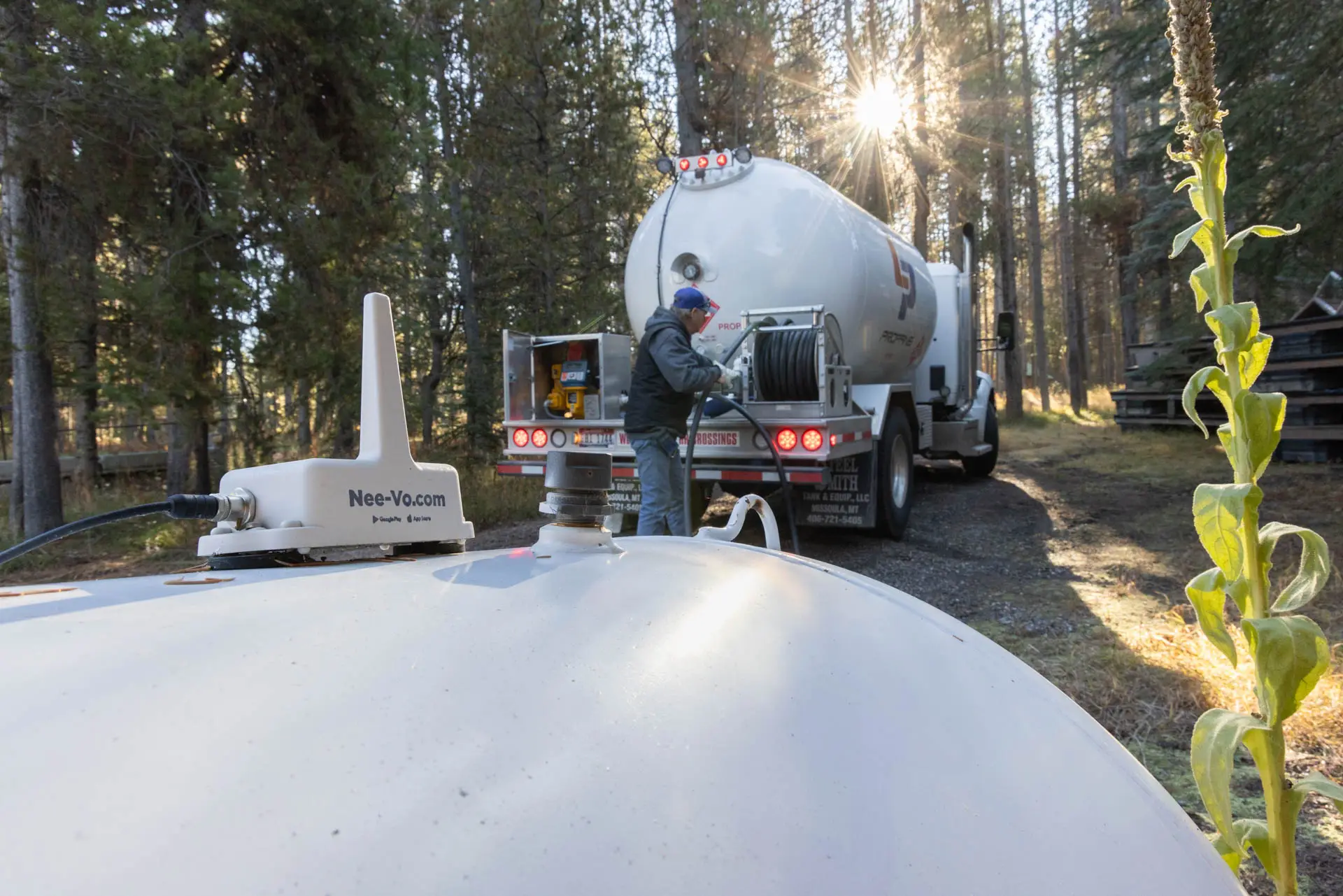
Propane deliveries create another opportunity to notice problems around the tank. The delivery area, fill connection, tank surface, and surrounding conditions can reveal damage or maintenance needs. Do not rely on deliveries as your only inspection schedule. Delivery frequency varies significantly between households and seasons.

Follow Tank Requirements

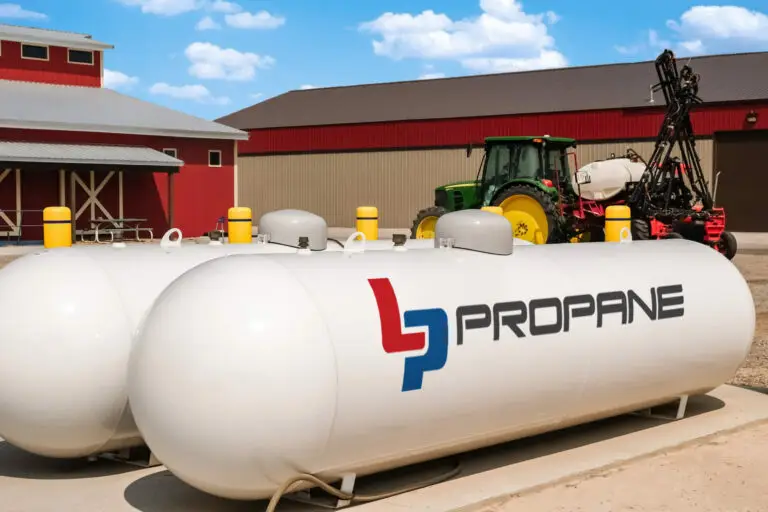
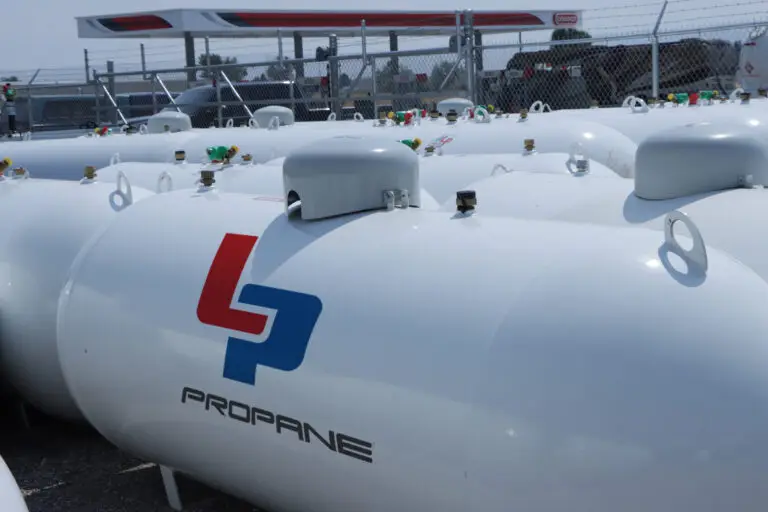
Large stationary residential propane tanks are commonly built to ASME standards, while smaller portable cylinders are commonly regulated as DOT containers. The inspection and qualification requirements for these containers are different. Identify which type you own before assuming a testing schedule applies to your tank.

Inspect After Damage

Do not wait for a routine inspection if the propane system has been damaged. Construction equipment, falling trees, vehicles, excavation, flooding, fire, or severe weather can affect the tank, regulator, or gas lines. Arrange an evaluation before returning a damaged system to normal service.

Check Buried Tanks

Underground propane tanks require additional attention because most of the steel container cannot be visually inspected without excavation. Protective coatings and cathodic protection help control corrosion below ground. Cathodic-protection testing should follow applicable code, installation, and professional service requirements.

Follow Local Rules

Propane requirements can vary by jurisdiction. Local fire, building, mechanical, or gas codes may affect inspection, installation, and maintenance responsibilities. A qualified propane professional can identify the requirements that apply to your tank and property.

Routine tank checks keep your propane system safer

What Should a Propane Tank Inspection Include?

Tank Surface

Above-ground tanks should be checked for significant rust, deep corrosion, dents, gouges, fire damage, and other physical deterioration. Minor surface discoloration and serious metal loss are not the same issue. A professional can determine whether corrosion affects the tank’s safe condition.

Valves and Fittings

Fill valves, service valves, relief devices, gauges, and fittings should remain protected and in serviceable condition. Do not attempt to tighten, remove, or repair propane tank valves yourself. These components are part of a pressurized fuel system.

Regulator Condition

The regulator controls propane pressure before gas reaches household appliances. Damage, contamination, blocked vents, improper positioning, or age can interfere with its operation. Regulators should be inspected and serviced according to their manufacturer requirements and applicable codes.

Gas Lines

Visible piping should be checked for corrosion, impact damage, loose supports, or other deterioration. Buried lines require protection from excavation and landscaping work. Call 811 before digging so underground utilities can be located as required in your area.

Tank Foundation

An above-ground tank needs stable support. Settling, soil erosion, flooding, or movement can place stress on piping and connections. Check whether the tank appears level and whether its supporting surface has noticeably shifted or deteriorated.

Safety Clearances

Changes around the property can create new problems even when the tank itself has not moved. New sheds, fences, additions, air-conditioning equipment, vegetation, or ignition sources may affect access or required clearances. Keep the tank accessible for filling, inspection, and emergency service.

When Does a Propane Tank Need Special Testing?

DOT Cylinders

Portable propane cylinders used for grills and similar applications generally fall under U.S. Department of Transportation requirements. These cylinders require periodic requalification before they can continue to be filled after the qualification period expires. The exact interval depends on the requalification method and current federal requirements.

ASME Tanks

Large stationary residential propane tanks are often ASME containers. They are constructed and managed under different requirements from portable DOT cylinders and do not simply follow the same cylinder requalification schedule. The tank’s data plate can help a propane professional identify its construction standard.

Underground Tanks

Buried steel tanks need corrosion-control measures because soil and moisture create conditions that can attack exposed steel. Cathodic protection commonly uses sacrificial anodes to protect the tank. Testing helps determine whether that protection continues to perform as intended.

Older Tanks

Tank age alone does not tell you whether a stationary propane tank must be replaced. Installation history, corrosion, physical condition, maintenance, and applicable requirements also matter. An older tank in sound condition may present a very different situation from a newer tank with serious corrosion or physical damage.

Refilled Systems

If a propane system has been out of service or the fuel supply has been interrupted, additional safety procedures may be required before normal operation resumes. Do not assume that simply refilling an empty tank automatically makes the entire system ready to use.

Changed Systems

Adding a propane appliance changes the total demand placed on the system. A new generator, furnace, water heater, range, or fireplace may require review of tank capacity, regulators, and piping. Have the system checked before connecting major additional loads.

What Are the Warning Signs of Propane Tank Problems?

A strong propane odor is one of the most recognizable warning signs of a possible leak. Propane is naturally odorless, so an odorant is added to help people detect escaping gas. If you smell propane, avoid flames, electrical switches, and other possible ignition sources. Leave the area and contact the propane supplier or emergency services from a safe location. Visible tank damage also deserves attention. Deep rust, severe corrosion, dents, damaged valves, leaning tanks, exposed underground piping, or disturbed soil near buried lines should not be ignored. Changes in appliance operation can also point to a fuel-supply problem, although they can have other causes. Unusual burner behavior or repeated loss of service should be checked by a qualified technician rather than diagnosed through DIY adjustments.

How Do You Maintain a Propane Tank Between Inspections?

Keep the area around an above-ground tank clear enough for delivery and service access. Do not pile firewood, construction materials, trash, or other items against the container. Avoid striking the tank with lawn equipment, vehicles, or landscaping machinery. For underground tanks, keep the service dome accessible and visible. Do not permanently cover it with soil, paving, heavy planters, or structures. Be especially careful when digging, installing fences, planting trees, or changing landscaping near buried propane lines. Homeowners should also avoid painting an above-ground propane tank a very dark color without checking applicable requirements. Light, heat-reflective finishes are commonly used because propane expands as its temperature rises.

Who Should Inspect a Residential Propane Tank?

Homeowners can perform basic visual observations, but technical inspections should be handled by qualified propane professionals. A trained technician can evaluate components and conditions that are difficult to judge from appearance alone, including regulators, pressure, fittings, leak conditions, corrosion protection, and system configuration. Ask what the inspection includes before scheduling service. A tank-only visual check is different from an evaluation of the complete propane system from storage through piping and appliance connections. Keep records of professional inspections, repairs, tank installation information, and cathodic-protection testing where applicable. These records make it easier to track changes over time and provide useful information when the property or propane supplier changes.

BLAZING BLOGS

State Fair Giveaway

$500 Worth of Propane

Be one of the first 200 New Customers to sign-up until September 15th to get $500 worth of propane, FREE! You’ll also get 1 year free tank rental when you switch!

JOIN THE IGNITE PROGRAM

NEW CUSTOMER? Fill out the New Customer Application to join IGNITE.

Save $0.05 Per Gallon with the IGNITE Program Learn more!

This field is for validation purposes and should be left unchanged.
Name(Required)
Service Address(Required)
AAP Agreement(Required)
You will be contacted by a Customer Service Representative to obtain your credit card information.
Terms of Service(Required)

LP Propane Ignite Program – Terms and Conditions

1. Eligibility and Program Requirements
To qualify for and maintain enrollment in the LP Propane Ignite Program and receive the $0.05 per gallon fuel discount, the Customer must simultaneously enroll in and maintain active status in the following three core services:

Auto Fill Delivery: The Customer authorizes LP Propane to automatically monitor, schedule, and deliver propane to the designated tank when levels dictate, bypassing the standard Will Call scheduling requirements.

Auto Pay: The Customer must maintain a valid, authorized payment method on file (Credit Card, Debit Card, or ACH/Direct Draft). Invoices will be automatically drafted within 7 days after the delivery.

Paperless Billing: The Customer agrees to receive all invoices, statements, and program communications via email. Opting out of online billing or requesting paper statements will result in a $4.95 monthly fee and disqualification from the program.

2. Fuel Discount Terms

The $0.05 per gallon discount applies exclusively to the standard market rate of propane at the exact time of delivery.

The discount is applied automatically on invoice.

This discount cannot be combined with specific commercial contract pricing or volume discounts unless expressly authorized in writing by LP Propane.

3. Tank Monitoring and Delivery Access

LP Propane may utilize physical tank monitors or advanced usage-tracking algorithms to schedule deliveries.

Access Requirements: The Customer must ensure the propane tank is always completely accessible to delivery personnel and vehicles. The pathway must be free of obstacles, locked gates, debris, or unrestrained animals within a 100-foot radius.

Seasonal Maintenance: During winter months, the Customer is legally responsible for clearing snow, ice, and paths leading to the tank. If a delivery vehicle cannot safely access the tank, the delivery will be delayed, and any emergency filling fees incurred due to subsequent low fuel levels will be billed to the Customer.

4. Credit Status and Payment Failures

If an Auto Pay transaction is declined or fails for any reason (e.g., expired card, insufficient funds), the Customer must update their account billing details immediately. If the transaction remains unprocessed for 30 days despite attempts by LP Propane to contact the Customer, the account will be automatically unenrolled from the program.

If an account balance becomes past due, LP Propane reserves the right to suspend Auto Fill privileges, pause the $0.05 per gallon discount, and transition the account to a "Will Call / Cash on Delivery" basis until the account is brought current and after review and approval of LP Propane’s credit department.

5. Program Termination or Changes

Customer Termination: Removing any of the mandatory components (Auto Fill, Auto Pay, or Paperless Billing) constitutes voluntary termination from the program. If you would like to opt out of the Ignite program you must submit 30 day written notice

Company Modifications: LP Propane reserves the right to alter, modify, or terminate the Ignite Program framework, including discount amounts or underlying eligibility terms.

MM slash DD slash YYYY