How to Maintain and Install an Underground Propane Tank

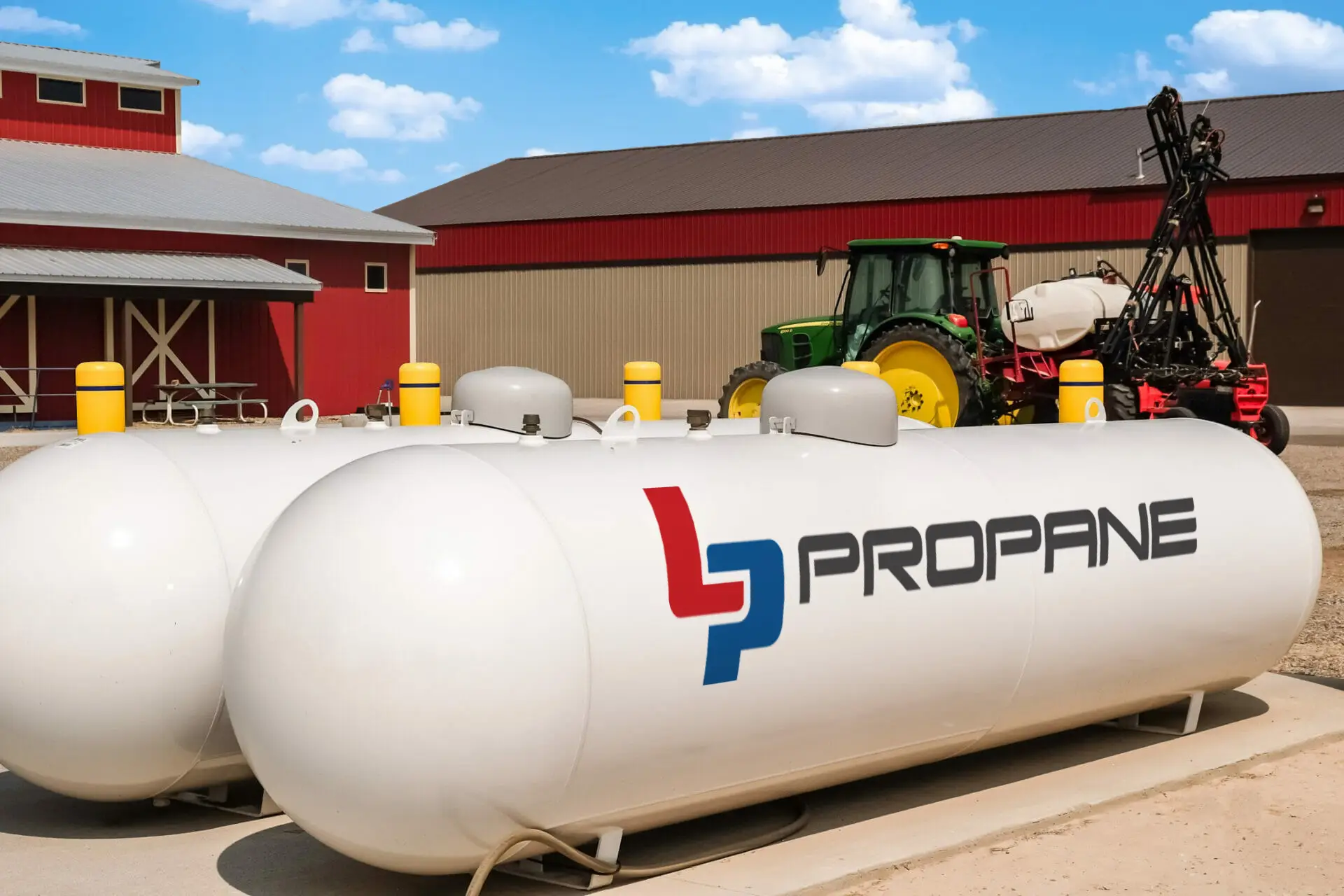
An underground propane tank gives homeowners the benefits of propane storage without leaving a large tank visible in the yard. Most of the tank sits below ground, while the protective dome remains accessible for filling, inspection, and service. However, burying a propane tank adds requirements that do not apply in the same way to an above-ground installation. The excavation must be correctly sized, the tank needs protection against soil corrosion, and its location must meet applicable safety clearances. Drainage, backfill, regulators, gas lines, and future access also need attention. Once installed, the tank still requires regular inspection even though most of it cannot be seen. Understanding the installation and maintenance process can help you avoid corrosion problems, unsafe placement, difficult repairs, and unnecessary excavation later.

Overview

  • Underground propane tanks save yard space and stay mostly hidden.
  • Proper placement, excavation, piping, and corrosion protection are essential.
  • Cathodic protection helps protect buried steel tanks from corrosion.
  • Keep the tank dome accessible for inspections, filling, and maintenance.
  • Professional inspections help identify leaks, corrosion, and equipment problems early.
How to Maintain and Install an Underground Propane Tank | LP Propane

How Do You Install an Underground Propane Tank?

Choose the Tank Size

Start by estimating how much propane the household will use. A home using propane only for cooking needs far less storage than a property using it for space heating, water heating, cooking, and a generator. A 500-gallon tank is commonly used for residential whole-home applications. Larger homes or properties with several high-demand appliances may require more capacity.

Select the Location

The tank location must satisfy applicable separation requirements for buildings, property lines, ignition sources, and other site features. Local rules can also affect placement. The site should also remain accessible to the propane delivery truck. A beautiful hidden location becomes impractical if the delivery hose cannot reasonably reach it.

Prepare the Excavation

The excavation must provide enough room for the tank and the specified bedding and backfill. Exact dimensions depend on tank size, manufacturer instructions, soil conditions, and local requirements. The bottom should provide stable support without rocks or sharp objects pressing against the tank’s protective coating.

Set the Tank

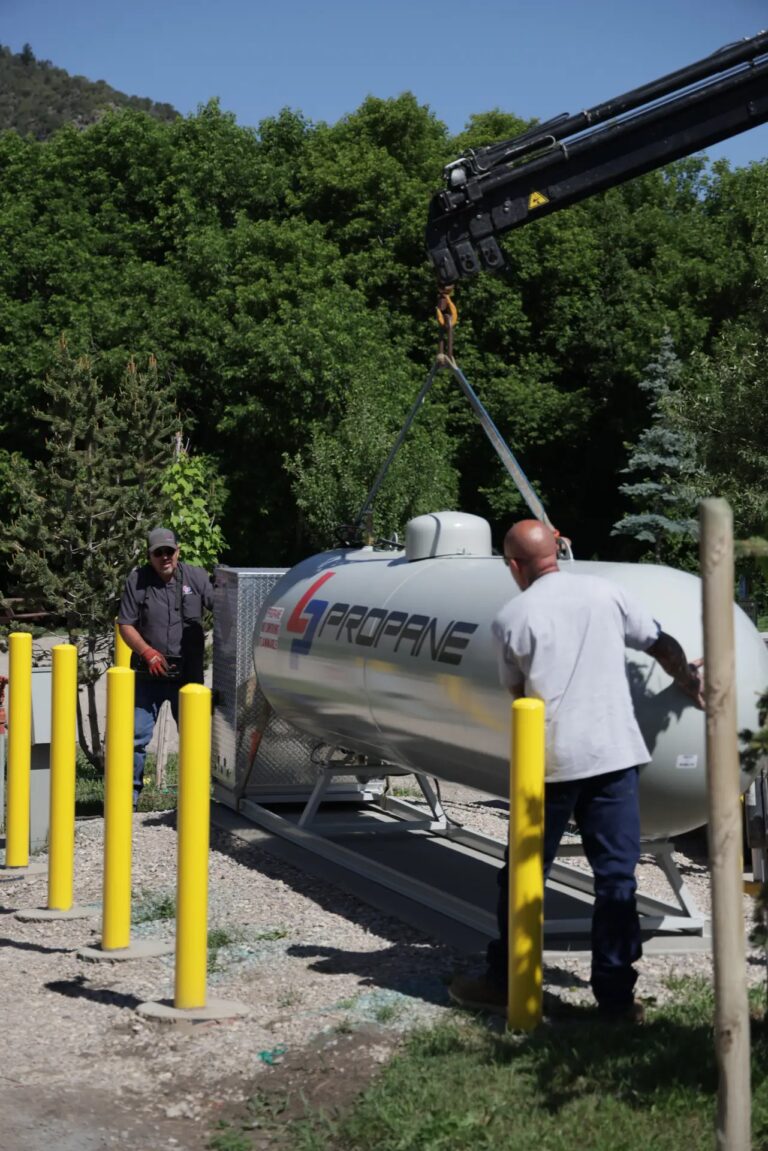
The tank is lowered into the excavation using appropriate lifting equipment. Underground propane tanks are heavy, so this is professional installation work rather than a typical homeowner DIY project. The tank must sit correctly and remain stable. The service dome stays above or accessible from ground level so valves, fittings, and filling connections can be reached.

Connect the Gas Line

A buried gas line carries propane from the tank to the house. Its size depends on distance, pressure, total Btu demand, and the appliances connected to the system. The line should follow approved burial, material, protection, and testing requirements. Future appliance additions should also be considered during sizing.

Test the System

Before propane appliances operate, the completed system needs appropriate pressure and leak testing. Regulators, valves, piping, and appliance connections should be checked. Required permits and inspections should also be completed before the excavation and installation are considered finished.

Rising demand and tight supply push propane higher

What Does an Underground Propane Tank Installation Require?

Approved Underground Tank

Not every propane tank should be buried. Underground tanks are designed and coated for contact with soil and must meet applicable tank specifications. Never assume that an ordinary above-ground propane tank can simply be buried to hide it from view.

Protective Coating

Moist soil can promote corrosion when bare metal is exposed. Underground tanks therefore have protective exterior coatings designed to separate the steel surface from surrounding soil. Damage to this coating during transportation or installation should be addressed before the tank is buried.

Corrosion Protection

Underground steel propane tanks generally use cathodic protection to reduce corrosion. A sacrificial anode is commonly connected to the tank so the anode corrodes preferentially instead of the tank steel. Cathodic protection is not a one-time detail. Its performance needs to be checked at required intervals.

Correct Backfill

Backfill surrounding the tank should not contain materials likely to damage the protective coating. Sharp rocks, construction debris, and unsuitable fill can scrape or puncture the coating. The installation instructions and local requirements determine what material should surround the tank.

Accessible Dome

The protective dome provides access to components such as valves, gauges, and filling connections. It should remain accessible rather than being permanently buried under soil or landscaping. Avoid placing structures, heavy objects, or landscaping features where they prevent service technicians from reaching the dome.

Proper Regulators

Propane pressure must be reduced and controlled before fuel reaches household appliances. Regulators perform this job and must be sized for the system’s total demand. Regulator placement and venting must also follow applicable safety requirements and manufacturer instructions.

How Do You Maintain an Underground Propane Tank?

Inspect the Dome

Look around the exposed dome periodically for standing water, dirt, insects, plant growth, or physical damage. The lid should protect the components while still allowing proper access. Do not intentionally cover the dome with soil, mulch, permanent landscaping, or heavy decorative objects.

Check for Corrosion

Because the tank body is underground, corrosion may not be visible during a normal homeowner inspection. That makes the corrosion-protection system especially important. Qualified technicians can test cathodic protection and identify whether the tank is receiving adequate protection against soil-related corrosion.

Protect the Coating

The tank’s exterior coating forms an important barrier between the steel and soil. Damage can create points where corrosion develops more easily. If the tank is exposed during repairs or landscaping, avoid scraping, striking, or otherwise damaging its protective surface.

Watch for Gas Odor

Propane has an odorant added so leaks can be noticed more easily. A strong propane odor around the tank or inside the home should never be ignored.Avoid flames, sparks, switches, and other possible ignition sources. Leave the affected area and follow the propane supplier’s emergency instructions from a safe location.

Maintain Clear Access

Keep the tank dome and surrounding service area accessible for deliveries, inspections, and repairs. Overgrown bushes, fencing, parked equipment, or heavy landscaping can make routine service harder. Before digging nearby, identify the location of underground gas lines to avoid accidental damage.

Schedule Professional Service

Have the propane system inspected according to applicable codes, supplier requirements, tank documentation, and local rules. Professional checks can cover regulators, valves, connections, corrosion protection, and exposed components. Service is particularly important after flooding, excavation, landscaping damage, or other events that may have disturbed the tank or piping.

How Long Does an Underground Propane Tank Last?

An underground propane tank can remain in service for decades when it is correctly installed, protected from corrosion, inspected, and maintained. Actual service life depends heavily on soil conditions, coating condition, cathodic protection, installation quality, and maintenance history. Underground steel faces a different environment from an above-ground tank because moisture and soil remain in contact with the exterior area. This is why corrosion control plays such a large role in long-term tank condition. Age alone should not determine whether a tank is safe to keep using. A qualified propane professional should evaluate tank condition and applicable inspection requirements before continued service or replacement decisions are made.

How Much Does Underground Propane Tank Installation Cost?

Underground installation generally costs more than setting a comparable tank above ground because excavation, backfill, corrosion protection, gas-line work, and site restoration add labor and materials. A residential project can cost several thousand dollars, with larger tanks and difficult sites increasing the total. The tank itself is only one part of the quote. Ask whether excavation, permits, anodes, regulators, gas piping, pressure testing, initial fuel delivery, and landscaping restoration are included. Tank ownership can also affect the upfront cost. Some homeowners purchase their tanks, while others use supplier-owned tanks under rental or fuel agreements. Compare the long-term terms as well as the initial installation price.

Is an Underground Propane Tank Better Than an Above-Ground Tank?

An underground tank is often preferred when appearance and usable yard space matter. With most of the tank hidden, only the access dome remains visible, making it easier to preserve landscaping and outdoor views. An above-ground tank, however, is easier to visually inspect and does not require excavation for installation or many types of repair. Underground tanks need added corrosion protection because their steel surfaces remain surrounded by soil. Neither option is automatically better for every property. Compare available space, soil and drainage conditions, installation cost, tank accessibility, local requirements, appearance, and future maintenance before deciding.

BLAZING BLOGS

How to Maintain and Install an Underground Propane Tank | LP Propane

How Much Propane Does a Garage Heater Use?

How Much Propane Does a Garage Heater Use? A warm garage makes winter projects more comfortable, but estimating the fuel bill takes more than checking the heater’s size. A propane garage heater rated between 40,000 and 100,000 BTU per hour

Read More »

State Fair Giveaway

$500 Worth of Propane

Be one of the first 200 New Customers to sign-up until September 15th to get $500 worth of propane, FREE! You’ll also get 1 year free tank rental when you switch!

JOIN THE IGNITE PROGRAM

NEW CUSTOMER? Fill out the New Customer Application to join IGNITE.

Save $0.05 Per Gallon with the IGNITE Program Learn more!

This field is for validation purposes and should be left unchanged.
Name(Required)
Service Address(Required)
AAP Agreement(Required)
You will be contacted by a Customer Service Representative to obtain your credit card information.
Terms of Service(Required)

LP Propane Ignite Program – Terms and Conditions

1. Eligibility and Program Requirements
To qualify for and maintain enrollment in the LP Propane Ignite Program and receive the $0.05 per gallon fuel discount, the Customer must simultaneously enroll in and maintain active status in the following three core services:

Auto Fill Delivery: The Customer authorizes LP Propane to automatically monitor, schedule, and deliver propane to the designated tank when levels dictate, bypassing the standard Will Call scheduling requirements.

Auto Pay: The Customer must maintain a valid, authorized payment method on file (Credit Card, Debit Card, or ACH/Direct Draft). Invoices will be automatically drafted within 7 days after the delivery.

Paperless Billing: The Customer agrees to receive all invoices, statements, and program communications via email. Opting out of online billing or requesting paper statements will result in a $4.95 monthly fee and disqualification from the program.

2. Fuel Discount Terms

The $0.05 per gallon discount applies exclusively to the standard market rate of propane at the exact time of delivery.

The discount is applied automatically on invoice.

This discount cannot be combined with specific commercial contract pricing or volume discounts unless expressly authorized in writing by LP Propane.

3. Tank Monitoring and Delivery Access

LP Propane may utilize physical tank monitors or advanced usage-tracking algorithms to schedule deliveries.

Access Requirements: The Customer must ensure the propane tank is always completely accessible to delivery personnel and vehicles. The pathway must be free of obstacles, locked gates, debris, or unrestrained animals within a 100-foot radius.

Seasonal Maintenance: During winter months, the Customer is legally responsible for clearing snow, ice, and paths leading to the tank. If a delivery vehicle cannot safely access the tank, the delivery will be delayed, and any emergency filling fees incurred due to subsequent low fuel levels will be billed to the Customer.

4. Credit Status and Payment Failures

If an Auto Pay transaction is declined or fails for any reason (e.g., expired card, insufficient funds), the Customer must update their account billing details immediately. If the transaction remains unprocessed for 30 days despite attempts by LP Propane to contact the Customer, the account will be automatically unenrolled from the program.

If an account balance becomes past due, LP Propane reserves the right to suspend Auto Fill privileges, pause the $0.05 per gallon discount, and transition the account to a "Will Call / Cash on Delivery" basis until the account is brought current and after review and approval of LP Propane’s credit department.

5. Program Termination or Changes

Customer Termination: Removing any of the mandatory components (Auto Fill, Auto Pay, or Paperless Billing) constitutes voluntary termination from the program. If you would like to opt out of the Ignite program you must submit 30 day written notice

Company Modifications: LP Propane reserves the right to alter, modify, or terminate the Ignite Program framework, including discount amounts or underlying eligibility terms.

MM slash DD slash YYYY