Why You Shouldn’t Refill Disposable Propane Cylinders?

Propane is a top camping, grilling, portable heater, and outdoor recreation fuel because of its efficiency, convenience, and cleanliness of burning. Disposable propane cylinders are also used for such activities as they are light and portable. However, some attempt to refill the one-time use cylinders instead of getting rid of them properly, an illegal and unsafe practice that can have ghastly safety repercussions. Refilling disposable propane cylinders seems like a money-saving routine and waste-cutting behavior, but the risks of refilling are greater than the benefits. Disposable cylinders are not designed to be filled up and might leak, weaken with age, and be an explosion and fire hazard. LP Propane firms advocate for safe handling and proper disposal of propane in order to protect consumers when they use propane products. This article illustrates the dangers of refilling disposable propane cylinders, why disposable propane cylinders must not be refilled, and the safe alternative to propane users.

Why You Shouldn't Refill Disposable Propane Cylinders? | LP Propane

The Dangers of Refilling Disposable Propane Cylinders

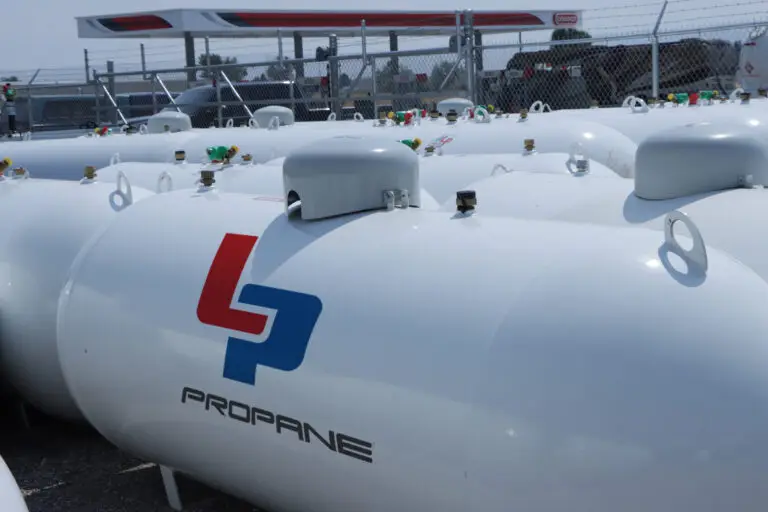
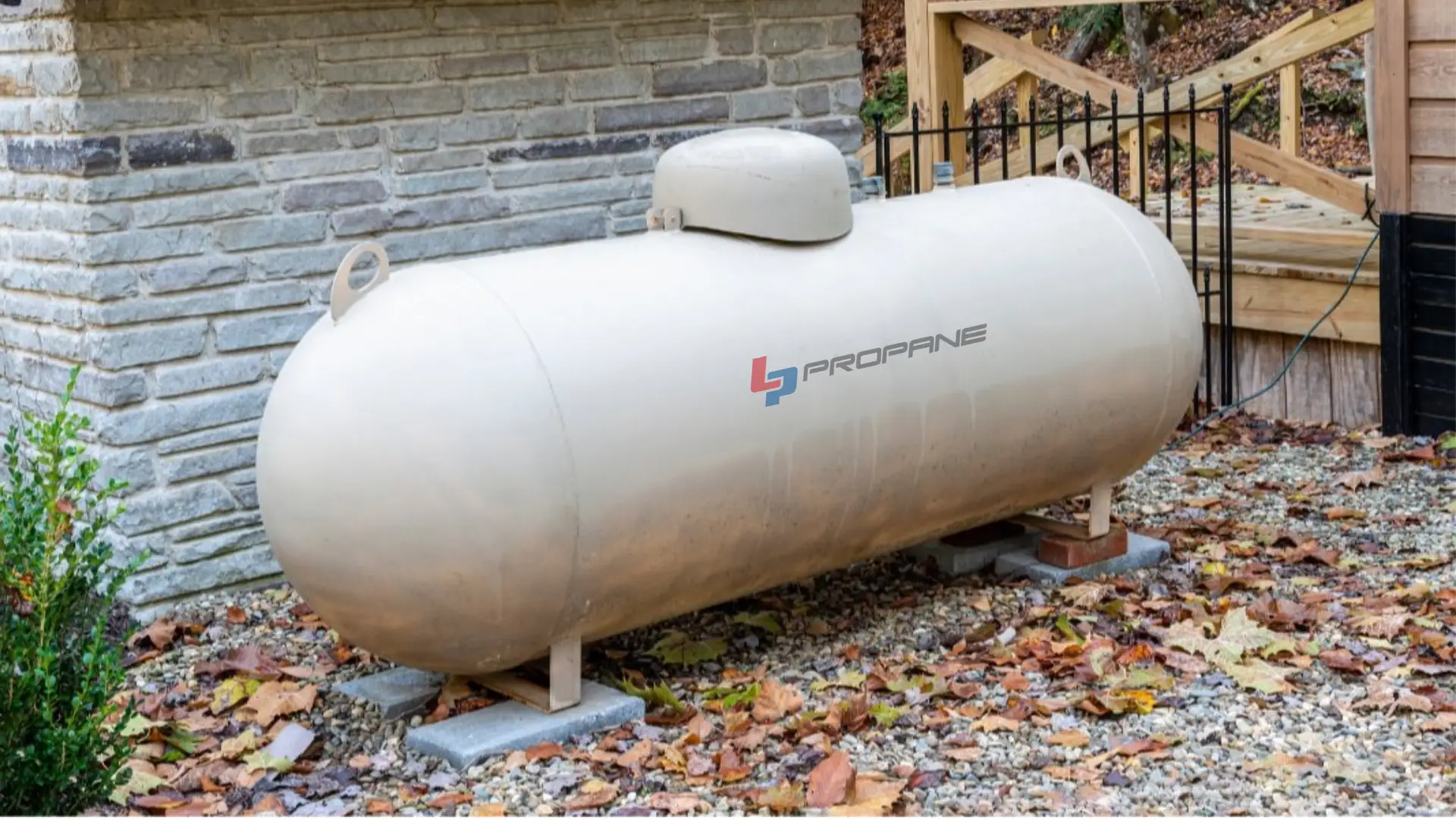
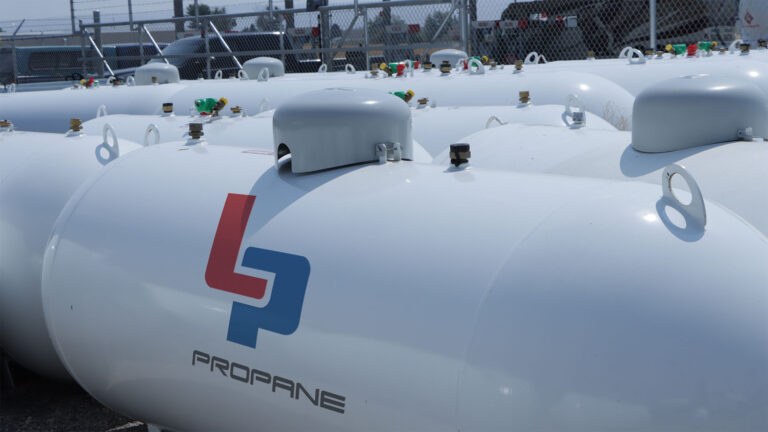
Few individuals know about the dangers of refilling disposable propane cylinders. Disposable propane cylinders are intended for one-time use only, and if they are refilled, they are compromised. The most vital danger among them is gas leakage. Single-use valves and seals are part of disposable propane cylinders, and therefore they will never seal perfectly after being refilled. This would lead to creeping leaks or gas spurts, thereby enhancing the dangers of explosion or fire. Even a minor leak in an enclosed area could lead to a dangerous quantity of propane vapors, which are highly flammable with a spark, open flame, or electrical discharge. The second major concern is structural vulnerability. Disposable cylinders are not built to be recycled with alternating cycles of pressurization, in contrast to refillable propane cylinders. The metal deteriorates when cycled repeatedly, and the cylinder may rupture or explode. Serious injury and property damage ensue when a pressure cylinder explodes. Additionally, defective refilling equipment can also further degrade the valve or build up hazardous amounts of pressure, making the cylinder unstable and unsafe. Apart from safety for the user, refilling disposable propane cylinders is prohibited in most states. Refilling and transporting single-use propane cylinders is prohibited because of the hazards involved. Violation of these laws will result in legal consequences and penalties and can also endanger other individuals.

Environmental Hazards of Refilling Disposable Propane Cylinders

Not only does refilling a disposable propane cylinder present a severe threat to safety, but refilling also degrades the environment. Disposable propane cylinders are specifically designed for one time use and improper refilling by them means leakage of the propane, causing air pollution, as well as presenting an outside fire hazard. Leakage of propane also disturbs ecosystems, especially in parks, nature reserves, and campgrounds where propane is common for utilization as a cooking and heating fuel. The second problem is improper disposal of compromised cylinders. A compromised cylinder that is from refilling attempts and then discarded can still contain residual propane and thus pose a fire or explosion hazard at waste treatment plants. Inert propane cylinders improperly treated are rejected by certain recycling plants and landfills and end up being dumped illegally and contaminating the environment even more. Safe propane disposal or the implementation of refillable propane cylinders eliminates waste and pollution, hence rendering the use of propane safer and more environmentally friendly. LP Propane is such a company that encourages the adoption of safe propane handling practices by having propane cylinders disposed of or replaced with a refillable option. By preventing hazardous refilling procedures, the consumer and firms can save lives and the environment.

Refilling might seem convenient, but a single mistake
can turn a propane tank into a ticking time bomb!

Why Disposable Propane Cylinders Cannot Be Refilled?

Unlike refillable propane tanks, disposable propane cylinders are for single use only. They do not have refilling design features and that is why manufacturers and propane retailers strongly discourage refilling them.

Thin-Walled Construction and Degradation Over Time

Disposable propane cylinders are made of thin-walled metal and cannot be reused after repeated pressurization. Propane is filled in the cylinder each time, which internally presses it and results in cracking, bulging, or bursting. Refillable tanks are tested and checked for safety, while disposable cylinders are not designed to be used repeatedly.

One-Way Valves and Seal Integrity

The second reason why disposable cylinders should never be filled again is their valve system. The cylinders are designed with one-way non-reusable valves. Refilling the cylinders will cause such valves to fail to seal, hence causing dangerous gas leaks. Leaking propane cylinders are extremely dangerous as a fire hazard, especially when placed close to heat sources or in a confined space.

Safe Alternatives to Refilling Disposable Propane Cylinders

Instead of subjecting themselves to the risk of injury, fire hazard, and legal complications, propane users should look for safer alternatives to portable propane use.

Use Refillable Propane Cylinders

Heavy propane consumers are advised to switch to refillable propane cylinders. Unlike disposable cylinders, refillable propane cylinders are designed for repeated refills and therefore an improved long-term choice. They also have enough safety valves and are checked on a regular schedule to ensure safe use. The majority of propane suppliers, including LP Propane, have the refill stations and exchange programs and therefore responsible refueling and safety can be achieved with ease.

Proper Disposal of Disposable Cylinders

If disposable propane cylinders are utilized, rather than attempting to refill them, it is advisable to dispose of them. Your local dump sites and recycling centers might have proper disposal and recycling programs for propane cylinders. Certain vendors of propane also have drop-off points that make it convenient for you to return empty cylinders safely for appropriate disposing. By performing the above best practices, hazardous materials are stored properly and any impact on the environment reduced.

Prioritizing Safety and Responsible Propane Use

Refilling a disposable propane cylinder appears to be a cost-cutting or waste-reduction process, but it is too risky for any gain. Leaks, collapse, and explosion risks make such refilling an extremely dangerous venture and illegal in most places. Disposable propane cylinders are not to be refilled, and filling them up destroys their safety factors. For safe and responsible application of propane, purchasing reusable propane cylinders or disposing of disposable cylinders in a safe manner via authorized recycling and waste removal programs is advisable. Safe refueling facilities and education are provided by entities such as LP Propane, enabling consumers to make informed choices regarding the utilization of propane. Companies and individuals can use the advantages of propane in a secure manner with minimal risks by adhering to safety protocols and best practices.

BLAZING BLOGS

Why You Shouldn't Refill Disposable Propane Cylinders? | LP Propane

How Propane Helps Businesses Manage Peak Energy Demand

How Propane Helps Businesses Manage Peak Energy Demand Energy demand is not the same throughout the day. Many businesses experience sudden increases when heating systems, production equipment, refrigeration units, lighting, and other electrical systems operate together. These peak periods can

Read More »
Why You Shouldn't Refill Disposable Propane Cylinders? | LP Propane

How Propane Supports Manufacturing Facilities

How Propane Supports Manufacturing Facilities Manufacturing facilities need dependable energy to keep machines running, maintain production schedules, and meet customer expectations. When energy supply becomes unstable, factories may experience downtime, delayed orders, and increased operating expenses. Propane provides manufacturers with

Read More »

State Fair Giveaway

$500 Worth of Propane

Be one of the first 200 New Customers to sign-up until September 15th to get $500 worth of propane, FREE! You’ll also get 1 year free tank rental when you switch!

JOIN THE IGNITE PROGRAM

NEW CUSTOMER? Fill out the New Customer Application to join IGNITE.

Save $0.05 Per Gallon with the IGNITE Program Learn more!

This field is for validation purposes and should be left unchanged.
Name(Required)
Service Address(Required)
AAP Agreement(Required)
You will be contacted by a Customer Service Representative to obtain your credit card information.
Terms of Service(Required)

LP Propane Ignite Program – Terms and Conditions

1. Eligibility and Program Requirements
To qualify for and maintain enrollment in the LP Propane Ignite Program and receive the $0.05 per gallon fuel discount, the Customer must simultaneously enroll in and maintain active status in the following three core services:

Auto Fill Delivery: The Customer authorizes LP Propane to automatically monitor, schedule, and deliver propane to the designated tank when levels dictate, bypassing the standard Will Call scheduling requirements.

Auto Pay: The Customer must maintain a valid, authorized payment method on file (Credit Card, Debit Card, or ACH/Direct Draft). Invoices will be automatically drafted within 7 days after the delivery.

Paperless Billing: The Customer agrees to receive all invoices, statements, and program communications via email. Opting out of online billing or requesting paper statements will result in a $4.95 monthly fee and disqualification from the program.

2. Fuel Discount Terms

The $0.05 per gallon discount applies exclusively to the standard market rate of propane at the exact time of delivery.

The discount is applied automatically on invoice.

This discount cannot be combined with specific commercial contract pricing or volume discounts unless expressly authorized in writing by LP Propane.

3. Tank Monitoring and Delivery Access

LP Propane may utilize physical tank monitors or advanced usage-tracking algorithms to schedule deliveries.

Access Requirements: The Customer must ensure the propane tank is always completely accessible to delivery personnel and vehicles. The pathway must be free of obstacles, locked gates, debris, or unrestrained animals within a 100-foot radius.

Seasonal Maintenance: During winter months, the Customer is legally responsible for clearing snow, ice, and paths leading to the tank. If a delivery vehicle cannot safely access the tank, the delivery will be delayed, and any emergency filling fees incurred due to subsequent low fuel levels will be billed to the Customer.

4. Credit Status and Payment Failures

If an Auto Pay transaction is declined or fails for any reason (e.g., expired card, insufficient funds), the Customer must update their account billing details immediately. If the transaction remains unprocessed for 30 days despite attempts by LP Propane to contact the Customer, the account will be automatically unenrolled from the program.

If an account balance becomes past due, LP Propane reserves the right to suspend Auto Fill privileges, pause the $0.05 per gallon discount, and transition the account to a "Will Call / Cash on Delivery" basis until the account is brought current and after review and approval of LP Propane’s credit department.

5. Program Termination or Changes

Customer Termination: Removing any of the mandatory components (Auto Fill, Auto Pay, or Paperless Billing) constitutes voluntary termination from the program. If you would like to opt out of the Ignite program you must submit 30 day written notice

Company Modifications: LP Propane reserves the right to alter, modify, or terminate the Ignite Program framework, including discount amounts or underlying eligibility terms.

MM slash DD slash YYYY