Why Liquid Propane is a Safer Alternative for Heating Your Home

The decision on the fuel to be used to heat the home is not only about comfort and money but it is also about safety. The homeowners need a heating system that will work well during cold weather without posing any additional threats to their family and property. Liquid propane has received a good reputation as one of the safest household heating fuel. Propane is a reliable source of warmth with low risks, clean burning properties, and modern system designs which ensure high safety standards. It is important to know the reasons why propane is safer so that homeowners can make informed choices concerning the heating systems.

Why Liquid Propane is a Safer Alternative for Heating Your Home | LP Propane

Built-In Safety Features of Liquid Propane Systems

Odorized Fuel for Easy Leak Detection

Propane has no natural odor, yet a sulfur-like odor that is very strong is added such that leaks can be easily detected. This enables people who own houses to identify a problem as soon as it comes and act before it gets hazardous.

Automatic Shut-Off Valves

Propane systems have an automatic shut-off that will cut off the flow of gases in case of a leakage or a problem with the pressure. This will stop further release of propane and reduce the chances of fire or explosion.

Pressure Relief Protection

Propane gas is pressurized with pressure relief valves which release the gas safely in case of increased pressure on the propane tank. This averts the damage of the tank in extreme changes of temperature.

Secure Tank Construction

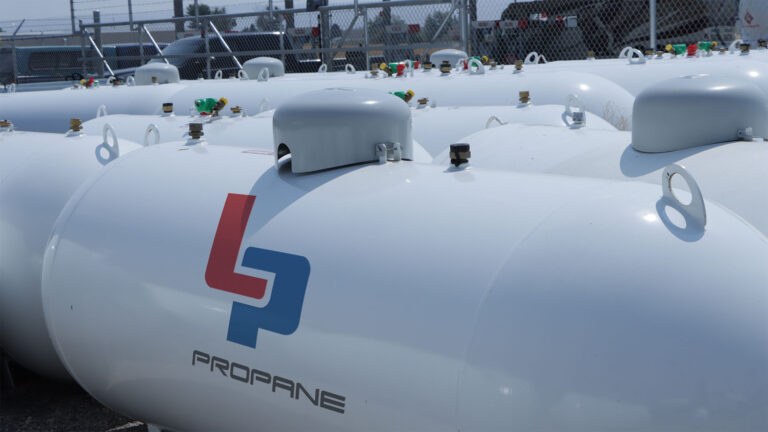
The construction of propane tanks is done using heavy-duty steel and designed to resist impact, extreme weather, and corrosion. They are put to test with stringent regulations to make them long lasting.

Sealed Storage System

The propane is stored in closed and sealed tanks, which ensure that the product is not contaminated and exposed to the environment. This design minimizes the possibilities of accidental ignition.

Professional Installation Standards

Propane heating systems should be given by certified experts, strict safety codes are observed. With proper installation, there is the right pressure, ventilation, and system functioning.

Clean-burning fuel designed with family safety in mind.

Safer Performance Compared to Other Heating Fuels

Cleaner Combustion Than Oil or Wood

Propane is also clean burning resulting in fewer soot particles and carbon deposits. This helps to minimize chimney formation and decrease the chances of chimney fires like with the wood heating or the oil heating.

Lower Carbon Monoxide Risk

When properly vented, efficient propane appliances are able to produce little carbon monoxide. New systems are tailored to burn all fuel efficiently, and it enhances indoor air safety.

No Fuel Spills or Ground Contamination

Propane does not spill out in the form of liquid as is the case with heating oil or gasoline. This gets rid of the chances of soil contamination and minimizes fire risks.

Less Flammability Compared To Gasoline

Propane needs a certain fuel to air mix to ignite and thus accidental ignition is unlikely as opposed to gasoline vapour ignition which ignites easily.

Stable Fuel in Cold Weather

Propane is not gelled, frozen or degraded in wintertime. This eliminates fuel line blockage and system malfunction that will pose unsafe heating environments.

Safer Long-Term Storage

Propane does not become spoiled or deform with time. Tanks and valves should be well maintained in order to allow long-term storage to be safe.

How Propane Protects Homes During Winter Conditions

Reliable Heat During Power Outages

Propane systems do not depend on the electric grid. Propane heating is also safe during winter storms and outages when it is required to heat the house.

Prevents Frozen Pipes

Constant propane heating helps in keeping the indoors warm, so that pipes do not freeze and crack; one of the most expensive winter home risks.

Even Heat Distribution

Propane furnaces provide prolonged dependable warmth in the absence of high and low temperatures. This will minimize the pressure on equipment and enhance better safety.

Safe Indoor Air Quality

Well ventilated propane systems discharge exhaust gases out into the environment, keeping the indoor environment clean and healthy.

Dependable Ignition in Cold Temperatures

Propane systems can also be started reliably even in freezing environments thus avoiding repetitive ignition attempts that may lead to wear and tear in the equipment or one may be exposed to safety hazards.

Secure Outdoor Tank Placement

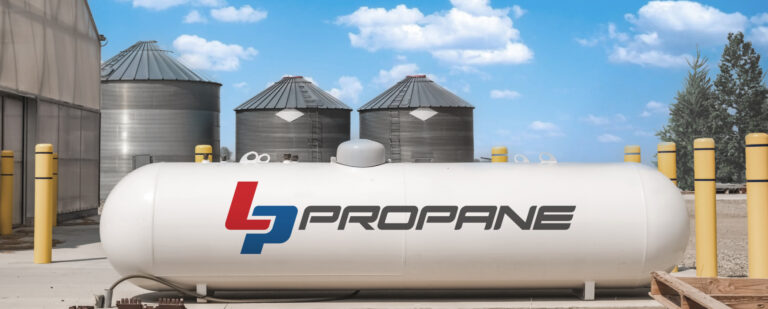
Propane tanks are installed outdoors, keeping fuel storage away from living spaces and reducing indoor risk exposure.

Propane Heating vs. Electric Heating Safety

Electric heating systems do not produce any combustion risk, although they raise other safety issues. Electrical fires, overloaded circuits and grid failures may interfere with heating in extreme weather. Power outages are also caused by winter storms and during such occurrences the electric only homes might be without heat in hours or even days. Propane heating systems are also capable of providing the same warmth with no use of electricity infrastructure hence offering a safer method of heating in the case of winter emergencies and power outages. This autonomy is an additional degree of safety in times of need for trustworthy warmth.

The Role of Professional Maintenance in Propane Safety

Regular maintenance improves the safety of the propane systems. Annual inspections ensure burners are clean, valves function correctly, and venting systems remain clear. Safety controls and pressure settings are also checked by the technicians so that everything is functioning within safe parameters. Professional servicing lowers chances of leakage, inefficiency or machine breakdowns hence propane systems can run safely over decades. Regular maintenance also assists the homeowners in identifying the little problems before they turn out to be expensive or posing hazards.

Safe, Reliable, and Built for Home Comfort

Liquid propane is a safer option to home heating since it has inbuilt safety measures, burns clean, and performs well in any weather condition. Odorized leak detectors and automatic shut-off systems, heavy duty tanks and professional installation standards are some of the features that make propane very homeowner friendly. Propane in comparison to other heating fuel sources presents less storage hazards, healthier indoor air, and reliable warmness in winter crises. Liquid propane is a smart and reliable solution to homeowners who want to have a heating option that is comfortably safe and reliable.

BLAZING BLOGS

State Fair Giveaway

$500 Worth of Propane

Be one of the first 200 New Customers to sign-up until September 15th to get $500 worth of propane, FREE! You’ll also get 1 year free tank rental when you switch!

JOIN THE IGNITE PROGRAM

NEW CUSTOMER? Fill out the New Customer Application to join IGNITE.

Save $0.05 Per Gallon with the IGNITE Program Learn more!

This field is for validation purposes and should be left unchanged.
Name(Required)
Service Address(Required)
AAP Agreement(Required)
You will be contacted by a Customer Service Representative to obtain your credit card information.
Terms of Service(Required)

LP Propane Ignite Program – Terms and Conditions

1. Eligibility and Program Requirements
To qualify for and maintain enrollment in the LP Propane Ignite Program and receive the $0.05 per gallon fuel discount, the Customer must simultaneously enroll in and maintain active status in the following three core services:

Auto Fill Delivery: The Customer authorizes LP Propane to automatically monitor, schedule, and deliver propane to the designated tank when levels dictate, bypassing the standard Will Call scheduling requirements.

Auto Pay: The Customer must maintain a valid, authorized payment method on file (Credit Card, Debit Card, or ACH/Direct Draft). Invoices will be automatically drafted within 7 days after the delivery.

Paperless Billing: The Customer agrees to receive all invoices, statements, and program communications via email. Opting out of online billing or requesting paper statements will result in a $4.95 monthly fee and disqualification from the program.

2. Fuel Discount Terms

The $0.05 per gallon discount applies exclusively to the standard market rate of propane at the exact time of delivery.

The discount is applied automatically on invoice.

This discount cannot be combined with specific commercial contract pricing or volume discounts unless expressly authorized in writing by LP Propane.

3. Tank Monitoring and Delivery Access

LP Propane may utilize physical tank monitors or advanced usage-tracking algorithms to schedule deliveries.

Access Requirements: The Customer must ensure the propane tank is always completely accessible to delivery personnel and vehicles. The pathway must be free of obstacles, locked gates, debris, or unrestrained animals within a 100-foot radius.

Seasonal Maintenance: During winter months, the Customer is legally responsible for clearing snow, ice, and paths leading to the tank. If a delivery vehicle cannot safely access the tank, the delivery will be delayed, and any emergency filling fees incurred due to subsequent low fuel levels will be billed to the Customer.

4. Credit Status and Payment Failures

If an Auto Pay transaction is declined or fails for any reason (e.g., expired card, insufficient funds), the Customer must update their account billing details immediately. If the transaction remains unprocessed for 30 days despite attempts by LP Propane to contact the Customer, the account will be automatically unenrolled from the program.

If an account balance becomes past due, LP Propane reserves the right to suspend Auto Fill privileges, pause the $0.05 per gallon discount, and transition the account to a "Will Call / Cash on Delivery" basis until the account is brought current and after review and approval of LP Propane’s credit department.

5. Program Termination or Changes

Customer Termination: Removing any of the mandatory components (Auto Fill, Auto Pay, or Paperless Billing) constitutes voluntary termination from the program. If you would like to opt out of the Ignite program you must submit 30 day written notice

Company Modifications: LP Propane reserves the right to alter, modify, or terminate the Ignite Program framework, including discount amounts or underlying eligibility terms.

MM slash DD slash YYYY