What Size Propane Tank Does a Whole-Home Generator Need?

A whole house propane generator ensures a reliable power supply if extreme weather conditions, utility power failures or unexpected outages occur. Unlike a portable generator, a whole-home generator can automatically provide power to critical systems in the home, such as heating and cooling, lights, medical equipment, refrigeration, well pumps, and more. But one of the most frequent questions prospective homeowners turn to when they are considering installation is: How big of a propane tank should a whole home generator require? The answer depends on several factors, including the generator’s size, how much of your home it powers, how long you expect it to operate during an outage, and whether the propane tank also supplies other household appliances. A correctly sized propane tank will keep the generator fueled while minimizing the need for a propane tank refill in the event of a long power outage. Selecting the right tank size is more than just picking the biggest possible tank. When choosing the right size propane tank, a professional assessment of your home’s energy demand, fuel consumption, anticipated duration of use, and propane usage will help you make an informed decision for your convenience, efficiency and reliability.

What Size Propane Tank Does a Whole-Home Generator Need? | LP Propane

Factors That Determine the Right Propane Tank Size

Generator Size

Generally, larger generators will use more propane than smaller generators as they will have the potential to power greater electrical loads. The size of the generator is a significant factor in calculating fuel needs. Professional sizing supports dependable performance. Proper planning improves long-term reliability.

Expected Runtime

Consider the length of time you might require your generator to run in case of an outage. Propane storage quantities may be larger than for areas with short outages. Decide on the expected run time and calculate the size of the tank needed.

Household Energy Needs

Some homeowners only want power for essential appliances (such as the refrigerator and freezer), and others want power for almost the whole house. Propane use is affected by the number of appliances on the generator. Understanding household priorities supports accurate planning.

Other Propane Appliances

When considering the right size for propane tanks, be sure to account for any fuel needs for a furnace, water heater, fireplace, cooktop, clothes dryer, or outdoor equipment. Overall propane consumption is impacted by the combined household demand.

Local Climate

Homes located in colder climates may use more propane during winter if the tank supplies both the generator and heating equipment. Seasonal energy demand influences storage requirements. Climate should be considered during system design.

Delivery Schedule

The frequency of propane deliveries also affects tank size selection. The frequency of refilling the bigger tanks may be reduced, and the smaller tanks may need a more frequent delivery schedule depending on the household consumption.

The right propane tank size starts with understanding your home's energy needs

Common Residential Propane Tank Sizes

250-Gallon Tanks

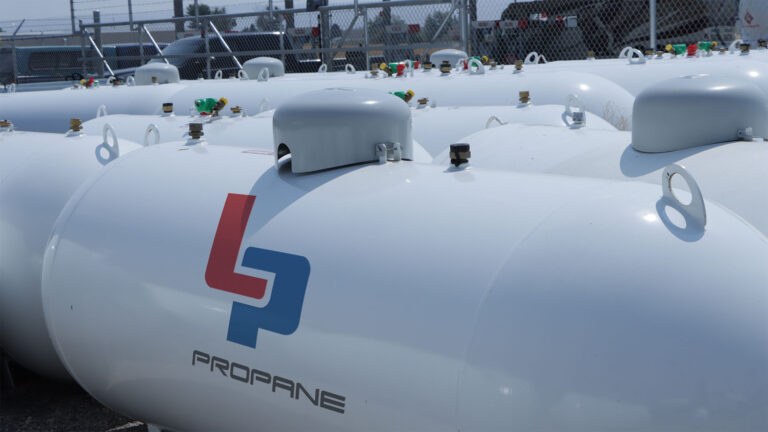
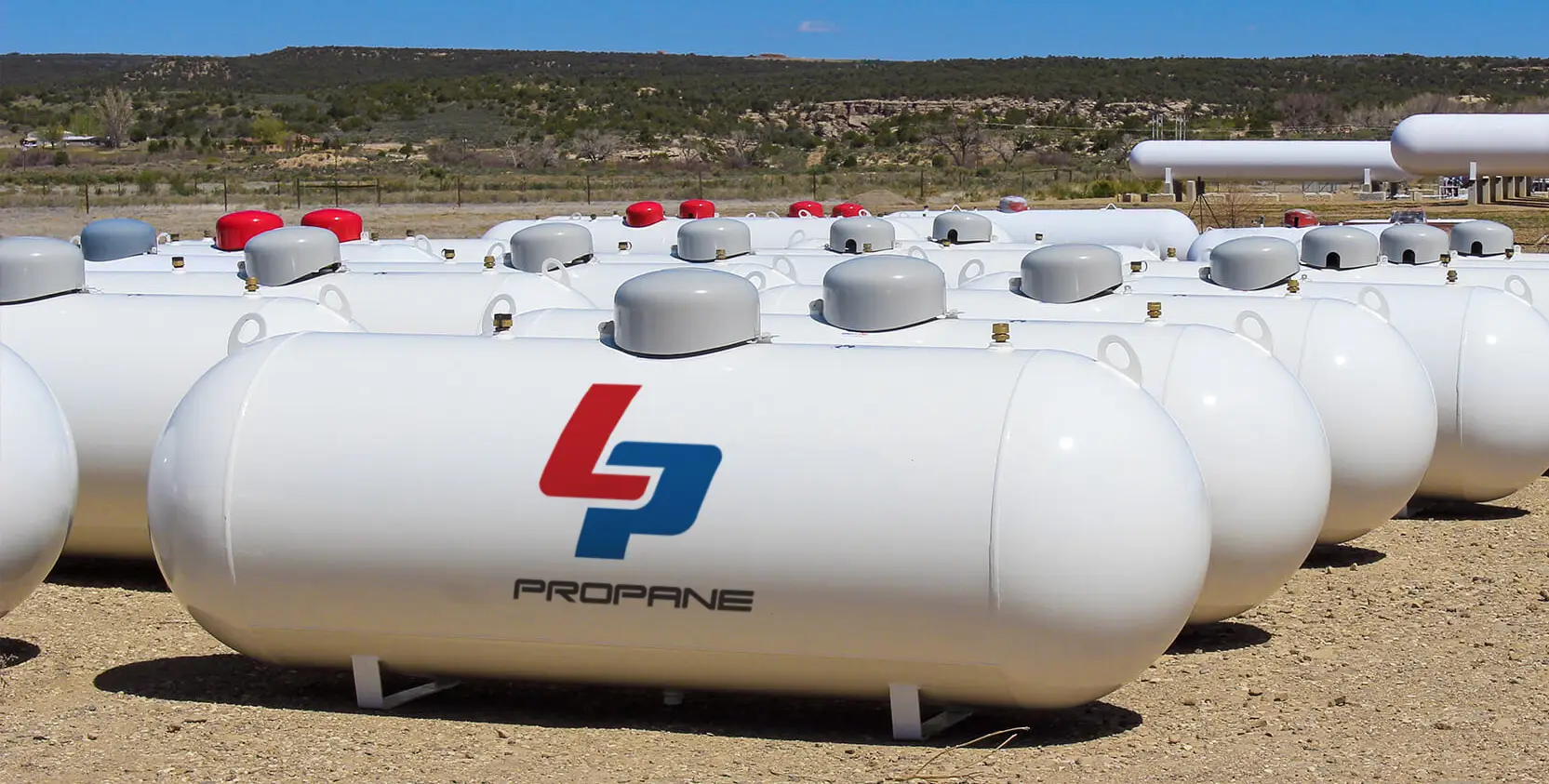
A 250 gallon propane tank can be an option for smaller generators, or for homes with limited backup power requirements. Propane tanks are normally filled to about 80% of their capacity because there is a need for fuel expansion, which reduces the usable capacity. This size will be confirmed by a professional assessment.

500-Gallon Tanks

One of the most frequently used sizes for propane tanks for homes that have whole home generators is 500 gallons. It frequently serves as an extra fuel source for the generator, as well as other propane appliances. Many homeowners appreciate the balance between storage capacity and delivery convenience.

1,000-Gallon Tanks

If you own a larger home, have a high propane demand or want a longer generator run time, a 1,000-gallon propane tank might be the right choice for you. Raising the storage capacity involves running for longer periods during prolonged outages and decreasing the delivery frequency.

Underground Tank Options

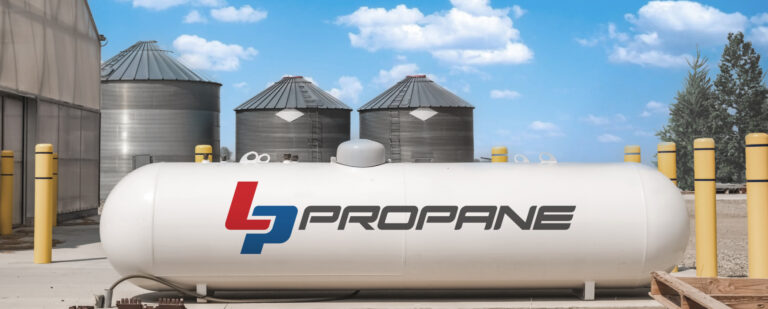
For some homeowners, the choice of underground propane tanks is for their aesthetic appeal or to make the most of the yard space. Tanks are also offered in a variety of sizes, and underground tanks are as reliable as above-ground tanks when they are maintained properly.

Multiple Tank Configurations

Some properties might have two propane tanks combined to one large, depending on space or fuel needs. The system is professionally installed to ensure optimal performance.

Professional Sizing Recommendations

Propane suppliers and generator installers generally suggest tank sizes based on generator specifications, propane usage in the home, and anticipated operating conditions; each home requires a different size tank to meet its energy requirements.

Planning Your Backup Power System

Estimate Total Fuel Demand

Think of every propane fueled appliance that could be running with the generator. Total household fuel demand can be calculated to determine suitable fuel storage capacity. More accurate with professional assessments.

Consider Seasonal Usage

During the winter, propane use can go up as people need more heating because their homes are cooler. Seasonal demand planning also means sufficient fuel storage in the season when outages can also be more prevalent.

Schedule Regular Tank Monitoring

Regularly checking the propane gauge helps homeowners ensure they have fuel on hand for severe weather and peak outage seasons. Routine observation facilitates reliable back-up power planning.

Work With Experienced Professionals

Qualified propane suppliers and licensed generator installers are able to assess your home’s energy use, suggest a fuel tank size that is right for you and create a fuel management plan that can help you have reliable operation. 

Prepare Before Storm Season

If you live in an area where hurricanes, snowstorms or severe weather are a possibility, you may want to fill the propane tank before the season starts. Reliable operation of a generator during a utility interruption will be enhanced through early preparation.

Maintain Clear Tank Access

Maintain a clear space around the propane tank for deliveries and maintenance by keeping landscaping, furniture, storage items and debris clear of the area. Service efficiency is enhanced through the use of accessible equipment.

Why Professional Sizing Is Important

The size of the propane tank may be the only consideration when choosing a generator size, while others are also important, like the size of the propane use, the amount of heating needed during the coldest and warmest times of the year, the number of additional appliances being installed and the duration of expected outages. Professional sizing takes the whole property into account, not just one piece of equipment. A professional propane service company will assess your home’s fuel needs, discuss your backup power objectives with you, and provide you with options for propane storage that are convenient, efficient, and reliable. They know how to prevent undersized systems that need to be topped up, or oversized systems that use more water than is necessary. Hiring a professional also guarantees that the propane tank and generator meet local regulations and safety codes.

Maintaining Your Generator and Propane System

After the installation of a back up power supply, regular maintenance will ensure reliable operation when required. Annual inspections, periodic fuel level checks, routine generator servicing and propane tank assessments are all contributing to reliable emergency preparedness. It is also important for homeowners to keep the area around the propane tank clean and clear and to stay in touch with their propane provider about delivery schedules and seasonal fuel planning. Preventative maintenance helps protect both the generator and the propane system while extending equipment life. Establishing regular maintenance routines will help keep your backup power system prepared for any power outages during the year.

The Right Tank Size Starts With the Right Plan

The proper propane tank size for a whole-house generator is more than just about the generator itself. Household energy requirements, estimated usage, weather conditions, extra propane appliances, delivery schedules and many other factors will affect the storage needs for your property. The 250-gallon, 500-gallon, 1,000-gallon or multiple tank set-ups will help your home meet its needs, but the best recommendation will be made by a professional evaluation of your home’s needs. Appropriate sizing can provide reliable back-up power and make management of fuel easier. A well-planned system, propane inventory, regular maintenance tasks, and collaboration with a trusted provider of propane products can ensure homeowners have a reliable generator and can help offer greater peace of mind during a power outage. 

BLAZING BLOGS

State Fair Giveaway

$500 Worth of Propane

Be one of the first 200 New Customers to sign-up until September 15th to get $500 worth of propane, FREE! You’ll also get 1 year free tank rental when you switch!

JOIN THE IGNITE PROGRAM

NEW CUSTOMER? Fill out the New Customer Application to join IGNITE.

Save $0.05 Per Gallon with the IGNITE Program Learn more!

This field is for validation purposes and should be left unchanged.
Name(Required)
Service Address(Required)
AAP Agreement(Required)
You will be contacted by a Customer Service Representative to obtain your credit card information.
MM slash DD slash YYYY