What Causes Low Flame on a Propane Gas Stove?

A propane gas stove is appreciated because of its fast and reliable cooking ability. A good working propane stove will have a blue flame and adjust temperature easily in a home, cabin, RV or outdoor kitchen. However, if the flame is abnormally low, then the cooking ability can decrease and everyday kitchen work can be a chore. A weak propane flame is not necessarily a serious issue. The problem often can be traced back to straightforward causes like burner orifices that become clogged, fuel tank leaks, fuel regulator troubles or an inadequate supply of air. Once the flame performance is reduced, it’s necessary to find out the cause so that the device can be adjusted to more efficient flame output or so the cooking times can be shortened, or there may be a bigger problem with the propane system.

What Causes Low Flame on a Propane Gas Stove? | LP Propane

Common Causes of Low Flame Problems

Low Propane Tank Levels

A common reason for weak flames is that the propane tank is almost completely empty. The stove’s efficiency may decrease as fuel reserves diminish. Keep an eye on the fuel level to avoid disruptions. There is sufficient fuel to provide reliable operation.

Partially Closed Tank Valve

A propane tank valve that is not completely open may limit fuel supply to the stove. When the fuel supply is limited, the burner performance is affected. Efficient valve operation. When the valve is fully opened, it will maintain normal flame levels.

Excess Flow Valve Activation

A lot of propane systems are equipped with safety features designed to limit the flow of propane if the valve is opened too fast. Low flames may be experienced with this safety feature. The system may be restored to its normal performance by resetting. Activities can be avoided by following proper start-up procedures.

Kinked or Damaged Gas Lines

Propane hoses and supply lines can sometimes become bent, pinched or damaged. Burner output is impacted when gas flow is restricted. Make sure to check visible lines for problems. Getting fuel to the fire helps to keep the fire going.

Regulator Malfunctions

Propane compresses into the regulator before it is fed to the appliance. The regulator could malfunction and decrease the gas pressure, resulting in a weak flame. Pressure regulation has an impact on performance. Efficient function is aided by the proper regulators.

Multiple Appliance Demand

For a number of propane appliances working at the same time, the demand for fuel may rise temporarily. The capacity of the system may be inadequate to affect stove performance. By using fuel in a balanced manner, consistency is enhanced. Proper system sizing contributes to reliability.

Consistent fuel delivery is essential for strong burner performance

Burner and Stove Component Issues

Clogged Burner Ports

Over time, food particles, grease and debris can clog burner openings. Caps on ports lower the flame potential. Periodic cleaning of the heat exchanger allows for better combustion. Efficient operation is aided by clean burners.

Dirty Burner Assemblies

Dirt build-up in the burner components can disrupt fuel distribution. Cooking performance is compromised with non-uniform fuel flow. Regular maintenance maximises efficiency. Clean parts help to aid in better flames.

Obstructed Air Intakes

Proper combustion means that the fuel and air are in proper proportions. Obstruction of the air openings may result in variation in flame quality and size. Combustion occurs better with good air flow. Open passages of air for better performance.

Worn Burner Components

Burners experience wear over time, especially with frequent use. Fuel distribution can be impaired by damaged components. Wear is detected by regular inspections. Properly maintained burners will result in increased reliability.

Incorrect Burner Installation

Burner caps and assemblies need to be installed in the correct manner to function correctly. Flame distribution may be affected by misalignment. The better the installation, the more effective it will be. Efficient combustion is achieved by proper positioning.

Manufacturing Defects or Damage

Sometimes, parts of the burner may become defective or damaged, which can impact its performance. Detecting failed parts enables restoration of functioning. Replacement could enhance efficiency. Good maintenance helps to ensure reliability.

Propane Pressure and Supply Factors

Low System Pressure

If propane pressure is low, burners may not be able to achieve maximum flame capability. Cooking performance is impacted by pressure problems. Efficient combustion is provided by proper pressure. Fuel delivery is more consistent, which leads to improved operation.

Regulator Freeze-Up

Under certain environmental conditions, regulators may experience freezing or performance issues. These can lead to a reduction in pressure. With proper system maintenance, reliability is enhanced. Weather awareness is an enabler for performance.

Cold Weather Effects

Propane vaporization rates can be impacted by extremely low temperatures. A lower vapor output can affect the working of appliances. Fuel levels are adequate to support operation. Reliability is enhanced with proper sizing of the system.

Undersized Propane Systems

Pressure drop can be a problem if the propane system is not designed to serve the demand for the appliance. Efficient system design to improve efficiency. Appropriate capacity facilitates regular functioning. Demand planning aids in reducing problems.

Long Supply Line Runs

If not designed properly, very long propane supply lines can have an impact on the delivery of pressure. Efficient fuel flow is achieved by proper installation. System design has an impact on performance. Proper planning makes things more reliable.

Shared Fuel Demand

If a large propane system is supplying several appliances, then there may be some temporary pressure changes during periods of heavy use. Fuel consistency is improved with fuel management. An optimal balance of demand provides performance. With good planning, disruptions are minimised.

Understanding Flame Appearance and Performance

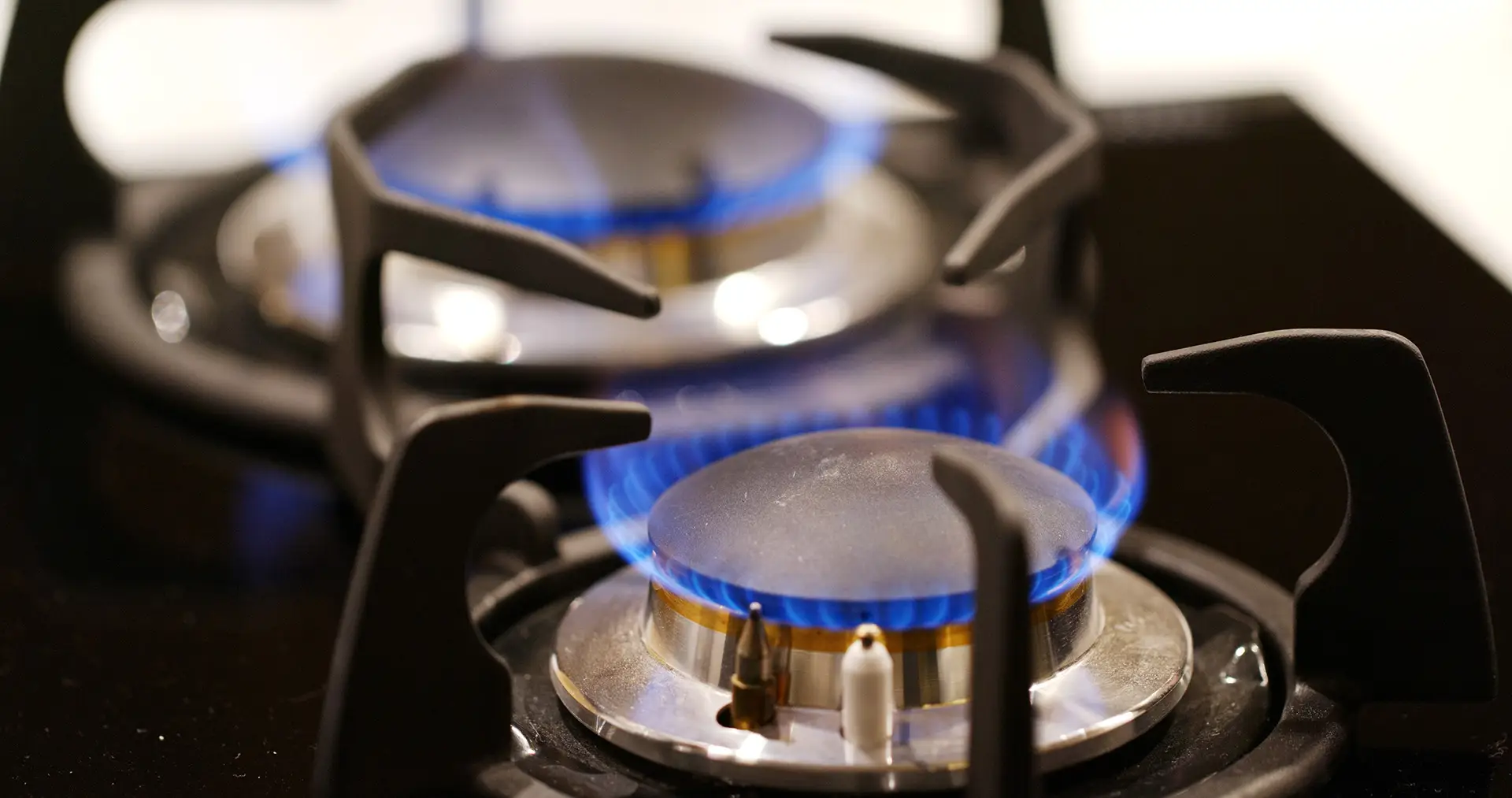
The healthy propane flame is steady and blue. Efficient combustion and correct fuel to air balance are represented by strong blue flames. Any significant drop in the flame size will indicate a problem that needs to be addressed, although small changes may be experienced during normal operation. If the flame is not burning low, it may be a problem other than the low flame. Other flame problems include yellow flame, flickering flame, uneven burner pattern, or delayed ignition. These symptoms may indicate airflow obstruction, burner contamination or fuel delivery issues. Regular monitoring of the appearance of the flames will help identify the problem prior to affecting cooking performance. Cooking times can also give hints as to how well the flame performs. A reduction in flame output can contribute to the boiling time and cooking temperature problems. Early detection of these symptoms may allow larger operational problems to be avoided.

Preventive Maintenance for Consistent Stove Performance

One of the best ways to avoid low flame problems is to conduct regular maintenance. By periodically cleaning the burners, one can remove grease, food particles and debris that may prevent fuel from flowing. Good combustion and efficient cooking performance is achieved by keeping burner ports clean. Propane system inspections are also important. Inspecting the connections, visible connections, hoses, regulators, and tank valves can reveal potential issues before they impact appliance performance. Regular inspections boost reliability and promote safe operation. Regular propane monitoring will help reduce the risk of a sudden fuel shortage. Proper fueling helps maintain fuel stability and prevents fuel pressure-related problems. Consistent appliance performance throughout the year with proactive fuel management. When standard troubleshooting and maintenance do not resolve the issue, it may be necessary to have a professional check it out. Qualified technicians are able to diagnose more complicated propane pressure, regulator, supply line and appliance problems. Once you have identified and resolved low flame issues, you can evaluate the next step in the process: troubleshooting and solving the problem.

Identifying and Resolving Low Flame Problems

A low flame on a propane gas stove can be caused by a number of factors; it can be due to the low amount of propane fuel, it may be due to the restriction in the valve, it may be due to a blockage in the burner, or it may be due to the pressure of the fuel. By becoming familiar with these potential causes, users can more easily recognize a problem and ensure cooking is accurate. Proper maintenance, fuel management, and routine inspections are important in minimizing many of the common flame-related problems. Cleaning burners, monitoring propane supplies and ensuring proper system operation supports efficient combustion and consistent heat output. Using propane stoves can help people identify early warning indicators and take proactive measures to address potential issues, ensuring that their equipment is reliable, efficient, and lasts as long as possible. Propane stoves can last for many years if they are used and maintained properly. 

BLAZING BLOGS

What Causes Low Flame on a Propane Gas Stove? | LP Propane

Can you have two propane tanks on one property?

Can you have two propane tanks on one property? Propane is a versatile source of energy for heating, cooking, water heating, back-up power generation, agriculture and more. With the increasing demand for energy, some homeowners, businesses, farms and commercial facilities

Read More »

State Fair Giveaway

$500 Worth of Propane

Be one of the first 200 New Customers to sign-up until September 15th to get $500 worth of propane, FREE! You’ll also get 1 year free tank rental when you switch!

JOIN THE IGNITE PROGRAM

NEW CUSTOMER? Fill out the New Customer Application to join IGNITE.

Save $0.05 Per Gallon with the IGNITE Program Learn more!

This field is for validation purposes and should be left unchanged.
Name(Required)
Service Address(Required)
AAP Agreement(Required)
You will be contacted by a Customer Service Representative to obtain your credit card information.
MM slash DD slash YYYY