How Renewable Propane Production Works

The energy world is changing as people look for cleaner fuel choices without giving up reliability. Millions of homes, farms, and businesses already depend on propane for heating, cooking, power generation, and industrial operations. Renewable propane production creates a way to reduce the carbon impact of propane while keeping the same equipment and fuel performance. Renewable propane comes from renewable sources instead of fossil-based resources. Producers use materials such as used cooking oil, plant oils, and animal fats, then process them through advanced refining techniques. The result is a fuel with the same chemical structure as traditional propane but with a different carbon origin.

Overview

  • Renewable propane is made from renewable feedstocks like plant oils, animal fats, and waste materials.
  • Advanced refining processes remove impurities and convert these materials into propane molecules.
  • The final fuel has the same chemical structure as traditional propane but a lower carbon footprint.
  • Renewable propane works with existing propane equipment without major system changes.
  • It offers a practical pathway toward cleaner energy use across homes, farms, and businesses.
How Renewable Propane Production Works | LP Propane

How Is Renewable Propane Produced?

What Materials Start Production?

Renewable propane starts with biological materials that contain useful carbon molecules. Common feedstocks include vegetable oils, waste oils, and animal fats collected from agricultural and food industries. The quality and source of these materials affect the fuel’s overall environmental impact and production efficiency.

How Does Processing Work?

The production process uses hydrogen, heat, and pressure to remove unwanted compounds from renewable feedstocks. This method changes oils and fats into hydrocarbon molecules suitable for fuel use. During this stage, renewable materials become similar in structure to petroleum-based fuels.

How Is Propane Separated?

After processing, different fuel molecules separate based on their properties and uses. Renewable propane is collected from the lighter hydrocarbon portion of the refined material. This separation allows producers to create multiple renewable fuel products from the same input materials.

Why Is Hydrogen Used?

Hydrogen plays an important role in renewable propane production because it removes oxygen from plant-based oils and fats. This reaction improves fuel quality and creates stable hydrocarbon molecules that can perform like traditional propane.

How Is Fuel Tested?

Before distribution, renewable propane goes through quality checks to confirm purity, safety, and performance. Testing helps confirm that the fuel meets the requirements needed for residential and commercial equipment.

Does Equipment Need Changes?

Renewable propane works with existing propane appliances because it has the same chemical composition as conventional propane. Homeowners and businesses can use the fuel in current systems without replacing tanks, burners, or delivery equipment.

Transforming renewable resources into everyday propane fuel

Why Is Renewable Propane Lower Carbon?

What Is Carbon Impact?

One major advantage of propane is that businesses can store fuel on-site for future use. Unlike electricity, which must be generated and delivered immediately, stored propane remains available when companies need additional energy support.

How Are Emissions Reduced?

Emission reductions happen because renewable propane uses carbon that comes from recently living materials rather than newly extracted fossil sources. Waste-based materials can provide greater reductions because they reuse existing resources.

What Is Lifecycle Analysis?

Lifecycle analysis measures environmental effects from fuel creation to final use. This approach gives a broader picture than looking only at emissions produced when the fuel burns.

How Does Heating Benefit?

Renewable propane allows homes and businesses to lower fuel-related emissions while continuing to use propane heating systems. This is especially useful in areas where replacing existing heating equipment may be expensive or difficult.

How Does Farming Benefit?

Agricultural operations often rely on propane for equipment, crop drying, and heating applications. Renewable propane provides farmers with a cleaner fuel option without requiring major system changes.

How Does Industry Use It?

Businesses that already depend on propane can adopt renewable propane for energy needs such as heating, cooking, and backup power. The fuel offers a way to reduce emissions while maintaining operational reliability.

How Does Renewable Propane Reach Users?

Where Is It Produced?

Load shifting means moving energy use from expensive peak periods to more controlled times or using alternative energy sources. Businesses can use propane equipment during high-demand hours to reduce electricity consumption.

How Is It Stored?

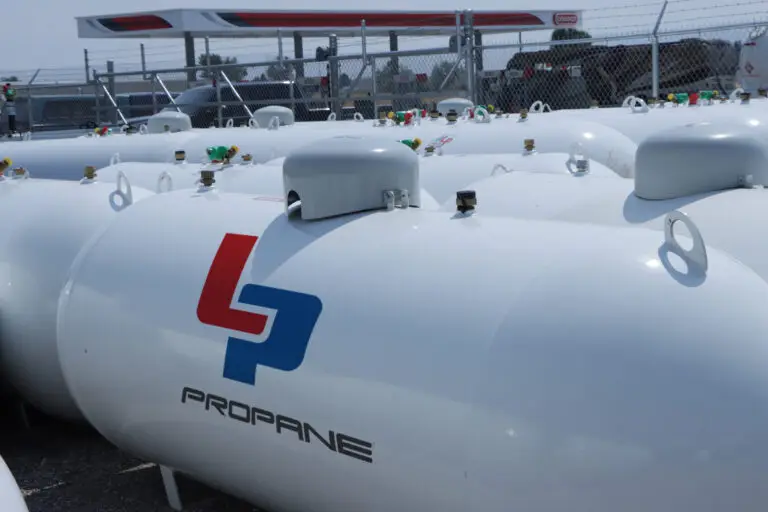
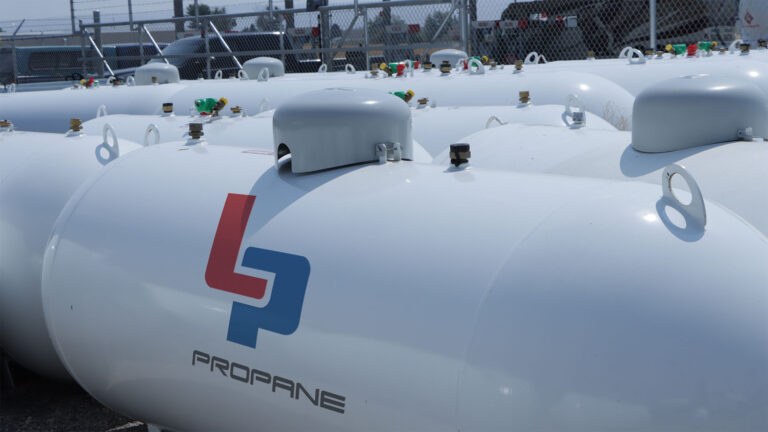
Renewable propane can be stored in the same types of tanks used for conventional propane. The fuel remains stable when stored under the right pressure and safety conditions. This compatibility allows suppliers to add renewable propane without rebuilding storage systems.

How Is It Delivered?

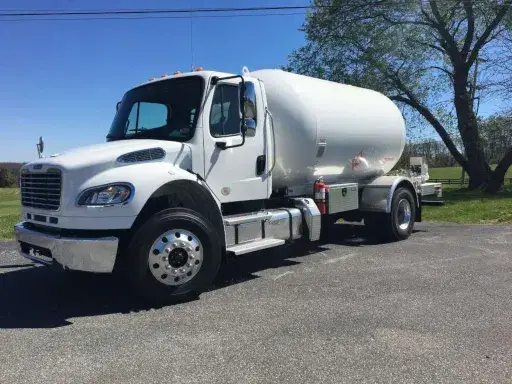
Delivery methods for renewable propane are similar to those used for traditional propane. Trucks, terminals, and distribution networks can transport the fuel to residential, commercial, and industrial customers. Existing delivery systems help make adoption easier.

Can Fuels Be Mixed?

Renewable propane can be blended with conventional propane because both fuels have identical chemical properties. Blending allows suppliers to gradually increase renewable content while maintaining reliable fuel availability.

What Standards Apply?

Renewable propane must meet fuel quality and safety standards before reaching customers. These standards focus on factors such as purity, performance, and compatibility with propane equipment.

What Limits Growth?

The growth of renewable propane depends on several factors, including feedstock availability, production capacity, technology development, and customer demand. Increasing supply requires continued investment in renewable fuel production and collection systems.

How Can Consumers Choose Renewable Propane?

Consumers interested in renewable propane should first check whether local suppliers offer the fuel. Availability can vary depending on regional supply networks and production levels. Before switching, customers should consider fuel pricing, energy needs, and environmental goals. Renewable propane provides an option for people who want to reduce emissions while continuing to use propane-powered equipment.

What Is the Future of Renewable Propane?

Renewable propane will likely become part of a broader approach to cleaner energy. As renewable feedstock supplies increase and production methods improve, more customers may gain access to lower-carbon propane options. The future growth of renewable propane depends on expanding production capacity, improving supply chains, and increasing awareness among energy users.

Renewable Propane Creates a Cleaner Path for Existing Energy Systems

Renewable propane production transforms renewable materials such as plant oils, animal fats, and waste-based resources into a fuel that performs like traditional propane. Through advanced refining processes, producers create a lower-carbon energy option that works with existing propane equipment. For homeowners, businesses, and industries, renewable propane offers a practical way to reduce emissions without replacing current fuel systems. As renewable fuel production continues to develop, understanding how renewable propane is made and delivered can help energy users make informed choices about future fuel options.

BLAZING BLOGS

How Renewable Propane Production Works | LP Propane

How Propane Supports Outdoor Commercial Operations

How Propane Supports Outdoor Commercial Operations Outdoor commercial businesses often work in environments where traditional energy sources are limited. Construction crews, outdoor dining operators, agricultural companies, event providers, and mobile service teams need dependable fuel that can support daily operations

Read More »
How Renewable Propane Production Works | LP Propane

How Propane Helps Businesses Manage Peak Energy Demand

How Propane Helps Businesses Manage Peak Energy Demand Energy demand is not the same throughout the day. Many businesses experience sudden increases when heating systems, production equipment, refrigeration units, lighting, and other electrical systems operate together. These peak periods can

Read More »

State Fair Giveaway

$500 Worth of Propane

Be one of the first 200 New Customers to sign-up until September 15th to get $500 worth of propane, FREE! You’ll also get 1 year free tank rental when you switch!

JOIN THE IGNITE PROGRAM

NEW CUSTOMER? Fill out the New Customer Application to join IGNITE.

Save $0.05 Per Gallon with the IGNITE Program Learn more!

This field is for validation purposes and should be left unchanged.
Name(Required)
Service Address(Required)
AAP Agreement(Required)
You will be contacted by a Customer Service Representative to obtain your credit card information.
Terms of Service(Required)

LP Propane Ignite Program – Terms and Conditions

1. Eligibility and Program Requirements
To qualify for and maintain enrollment in the LP Propane Ignite Program and receive the $0.05 per gallon fuel discount, the Customer must simultaneously enroll in and maintain active status in the following three core services:

Auto Fill Delivery: The Customer authorizes LP Propane to automatically monitor, schedule, and deliver propane to the designated tank when levels dictate, bypassing the standard Will Call scheduling requirements.

Auto Pay: The Customer must maintain a valid, authorized payment method on file (Credit Card, Debit Card, or ACH/Direct Draft). Invoices will be automatically drafted within 7 days after the delivery.

Paperless Billing: The Customer agrees to receive all invoices, statements, and program communications via email. Opting out of online billing or requesting paper statements will result in a $4.95 monthly fee and disqualification from the program.

2. Fuel Discount Terms

The $0.05 per gallon discount applies exclusively to the standard market rate of propane at the exact time of delivery.

The discount is applied automatically on invoice.

This discount cannot be combined with specific commercial contract pricing or volume discounts unless expressly authorized in writing by LP Propane.

3. Tank Monitoring and Delivery Access

LP Propane may utilize physical tank monitors or advanced usage-tracking algorithms to schedule deliveries.

Access Requirements: The Customer must ensure the propane tank is always completely accessible to delivery personnel and vehicles. The pathway must be free of obstacles, locked gates, debris, or unrestrained animals within a 100-foot radius.

Seasonal Maintenance: During winter months, the Customer is legally responsible for clearing snow, ice, and paths leading to the tank. If a delivery vehicle cannot safely access the tank, the delivery will be delayed, and any emergency filling fees incurred due to subsequent low fuel levels will be billed to the Customer.

4. Credit Status and Payment Failures

If an Auto Pay transaction is declined or fails for any reason (e.g., expired card, insufficient funds), the Customer must update their account billing details immediately. If the transaction remains unprocessed for 30 days despite attempts by LP Propane to contact the Customer, the account will be automatically unenrolled from the program.

If an account balance becomes past due, LP Propane reserves the right to suspend Auto Fill privileges, pause the $0.05 per gallon discount, and transition the account to a "Will Call / Cash on Delivery" basis until the account is brought current and after review and approval of LP Propane’s credit department.

5. Program Termination or Changes

Customer Termination: Removing any of the mandatory components (Auto Fill, Auto Pay, or Paperless Billing) constitutes voluntary termination from the program. If you would like to opt out of the Ignite program you must submit 30 day written notice

Company Modifications: LP Propane reserves the right to alter, modify, or terminate the Ignite Program framework, including discount amounts or underlying eligibility terms.

MM slash DD slash YYYY