What a Propane Leak Test During Installation Actually Checks

In addition to putting a tank in place and connecting appliances to it, a propane system requires additional components. There are a number of checks and safety measures that are conducted by the technician before a new propane system can be safely operated. One of the most important parts of this process is the propane leak test. The propane leak test is used to verify that the fuel system is leak-tight and can safely supply propane to fuel connected appliances. Propane flows through tanks, regulators, valves, fittings, connectors, gas lines, to furnaces, water heaters, stoves, fireplaces, generators and other equipment during installation. Any problem with any of these parts can impact the performance and safety of the system.

What a Propane Leak Test During Installation Actually Checks | LP Propane

Verifying the Integrity of the Propane Piping System

Checking New Gas Line Connections

During installation, multiple sections of propane piping may be connected together. All connections must be properly secured. System performance is supported by reliable joints. Installation will enhance safety.

Checking Fittings and Couplings

There are many fittings, couplings and connectors in propane systems. These elements are used to help form a continuous fuel pathway. Fittings are more reliable when they are secured. A proper assembly facilitates the performance.

Confirming Pipe Sealing Quality

Technicians test the sealing materials for usage and confirm they are being used properly in the pipes. Good seals are used to maintain the integrity of the system. If they’re done correctly, they’ll be more reliable. Good craftsmanship helps to ensure safety.

Evaluating Underground or Exterior Lines

Some propane systems have fuel lines that are either in the ground or outside the building. Leak testing helps verify their integrity before operation begins. The durability is supported by proper installation. Confidence is built from thorough inspections.

Reviewing Appliance Connection Points

All appliances that are connected to the propane system must be designed and integrated in the fuel system. Functionality is enhanced by secure connections. When installed properly it is more reliable. Performance is improved with careful inspections.

Identifying Installation Defects

Leak testing can be used to uncover installation issues prior to system in-service. Corrections can be made with the help of early detection.Thorough evaluations improve safety. Quality control enhances reliability.

A safe propane system starts with secure and properly sealed connections

Confirming Proper System Pressure Performance

Measuring Pressure Stability

Technicians determine if the system pressure is steady over a certain time interval. Uniform pressure ensures correct operation. Stable readings give you more confidence. Reliable performance enhances safety.

Detecting Pressure Loss

If propane pressure is lost unexpectedly, there might be a problem with the propane system. Monitoring supports troubleshooting. Pressure evaluations increase accuracy. Appropriate testing recognises issues.

Verifying System Readiness

If the system is subjected to pressure testing it helps assure the system is ready for propane service. Installation quality with readiness evaluations. Proper verification improves reliability. Thorough testing enhances confidence.

Evaluating Large System Installations

More extensive pressure evaluations may be needed for properties having multiple appliances or propane piping needs. Larger systems increase complexity. In the case of detailed testing, the reliability is enhanced. Proper assessment supports performance. 

Confirming Regulator Integration

Propane regulators are important for fuel pressure regulation. Leak testing can be used to ensure correct system integration. Pressure management supports operation. Well-managed regulation enhances performance.

Supporting Appliance Performance

Stable fuel pressure contributes to efficient appliance operation. Functionality is facilitated through consistent delivery. Ensuring correct pressure enhances reliability. Balancing is crucial to performance.

Evaluating Components Throughout the Fuel System

Tank Connection Inspections

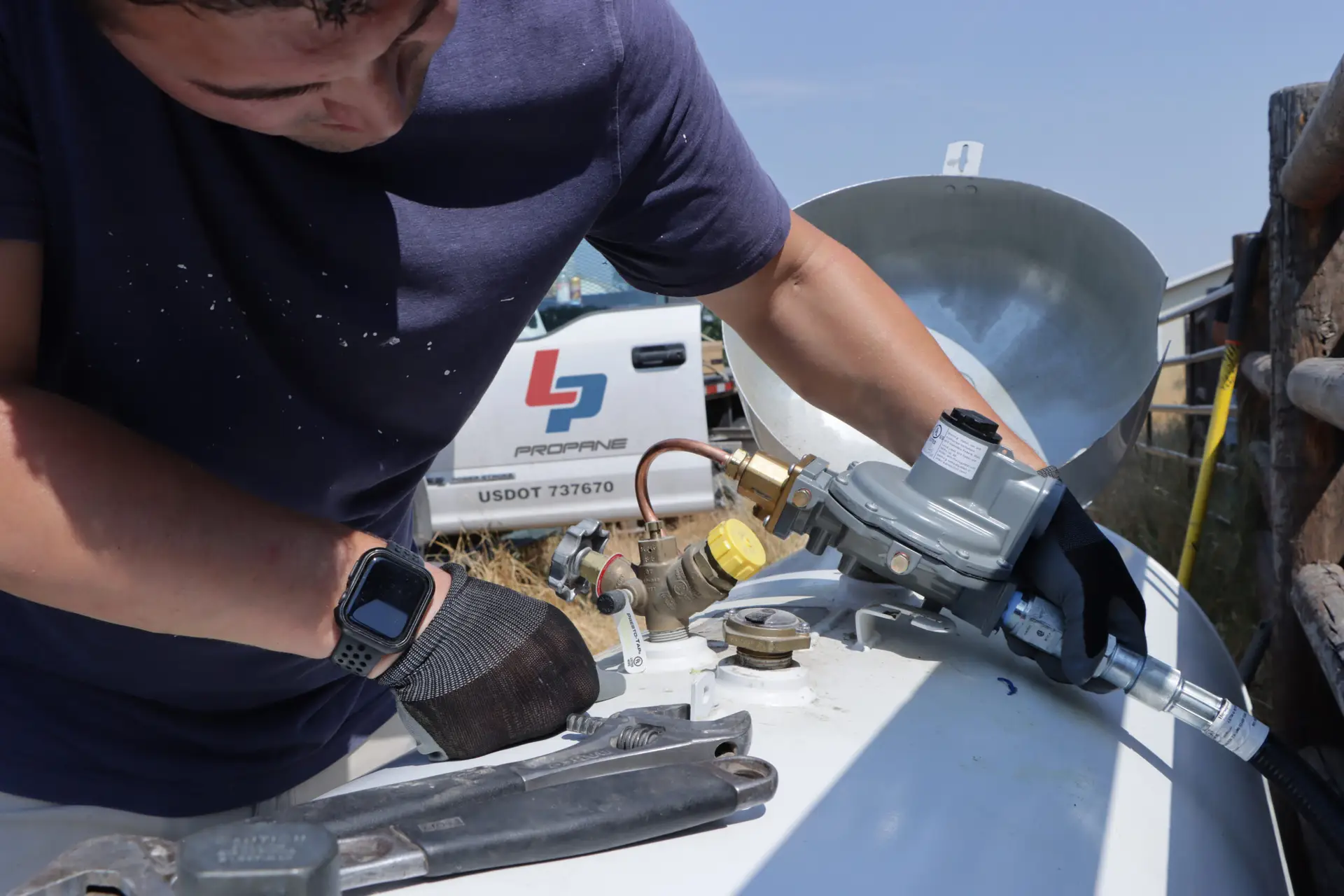
The connection between the propane tank and fuel system must be secure. If it’s installed properly it’s reliable. Secure connections improve safety. Performance is improved by careful inspections.

Valve Function Verification

Propane valves are used to regulate fuel flow in the system. Functionality is supported with proper operation. Reliable controls improve performance. Safety is improved with functional components.

Regulator Assessments

Regulators help manage propane pressure entering appliances. Efficiency is achieved with proper operation. Reliable regulation improves performance. Component evaluations enhance confidence.

Connector Evaluations

Flexible connectors and transition fittings are commonly used in propane installations. Component inspections are used to enhance reliability. Good connections enhance performance. Thorough evaluations enhance safety.

Appliance Shutoff Testing

Safety shutoff devices are important parts of many propane systems. Proper functionality supports operation. Reliable controls improve safety. Equipment testing enhances confidence.

System-Wide Component Review

Leak testing may also encompass a wider assessment of the system components to ensure that there are no installation issues. Reliability is enhanced by comprehensive inspections. Performance is backed up by thorough evaluations. Complete reviews enhance safety.

Why Leak Testing Is Essential Before Activation

Propane leak testing is one of the last tests done prior to placing a new system in operation. This testing can be done prior to the introduction of propane, and can be used to determine issues that require attention before installation. With a successful leak test, there is confidence that propane will flow through the system as intended. It can be used to check for security and stability of connections, pressure and proper functioning of fuel pathways. This will decrease the chances of any problems when appliances start up on propane gas. Leak testing also aids in meeting installation guidelines and industry best practices. Professional propane techs use specific procedures to ensure system integrity before activation. These processes contribute to maintaining the quality of the installation and contribute in the long term to the reliability of the system.

What Happens After a Successful Leak Test?

A technician who has successfully completed the leak test usually then goes on to finish installing and starting up the rest of the equipment. These steps could involve turning on propane, checking appliance function, checking regulator function and checking equipment function as per manufacturer’s specifications. During the appliance start-up, the technician can monitor the performance of the propane system under normal operating conditions. Propane-powered equipment such as furnaces, water heaters, stoves, fireplaces, generators, and others can be checked to ensure proper functioning and propane delivery. Property owners may also be provided with a brief overview of propane safety information by the technician. This can involve advice on what to look for when smelling propane, propane storage tank maintenance, the location of propane shutoff valves and recommended inspection schedules. Homeowners learn to have a better understanding of their propane system and learn how to operate it safely through education.

A Critical Part of Every Safe Propane Installation

One of the most critical tests that is done during new propane installation is a propane leak test. People think of leak testing as simply checking for escaping gas, the process actually involves evaluating piping integrity, pressure stability, connection quality, system components, and overall installation readiness. Detailed pre-activation testing of the propane system helps to uncover issues before they become problems, and ensures performance and safety standards are met. Such assessments ensure accurate fuel delivery, optimized appliance performance, and system reliability over time. Homeowners’ knowledge of the propane leak test’s purpose is useful to know about the care and attention used in the professional propane installation. When combined with regular maintenance and continuous inspections, leak testing is a good starting point for safe, efficient and reliable propane use for years to come. 

BLAZING BLOGS

What a Propane Leak Test During Installation Actually Checks | LP Propane

Understanding Propane Heater Ignition Problems 

Understanding Propane Heater Ignition Problems When a propane heater clicks without lighting, it can be a frustrating issue, particularly in the winter when it’s crucial to have dependable heat. The “clicking” noise is usually a sign that the ignition system

Read More »

State Fair Giveaway

$500 Worth of Propane

Be one of the first 200 New Customers to sign-up until September 15th to get $500 worth of propane, FREE! You’ll also get 1 year free tank rental when you switch!

JOIN THE IGNITE PROGRAM

NEW CUSTOMER? Fill out the New Customer Application to join IGNITE.

Save $0.05 Per Gallon with the IGNITE Program Learn more!

This field is for validation purposes and should be left unchanged.
Name(Required)
Service Address(Required)
AAP Agreement(Required)
You will be contacted by a Customer Service Representative to obtain your credit card information.
MM slash DD slash YYYY