How Propane Supports Cooling Systems During Grid Failures

A power outage becomes a serious problem when it happens during extreme heat. Without electricity, air conditioners stop, refrigerators lose cooling, and temperature-sensitive equipment may fail within hours. As storms, hurricanes, wildfires, and heat waves continue to challenge electrical networks across the United States, many homeowners and businesses are exploring reliable backup power options. Propane helps maintain cooling systems during grid failures by powering standby generators that produce electricity when utility power is interrupted. Since propane can be stored onsite, it provides an available energy source even when fuel stations and power infrastructure are affected. From keeping a family comfortable to protecting commercial refrigeration, propane backup systems help maintain essential cooling when the electrical grid goes down.

Overview

  • Propane-powered generators keep cooling systems running when grid power fails.
  • They provide backup electricity for HVAC systems, air conditioners, and refrigeration units.
  • Stored propane remains available during storms, heat waves, and extended outages.
  • Proper generator sizing and maintenance help protect comfort, safety, and equipment.
How Propane Supports Cooling Systems During Grid Failures | LP Propane

Why Do Cooling Systems Need Backup Power?

Power Dependence

Most modern cooling equipment requires electricity from the utility grid. Central air conditioners, heat pumps, refrigerators, and commercial HVAC systems cannot function during an outage without backup electricity. This creates challenges during summer outages when indoor temperatures can rise quickly and cooling demand is highest.

Heat Risks

Extreme heat increases the importance of continuous cooling. Indoor temperatures can become uncomfortable and unsafe when air conditioning stops during prolonged hot weather. Older adults, young children, and people sensitive to heat may face greater risks when cooling systems are unavailable.

Grid Pressure

High electricity demand during heat waves can place additional stress on power networks. Millions of air conditioners operating at the same time can increase the chance of service interruptions. A backup power system reduces dependence on the main electrical supply during these periods.

Business Losses

Cooling failures can affect businesses that rely on temperature control. Restaurants, grocery stores, and warehouses may lose products when refrigeration systems stop working. Even a few hours without proper cooling can create financial losses and operational problems.

Outage Duration

Power outages can last from a few minutes to several days depending on the cause and location. Severe storms and natural disasters often require longer repair periods. Backup power helps cooling equipment continue operating until electricity returns.

Cooling Protection

A propane-powered generator provides an alternative electricity source during outages. It allows important cooling equipment to keep working instead of shutting down completely. This protection helps maintain comfort, safety, and product quality.

Cooling protection starts before the power fails

How Does Propane Power Cooling Equipment?

Fuel Conversion

A propane generator converts stored propane into mechanical energy and then produces electrical power. This electricity operates connected devices and cooling equipment. The process allows properties to maintain essential systems without relying on utility power.

Automatic Switching

Many standby systems include an automatic transfer switch. This component detects when grid electricity stops and transfers the power supply to the backup generator. The transition can happen within seconds, reducing cooling interruptions.

Stored Energy

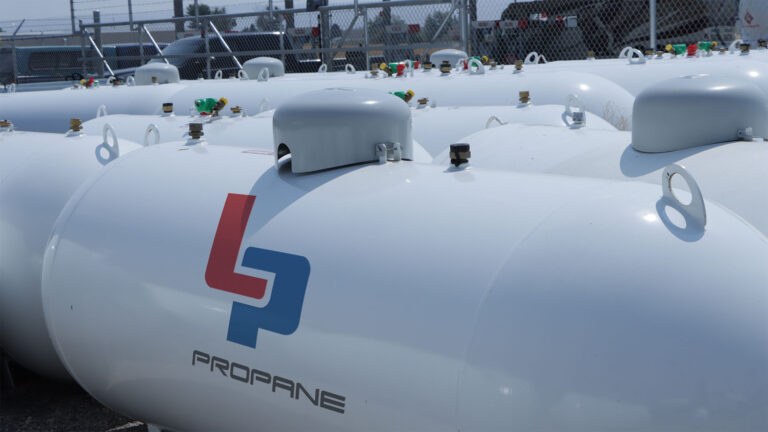
Propane tanks store fuel directly at residential and commercial properties. Common home tank sizes include 120, 250, and 500 gallons depending on energy needs.  This stored supply provides access to backup energy during emergencies.

Long Storage

Propane remains stable during long storage periods when properly maintained. Unlike some liquid fuels, it does not lose quality quickly when stored. This makes it suitable for emergency power applications.

Generator Capacity

The size of a propane generator determines which cooling systems it can support. A small residential system may handle essential appliances, while larger units can support multiple HVAC systems. Proper sizing prevents overload and improves performance.

Backup Operation

Propane generators can automatically provide electricity during outages and stop when normal power returns. This automatic operation makes them useful for homes and businesses that need continuous cooling support.

What Cooling Systems Can Propane Support?

Home AC Units

Residential air conditioning systems can operate with propane backup power when the generator provides enough electricity. Because compressors require extra startup power, proper load calculations are important before installation.

Heat Pump Systems

Heat pumps use electricity to provide cooling by moving heat away from indoor spaces. During outages, propane generators can supply the electricity needed for operation. This allows homeowners to continue using their existing cooling equipment.

Refrigeration Units

Refrigerators and freezers are common priorities during power outages. Maintaining cold temperatures helps prevent food spoilage and unnecessary waste. Propane backup power keeps these systems operating during extended interruptions.

Walk-In Coolers

Restaurants and food businesses depend on walk-in coolers to store products safely. A properly sized propane generator can support these refrigeration systems and reduce losses during outages.

Commercial HVAC

Commercial buildings often require larger cooling systems to maintain comfortable indoor environments. Propane backup systems can provide electricity for offices, retail spaces, warehouses, and other facilities.

Critical Cooling

Some facilities require continuous temperature control to protect equipment, products, or occupants. Propane-powered backup systems help maintain cooling during unexpected grid failures.

Why Is Propane Useful for Future Grid Challenges?

Propane provides a practical backup energy option because it allows cooling systems to continue operating when electricity from the grid is unavailable. As weather events create more pressure on power networks, backup solutions help homes and businesses prepare for unexpected interruptions. A propane-powered generator gives property owners greater control over their cooling needs during emergencies. It supports air conditioning, refrigeration, and HVAC systems when reliable temperature control matters most.

What Should You Consider Before Installation?

Before choosing a propane backup system, evaluate your cooling requirements, property size, generator capacity, and expected outage conditions. The right system depends on which equipment needs power and how long backup operation may be required. Planning ahead, maintaining fuel supplies, and scheduling regular inspections can help ensure your cooling system remains available when the grid fails.

Preparing Cooling Systems for Reliable Backup Power

Grid failures can happen during the hottest and most challenging weather conditions. When electricity stops, propane-powered generators provide a reliable way to keep cooling systems operating and protect essential equipment. The best approach is to prepare before an outage occurs. Review your cooling needs, choose the correct propane backup system, maintain your equipment, and create a plan that keeps your home or business comfortable when the electrical grid is unavailable.

BLAZING BLOGS

How Propane Supports Cooling Systems During Grid Failures | LP Propane

Propane Safety Tips Every Homeowner Should Know

Propane Safety Tips Every Homeowner Should Know Propane provides reliable energy for millions of homes across the United States. Homeowners use propane for heating systems, water heaters, fireplaces, cooking appliances, outdoor grills, and backup generators. While propane is a safe

Read More »

State Fair Giveaway

$500 Worth of Propane

Be one of the first 200 New Customers to sign-up until September 15th to get $500 worth of propane, FREE! You’ll also get 1 year free tank rental when you switch!

JOIN THE IGNITE PROGRAM

NEW CUSTOMER? Fill out the New Customer Application to join IGNITE.

Save $0.05 Per Gallon with the IGNITE Program Learn more!

This field is for validation purposes and should be left unchanged.
Name(Required)
Service Address(Required)
AAP Agreement(Required)
You will be contacted by a Customer Service Representative to obtain your credit card information.
Terms of Service(Required)

LP Propane Ignite Program – Terms and Conditions

1. Eligibility and Program Requirements
To qualify for and maintain enrollment in the LP Propane Ignite Program and receive the $0.05 per gallon fuel discount, the Customer must simultaneously enroll in and maintain active status in the following three core services:

Auto Fill Delivery: The Customer authorizes LP Propane to automatically monitor, schedule, and deliver propane to the designated tank when levels dictate, bypassing the standard Will Call scheduling requirements.

Auto Pay: The Customer must maintain a valid, authorized payment method on file (Credit Card, Debit Card, or ACH/Direct Draft). Invoices will be automatically drafted within 7 days after the delivery.

Paperless Billing: The Customer agrees to receive all invoices, statements, and program communications via email. Opting out of online billing or requesting paper statements will result in a $4.95 monthly fee and disqualification from the program.

2. Fuel Discount Terms

The $0.05 per gallon discount applies exclusively to the standard market rate of propane at the exact time of delivery.

The discount is applied automatically on invoice.

This discount cannot be combined with specific commercial contract pricing or volume discounts unless expressly authorized in writing by LP Propane.

3. Tank Monitoring and Delivery Access

LP Propane may utilize physical tank monitors or advanced usage-tracking algorithms to schedule deliveries.

Access Requirements: The Customer must ensure the propane tank is always completely accessible to delivery personnel and vehicles. The pathway must be free of obstacles, locked gates, debris, or unrestrained animals within a 100-foot radius.

Seasonal Maintenance: During winter months, the Customer is legally responsible for clearing snow, ice, and paths leading to the tank. If a delivery vehicle cannot safely access the tank, the delivery will be delayed, and any emergency filling fees incurred due to subsequent low fuel levels will be billed to the Customer.

4. Credit Status and Payment Failures

If an Auto Pay transaction is declined or fails for any reason (e.g., expired card, insufficient funds), the Customer must update their account billing details immediately. If the transaction remains unprocessed for 30 days despite attempts by LP Propane to contact the Customer, the account will be automatically unenrolled from the program.

If an account balance becomes past due, LP Propane reserves the right to suspend Auto Fill privileges, pause the $0.05 per gallon discount, and transition the account to a "Will Call / Cash on Delivery" basis until the account is brought current and after review and approval of LP Propane’s credit department.

5. Program Termination or Changes

Customer Termination: Removing any of the mandatory components (Auto Fill, Auto Pay, or Paperless Billing) constitutes voluntary termination from the program. If you would like to opt out of the Ignite program you must submit 30 day written notice

Company Modifications: LP Propane reserves the right to alter, modify, or terminate the Ignite Program framework, including discount amounts or underlying eligibility terms.

MM slash DD slash YYYY