The Growing Trend of Propane-Powered School Buses and Fleet Vehicles

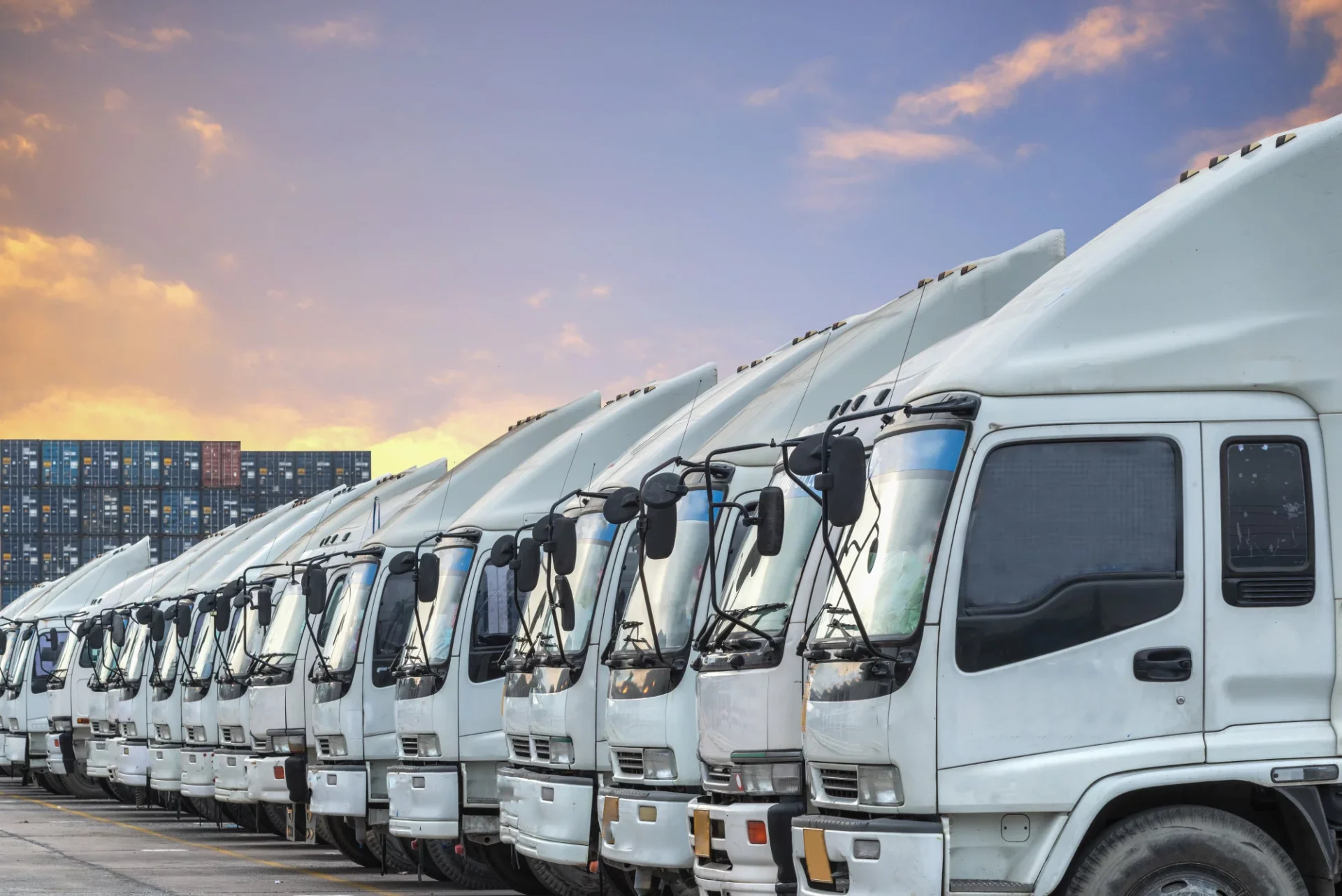
As gas prices continue to fluctuate and the environmental regulations tighten, transportation agencies across the country are seeking reliable, budget-friendly alternatives to gasoline and diesel fuel. The solution gaining serious momentum? Propane-fueled school buses and fleet vehicles. With its clean burning properties, domestic availability, and reduced total cost of ownership, propane is leading the way from student transportation to delivery trucks—and revolutionizing the game. With over 20,000 propane school buses already on the road in 1,000+ U.S. school districts, and thousands of commercial fleets switching as well, propane-powered transportation growth is no longer a trend, it’s a shift.

The Rise of Propane-Powered School Buses and Fleet Vehicles | LP Propane

Why Fleets Are Switching to Propane

Fleet managers everywhere in the U.S. are embracing propane as a clean, affordable option that provides reliable performance with less maintenance hassle.

Equipment Rental and Buying Costs

Temporary propane heaters come in various kinds and BTU capacities. Rental prices for a direct-fired heater start at around $100 a week, while industrial units cost $400–$500 a week. Purchasing costs from $300 for small radiant units to over $2,500 for heavy-duty, indirect-fired units. Calculate based on project length and whether longer use justifies a purchase.

Cost Savings in the Long Term

Propane is 30–50% less expensive per gallon than diesel in the majority of states in the U.S. This price stability helps public school budgets and private industry budgets more effectively. Additionally, propane engines are simpler, fewer parts to fix, and less downtime, saving thousands of dollars a year per vehicle.

Emissions Compliance Made Easy

The U.S. EPA and state air pollution regulations are compelling diesel fleets toward cleaner alternatives. Propane releases up to 96% less NOx and virtually no soot. This streamlines compliance objectives and penalty evasion in low-emission zones and urban areas.

Proven Engine Performance

Propane engines now are designed to be reliable and long-lasting. The majority of fleet managers discover equal or greater performance relative to diesel in the areas of torque, acceleration, and fuel range. They also are fast to start and perform well at hot and cold temperatures with reduced start-ups.

Access to Incentives and Grants

Federal programs like the EPA Clean School Bus Program offer rebates up to $375,000 per bus for the switch from diesel to propane. State grants and local utility rebates also cover the cost of vehicle purchase and equipment installation, paying for the switch.

Better Public Perception

Customers, communities, and parents increasingly want companies that are eco-friendly. Propane vehicles are quieter, reduce poisonous tailpipe emissions, and provide an image of a modern company that increases trust and brand value.

Domestic Energy Security

Propane is a byproduct of natural gas and oil refining and is produced in volumes in America. It is different from gasoline or diesel because its price is not directly related to foreign oil markets. Propane supports American energy independence and keeps revenue in the national economy. 

Propane fuels the future with cleaner rides, lower costs, and unbeatable reliability.

The Benefits of Propane School Buses

School districts are resorting to propane buses to safeguard the health of students, minimize emissions, and maximize transportation budgets without sacrificing reliability.

Cleaner Air for Students

Children are especially vulnerable to air pollutants, and diesel exhaust has been linked to asthma, allergies, and long-term respiratory issues. Propane eliminates harmful particulates and reduces carbon monoxide exposure, improving the air quality in and around buses.

Quieter Operation

Propane buses are 50% quieter than diesel, making them a better option for early-morning pickups and urban routes. The reduced engine noise improves communication between drivers and students, enhancing safety and comfort.

Cold Weather Reliability

Propane doesn’t gel like diesel when temperatures are cold outside, and therefore, no costly engine block heaters or fuel additives are needed. Even in northern states such as Minnesota and Montana, propane buses start rapidly and keep routes on through the coldest times. 

Lower Maintenance Costs

Absent the need for diesel particulate filter, EGR system, or DEF fluid, propane buses are much simpler to maintain. As much as 50% less maintenance is expressed by numerous districts, which builds a slimmer budget for their fleet and more vehicle life.

Quick Refueling Options

On-site propane refueling stations offer quick refueling, often less than 10 minutes. Even rural area mobile delivery is feasible. Propane’s scalability also allows smaller districts to start with cylinder exchanges and phase in full auto-gas systems.

Driver Satisfaction

Many school bus operators prefer diesel not for its fuel economy but for smoother acceleration, less cabin fumes, and less vibration. Such comfort and dependability can pay off in driver retention—something of a chronic concern for many school districts.

How Propane Supports Commercial Fleets

Broad Vehicle Type Support

Propane technology today accommodates vans, pickups, shuttles, flatbeds, and beyond. Ford, GM, and Roush CleanTech are among companies that provide factory-prepared or aftermarket propane equipment to ensure easier integration into current fleets.

Lower Total Cost of Ownership

Although propane vehicles are going to be 5–10% more expensive to purchase, fleet managers realize 20–30% savings over 5 years through reduced fuel and maintenance costs. This cost-saving measure comes handy for fleets running at high mileage.

Simplified Emission Systems

Unlike diesel engines, propane systems require no complicated emissions equipment. That means less downtime, fewer shop calls, and no DEF or costly particulate filters to worry about—all without compromising EPA and CARB compliance.

Scalable Fueling Infrastructure

Fleets can begin with propane tank exchanges or mobile fueling and later add private infrastructure investment. In-terminal propane fueling stations can be installed for $30,000 and sized up as needed, allowing flexibility for growth.

Consistent Fuel Availability

More than 1,500 public propane fueling stations across the U.S. and growing vendor networks ensure fuel availability is rare. Numerous suppliers offer long-term contracts with price protection and automatic delivery.

Corporate Sustainability Goals

More and more corporations are undertaking ESG initiatives, and propane is a perfect match for these projects. By reducing fleet emissions without performance or cost compromise, companies can accomplish environmental and economic objectives.

Safety and Infrastructure Factors

Propane vehicles and tanks are U.S. DOT, NFPA 58, and FMCSA code compliant. Tanks are 20 times more puncture resistant than gasoline tanks and also possess a number of safety features like pressure relief valves and automatic shut-offs. Installation infrastructure includes fencing, ventilation, and concrete pads, assuring safety on every front. Turn-key installation packages from propane suppliers are preferred by most fleets.

Propane v. Electric v. Diesel Vehicles

Electric vehicles are ideal for some city fleets, but cost barriers to vehicles and infrastructure persist. Diesel runs much of rural and over-the-road use but is high in emissions and maintenance. Propane offers a strong middle ground: low-cost, low-emission, and infrastructurally neutral—ideal for school districts and smaller fleets that need reliable performance.

Propane Paves the Way for Clean Transport

The rise in popularity of propane-powered school buses and fleet vehicles is revolutionizing the way America gets around. From cleaner skies and lower expenses to increased energy security, propane checks all the boxes. Whether you’re transporting students to school or operating a local delivery fleet, propane offers an appealing solution for a cleaner, quieter, less expensive drive into the future.

BLAZING BLOGS

State Fair Giveaway

$500 Worth of Propane

Be one of the first 200 New Customers to sign-up until September 15th to get $500 worth of propane, FREE! You’ll also get 1 year free tank rental when you switch!

JOIN THE IGNITE PROGRAM

NEW CUSTOMER? Fill out the New Customer Application to join IGNITE.

Save $0.05 Per Gallon with the IGNITE Program Learn more!

This field is for validation purposes and should be left unchanged.
Name(Required)
Service Address(Required)
AAP Agreement(Required)
You will be contacted by a Customer Service Representative to obtain your credit card information.
Terms of Service(Required)

LP Propane Ignite Program – Terms and Conditions

1. Eligibility and Program Requirements
To qualify for and maintain enrollment in the LP Propane Ignite Program and receive the $0.05 per gallon fuel discount, the Customer must simultaneously enroll in and maintain active status in the following three core services:

Auto Fill Delivery: The Customer authorizes LP Propane to automatically monitor, schedule, and deliver propane to the designated tank when levels dictate, bypassing the standard Will Call scheduling requirements.

Auto Pay: The Customer must maintain a valid, authorized payment method on file (Credit Card, Debit Card, or ACH/Direct Draft). Invoices will be automatically drafted within 7 days after the delivery.

Paperless Billing: The Customer agrees to receive all invoices, statements, and program communications via email. Opting out of online billing or requesting paper statements will result in a $4.95 monthly fee and disqualification from the program.

2. Fuel Discount Terms

The $0.05 per gallon discount applies exclusively to the standard market rate of propane at the exact time of delivery.

The discount is applied automatically on invoice.

This discount cannot be combined with specific commercial contract pricing or volume discounts unless expressly authorized in writing by LP Propane.

3. Tank Monitoring and Delivery Access

LP Propane may utilize physical tank monitors or advanced usage-tracking algorithms to schedule deliveries.

Access Requirements: The Customer must ensure the propane tank is always completely accessible to delivery personnel and vehicles. The pathway must be free of obstacles, locked gates, debris, or unrestrained animals within a 100-foot radius.

Seasonal Maintenance: During winter months, the Customer is legally responsible for clearing snow, ice, and paths leading to the tank. If a delivery vehicle cannot safely access the tank, the delivery will be delayed, and any emergency filling fees incurred due to subsequent low fuel levels will be billed to the Customer.

4. Credit Status and Payment Failures

If an Auto Pay transaction is declined or fails for any reason (e.g., expired card, insufficient funds), the Customer must update their account billing details immediately. If the transaction remains unprocessed for 30 days despite attempts by LP Propane to contact the Customer, the account will be automatically unenrolled from the program.

If an account balance becomes past due, LP Propane reserves the right to suspend Auto Fill privileges, pause the $0.05 per gallon discount, and transition the account to a "Will Call / Cash on Delivery" basis until the account is brought current and after review and approval of LP Propane’s credit department.

5. Program Termination or Changes

Customer Termination: Removing any of the mandatory components (Auto Fill, Auto Pay, or Paperless Billing) constitutes voluntary termination from the program. If you would like to opt out of the Ignite program you must submit 30 day written notice

Company Modifications: LP Propane reserves the right to alter, modify, or terminate the Ignite Program framework, including discount amounts or underlying eligibility terms.

MM slash DD slash YYYY