Should You Cover Your Propane Tank in Winter?

During the winter months, many homeowners seek to safeguard outdoor equipment against freezing temperatures, snow, ice, and the elements. With propane tanks being kept outside all year, you may be thinking about covering the tank in the winter months to help protect it or to help it work better. Fortunately, propane tanks are made for outdoor use in all seasons, even cold winter weather. When used correctly and maintained properly, they will safely resist snow, rain, ice and freezing temperatures due to their durable steel construction and weather resistant coatings. When winter comes, in most cases a propane tank doesn’t have to be covered. But, this doesn’t mean that homeowners should not pay attention to their propane system during the colder seasons. Maintaining access to the tank, monitoring fuel levels and being prepared for the winter weather are all crucial components of good propane management. Understanding the difference between helpful winter maintenance and unnecessary coverings can help homeowners care for their propane system properly.

Should You Cover Your Propane Tank in Winter? | LP Propane

Do Propane Tanks Need to Be Covered?

Built for Outdoor Weather

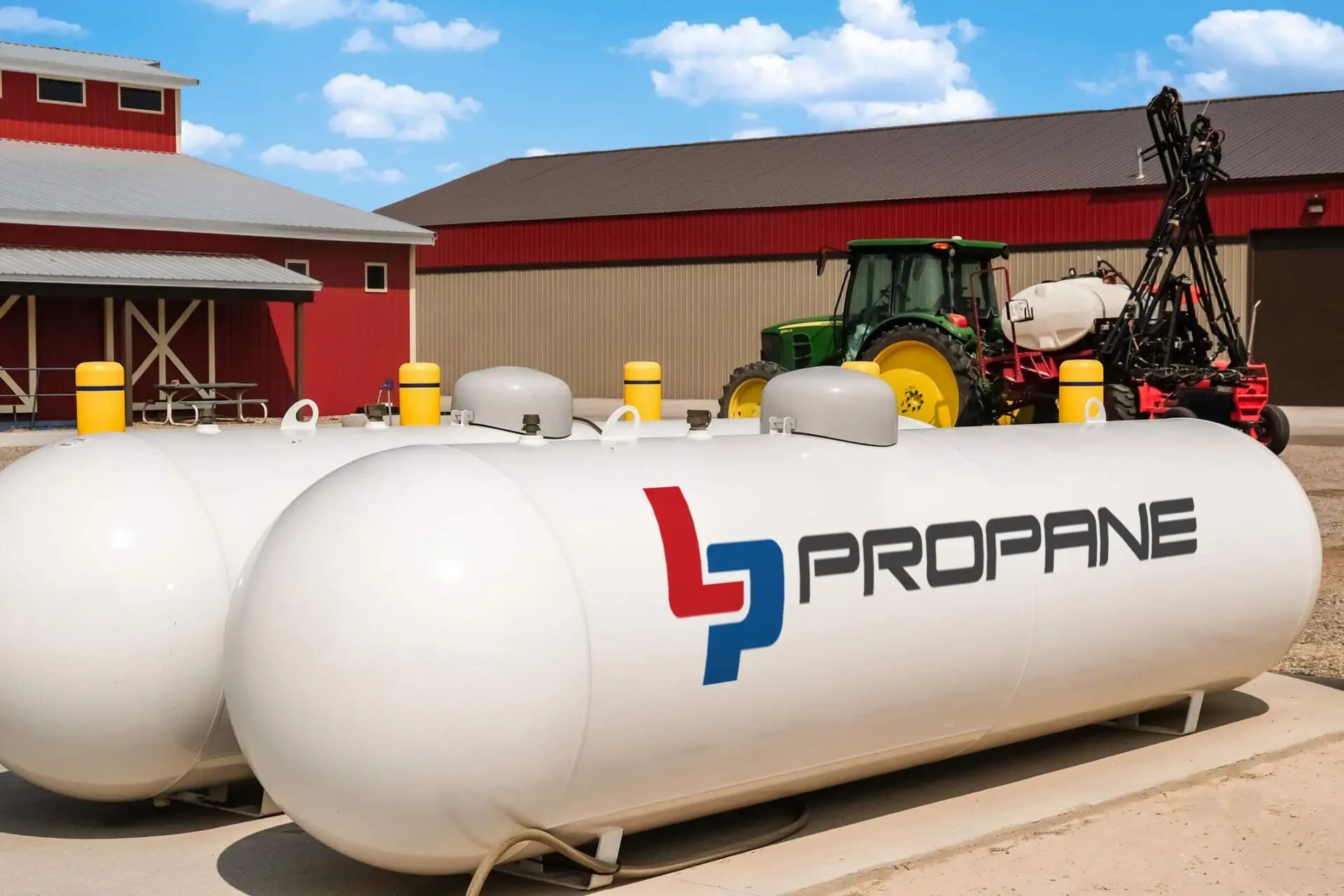
Propane tanks are designed to withstand the conditions of the weather. Proper construction ensures year round performance. Because of the weatherproofing, materials enhance their durability. Reliability is increased with outdoor design.

Protective Exterior Coatings

Moisture and normal environmental exposure are protected by the coatings applied to the tank in the factory. Protection finishes help to ensure durability. Frequent maintenance extends life. Good care improves the performance.

Covers May Restrict Inspections

Routine visual inspections may be more difficult if a propane tank is completely covered. Equipment is visible and aids maintenance. Servicing is enhanced by easy access. 

Delivery Access Is Important

It is essential that propane delivery personnel have access to the tank during the winter. Smooth deliveries are made possible by the free movement of the equipment. Service is enhanced by accessible tanks. Well planned increases convenience.

Ventilation Should Not Be Blocked

Propane equipment must always be properly ventilated. Restrictive coverings can disrupt the normal air flow through system components. Open environments allow for safe operation. Proper installation enhances reliability.

Follow Manufacturer and Supplier Recommendations

Before installing winter protection covers, check with your propane supplier for any questions you may have. Proper care is given with professional guidance. Expert advice improves confidence. Recommended practices enhance performance.

The best winter protection comes from smart maintenance, not extra coverings

Winter Maintenance Tips for Your Propane Tank

Keep Snow Away From the Tank

Clear away excess snow that may be in the way of the tank, regulator, or valves. Equipment is clear for inspection. Deliveries are improved with easy access. Regular snow clearing makes it easier.

Clear a Path for Delivery Drivers

Keep propane tanks away from driveway and access. Timely delivery of fuels is facilitated using accessible pathways. Service is enhanced in the winter. Clear routes are more efficient.

Monitor Propane Levels Frequently

Propane usage tends to rise during cold weather. Frequently checking the tank gauge helps to make planning easier. Fuel awareness enhances reliability. Consistent monitoring enhances preparedness.

Trim Nearby Vegetation

Clear snow or ice builds up from branches or shrubs around the propane tank. Accessibility is enhanced by the use of appropriate landscaping. Clean environments enhance maintenance. Regular maintenance contributes to reliability.

Inspect After Winter Storms

After a heavy snow or ice event, conduct a visual inspection of the tank area for debris or visible issues. Regular observation is used to aid maintenance. Getting early attention improves reliability. Property awareness enhances confidence.

Schedule Routine Maintenance

Propane equipment is checked prior to or during the heating season each year to ensure that it is in good operating condition. Professional servicing supports dependable performance. Preventative maintenance makes it more efficient. Proper maintenance prolongs life.

Common Winter Propane Myths

Propane Freezes in Cold Weather

Propane will remain gaseous at very low temperatures, even in most winter climates. Vaporization rates can be affected by cold weather in some situations, but propane does not freeze during the winter as a normal course of events. Knowing the properties of propane can help homeowners prevent needless worry.

Blankets Improve Tank Performance

The use of blanket or insulation around propane tanks will not improve normal operation and may hinder inspections or access to the propane tanks. Tanks are meant to be used outside and not to be covered. Proper performance is supported by following manufacturer’s recommendations.

Snow Damages the Tank

In most cases, snow sitting on a well-maintained propane tank will not harm the tank. Routine snow removal is recommended to provide access to valves, regulators and delivery areas, but is not primarily provided to protect the tank.

Indoor Storage Is Safer in Winter

Outdoor propane tanks are intended for outdoor use. Tanks should not be moved or stored in the interior unless under the control of trained individuals and in accordance with relevant guidelines, otherwise it can prove to be a serious safety risk.

Paint Prevents All Rust

Regular inspections and maintenance are still necessary, but protective coatings can assist in preventing corrosion. Maintaining a clean tank and repairing damaged finishes quickly helps preserve the longevity of a tank.

Winter Requires Special Tank Modifications

Typically propane tanks do not need to be adjusted for normal winter conditions. Routine maintenance and fuel monitoring remain the most effective preparation.

Why Winter Preparation Matters

While propane tanks are cold weather equipment, it is still important to prepare the surrounding property. Icy roads and access, plus snow on ground can cause delays in deliveries or inspections. Maintaining walkways and the tank area will help prevent unnecessary propane service interruptions. Also, propane usage is monitored more often during the winter. Propane usage is usually higher in winter months and during the busy holiday season, or when storms strike, it’s easy to forget to check fuel levels. Homeowners can schedule deliveries before the tank is at a low point by checking the tank gauge regularly. Regular maintenance combined with basic winter property maintenance helps to give added peace of mind during the heating season and helps ensure reliable propane service when it matters most. 

Working With Your Propane Supplier During Winter

A trusted propane supplier can help homeowners get ready for seasonal changes by offering suitable delivery schedules, information about automatic delivery and answering propane use questions during the winter season. If there are any communication issues, it is much easier to make arrangements before severe weather strikes than when it has already started. Additionally, annual checks by the propane professional can ensure that the tank, regulator and other visible parts of the system are in excellent condition and ready for use before the heating season starts. They are preventive inspections that help to ensure optimal performance and long-term reliability of systems. Homeowners can rely on propane service year round and not need to cover their propane tanks if they work closely with a qualified propane supplier and apply recommended maintenance practices.

Focus on Maintenance, Not Covers

Generally propane tanks do not require winter protection. They are particularly designed for outdoor use, and are designed to withstand freezing temperatures, rain, and snow. Homeowners should aim to keep the tank easily accessible, monitor propane levels, clear away excess snow, and perform regular maintenance, instead of putting up covers. Reliable winter propane performance is provided by regular inspections, adequate drainage, open delivery access and professional service. The following simple measures will help to keep the propane system running at peak efficiency during the coldest part of the year. By taking steps to plan ahead and maintain the system properly, homeowners can count on their propane system to provide safe and reliable comfort throughout the winter. 

BLAZING BLOGS

Should You Cover Your Propane Tank in Winter? | LP Propane

How to Protect Your Propane Tank From Rust

How to Protect Your Propane Tank From Rust Propane tanks can last for years outdoors and are a reliable source of energy for homes, businesses, farms and recreational property. They’re built from tough steel and have protective coatings to withstand

Read More »
Should You Cover Your Propane Tank in Winter? | LP Propane

Why Does My Propane Fireplace Smell Strange?

Why Does My Propane Fireplace Smell Strange? Many homes are outfitted with a propane fireplace, which offers warmth, comfort and ambiance. A well-functioning propane fireplace should not emit strong or persistent smells when operational. But sometimes homeowners may detect a

Read More »

State Fair Giveaway

$500 Worth of Propane

Be one of the first 200 New Customers to sign-up until September 15th to get $500 worth of propane, FREE! You’ll also get 1 year free tank rental when you switch!

JOIN THE IGNITE PROGRAM

NEW CUSTOMER? Fill out the New Customer Application to join IGNITE.

Save $0.05 Per Gallon with the IGNITE Program Learn more!

This field is for validation purposes and should be left unchanged.
Name(Required)
Service Address(Required)
AAP Agreement(Required)
You will be contacted by a Customer Service Representative to obtain your credit card information.
MM slash DD slash YYYY