How to Protect Your Propane Tank From Rust

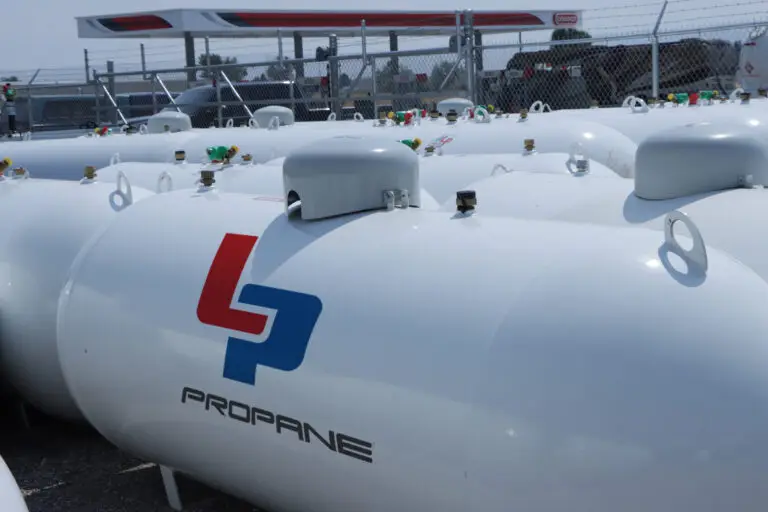
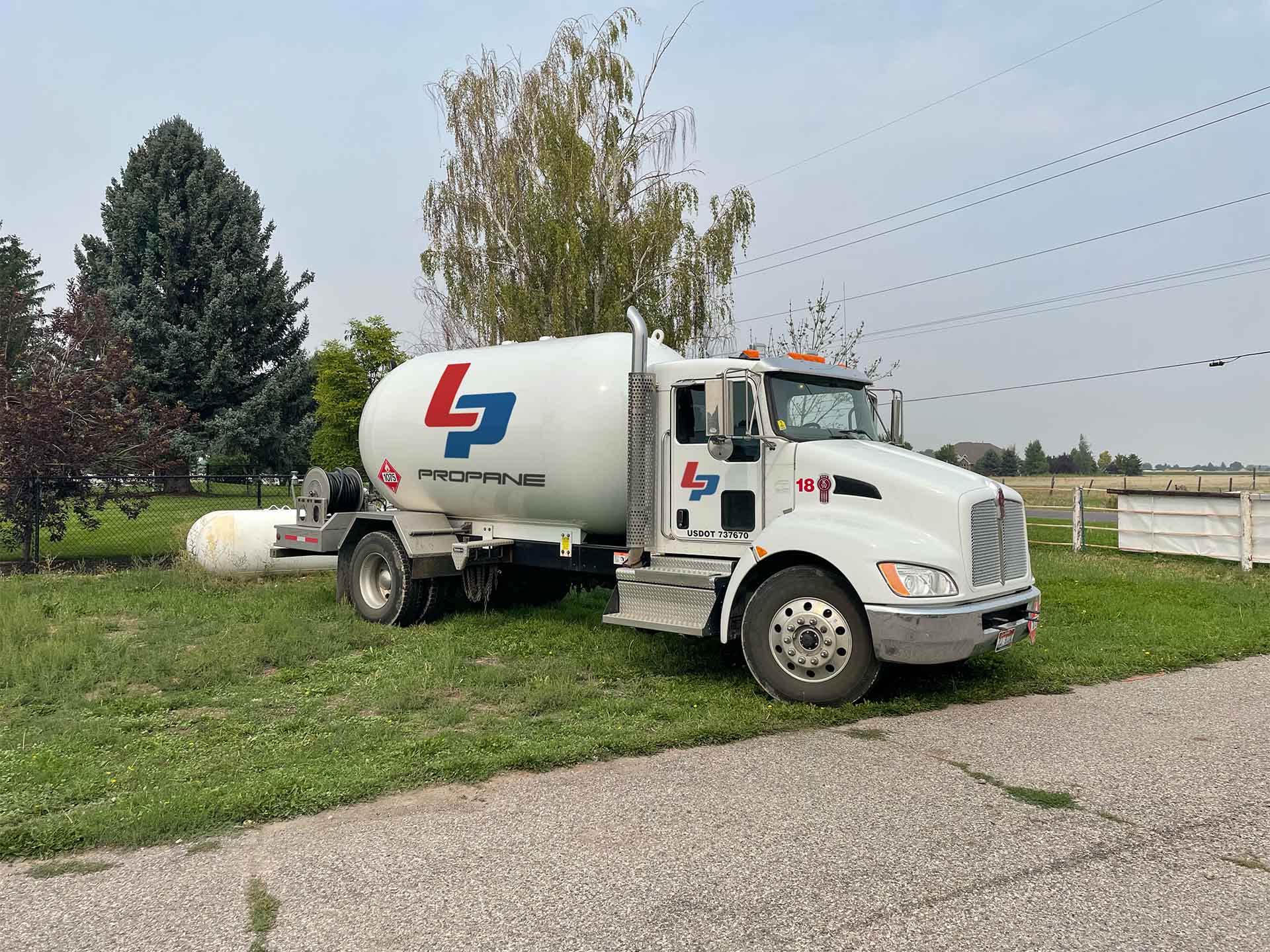
Propane tanks can last for years outdoors and are a reliable source of energy for homes, businesses, farms and recreational property. They’re built from tough steel and have protective coatings to withstand regular weather conditions as they stay outside all year long. Despite this, moisture, temperature and environmental conditions can still cause surface rust over time if the tank is not properly maintained. Although surface rusting is not always common, as the rusting continues, the appearance of the tank may deteriorate and it could be necessary to seek professional help at some point. Regular checks and maintenance ensure that small problems can be detected early, thus contributing to the system’s long-term reliability. Fortunately, rust is easy to prevent in a propane tank. Standard maintenance, good drainage, and professional checks periodically will help ensure that the tank maintains its protective finish, and will help the tank last long.

How to Protect Your Propane Tank From Rust | LP Propane

What Causes Rust on a Propane Tank?

Moisture Exposure

Surface corrosion may develop over time from the effects of rain, snow, humidity and standing water. Good drainage promotes equipment life. A dry environment makes for better protection. Periodic maintenance increases reliability.

Damaged Protective Coating

Scratches, chipped paint or worn protective finishes can reveal the steel underneath. The exterior coating helps to maintain the durability. Protective finishes improve longevity. Inspection helps to improve performance.

Bad Drainage Around Tank

Water that builds up around the tank after storms can lead to greater water exposure. Proper drainage is a factor in equipment protection. Dry ground enhances maintenance. Improved site conditions increase reliability.

Dirt and Organic debris

Tank debris such as leaves, grass clippings, mud, etc. may hold water against the sides of the tank. Maintaining cleanliness will aid in promoting ventilation. Regular housekeeping enhances protection. Proper maintenance enhances durability.

Coastal or Humid Environments

Surface corrosion may be more aggressive in humid or salt exposed areas. Maintenance needs are affected by environmental conditions. Routine inspections increase reliability. If cared for properly, there is an increase in longevity.

Normal Aging

All propane tanks have a natural wear and tear as time passes, even if they are well-maintained. Regular inspections aid in early detection. Preventative maintenance leads to reliability. Professional assessments boost confidence.

A properly maintained propane fireplace should provide warmth with minimal odor

How to Help Prevent Rust

Check the Tank Frequently

Inspect the tank periodically for signs of rust, damaged or chipped paint. Early detection means timely maintenance. Regular checks enhance reliability. Preventative care enhances performance.

Keep the Tank Clean

Clear away dirt, leaves and other debris from the propane tank area. A clean environment facilitates air flow. Proper housekeeping improves protection. Cleaning regularly makes them more durable.

Maintain Good Drainage

Do not allow rainwater to accumulate around the propane tank. Good drainage is important for equipment longevity. Maintenance is easier when dry conditions prevail. Reliability is improved with site care.

Protect the Heat and Sound Insulation

When the protective coating is damaged, check with your propane supplier what maintenance procedures you should follow. A protective finish helps to maintain durability. Professional advice increases the success rate. Good maintenance improves performance.

Trim Nearby Vegetation

Avoid having grass, shrubs or tree branches in contact with the tank. Proper ventilation aids in drying after rainfall. Improved accessibility due to vegetation management. Routine landscaping enhances protection.

Schedule Professional Inspections

A licensed propane technician will be able to diagnose potential corrosion issues before they get worse. Long term performance is supported by professional evaluations. Reliability is enhanced through routine maintenance. Expert care enhances confidence.

When to Contact a Propane Professional

Rust That Continues to Spread

If you notice surface rust beginning to spread when you are doing regular maintenance, call your propane provider. The appropriate treatment is backed by professional assessments. Early attention improves reliability. Good advice builds confidence.

Deep Corrosion

If the corrosion seems to be deep or extensive, it should be professionally inspected. Well-performing evaluations are used to help ensure equipment safety. Regular checks mean that reliability is enhanced. Performance is improved by qualified service.

Damaged Paint or Coating

If there is substantial peeling, blistering or loss of protective coating then it may need professional care. Exterior protection contributes to tank longevity. A well-maintained system is more durable. Care by an expert increases reliability.

Damage After Severe Weather

The propane tank may be damaged from storms, flooding or falling debris. The operation depends on the professional inspections. Confidence is enhanced with timely evaluations. Safe care is promoted through proper care.

Questions About Tank Condition

If there is visible rust, and you are unsure if it is cosmetic or more serious, contact your propane supplier. Professional assessments provide clarity. Having expert advice enhances decision making. Regular assessments help increase confidence.

Scheduled Maintenance Visits

Technicians have the opportunity for regular service appointments to assess the exterior condition of the tank. Preventive maintenance contributes to reliability. Good performance is achieved through regular inspections. Professional care enhances longevity.

Why Routine Maintenance Protects Your Investment

Your propane tank should be considered part of your home heating system, so safeguard it to be sure it will serve you for many years. Regular maintenance can also aid in early detection of rust and will provide the opportunity for the technician to visually inspect other components, such as valves, regulators and connections, for normal wear and tear. It’s also easier to conduct professional inspections when the tank is clean and accessible. Vegetation, debris and standing water can be kept under control, so that delivery personnel and service technicians can better assess the tank. These basic maintenance practices help ensure efficient service calls, and better overall equipment maintenance. Preventative maintenance can be much less expensive than repairing or replacing parts when corrosion has reached its later stages. The proactive approach will ensure that the propane system will look and function the same way for the longest time. 

Developing Good Propane Maintenance Habits

Rust prevention is not something you do once a propane tank is installed but a part of responsible home maintenance. By implementing basic practices like just looking after the tank after a storm, maintaining a clean area, and considering drainage, homeowners can begin to recognize possible issues before they escalate. Annual propane system inspections are also a great way to give them peace of mind! A qualified technician can perform maintenance based on the age of the tank, the environment and appearance of the tank and ensure the system is operating efficiently. Homeowners can work to maximize propane tank life and ensure consistent energy service all year long through regular maintenance, proper site practices and professional assistance.

Small Maintenance Steps Help Prevent Rust

While rust is a common issue with any outdoor steel equipment, the propane tank, if properly maintained, should last for many years. While moisture, damaged coatings, poor drainage and environmental conditions can cause surface corrosion over time, regular maintenance should minimize these risks. Regular inspections, keeping the tank clean, good drainage, cutting back around the tank and working with qualified propane professionals will help prevent unnecessary corrosion. Prompt repairs of minor problems keeps the tank’s look, function and lifespan intact. Regular propane tank maintenance can contribute to a safe, efficient, and reliable propane system for many years to come. 

BLAZING BLOGS

How to Protect Your Propane Tank From Rust | LP Propane

Why Does My Propane Fireplace Smell Strange?

Why Does My Propane Fireplace Smell Strange? Many homes are outfitted with a propane fireplace, which offers warmth, comfort and ambiance. A well-functioning propane fireplace should not emit strong or persistent smells when operational. But sometimes homeowners may detect a

Read More »
How to Protect Your Propane Tank From Rust | LP Propane

What Happens If Water Gets Into a Propane Tank?

What Happens If Water Gets Into a Propane Tank? Propane tanks are designed to allow propane to be stored safely in a sealed environment, preventing exposure to outside contaminants (moisture, dirt and debris). A well-maintained propane tank should never contain

Read More »

State Fair Giveaway

$500 Worth of Propane

Be one of the first 200 New Customers to sign-up until September 15th to get $500 worth of propane, FREE! You’ll also get 1 year free tank rental when you switch!

JOIN THE IGNITE PROGRAM

NEW CUSTOMER? Fill out the New Customer Application to join IGNITE.

Save $0.05 Per Gallon with the IGNITE Program Learn more!

This field is for validation purposes and should be left unchanged.
Name(Required)
Service Address(Required)
AAP Agreement(Required)
You will be contacted by a Customer Service Representative to obtain your credit card information.
MM slash DD slash YYYY