How to Tell If Your Propane Regulator Is Failing

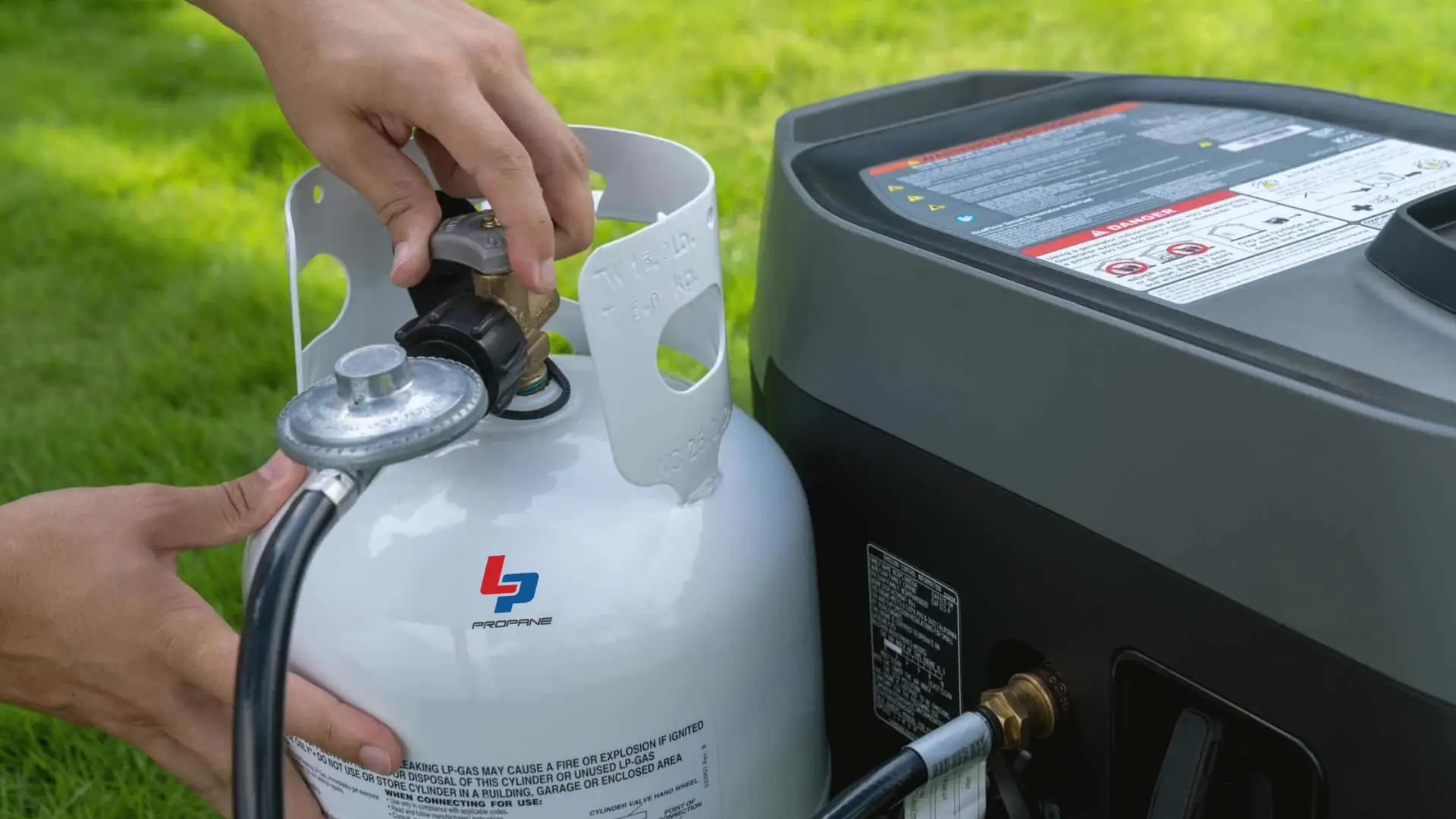
One of the most substantive parts of your propane system is a propane regulator yet it is usually ignored until something wrong occurs. Its primary function is to reduce high tank pressure to a stable, usable level that household appliances can safely operate on. Unless regulated, propane pressure may be unstable producing unstable performance of appliances or even hazards. Knowing how to know when your regulator is not working assists homeowners to note the red flags early enough and prevent unexpected cut off in heating during the high demand seasons. Since the regulators are subjected to fluctuating temperatures, pressure cycles, and environmental factors, gradual wear is natural, however, neglect of the initial symptoms may result in bigger system failures.

How to Tell If Your Propane Regulator Is Failing | LP Propane

Common Signs Your Propane Regulator Is Failing

Weak or Flickering Flames

When the burners on stoves, fireplaces or even water heaters do not light well or burn steadily, the uneven pressure can be approaching the piece of equipment. A stable blue flame ought to be stable, any fluctuation indicates an imbalance in pressure.

Frequent Appliance Shutoffs

Water heaters, boilers or heating systems that switch off without much notice can be responding to the instability of pressure. Control of modern appliances became automatic and automatically turned off when the pressure in gas became unsafe.

Delayed Ignition

With an overly slow response of your furnace or water heater, gas pressure may be reduced by a faulty regulator.

Yellow or Orange Flames

A fire that is burning with propane is blue. The flames are also yellow or orange which is a sign that it is not properly combusting and in most cases it has been attributed to irregular delivery of pressure.

Unusual Noises Near the Regulator

Humming, whistling or vibrating sounds around the regulator may signal internal diaphragm wear or a limited supply of gas.

Visible Corrosion or Damage

Rust, fissures or fittings that are loose or weather worn on the regulator housing are indications that the part could be in a state of decay and that it might soon fail.

Stable propane starts with a healthy regulator!

Causes of Propane Regulator Failure

Natural Aging and Wear

The life of most propane regulators is about 10-15 years. The internal parts like the springs and diaphragms deteriorate with time in a form of pressure cycling.

Extreme Weather Exposure

Outdoor regulators are subjected to freezing weather, snow, rain, and heat. These aspects have the ability to hasten the decomposition of materials.

Moisture Intrusion

Water flowing over the regulator vent may freeze during winter or corrode internally to interfere with the pressure control.

Improper Installation or Sizing

A poorly fitted regulator can work itself to death due to constant workloads, which cause abrasion and performance problems.

Pressure Surges

The incurring of regulator parts due to overfilling of tanks or abrupt alteration of demand may occur especially without proper staging of the system.

Blocked Vent Openings

Regulator vents can be blocked by mud daubers, insects or debris that block proper airflow and interfere with proper regulation of pressure.

How Regulator Failure Impacts Propane System Performance

Insufficient Gas Pressure

The low pressure causes poor heating performance, low amount of hot water retrieved and cooking performance.

Excessive Gas Pressure

The resulting overheating, inefficiency, and possible equipment damage may be the result of the high pressure produced by appliances.

Inconsistent Appliance Cycling

Pressure instability leads to more frequent start and stop of the appliances and decreases the wear and life.

Increased Propane Consumption

The appliances may consume more propane to sustain performance because they are inefficient and they are under pressure because of imbalance.

Triggered Safety Systems

The new appliances are made to cut off when the readings have reached an unacceptable pressure.

Complete System Failure

In extreme situations, an ineffective regulator may cut off all flow of propane until they are repaired and the home is left without heating or hot water.

When Regulator Problems Require Immediate Attention

There are some urgent professional issues required by some regulator issues. Strong propane smells, high-pitched hissing, or complete shutdown of appliances could be indicative of severe pressure imbalance or leakages. These are the symptoms that cannot be disregarded because they may undermine performance and safety. Should you observe any sudden changes in pressure when the weather is very extreme, or when your appliances fail to start at all, then the regulator is no longer controlling its output at safe levels. A qualified propane technician should also deal with any observed leak or sudden pressure change to avoid additional risks. Where more than one appliance is found to be experiencing problems, the regulator is usually the usual connection. Real-time monitoring and maintenance will ensure that further destruction of the system will be avoided and the operation resumed as usual. The response to acting fast is to avoid the possibility of long heating outages, particularly in larger demand winter months.

How to Extend the Life of Your Propane Regulator

Regulator lifespan can be greatly increased through routine maintenance. Clearance of snow and debris around regulators, maintenance of unobstructed vents and shielding the components against direct contact with water minimize wear. Periodically, scheduling to check on the parts is also useful since before winter comes, it would be possible to identify the old age parts before they go down. The exposure to moisture and debris can also be minimized by installing a shield that is intended to cover propane regulators, but it should not limit the ventilation. Regular check on performance of the appliances enables identification of small problems in pressure variation before they put an additional strain on the regulator. Regulators also have less stress due to the monitoring of the propane tank levels. Very low tank level may result in pressure swings that puts pressure on internal parts. Keeping the fuel levels constant makes operation easier and reduces unwarranted wear.

When to Replace a Failing Regulator

In case a regulator exhibits recurrent performance problems, apparent harm, or instability in pressure, it is frequently the wisest course of action to substitute it. Regulators are accuracy safety instruments and hence it is always important to have them installed professionally, to be sized and calibrated properly. Even those old regulators who seem to be functioning well should be tested even when they seem to be beyond their expected life span. This can be prevented by replacement in advance thus ruling out the chance of failure at the most critical times of use. Proactive replacement of the aging regulators before total failure occurs eliminates emergency service calls and ensures that there is continued performance of the propane throughout the year. It also helps in the safeguarding of related appliances against any type of damage due to the variation in the pressure levels.

Forming knowledge on how to identify whether your regulator is failing will enable the homeowners to identify problems that are associated with pressure before they grow. The signs of weak flames, appliance shutdowns, strange sounds, and corrosion that is evident are not to be disregarded. Acting early will not just help in restoring efficiency within the system but will also avoid having to incur more expenses on repair in the future. By responding to the concerns of regulators early enough, you will be guaranteed that your propane system will be in operation in a safe, reliable manner. Since the propane regulator regulates pressure throughout the system, even minor failure can influence comfort, efficiency and safety. The consistent supply of propane and the correct functioning of appliances and high reliability in all seasons are guaranteed by the timely check and correct replacement of parts.

BLAZING BLOGS

How to Tell If Your Propane Regulator Is Failing | LP Propane

How Wildfire Season Impacts Propane Supply

How Wildfire Season Impacts Propane Supply The wildfire season has grown much more severe in most areas with not just natural scenery being impacted but also the provision of vital services and supply chains. Out of all the numerous industries

Read More »
How to Tell If Your Propane Regulator Is Failing | LP Propane

What is Propane Odorant and How It Works

What is Propane Odorant and How It Works Propane is a popular residential, commercial and industrial fuel. It is efficient and reliable in heating homes and in operating appliances. But, one significant aspect of propane is that it is naturally

Read More »

JOIN THE IGNITE PROGRAM

NEW CUSTOMER? Fill out the New Customer Application to join IGNITE.

Save $0.05 Per Gallon with the IGNITE Program Learn more!

This field is for validation purposes and should be left unchanged.
Name(Required)
Service Address(Required)
AAP Agreement(Required)
You will be contacted by a Customer Service Representative to obtain your credit card information.
MM slash DD slash YYYY

State Fair Giveaway

$500 Worth of Propane

Be one of the first 200 New Customers to sign-up until September 15th to get $500 worth of propane, FREE! You’ll also get 1 year free tank rental when you switch!