How Propane Appliances Differ by Efficiency & Emissions

Propane has changed a lot over the years. It used to be the fuel you’d see in a backyard grill or a country cabin heater, simple, dependable, but not much else. These days, it’s found almost everywhere. From city apartments to farm sheds, propane has become a quiet workhorse in homes, cafés, warehouses, and off-grid setups.

The reason is simple: it just works. It burns cleanly, it’s easy to store, and it delivers steady heat when you need it most. People are paying more attention to what they burn and how it affects the world around them. That’s where propane finds its place,  right between the old fossil fuels and the new renewables. It’s practical, available, and far cleaner than most alternatives.

How Propane Appliances Differ by Efficiency & Emissions | LP Propane

Propane Emissions Compared to Other Fuels

Propane’s Clean-Burning Nature

Propane burns with a clean blue flame. There’s no black smoke, no heavy smell, and almost no residue. It keeps the air cleaner both inside and out.

Carbon Intensity and Greenhouse Impact

Each liter of propane gives off less carbon than gasoline or heating oil. It’s not zero-emission, but it’s noticeably gentler on the planet than most fuels people still rely on.

Propane vs. Natural Gas

Natural gas may seem cleaner, but it leaks methane during transport — and methane is a big climate problem. Propane doesn’t leak like that. It stays sealed until it’s burned.

Indoor Air Quality

Because propane burns so cleanly, it doesn’t fill your home with fumes or fine dust. For people with asthma or allergies, that difference really matters.

From Production to Use

Making propane creates fewer emissions than refining oil or coal. Once it’s stored, it doesn’t spoil, spill, or evaporate, which keeps its footprint low from start to finish.

Renewable Propane on the Rise

Renewable propane, made from plants and recycled oils, is starting to hit the market. It’s nearly the same fuel, just produced in a way that cuts carbon by as much as 80%.

From home heating to cooking, see why propane’s balance of efficiency and low emissions keeps it ahead of the curve.

Common Propane Appliances and Their Efficiency Differences

Propane Furnaces

Propane furnaces warm rooms quickly without wasting fuel. The heat feels even and steady, not dry or patchy, and the emissions are far lower than older oil models.

Propane Water Heaters

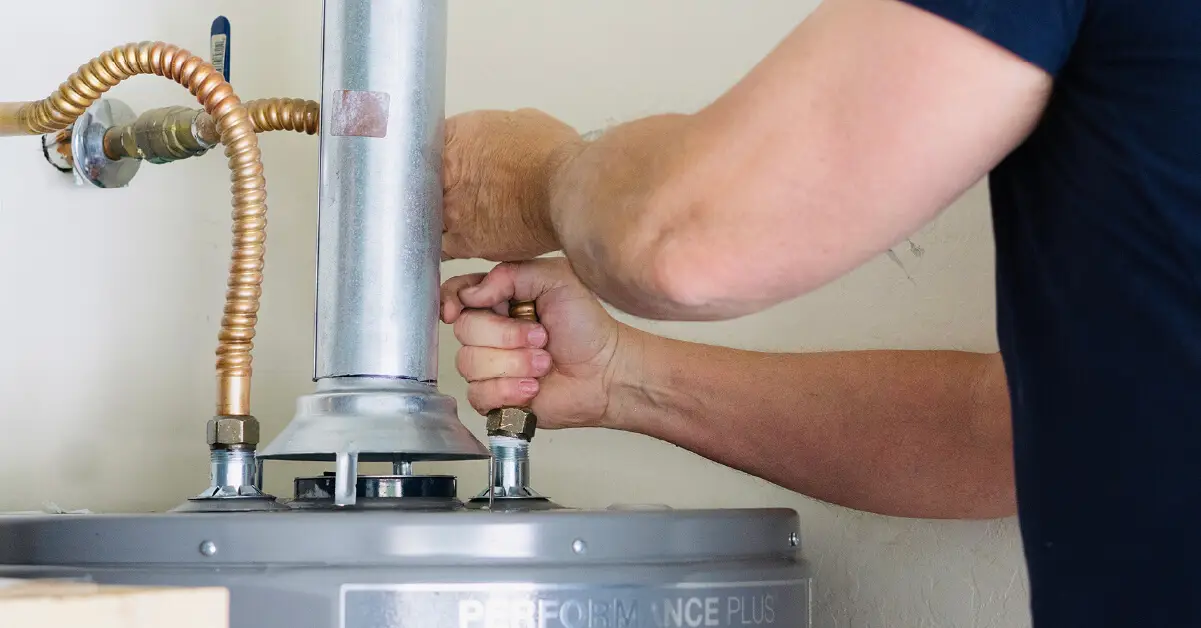
Tankless propane heaters are becoming popular because they heat water only when you turn on the tap. No tank, no constant reheating,  just instant hot water when you need it.

Propane Cooktops and Ovens

Ask any chef, most will tell you they’d pick propane over electric. The flame responds instantly, cooks evenly, and uses less energy to get the same result.

Propane Clothes Dryers

Propane dryers finish a load faster, use softer heat, and save energy along the way. They’re gentler on your clothes and on your electricity bill.

Propane Fireplaces

These fireplaces bring the look and warmth of real flames without the mess of wood. They’re clean, safe, and efficient, perfect for cold nights and small spaces.

Propane Generators

Propane generators don’t degrade like petrol ones do. They start easily, run smoother, and produce cleaner exhaust,  ideal for backup power in storms or rural areas.

Innovations Shaping the Future of Propane Efficiency

Hybrid Heating Systems

Some new systems mix propane and electricity. They switch between the two automatically depending on temperature, using whatever’s more efficient at the time.

Condensing Boiler Upgrades

Condensing boilers capture the heat hiding in exhaust steam. That simple recovery step can lift efficiency past 96%, saving fuel with no drop in comfort.

Solar-Propane Mixes

Solar heaters can pre-warm water before propane kicks in. You still get hot water on cloudy days, but you burn less fuel across the year.

Renewable Propane Supply

Refineries are now turning leftover fats and plant oils into propane. It’s chemically the same fuel, just with far fewer emissions built into its lifecycle.

Smart Sensors and Maintenance

Modern propane units use sensors to watch their own performance. They spot issues early, remind you about service, and keep efficiency high without much effort.

Micro-CHP Systems

These innovative systems generate both heat and electricity from a single propane source. They recycle waste heat, making them perfect for small businesses or off-grid homes.

Propane Safety and Environmental Care

Propane is one of the safest fuels out there. It doesn’t spill or seep into soil like oil does. If it leaks outdoors, it simply evaporates. Licensed technicians check fittings, lines, and vents to make sure everything stays secure. Add a good carbon-monoxide detector, and you’re set. With proper care, propane remains clean, efficient, and safe for years.

The Everyday Value of Propane

People like propane because it’s dependable. It doesn’t flicker with power cuts, it works in cold weather, and it’s usually cheaper to run than electricity or oil. The appliances last longer, too. For small towns and farms, propane often feels like freedom, no waiting on grid repairs, no surprise costs, just steady warmth and reliable power.

Propane’s Place in a Cleaner Future

Propane doesn’t need to shout to prove its worth. It’s the kind of fuel that quietly does what it’s meant to do,  keeps the heat on, the water warm, and life moving when other systems fail.

What makes it appealing is how easy it fits into everyday living. You don’t need to rebuild your setup or chase the latest tech trend. It’s practical, affordable, and much cleaner than most people realize.

And now, with renewable propane being made from plants and recycled oils, the same trusted fuel is turning greener every year. It’s steady progress, not a revolution, just a smarter way forward. In a world obsessed with new energy ideas, propane reminds us that reliability still matters

BLAZING BLOGS

How Propane Appliances Differ by Efficiency & Emissions | LP Propane

Top 5 Propane Industry Questions for 2026

Top 5 Propane Industry Questions for 2026 The propane industry is moving into 2026 with new challenges and opportunities. Changing customer expectations, digital buying habits, technology improvements, and energy conversations are shaping how propane businesses connect with their markets. Customers

Read More »
How Propane Appliances Differ by Efficiency & Emissions | LP Propane

Understanding Propane Prices in 2026

Understanding Propane Prices in 2026 Propane prices in 2026 refer to the amount consumers pay for propane fuel based on supply, demand, production levels, weather patterns, storage availability, transportation costs, and energy market conditions. Propane prices in 2026 are an

Read More »

State Fair Giveaway

$500 Worth of Propane

Be one of the first 200 New Customers to sign-up until September 15th to get $500 worth of propane, FREE! You’ll also get 1 year free tank rental when you switch!

JOIN THE IGNITE PROGRAM

NEW CUSTOMER? Fill out the New Customer Application to join IGNITE.

Save $0.05 Per Gallon with the IGNITE Program Learn more!

This field is for validation purposes and should be left unchanged.
Name(Required)
Service Address(Required)
AAP Agreement(Required)
You will be contacted by a Customer Service Representative to obtain your credit card information.
Terms of Service(Required)

LP Propane Ignite Program – Terms and Conditions

1. Eligibility and Program Requirements
To qualify for and maintain enrollment in the LP Propane Ignite Program and receive the $0.05 per gallon fuel discount, the Customer must simultaneously enroll in and maintain active status in the following three core services:

Auto Fill Delivery: The Customer authorizes LP Propane to automatically monitor, schedule, and deliver propane to the designated tank when levels dictate, bypassing the standard Will Call scheduling requirements.

Auto Pay: The Customer must maintain a valid, authorized payment method on file (Credit Card, Debit Card, or ACH/Direct Draft). Invoices will be automatically drafted within 7 days after the delivery.

Paperless Billing: The Customer agrees to receive all invoices, statements, and program communications via email. Opting out of online billing or requesting paper statements will result in a $4.95 monthly fee and disqualification from the program.

2. Fuel Discount Terms

The $0.05 per gallon discount applies exclusively to the standard market rate of propane at the exact time of delivery.

The discount is applied automatically on invoice.

This discount cannot be combined with specific commercial contract pricing or volume discounts unless expressly authorized in writing by LP Propane.

3. Tank Monitoring and Delivery Access

LP Propane may utilize physical tank monitors or advanced usage-tracking algorithms to schedule deliveries.

Access Requirements: The Customer must ensure the propane tank is always completely accessible to delivery personnel and vehicles. The pathway must be free of obstacles, locked gates, debris, or unrestrained animals within a 100-foot radius.

Seasonal Maintenance: During winter months, the Customer is legally responsible for clearing snow, ice, and paths leading to the tank. If a delivery vehicle cannot safely access the tank, the delivery will be delayed, and any emergency filling fees incurred due to subsequent low fuel levels will be billed to the Customer.

4. Credit Status and Payment Failures

If an Auto Pay transaction is declined or fails for any reason (e.g., expired card, insufficient funds), the Customer must update their account billing details immediately. If the transaction remains unprocessed for 30 days despite attempts by LP Propane to contact the Customer, the account will be automatically unenrolled from the program.

If an account balance becomes past due, LP Propane reserves the right to suspend Auto Fill privileges, pause the $0.05 per gallon discount, and transition the account to a "Will Call / Cash on Delivery" basis until the account is brought current and after review and approval of LP Propane’s credit department.

5. Program Termination or Changes

Customer Termination: Removing any of the mandatory components (Auto Fill, Auto Pay, or Paperless Billing) constitutes voluntary termination from the program. If you would like to opt out of the Ignite program you must submit 30 day written notice

Company Modifications: LP Propane reserves the right to alter, modify, or terminate the Ignite Program framework, including discount amounts or underlying eligibility terms.

MM slash DD slash YYYY