Propane Regulations in 2025: What’s Changing and Why It Matters

If you’ve lived with propane long enough, you know it’s the kind of energy that doesn’t make a fuss. It hums along quietly,  heating your home, firing your stove, keeping life comfortable without ever demanding the spotlight. It’s reliable, familiar, almost invisible.

But even the most dependable things need a tune-up once in a while. In 2025, propane is getting one. Not in the way it burns,  that steady blue flame isn’t changing,  but in how it’s stored, monitored, and managed. The rules are being rewritten, not to complicate your life, but to make sure that flame stays safe, clean, and future-proof. Think of it as housekeeping for an industry built on trust.

Propane Regulations in 2025: What’s Changing and Why It Matters | LP Propane

What Homeowners Should Know

Regular Inspections Are the New Normal

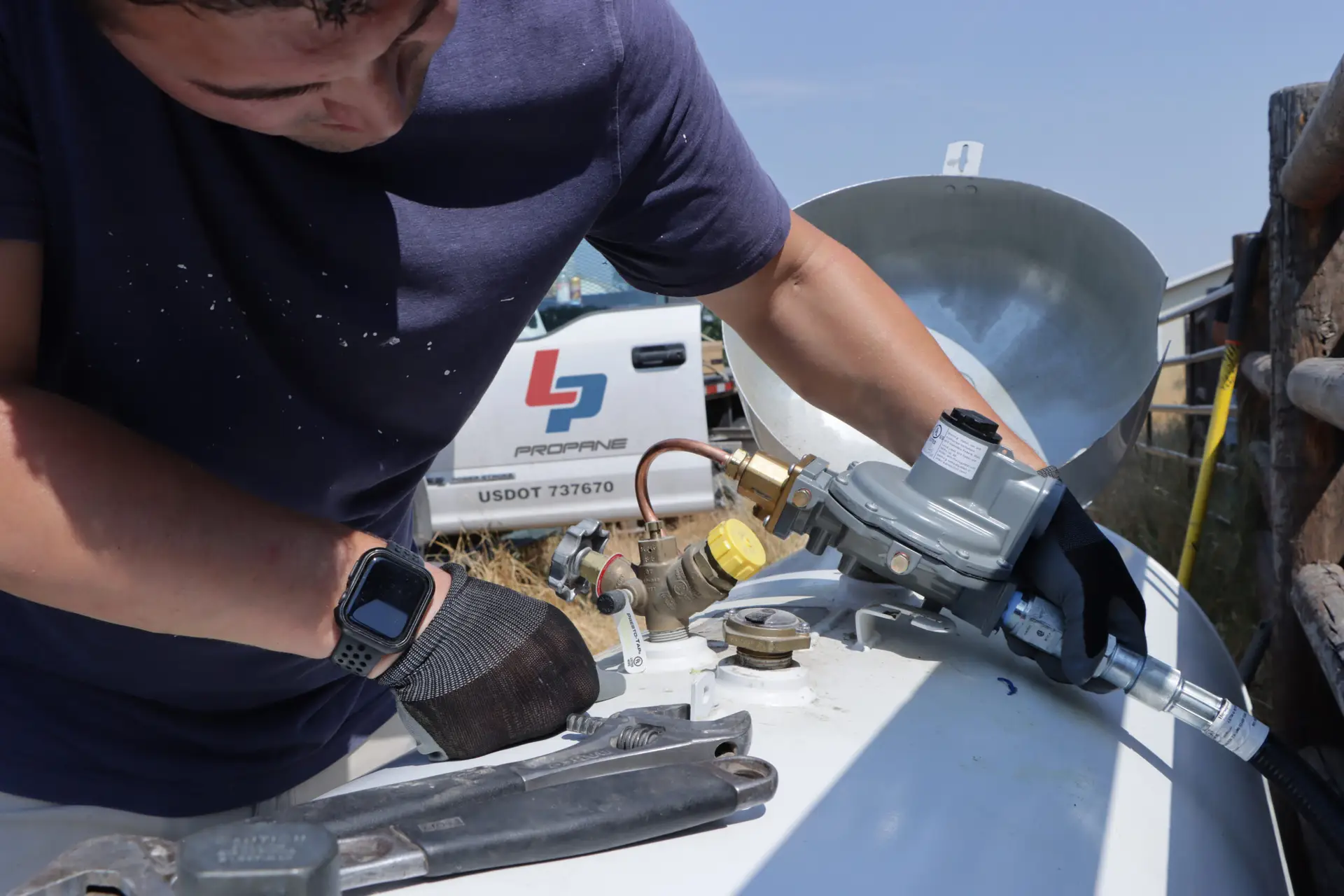
Propane systems used to go years between checks. Now, regulators want annual inspections,  a simple visit to make sure valves, regulators, and tanks are all in good shape. It’s a small step that can prevent major headaches later.

Clearer Ventilation Rules

Your propane appliances, from heaters to stoves,  need space to breathe. The new codes update clearance and airflow requirements, reducing the risk of carbon monoxide buildup. It’s the kind of change you’ll never notice.

Carbon Monoxide Alarms Aren’t Optional Anymore

If you heat your home with propane, you’ll need working carbon monoxide detectors. They’ve always been smart to have,  now they’re mandatory. It’s a one-time purchase that could save lives.

Tank Placement Is Getting Attention

Inspectors will be checking tank distances more closely, especially older systems. If yours sits too close to windows, fences, or ignition sources, you may need a small adjustment. Once it’s done, you’re good for years.

Portable Cylinders Are Under Stricter Checks

From backyard BBQ tanks to patio heaters, refill stations can no longer fill rusted, damaged, or unlabeled cylinders. It’s not nitpicking; those dents and worn valves can be dangerous.

Keep a Simple Service Record

Write down when you last had your tank checked or filled. That’s it. No spreadsheets or apps needed. A small note in your calendar keeps your system’s history clear if you ever need service.

Same steady flame. Smarter, safer hands guiding it into the future.

What Businesses and Suppliers Should Know

Only Certified Technicians Can Install or Service Systems

From now on, every propane job needs to be done by a licensed technician. It’s a move to keep quality consistent and prevent avoidable mistakes that can cause serious harm.

Stricter Rules for Storage Sites

Commercial and bulk propane storage facilities now have to meet tougher standards. That includes corrosion protection, secondary containment systems, and better leak monitoring. It’s about safety, not red tape.

Propane-Powered Fleets Get Regular Inspections

For companies running propane-fueled vehicles, tanks and valves will now need testing every three years. It’s not a punishment; it’s just smart maintenance, and it keeps insurance and compliance in check.

Emergency Shutoffs Go Automatic

Manual shutoff valves are being phased out for large systems. Automatic or remote shutoffs are now required, giving operators a way to stop gas flow instantly if pressure spikes or a leak occurs.

Annual Safety Training Becomes Mandatory

Anyone who handles propane, drivers, technicians, or even warehouse staff will now get yearly refresher training. It’s a way to keep good habits sharp and prevent “routine” mistakes.

Tighter Building and Fire Code Alignment

Propane codes now sync up with the 2025 building and fire safety updates. That means clearer rules for tank placement, pipe routing, and ventilation. Fewer grey areas. Fewer “I didn’t know” moments.

The Environmental Side of the 2025 Changes

Renewable Propane Takes the Stage

2025 is the year renewable propane goes mainstream. Made from plant oils, used cooking oil, and waste fats, it works exactly like traditional propane but cuts emissions dramatically. Some suppliers have already started blending it into their deliveries.

Leak Reduction Is a Priority

Governments are pushing to cut propane system leaks by 20% by 2030. New pressure sensors, smarter regulators, and electronic monitors are helping get there. Less waste, cleaner air, better savings.

Old Tanks Must Be Properly Recycled

Disposing of old tanks isn’t as simple as tossing them out anymore. Certified recyclers are now required to handle old or damaged cylinders safely. It’s a small price for a cleaner footprint.

Hybrid Systems Are Recognized

Homes and businesses that mix propane with solar or electric power now qualify under new clean energy classifications. It’s the best of both worlds: reliability meets sustainability.

Transparent Reporting for Big Users

Large businesses will need to keep basic records of fuel use, leak prevention, and maintenance. Not to add paperwork, but to prove responsibility, and highlight where improvements can be made.

Incentives for Smart Technology

If you install smart tank monitors, remote leak detectors, or renewable propane systems, you may qualify for rebates. Regulators are finally rewarding proactive upgrades.

What It All Means for You

If you’re a homeowner, these updates mean fewer surprises and a safer home. You’ll probably notice your supplier being more thorough,  checking valves, verifying clearances, maybe suggesting a detector upgrade. It’s all good news.

If you’re a business owner, compliance just became part of your maintenance routine: clean records, trained staff, and upgraded systems. The payoff? Fewer emergencies, fewer fines, and fewer sleepless nights. For suppliers, 2025 is a chance to show leadership,  helping customers stay compliant and confident without fear of hidden changes. It’s an opportunity to turn trust into loyalty.

Working With a Trusted Propane Partner

The best suppliers already have these changes covered. They’ll check your system, file your compliance reports, and handle the little details so you don’t have to. A good propane partner isn’t just a fuel delivery service; they’re part of your home or business routine. They make sure the flame stays steady, no matter how much the world around it changes.

A Steadier, Smarter Future

Propane’s always been about reliability, a steady flame in a world that’s unpredictable. These new regulations don’t change that. They simply make it better, safer, and more sustainable.

In 2025, propane isn’t just keeping up with the times; it’s quietly leading the way. With cleaner blends, smarter systems, and stronger safeguards, the flame that’s always kept us warm is ready for the future. Because progress doesn’t always roar. Sometimes, it burns softly, steady as ever.

BLAZING BLOGS

Propane Regulations in 2025: What’s Changing and Why It Matters | LP Propane

Patio Propane Heater Solutions

Patio Propane Heater Solutions The right Propane heater could extend your outdoor time, transforming cold evenings on the patio into a pleasant, enjoyable time. If you’re looking for gentle heat for intimate gatherings or an impressive production to blanket the

Read More »

JOIN THE IGNITE PROGRAM

NEW CUSTOMER? Fill out the New Customer Application to join IGNITE.

Haven’t heard of our IGNITE Program? Learn more!
This field is for validation purposes and should be left unchanged.
Name(Required)
Service Address(Required)
AAP Agreement(Required)
You will be contacted by a Customer Service Representative to obtain your credit card information.
MM slash DD slash YYYY

State Fair Giveaway

$500 Worth of Propane

Be one of the first 200 New Customers to sign-up until September 15th to get $500 worth of propane, FREE! You’ll also get 1 year free tank rental when you switch!