How Far Should a Propane Tank Be From Your Home? Updated Safety Guidelines

Propane tanks are an efficient and reliable source of energy for millions of U.S. households, powering everything from heating systems and stoves to backup generators. But as convenient as they are, safety should always come first. One of the most critical aspects of propane safety is proper tank placement. Regulations and new safety regulations dictate exactly how close propane tanks can be to your building and other structures. They are implemented to prevent the risk of fires, ventilate, and allow for emergencies. On this page, we look at the new guidelines and hands-on considerations, complying and remaining safe.

How Far Should a Propane Tank Be From Your Home? Updated Safety Guidelines | LP Propane

Examining the Guidelines

Updated codes outline clear minimum distances between propane tanks and residential structures, ensuring both compliance and maximum safety.

Regulations for Placing Small Tanks (100 Gallons or Less)

Small tanks are generally used with patio heaters, BBQ grills, or fireplace use. Safety codes generally require that these tanks be at least 5 feet from your home, air intakes, and windows. That way, leaks never make it right into living spaces.

Medium Tanks (250–500 Gallons)

Medium-sized tanks are common in houses that utilize propane as a primary source of heat. New safety standards provide that these tanks must be installed at a distance of at least 10 feet from houses, garages, or sheds. This reduces the fire risks and offers safer refill conditions.

Large Residential Tanks (1,000 Gallons or More)

For homes requiring a bulk propane storage area, siting requirements are more stringent. Tanks of 1,000 gallons or larger typically need to be located 25 feet away from any building or other combustible building. This leaves a broad area of protection in case of leaks or pressure buildup.

Horizontal vs. Vertical Tank Placement

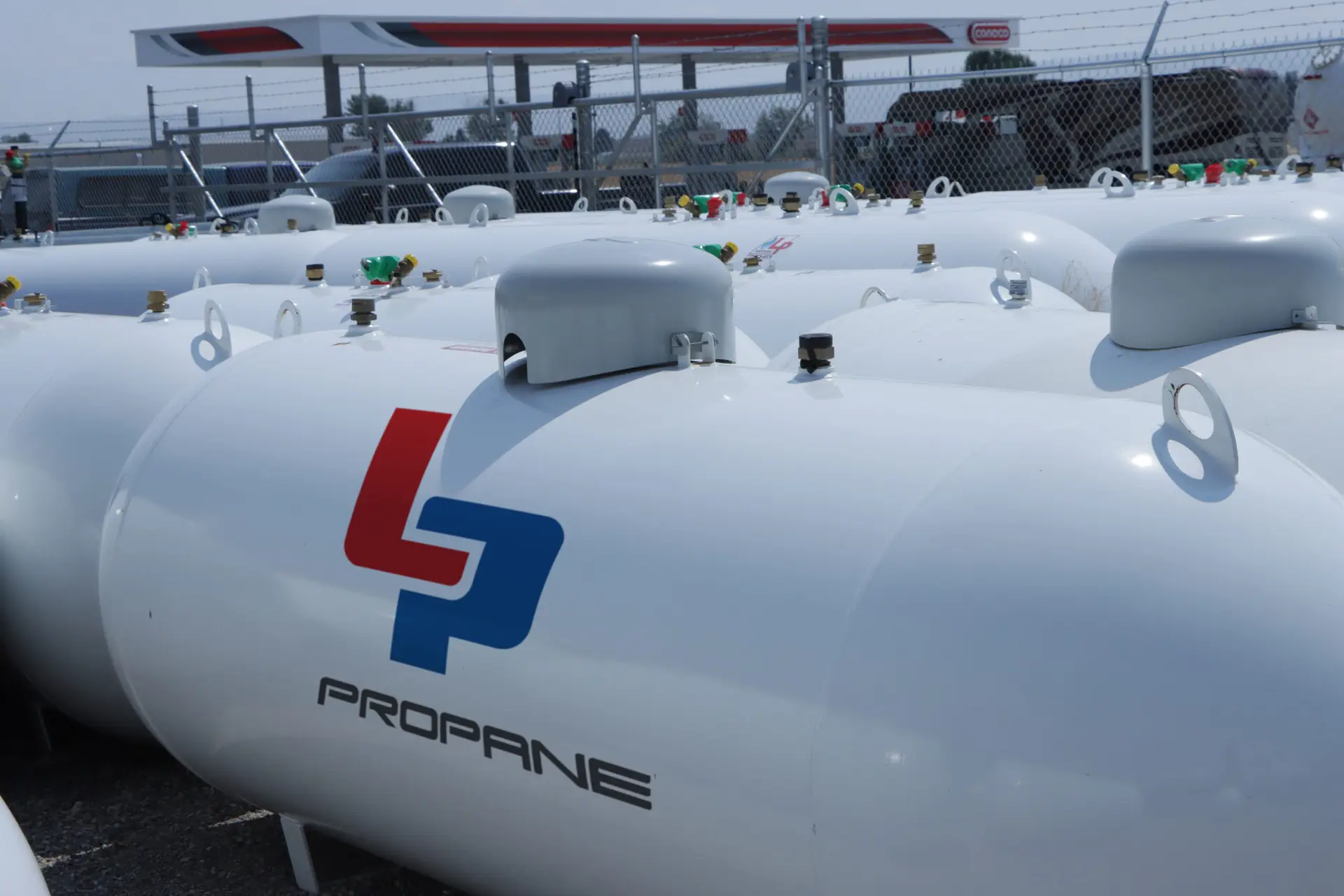
Orientation is also necessary. Horizontal tanks occupy a bit more room than vertical tanks in that they have more surface area. Current codes give adequate spacing to reduce accident risk when propane will vaporize on warm summer days.

Above-Ground vs. Underground Tanks

Underground tanks do not need the same spacings. Due to the earth acting as a buffer, underground propane tanks are often only 10 feet from the house. But they still have to meet stringent venting and accessibility requirements.

Propane Tanks and Property Lines

Your propane tank must also be aware of property lines. Most building codes require tanks to be a minimum of 10 feet from neighboring property lines to contain hazards from spilling over onto nearby properties.

Safe installation isn’t an expense, it’s an investment in your family’s future.

Factors That Dictate Distance Requirements

Tank size, local building codes, and surrounding environmental conditions all play a role in determining how far your propane tank should be placed from your home.

Tank Capacity and Size

The bigger the tank, the more propane it can store, and the greater the hazard in the event that there was ever a leak. Larger tanks thus need additional space for safety measures.

Local Codes and Permits

Federal codes are established by the National Fire Protection Association (NFPA 58), but your county or state may have more stringent regulations. Reference local building codes prior to installation.

Climate and Weather Conditions

Tanks can be spaced farther apart during hot or wildfire season. Proper ventilation and clearance can avoid pressure build-up during heat waves.

Accessibility for Delivery Trucks

Propane users need convenient and safe refilling for tank replacement. Installation at your residence or in confined spaces may restrict refilling, with risks at handling.

Ventilation and Airflow

Propane is heavier than air. If it leaks, it will flow at ground level. Proper spacing keeps propane from accumulating near doorways, windows, or crawlspaces.

Emergency Response Readiness

Placement laws also make provisions for emergencies. Tanks need to be close enough to the first responders and firemen in the event of leaks or explosions.

Mistake in Tank Placement

Tanks Located Too Close to Houses

Homeowners shortchange spacing significance sometimes and install tanks along decks or garages. That is a fine crime against safety codes.

Ignoring Clearance from Source of Ignition

Propane vapors can be ignited by air conditioners, electric outlets, and even lawnmowers. Tanks need to be installed at a safe distance from ignition sources at all times.

Failure to Consider Landscaping

Bushes, fences, or trees can block air passages around tanks. Heavy landscaping can trap propane gas as well as limit access in the event of emergencies.

Installing Tanks Without Approvals

Shortcuts and omitted permits and inspections may save time but can lead to fines, insurance issues, and unsafe installations.

Assuming Underground Tank Installation

Homeowners believe underground tanks are “safe anywhere.” But poor drainage soil or proximity to septic systems cause corrosion and leakage.

Failing to Account for Future Changes to the Property

What’s okay now won’t be tomorrow. A deck, garage, or pool built near your propane tank someday can push it too close to structures, which violates codes.

New NFPA 58 Requirements

NFPA 58 Liquefied Petroleum Gas Code is updated periodically to include new safety data. New editions focus on more detailed above-ground vs. below-ground installation specifications, more extensive marking of tank sites, and new small portable tank requirements. Recent updates consider modern risks like extreme weather, propane use growth, and population numbers.

The Importance of Professional Installation

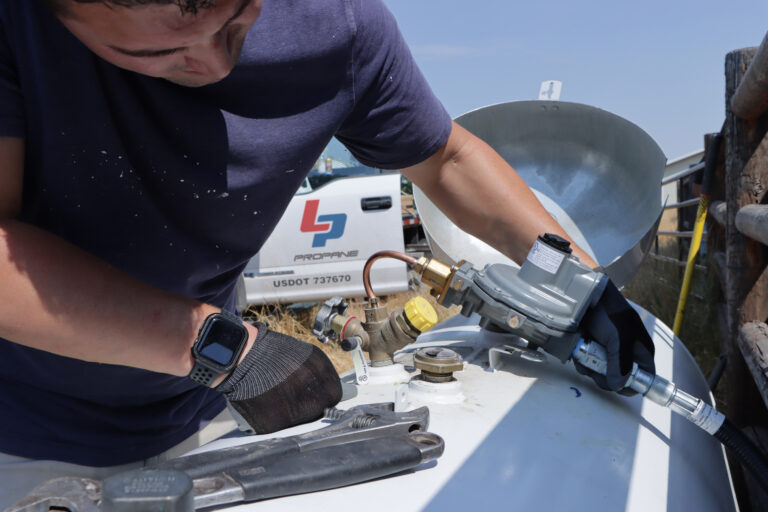
NFPA, state, and locally licensed technicians make sure your propane tank is up to code. They also offer grounding, anchoring, and venting equipment that minimizes accidents. Performing the job pro isn’t about being a rule-follower, it’s about making your house and loved ones safe. Beyond regulatory requirements, professionals also provide technical insight that the typical homeowner might miss. They assess soil stability, slope, and drainage to avoid shifting or corrosion of the tank down the road. Accurate installation also involves leak testing and pressure testing to ensure safe operation from day one. Another key benefit is that trained installers are current with new safety codes and regulations that frequently update annually. By doing so, you’re not just saving your property, but also preventing yourself from incurring fines or insurance trouble. Finally, proper installation provides you with peace of mind knowing your propane system is tuned for efficiency and built to protect everyone in your household.

Safety First with Propane Tank Placement

Propane is among the cleanest, most versatile fuel on the market, but only when used responsibly. New regulations on where tanks can travel are intended to safeguard homes, families, and communities. From small grilling tanks to enormous home storage, all installations have to be sensitive to regulations relating to distance, ventilation needs, and emergency preparedness. By studying these safety regulations and hiring competent professionals, homeowners can enjoy the benefits of propane safely and in code.

BLAZING BLOGS

How Far Should a Propane Tank Be From Your Home? Updated Safety Guidelines | LP Propane

How Liquid Propane is Revolutionizing Home Heating Systems

How Liquid Propane is Revolutionizing Home Heating Systems Home heating has come a long way from conventional fireplaces and inefficient gasoline structures. Today, owners are seeking out heating solutions that are dependable, cost-effective, and environmentally responsible. Liquid propane is emerging

Read More »

JOIN THE IGNITE PROGRAM

NEW CUSTOMER? Fill out the New Customer Application to join IGNITE.

Save $0.05 Per Gallon with the IGNITE Program Learn more!

This field is for validation purposes and should be left unchanged.
Name(Required)
Service Address(Required)
AAP Agreement(Required)
You will be contacted by a Customer Service Representative to obtain your credit card information.
MM slash DD slash YYYY

State Fair Giveaway

$500 Worth of Propane

Be one of the first 200 New Customers to sign-up until September 15th to get $500 worth of propane, FREE! You’ll also get 1 year free tank rental when you switch!