Propane Tank Placement Rules

Propane is a non-toxic and dependable source of energy in the event that it is kept and installed properly. Proper tank placement is one of the most significant factors of a propane system. Location regulation is aimed to safeguard people, property, and homes maintaining security between buildings, ignition sources, and traffic zones. The propane tanks are constructed with high safety standards, but their construction should also meet the national safety codes and the local regulations. These recommendations are beneficial in avoiding the risk and also making sure that the delivery vehicles can access the tank safely to fill it. Knowing the regulations of where to install a propane tank enables home owners to install it in the correct way that will ensure the safe operation in the coming years.

Propane Tank Placement Rules | LP Propane

Understanding Propane Tank Placement Regulations

Distance from Buildings

The tanks of propane should also be installed with a minimum distance to the buildings based on their sizes. It is safer to give bigger tanks more clearance and increase safety.

Clearance from Ignition Sources

The tanks are to be placed away that are exposed to open flames, electrical equipment, and air conditioners. Clearance ensures that the accidental ignition is avoided in case propane vapor escapes.

Property Line Requirements

Majority of the safety regulations have it that propane tanks should be spaced away on the property lines. Such distances allow safeguarding the surrounding structures and ensuring access to emergency points.

Safe Distance from Windows and Doors

The propane tanks must not be placed too close to the access points like windows or doors. Spacing will ensure that there is no entry of gas vapors in the building in instances of improper leakage.

Protection from Vehicle Traffic

Tanks which are placed outside the driveways or parking spaces may need guard walls. These obstacles avoid unintentional strikes by automobiles or heavy machinery.

Compliance with Local Regulations

There can be other requirements of local building codes and fire safety regulations. By engaging licensed installers, all the placement guidelines will be observed.

Safe propane systems begin with the right tank location

Above-Ground vs Underground Tank Placement

Above-Ground Tank Installations

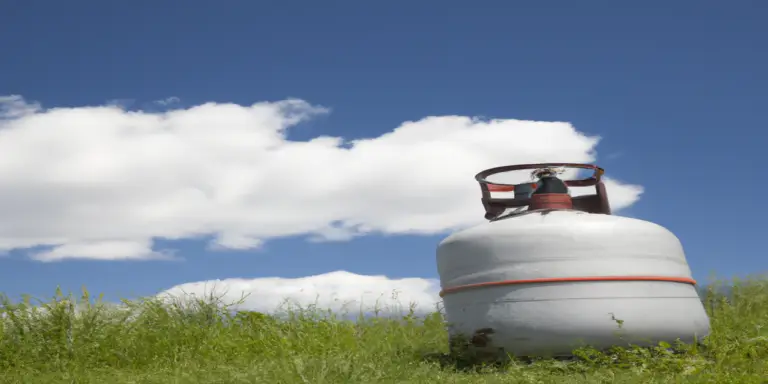
The most prevalent residential area is above-ground tanks. They are simpler to install, inspect as well as maintain.

Underground Tank Installations

There are underground propane tanks, which are underground. This installation gives a cleaner look and covers tanks against exposure to weather.

Soil and Drainage Considerations

In soil conditions that facilitate good drainage, underground tanks have to be installed. The corrosion can take place in time due to the water collecting around the tank.

Accessibility for Delivery

The propane delivery trucks need easy access even in underground tanks. The tank lids and fill valves should be in sight and clear.

Protective Coatings and Anodes

Buried propane tanks have anticorrosive coating and protection against corrosion. These properties deter sustainability of soil conditions.

Inspection and Maintenance Access

Tanks above ground and underground should be accessible to inspection. Periodic safety inspections make sure that the tank system is in good condition.

Planning the Best Tank Location for Your Property

Driveway Access for Delivery Trucks

Propane delivery trucks must have easy and stable access into the tank. The refilling can be complicated by narrow paths or steepness.

Distance from Landscaping Features

Propane tanks must not be covered by trees, shrubs and fencing. Maintaining the area clean is also a guarantee of safe delivery and maintenance.

Ground Stability

Propane tanks are to be placed on solid and flat surfaces. The support is usually in the form of concrete pads or compacted gravel bases.

Snow and Weather Considerations

In cold regions, the position of tanks must be easily accessible in winter. Snow cover of tanks may disrupt the delivery and inspection.

Sun Exposure and Temperature

Direct sunlight may also cause pressure build up in tanks, however tanks are engineered to withstand temperature changes. When rightly put in place there is safe ventilation and control of pressure.

Future Property Changes

The placement of the tanks must be done in a way that reflects the possibility of additional home additions, decks or even landscaping works. This is because planning is a way of saving on the cost of relocation in the future.

Why Professional Installation Is Essential

Placing propane tanks will not be a DIY activity. Propane technicians are certified to adhere to the codes of safety and proper installation. They are qualified to make sure that the tanks are placed within the national propane safety standards and the local regulations. The professional installers consider aspects of building surfaces, fuel demand, geographical site and equipment needs. They also maintain regulators, valves, and connections of piping. Improper installation will decrease chances of leakage, pressure issues or delivery. It also guarantees the propane system is efficient and safe during its life as well. Moreover, the propane professionals also coordinate inspections and permits where necessary. These measures ensure that the system is of all safety requirements before it is put to operation.

Maintaining Safe Tank Placement Over Time

Homeowners are to keep a clear area around propane tanks even when they are installed. Articles of storage, landscaping, and rubbish must never be stored in the tank or the regulator premises. Vegetation should also be observed to grow. Plants or trees that are overgrown may limit access of delivery trucks and service technicians. Maintaining a clear space around the tank enables safety in the manner of carrying out routine inspections. The access of tanks can be influenced by seasonal conditions as well. During winter seasons, snow and ice must be removed in the tank area to allow safe delivery and maintenance. Regular checkups conducted by the propane professionals ensure the detection of any possible problems in their early stages. These checks ensure that the tank site does not go outside the safety codes and that there are no additional risks emerging. Through clearance and easy accessibility, the homeowners will keep their propane systems safe and reliable.

Safe Placement Ensures Reliable Propane Systems

Placement of propane tanks should be done properly in order to be safe, efficient and reliable in the long run. Installation of tanks should be done as per strict regulations that govern the space between buildings, boundaries of property, ignition causes, and other unique dangers. The ease of access to the tank by the propane delivery vehicles is through careful planning, and the vehicles must have the necessary safety clearances. Tanks can be installed either above the ground or underground but they should remain easy to be inspected and serviced as well as filled. The licensed individuals to use propane can be consulted to have the installations done according to all the safety codes and other rules. Their experience will assist homeowners to make expensive errors and systems will run safely. Properly placed and maintained propane tanks are reliable sources of fuel to use in heating, cooking, and other household purposes. Appropriate location safeguards the property as well as those who use propane daily.

BLAZING BLOGS

Propane Tank Placement Rules | LP Propane

How Wildfire Season Impacts Propane Supply

How Wildfire Season Impacts Propane Supply The wildfire season has grown much more severe in most areas with not just natural scenery being impacted but also the provision of vital services and supply chains. Out of all the numerous industries

Read More »
Propane Tank Placement Rules | LP Propane

What is Propane Odorant and How It Works

What is Propane Odorant and How It Works Propane is a popular residential, commercial and industrial fuel. It is efficient and reliable in heating homes and in operating appliances. But, one significant aspect of propane is that it is naturally

Read More »

JOIN THE IGNITE PROGRAM

NEW CUSTOMER? Fill out the New Customer Application to join IGNITE.

Save $0.05 Per Gallon with the IGNITE Program Learn more!

This field is for validation purposes and should be left unchanged.
Name(Required)
Service Address(Required)
AAP Agreement(Required)
You will be contacted by a Customer Service Representative to obtain your credit card information.
MM slash DD slash YYYY

State Fair Giveaway

$500 Worth of Propane

Be one of the first 200 New Customers to sign-up until September 15th to get $500 worth of propane, FREE! You’ll also get 1 year free tank rental when you switch!