First-Time Propane User Guide: What You Need to Know

Propane is the most popular gas fuel for residential, agricultural, commercial and recreational buildings. It is used to operate heating systems, water heaters, cooking appliances, generators, fireplaces, and more. Propane may be new to many first-time users, and the specifications and operation of an installed propane system can be confusing at first glance, particularly compared to a natural gas or electric system. But, with proper information and preparation, propane can be a reliable, efficient and flexible energy solution. Propane is popular, in part because of its versatility. It can be installed in urban, rural and even areas without natural gas pipelines. Propane is stored on site in tanks and energy is kept available even in power outages or bad weather. This is particularly important for isolated locations and for emergency preparedness planning with propane.

First-Time Propane User Guide: What You Need to Know  | LP Propane

Understanding How Propane Systems Work

Propane Is Stored in Tanks

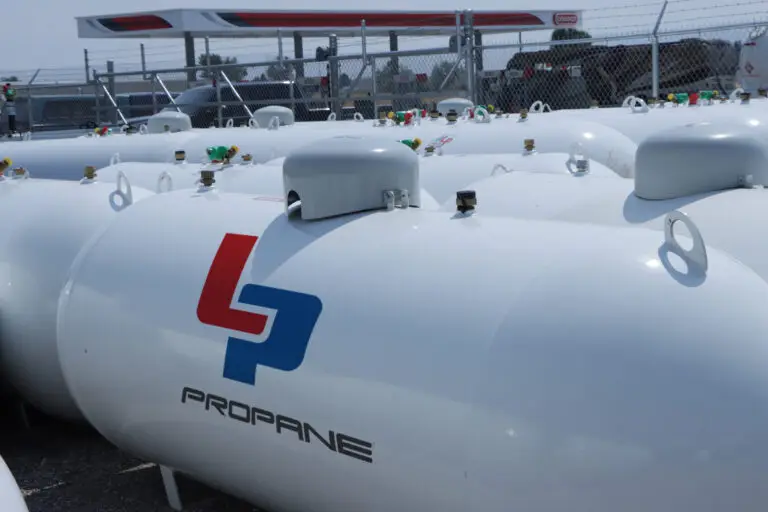
Propane is stored on-site in special tanks, unlike natural gas. Depending on property conditions, tanks can be above or below ground. When stored safely, reliability is improved. Efficient tank operation is made possible by proper tank placement.

Propane Is Delivered by Suppliers

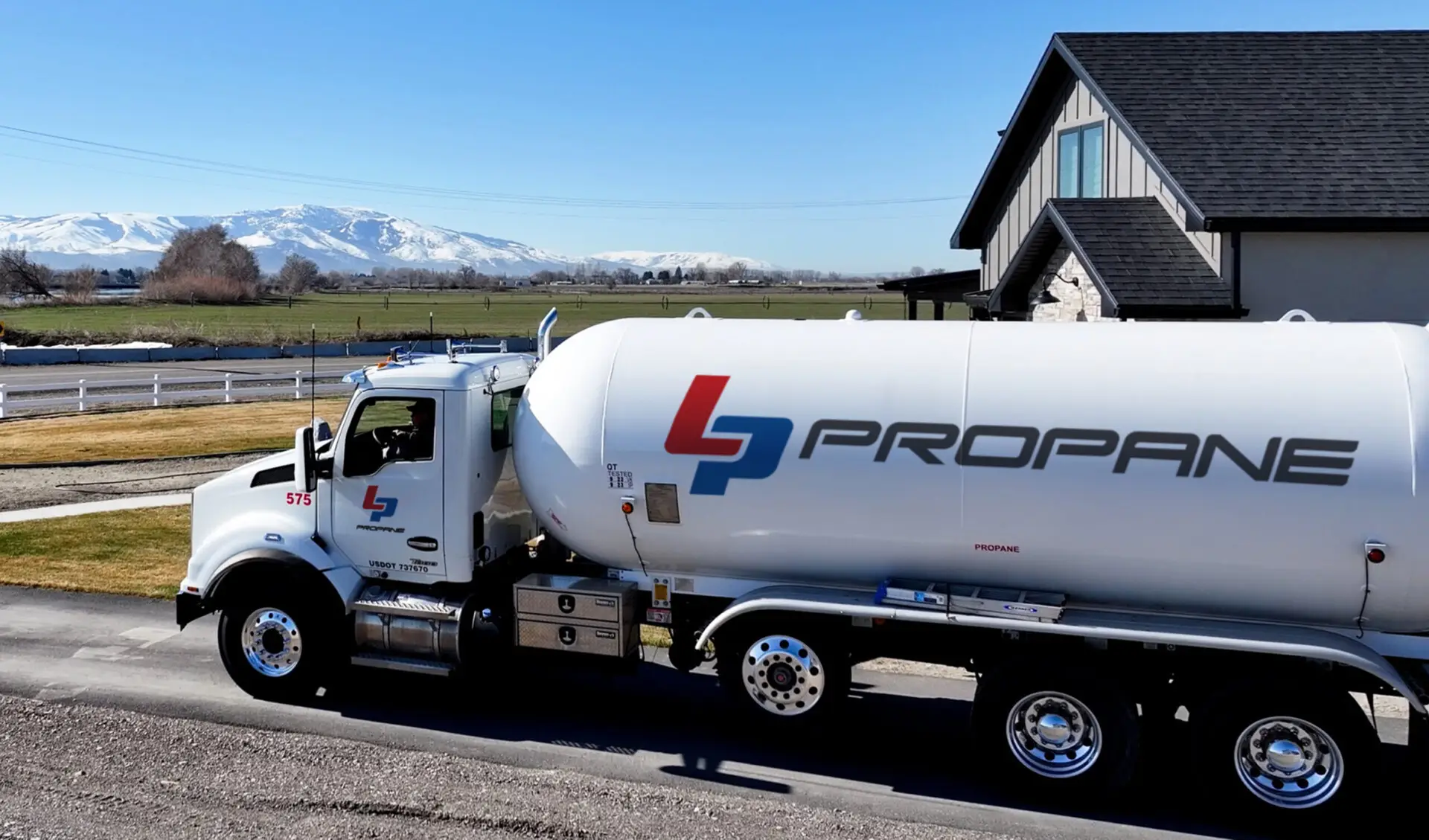
Propane is supplied by re-filling tanks periodically according to usage and delivery schedules. There are automatic delivery programs that some customers opt for because of their convenience. Reliable deliveries to avoid fuel shortages. Scheduled service means that fuel management is improved.

Regulators Control Fuel Pressure

Propane systems include regulators to help control fuel pressure safely before it gets to the appliance. Appropriate pressure control enhances appliance operation. Regulators promote safe fuel flow. Efficient operation if correct operation.

Propane Powers Multiple Appliances

Fuel from one propane tank can be used for heating systems, water heaters, stoves, fireplaces, generators and outdoor equipment. Multi use systems make things easier. Being able to use fuels flexibly helps to achieve efficiency. Centralized fuel systems provide centralized energy management.

Fuel Levels Must Be Monitored

Propane systems are different from utility-based energy systems because the user is responsible for keeping track of the fuel in the tanks so as to not run out. Frequent observations will help to ensure reliability. Fuel Management helps to ensure uninterrupted operation. Emergencies prevent themselves if planned for properly.

Propane Systems Require Maintenance

Regular checks and maintenance are important to keep propane systems safe and efficient. Regular servicing extends the life of the equipment. Preventive maintenance is the solution for less problems. Good systems are more reliable.

Well-informed propane users can manage fuel more efficiently

Common Uses of Propane in Homes and Properties

Home Heating Systems

Propane furnaces or space heaters are often used for heat in the house. Propane heating systems deliver warm air in winter. The efficient heating enhances comfort. Good fuel makes for good winter preparedness.

Water Heating Applications

Propane water heaters are a popular choice for businesses and homes. Faster heating makes it more convenient. Efficient systems minimise waste of energy. Hot water is available and helps in everyday life.

Cooking Appliances

Propane is a common fuel for gas stoves, ovens and outdoor cooking systems. Responsive heat control enhances cooking. Stable food water supply enables meal preparation. Flexibility with propane cooking systems.

Backup Power Generators

During an outage, propane generators supply power. Long-term Preparedness is supported by stored fuel. Back-up systems make for safer operations. Emergency power minimises disruptions.

Fireplaces and Outdoor Features

Propane is used for convenience in many fireplaces, patio heaters and outdoor fire pits for heating and ambiance. Clean burning systems enhance the comfort of the outdoor space. The convenience of easy ignition. Propane helps to make outdoor living better.

Agricultural and Rural Equipment

Propane is commonly used on farms and in rural areas for heating, crop drying, generators, and equipment. Portable Fuel Systems offer Flexibility. For reliable energy enables productivity. Propane is good for rural operations.

Important Safety Tips for First-Time Propane Users

Learn the Smell of Propane

Propane is highly fragrant with an added scent to enable rapid detection of leaks. It is important for users to familiarize themselves with this odor right away. Early Leak Detection makes for better safety. Making people aware can avert emergencies.

Know How to Shut Off the System

It is important that users of tanks for the first time know where the shut-off valves are and how to use them effectively. An emergency preparedness enhances safety. A fast response lessens hazards. Confidence is gained with knowledge.

Keep Tank Areas Clear

The space surrounding propane tanks should be kept free of debris, vegetation and flammable materials. Obvious access will enhance safety and maintenance. Open space facilitates inspections. Good clearances minimize hazards.

Schedule Regular Inspections

Regular checks will prevent major leaks, corrosion, damaged regulators or worn parts from occurring. Preventive maintenance contributes to reliability. You can count on professional evaluations to keep you safe. Regular checks minimise risk.

Never Ignore Warning Signs

If the appliance is hissing or has a propane smell, or if its performance changes or the equipment is damaged, don’t put it off. Safety is improved with immediate action. Attention early, problems are avoided. Quick response minimizes hazards.

Use Qualified Propane Technicians

Never attempt to install, repair or modify a system yourself. Certified techs enhance safety and compliance. Professional services ensure reliability. Proper installation minimizes running problems.

Managing Propane Usage Efficiently

If you are a first time propane user, it is important to learn how to handle propane fuel. Regular fuel monitoring helps to prevent fuel shortages and better planning fuel deliveries. To make fuel management easier, some users opt to install fuel monitors on their tanks or to join automatic delivery programs. Energy efficiency also contributes to a lower cost of propane in the long run. Efficient heating systems, regular upkeep of appliances, and adequate insulation can substantially reduce fuel usage. In the long run, minor enhancements can make significant savings. It is also important to plan for the season. Propane use may rise rapidly during the winter when homes are heated and be higher during summer when generators are used for outdoor kitchens or pools. Knowing the seasonal fuel patterns can assist the users to plan better and prevent paying out of pocket.

Choosing the Right Propane Provider

When it comes to propane supply, there are a lot of factors that new users have to consider. When selecting a provider, you must consider their delivery reliability, customer service, pricing, maintenance, and emergency response. A familiarity with supplier policies on tank ownership, automatic delivery programs, service agreements and inspection responsibilities are also beneficial. When the propane provider and the customer have a strong line of contact, the service can be long-term and seamless, and the overall customer experience is improved.

Building Confidence as a First-Time Propane User

It might be new to using propane for the first time, but if you get a handle on propane systems, safety measures, and proper fuel handling, you’ll find it much easier and more comfortable. Propane is a reliable source of energy for home heating, cooking, water heating, back-up power, and for many other residential and commercial uses. With proper training, a first-time propane system user can depend on propane for years of reliable and efficient operation by learning how propane systems operate, being mindful of fuel use and safety, and following proper procedures. These are all factors of regular maintenance, professional service, and proactive planning that help to keep operations safer and more reliable. By learning more and getting ready, propane can be a useful, versatile, reliable energy resource for homes, farms, businesses and recreational properties. Familiarizing yourself with the basics first will help you gain confidence as a new user, and ensure you’re getting the most from propane use safely. 

BLAZING BLOGS

First-Time Propane User Guide: What You Need to Know  | LP Propane

Renting vs. Owning Your Propane Tank

Renting vs. Owning Your Propane Tank Propane is used extensively for home heating, water heating, cooking, backup generators, agriculture and commercial energy systems. One of the biggest decisions that needs to be made when installing a propane system is whether

Read More »
First-Time Propane User Guide: What You Need to Know  | LP Propane

What Propane Technician Certification Actually Means

What Propane Technician Certification Actually Means Propane systems are vital to the flow of energy in homes, businesses, farms, and industry. Propane equipment needs to be carefully installed, maintained, and inspected to ensure safety and efficiency in heating systems, water

Read More »

State Fair Giveaway

$500 Worth of Propane

Be one of the first 200 New Customers to sign-up until September 15th to get $500 worth of propane, FREE! You’ll also get 1 year free tank rental when you switch!

JOIN THE IGNITE PROGRAM

NEW CUSTOMER? Fill out the New Customer Application to join IGNITE.

Save $0.05 Per Gallon with the IGNITE Program Learn more!

This field is for validation purposes and should be left unchanged.
Name(Required)
Service Address(Required)
AAP Agreement(Required)
You will be contacted by a Customer Service Representative to obtain your credit card information.
MM slash DD slash YYYY