Comparing Heating Options: Propane vs. Electric Heating

Comfort and energy efficiency are provided by the right heating system for homes and businesses. Of all the types of heating systems, propane and electric heating are the most popular. Electric heating is convenient but propane has savings in cost, efficiency, and reliability, particularly in colder climates. This would give a clue to the homeowner and business people to make a good decision about their heating. With high-quality propane solutions, LP Propane is coming up with warmth, savings, and efficiency for the long term.

Comparing Heating Options: Propane vs. Electric Heating | LP Propane

Propane: High Efficiency and Consistent Heat

Propane heating systems are among those with high energy efficiency and consistent heat at their disposal. For instance, furnaces operating in propane are seen operating above 90% of efficiency. This means most of the fuel used gets converted into usable heat. This makes propane excellent for harsh-winter areas as it will deliver high-temperature heat rapidly. Electric heating often takes much more time to warm up a room, while propane-powered systems bring warmth right away, providing the comfort inside your home.

The propane heating system continues to function during power outages. This means there is a reliable source of heat when electricity is not available. This is very beneficial for the rural home and businesses, which can experience frequent outages. LP Propane ensures dependable propane supply and storage solutions so its customers will always have a steady source of fuel, even through extreme weather conditions.

Electric Heating: Convenient but Less Efficient

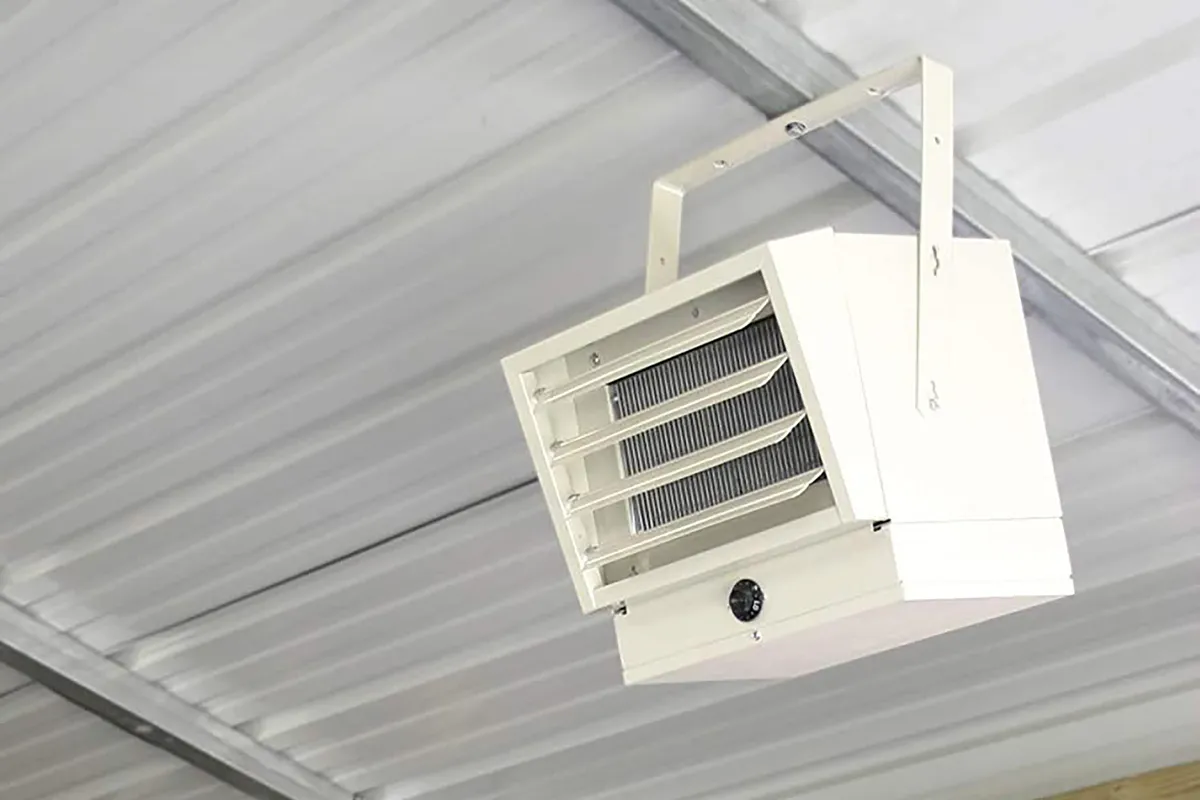
Baseboard heaters and heat pumps are some common electric heating units because they can be easily fitted and installed. Generally, though, electric heating tends to be much less efficient compared to propane heating. Electricity requires generation, distribution, and finally conversion into usable heat, hence losing energy all the way along. Electric heating systems in really cold places just cannot maintain warm temperatures, often requiring supplementary heaters and consuming energy. Another disadvantage of electric heating is its dependence on the power grid. When the power goes out, electric heaters become useless, leaving homeowners without heat until electricity is restored. Furthermore, electricity rates vary and tend to be higher during peak usage times, which makes electric heating more expensive in the long run.

Electric heating may flicker in the cold,
but propane keeps the fire burning strong!

Key Considerations in Deciding Between Propane and Electric Heating

Cost Comparison and Long-Term Savings

Propane heating is often cheaper than electric heating, especially in areas with high electricity rates. Propane furnaces and water heaters work efficiently, using less energy to produce the same amount of heat, thus lower monthly bills. Propane appliances also last longer, reducing maintenance and replacement costs. LP Propane offers competitive pricing and flexible delivery options to ensure affordable heating year-round.

Electric heating is convenient but is more expensive in the long term. 

Environmental Impact and Sustainability

The cleaner-burning propane fuel also burns with lower carbon emissions compared to electricity from coal or oil. It has low energy waste, which leads to less air pollution. Compared with other fossil-fuel-based electric generation areas, propane appliances – furnaces and water heaters-emit less emissions.

Its sustainability depends on the source of energy. If wind or solar, it is environmentally friendly. But in areas dependent on coal or natural gas, it increases carbon emissions. There is also an energy loss while transmitting, making propane a more environmentally friendly choice in many places.

Installation and Maintenance Considerations

Propane systems are installed professionally but very durable and have minimal maintenance requirements. The refill of the tanks and inspection is necessary, though minor compared to the possible failures of electric heaters. LP Propane provides expert installation and maintenance, ensuring long-term reliability. Proper care keeps propane systems running for 15–20 years.

Electric heating is easier to install, but deteriorates faster. The heating elements deteriorate and thus burn up less efficiently. Old houses face electrical stress that may lead to a failure in the system or worse, safety problems. 

Flexibility and Performance in Varied Climates

Propane's Reliability in Cold Temperature

In very cold climates where warmth is a need rather than a want, propane heating is excellent. Electric systems sometimes cannot provide ample heat in extreme cold, whereas propane furnaces produce hot heat very rapidly. This makes it an excellent source for homes in very cold regions that experience harsh winter conditions in terms of warmness and availability. Another advantage of propane is that it can function away from the electric power grid. During electrical power outages, electric heating cannot function in households. However, propane heating continues to generate warmth even during severe weather events. LP Propane guarantees constant availability of the propane that maintains warmth among their customers regardless of the weather condition.

Limited Efficiency of Electric Heating in Cold Temperatures

An electric heating system that is in particular a heat pump, does operate best at normal temperatures. A heat pump simply cannot pull a lot of heating energy out of the air in temperatures lower than freezing, often requiring additional means of supplemental space heating. One common method, propane and oil, greatly expands the costs. In addition, electric heating is less dependable at extreme times of weather, especially at peak usage times, when electricity demand is high. In comparison, propane provides an excellent steady and reliable source of heat, thus very sensible to use for provision of warmth in colder regions.

Choosing the Most Appropriate Heating System

When comparing propane and electric heating, propane stands out as the more efficient, cost-effective, and reliable option. It comes with warmth consistency, low operating cost, and reduced environmental impact . Thus, propane is the long-term heating solution for homes and businesses. Electric heating is convenient but often higher energy bills and can’t compete with propane in extreme cold. LP Propane ensures quality propane, professional installation, and dependable service to make the many advantages of propane heating easier to enjoy. And though not always the only choice, for homes and businesses alike, it remains the better choice when energy efficiency, cost savings, and assured performance are ideal – and sometimes necessary.

BLAZING BLOGS

Comparing Heating Options: Propane vs. Electric Heating | LP Propane

How Propane Supports Manufacturing Facilities

How Propane Supports Manufacturing Facilities Manufacturing facilities need dependable energy to keep machines running, maintain production schedules, and meet customer expectations. When energy supply becomes unstable, factories may experience downtime, delayed orders, and increased operating expenses. Propane provides manufacturers with

Read More »
Comparing Heating Options: Propane vs. Electric Heating | LP Propane

How Propane Helps Stabilize Farm Energy Costs

How Propane Helps Stabilize Farm Energy Costs Energy expenses are one of the biggest challenges facing modern farms. Fuel prices, changing weather patterns, and seasonal demand can make it difficult for farmers to estimate yearly operating costs. When energy prices

Read More »

State Fair Giveaway

$500 Worth of Propane

Be one of the first 200 New Customers to sign-up until September 15th to get $500 worth of propane, FREE! You’ll also get 1 year free tank rental when you switch!

JOIN THE IGNITE PROGRAM

NEW CUSTOMER? Fill out the New Customer Application to join IGNITE.

Save $0.05 Per Gallon with the IGNITE Program Learn more!

This field is for validation purposes and should be left unchanged.
Name(Required)
Service Address(Required)
AAP Agreement(Required)
You will be contacted by a Customer Service Representative to obtain your credit card information.
Terms of Service(Required)

LP Propane Ignite Program – Terms and Conditions

1. Eligibility and Program Requirements
To qualify for and maintain enrollment in the LP Propane Ignite Program and receive the $0.05 per gallon fuel discount, the Customer must simultaneously enroll in and maintain active status in the following three core services:

Auto Fill Delivery: The Customer authorizes LP Propane to automatically monitor, schedule, and deliver propane to the designated tank when levels dictate, bypassing the standard Will Call scheduling requirements.

Auto Pay: The Customer must maintain a valid, authorized payment method on file (Credit Card, Debit Card, or ACH/Direct Draft). Invoices will be automatically drafted within 7 days after the delivery.

Paperless Billing: The Customer agrees to receive all invoices, statements, and program communications via email. Opting out of online billing or requesting paper statements will result in a $4.95 monthly fee and disqualification from the program.

2. Fuel Discount Terms

The $0.05 per gallon discount applies exclusively to the standard market rate of propane at the exact time of delivery.

The discount is applied automatically on invoice.

This discount cannot be combined with specific commercial contract pricing or volume discounts unless expressly authorized in writing by LP Propane.

3. Tank Monitoring and Delivery Access

LP Propane may utilize physical tank monitors or advanced usage-tracking algorithms to schedule deliveries.

Access Requirements: The Customer must ensure the propane tank is always completely accessible to delivery personnel and vehicles. The pathway must be free of obstacles, locked gates, debris, or unrestrained animals within a 100-foot radius.

Seasonal Maintenance: During winter months, the Customer is legally responsible for clearing snow, ice, and paths leading to the tank. If a delivery vehicle cannot safely access the tank, the delivery will be delayed, and any emergency filling fees incurred due to subsequent low fuel levels will be billed to the Customer.

4. Credit Status and Payment Failures

If an Auto Pay transaction is declined or fails for any reason (e.g., expired card, insufficient funds), the Customer must update their account billing details immediately. If the transaction remains unprocessed for 30 days despite attempts by LP Propane to contact the Customer, the account will be automatically unenrolled from the program.

If an account balance becomes past due, LP Propane reserves the right to suspend Auto Fill privileges, pause the $0.05 per gallon discount, and transition the account to a "Will Call / Cash on Delivery" basis until the account is brought current and after review and approval of LP Propane’s credit department.

5. Program Termination or Changes

Customer Termination: Removing any of the mandatory components (Auto Fill, Auto Pay, or Paperless Billing) constitutes voluntary termination from the program. If you would like to opt out of the Ignite program you must submit 30 day written notice

Company Modifications: LP Propane reserves the right to alter, modify, or terminate the Ignite Program framework, including discount amounts or underlying eligibility terms.

MM slash DD slash YYYY