
Can You Install a Fence Around a Propane Tank?
Can You Install a Fence Around a Propane Tank? A propane tank can interrupt the look of a landscaped yard, especially when it sits near a patio or driveway. A fence may seem like an easy way to hide it,
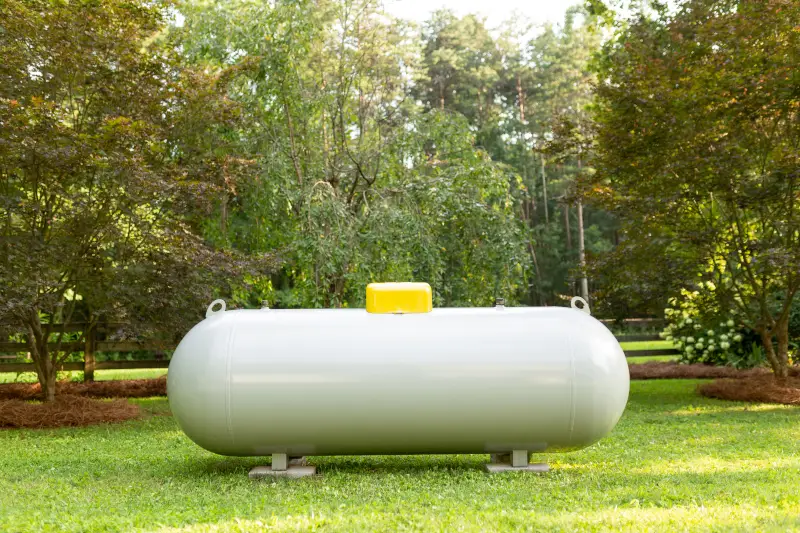
Propane tanks are one of the most common things in almost all homes and businesses. They serve as a ready source of energy to heat, cook, and even various other purposes. With time, propane tanks start showing signs of aging from fading or rusting. This will make residents wonder if they can paint their tanks. Painting a propane tank would seem the most likely way to present it as appealing. However, there are some very critical safety guidelines and regulations to adhere to. In this article, we shall discuss whether you can paint your propane tank, the rules governing the painting of propane tanks, the best types of paints to use, and maintenance tips to ensure an excellent condition of your tank.
Painting a propane tank is done for both aesthetics and safety reasons. Several standards and regulations control the painting of a propane tank, including but not limited to:
Probably one of the most fundamental requirements for the painting of an LP gas cylinder is that the paint has to be light color. For that reason, darker colors absorb as much sunlight heating as possible that leads to this propane internal pressure inside this storage tank to escalate. And so, it will probably cause over-pressure venting and thus quite a serious hazard of safety in itself. It does this by having it painted with a color, such as white, beige, or light gray, so the heat will reflect off of it and reach safe temperatures.
Not all paints work for propane tanks. The recommended type of paint is the rust-resistant, high-quality exterior-grade paint that can resist exposure to the elements. Propane companies, including LP Propane, advise using paint that resists corrosion from UV rays and extreme temperatures to prolong the lifespan of your tank.
While it may be tempting to get creative with your propane tank’s appearance, adding custom designs, patterns, or advertisements is generally not allowed. Some propane suppliers have their branding or safety labels on the tank that should not be covered and changing the original appearance could confuse technicians or emergency responders when identifying the equipment.
Never paint over the valves, gauges, or manufacturer labels since these are the important parts of the tank, which may bear information about the capacity, safety limits, and inspection dates. This would restrict propane professionals from doing maintenance or emergency services in case they are covered by paint.
So, the right paint for your propane tank can prevent rust and is a safety measure. Rust-resistant paint will not allow rust to form and thus prolong the lifespan of the tank or minimize damage caused by environmental elements. High-temperature paint is also extremely effective since the coating does not easily degrade from long-lasting heat. Because the propane tanks will receive sunlight, UV-resistant paint can also be quite useful in preventing fading and cracking, as well as deterioration due to harsh weather conditions. Oil-based exterior paint is highly recommended for a good and long-lasting finish because it offers excellent adhesion and strength. It must be applied over a paint, which is ideal for metal substrates and exposed to the environment for maximum protection. Safety recommendations from propane distributors like LP Propane will also help the tank stay operational and within standards.
Painting a propane tank does not only beautify the appearance of the propane tank but also provides several advantages. It covers all the metal parts with a kind of coating from rust and corrosion that could potentially be weakening the metal over time. Since the rusting could break down the tank, that provides a covering over it so it is safe for long-term use. Additionally, regular painting and maintenance help extend the lifespan of the propane tank, reducing the need for premature replacements.
Another essential benefit of painting your propane tank is that it enhances the safety aspect. Light-colored paint reflects sunlight so that it cannot absorb too much heat, which may cause pressure inside the tank. That is a small step that would go a long way in maintaining safe operating conditions. Finally, a well-painted propane tank will enhance the aesthetic appeal of your property. Instead of looking old or out of place, a newly painted propane tank blends well into its surroundings while complementing your outdoor space with its functionality intact.
Before you paint your propane tank, you have to first check local regulations and guidelines. States have their rules regarding the paint that can be used on a propane tank and its color. This is primarily to ensure safety, visibility, and compliance with industry standards. If you lease your tank from a company like LP Propane, contact them to confirm any restrictions or requirements before proceeding. Unauthorized painting may violate lease agreements or compromise the tank’s warranty.
Proper preparation is key to achieving a smooth and durable finish. First, make sure the propane supply is off and the tank is cool to the touch. Clean the area with a wire brush or sandpaper to remove rust, dirt, or flaking paint. If there’s a lot of rust, consider using a solution to remove the rust or applying a primer before painting. Wipe off the tank with a damp cloth so as to remove dust and debris and completely dry it. A clean and dry surface is the best preparation that new paint has for itself so as to hold longer.
Proper painting would make up for either one of them: safety or durability. Paint propane tanks with light-colored heat-reflective paint to prevent absorption of excessive heat inside the tank, which may be caused by the pressure building inside the tank. It can be painted in Light Gray, White, or Beige. Propane-safe and rust-resistant paint may also be applied-those suitable for metal surfaces. Never paint with dark colors, high gloss finish, and oil-based paint because these can be more difficult to inspect for leaks, corrosion, or other damages.
Paint your propane tank using thin, even layers to avoid drips or strokes as well. You can use a brush, roller, or spray paint that is meant for the application on metal surfaces. Begin with a primer if necessary and apply multiple coats of paint. Ensure that each coat dries up before the application of the next coat. Never paint vital safety features like warning labels, valves, gauges, and the serial number on the tank. If well applied, it will remain safe, compliant, and attractive to the eye.
After the paint has fully dried, inspect your work for any missed spots or uneven patches. To keep your propane tank in a healthy condition, do frequent checks for peeling, chipping, or rust spots and apply a touch of paint accordingly. The proper painting of the tank is not only aesthetic but also a means of protecting the tank from environmental damage, thereby extending its life span and keeping it safe.
You can maintain your propane tank quite safely and effectively, if you do so in the right manner. Proper operation, use of light colored paints, and an avoidance of simple mistakes can allow you to significantly enhance the view and longevity of your tank for safe operation. Check the regulations of your area as well as recommendations from the manufacturer if you want to alter any parts of your tank, whether it is rented or bought from LP Propane. Proper maintenance such as painting will make your propane system efficient and reliable for a long time.

Can You Install a Fence Around a Propane Tank? A propane tank can interrupt the look of a landscaped yard, especially when it sits near a patio or driveway. A fence may seem like an easy way to hide it,
What Should You Know Before Landscaping Around an Underground Propane Tank? An underground propane tank keeps most equipment out of sight, but the ground above it still needs careful planning. A new flower bed, retaining wall, or irrigation trench can

Be one of the first 200 New Customers to sign-up until September 15th to get $500 worth of propane, FREE! You’ll also get 1 year free tank rental when you switch!
NEW CUSTOMER? Fill out the New Customer Application to join IGNITE.
Save $0.05 Per Gallon with the IGNITE Program Learn more!