
Can You Install a Fence Around a Propane Tank?
Can You Install a Fence Around a Propane Tank? A propane tank can interrupt the look of a landscaped yard, especially when it sits near a patio or driveway. A fence may seem like an easy way to hide it,
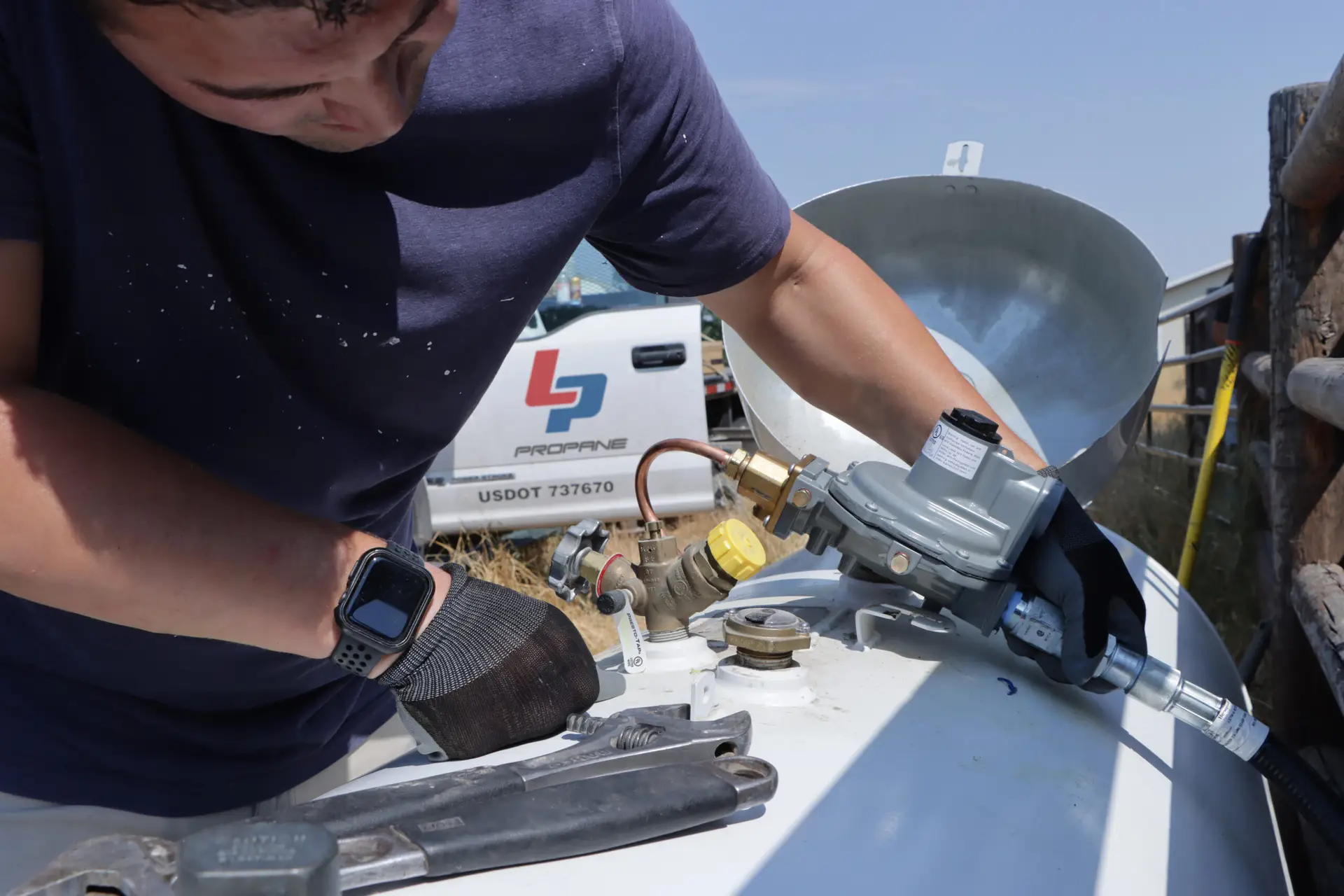
If you use propane, you already know how quietly it runs your life, heating your home, firing your stove, keeping the water hot. It hums along in the background, dependable as sunrise. Until one day, it isn’t. That’s usually how most propane problems begin, with a small leak, a valve that sticks, or a tank that hasn’t been inspected since who-knows-when. It’s easy to overlook because propane tanks rarely demand attention. But when they fail, they fail loudly. A bit of prevention, though, saves you from all that drama. In 2025, regular maintenance isn’t just about ticking a safety box; it’s about protecting your investment and your peace of mind.
Even a good tank has enemies. Weather, time, and neglect all take their shots, slowly shaving years off its lifespan. Let’s break down the common culprits.
Rust doesn’t appear overnight, it starts as tiny orange freckles. Leave them alone, and you’ll soon have a problem. A quick wipe, a little sanding, and a coat of outdoor paint can add years to your tank’s life.
That full-sun spot might look convenient, but UV rays punish metal. Heat expands the propane, pushes the pressure higher, and makes the valves work overtime. Shade helps more than you think.
From sweltering July days to minus-20 winters, the tank metal expands and contracts. Joints loosen, seals fatigue. A spring and fall check keeps those stress points in line.
If your tank sits in a puddle every time it rains, it’s rusting from underneath. Gravel bases or raised platforms are simple fixes that make a huge difference.
Old valves and hoses are like old knees; they creak and give out eventually. Swap them before they start leaking. It’s cheaper than dealing with an emergency call-out.
A dent or scratch might seem harmless, but it often becomes a corrosion hotspot. A quick visual once a month helps you catch problems before they spread.
It’s rarely one big mistake that ruins a tank, it’s the small, human ones we repeat without thinking.
Propane tanks age gracefully, until they don’t. That clean surface hides wear inside the valves and lines. Skipping checks might save time today, but it costs peace of mind later.
Grass, vines, or snowdrifts crowd your tank trap moisture. It’s not just messy it accelerates rust and blocks delivery crews. Keep at least a meter of clear space around it.
A YouTube video might teach you how to replace a washer, but propane systems demand precision. Always leave major fixes to licensed technicians.
Topping off “just in case” can actually cause dangerous pressure buildup. Your supplier knows the safe fill point, let them handle it.
That little sticker with a faded date on it? It matters. Without a current certification, suppliers might refuse to fill your tank. Mark it on your calendar right after each inspection.
That faint odor like rotten eggs or frost forming on a fitting isn’t nothing. It’s your system whispering for help before it screams.
Take a slow lap around your tank. Look for rust, dents, frost, or anything unusual. You’ll spot trouble before it grows.
Every five years is standard for most tanks, but annual checks are smart if yours handles high demand. A certified technician will test pressure, check regulators, and re-qualify the tank.
A simple wash with mild soap keeps salt, dirt, and grime from building up. Avoid harsh chemicals, they eat through paint and seals.
Wireless propane monitors are a game-changer. They send alerts straight to your phone or your supplier when levels drop or something’s off. No guessing, no running out mid-dinner.
Every few years, repaint with a light-coloured, rust-resistant paint. White or grey reflects sunlight, keeping internal pressure steady.
Hoses exposed to weather become brittle. Regulators clog. Swap them on a schedule, not when they fail.
Propane has quietly stepped into the digital age. Modern tanks now come with smart sensors that track levels, detect leaks, and send alerts straight to your phone. Suppliers use GPS-based routes and predictive refilling systems to make sure customers never run out, even during peak demand. Some systems even analyse weather patterns to forecast when your tank will need topping up. It’s a quiet kind of innovation, one that makes propane delivery smoother, safer, and almost effortless.
You can spot rust or frost with your eyes, but real safety goes deeper. Certified technicians bring tools you don’t have, pressure gauges, leak detectors, and moisture sensors that catch early warning signs before trouble starts. Most inspections take less than an hour, yet they can add years to your tank’s life. Think of it as peace of mind disguised as maintenance, a small task that prevents the kind of problems you never want to experience firsthand.
Behind every safe propane system are people who communicate. Before a refill, clear the path so drivers can reach your tank easily. Confirm your contact details, and let your supplier know if you’re traveling or expecting heavy use.
It’s simple, really, a bit of courtesy, a quick call, and a little planning make everything work smoother for everyone. Propane safety might be technical on paper, but in practice, it’s deeply human.

Can You Install a Fence Around a Propane Tank? A propane tank can interrupt the look of a landscaped yard, especially when it sits near a patio or driveway. A fence may seem like an easy way to hide it,
What Should You Know Before Landscaping Around an Underground Propane Tank? An underground propane tank keeps most equipment out of sight, but the ground above it still needs careful planning. A new flower bed, retaining wall, or irrigation trench can

Be one of the first 200 New Customers to sign-up until September 15th to get $500 worth of propane, FREE! You’ll also get 1 year free tank rental when you switch!
NEW CUSTOMER? Fill out the New Customer Application to join IGNITE.
Save $0.05 Per Gallon with the IGNITE Program Learn more!