Propane Storage Tips for Extreme Weather (Heat, Cold, Hurricanes)

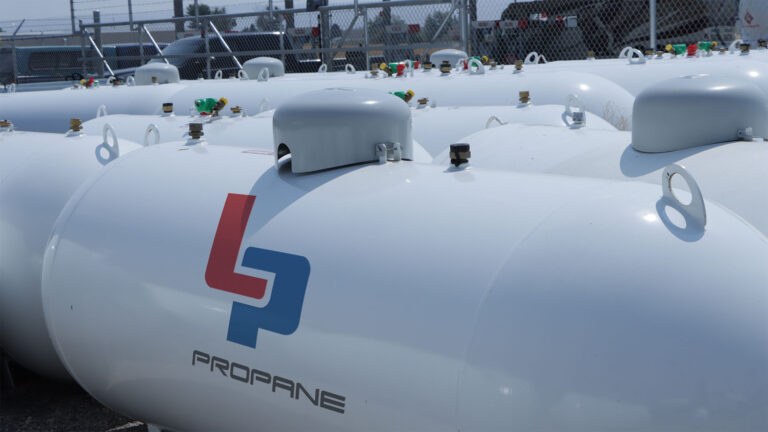
Propane powers everything from open-air flame broiling to domestic heating and cooking. It could be a flexible and tried-and-true fuel source. In any case, to guarantee its adequacy and security, proper capacity during extreme weather conditions, such as extreme heat and hurricanes, is crucial. In this article, we’ll investigate the leading homes for propane capacity in these challenging conditions, providing you with the information to keep your propane supply secure and reliable, regardless of the climate you face. Recently, when exploring weather-related tips, it is essential to understand proper propane capacity considerations. Since propane is stored in pressurized tanks, any temperature change can alter the weight within the tank, potentially leading to hazards. Propane capacity becomes increasingly crucial in extreme temperatures to prevent blasts, explosions, and spills.

Propane Storage Tips for Extreme Weather (Heat, Cold, Hurricanes) | LP Propane

Propane Capacity in Extraordinary Cold Climate

Cold climates can have several impacts on propane tanks. As the temperature drops, propane becomes less effective, and the weight inside the tank diminishes, which can cause operational issues for machines that depend on propane.  

Keep tanks away from ice and snow.

Condensation inside the tank, caused by snow and ice, can cause erosion and damage to vents. Propane tanks should be stored in dry, well-ventilated areas, away from areas prone to snow accumulation. 

Covers that are protected

In areas with extremely cold temperatures, consider using protective covers specifically designed for propane tanks. These covers provide support in maintaining the tank’s weight and preventing solidification. 

Keep Tanks Off the Ground

When propane tanks are placed specifically on cold ground, they can lose heat rapidly, causing weight issues. Utilize a raised stage or stand to keep the tank off the ground.  Monitor the Weight: Keep an eye on your tank’s weight gauge during extreme cold. If the weight falls as well, you will need to take steps to warm the tank to reestablish the weight gently.  

Store Tanks in Encased Zones

Enclosed zones such as sheds or carports can help keep the propane tank at a steadier temperature. To prevent gas buildup, ensure that the range has adequate ventilation.

Protect your propane tanks with proper storage tips for extreme weather

Propane Capacity in Extraordinary Cold Climate

Cold climates can have several impacts on propane tanks. As the temperature drops, propane becomes less effective, and the weight inside the tank diminishes, which can cause operational issues for machines that depend on propane.  

Keep tanks away from ice and snow.

Condensation inside the tank, caused by snow and ice, can cause erosion and damage to vents. Propane tanks should be stored in dry, well-ventilated areas, away from areas prone to snow accumulation. 

Covers that are protected

In areas with extremely cold temperatures, consider using protective covers specifically designed for propane tanks. These covers provide support in maintaining the tank’s weight and preventing solidification. 

Keep Tanks Off the Ground

When propane tanks are placed specifically on cold ground, they can lose heat rapidly, causing weight issues. Utilize a raised stage or stand to keep the tank off the ground.  Monitor the Weight: Keep an eye on your tank’s weight gauge during extreme cold. If the weight falls as well, you will need to take steps to warm the tank to reestablish the weight gently.  

Store Tanks in Encased Zones:

Enclosed zones such as sheds or carports can help keep the propane tank at a steadier temperature. To prevent gas buildup, ensure that the range has adequate ventilation.

Propane Capacity in Extraordinary Warm

Maintain a strategic distance from Coordinate Daylight:

Store propane tanks in a shaded area, away from direct sunlight. Select a cool, well-ventilated space for storing propane. 

Utilize Temperature-Regulated Capacity Units:

If you live in a particularly hot region, consider using temperature-regulated capacity units designed to maintain the temperature of propane tanks. 

Routinely Check the Weight Help Valve:

Ensure that your propane tank’s weight relief valve is functioning properly. The purpose of this valve is to reduce the likelihood of a crack by discharging excess pressure that the tank may build up. 

Keep Tanks Upright:

Propane tanks must be stored upright at all times. Putting them away on their side can cause fluid propane to enter the valve, leading to glitches or weight issues.  

Propane Capacity During Typhoons and Storms.

Tall winds, flooding, and physical harm are all potential dangers to propane tanks amid typhoons and other serious storms. Under these conditions, it is crucial to secure your propane tank to prevent mishaps and ensure the integrity of your tank. During storm season, secure your propane tank to the ground or a sturdy structure using straps or stays. This makes a difference in avoiding the tank from being moved or tipped over by strong winds. Flooding can be a significant concern during typhoons. Store propane tanks in raised areas, such as on a concrete pad or a raised platform, to keep them above floodwaters.  Consider utilizing hurricane-rated covers or cages to secure your propane tank from flying debris and the components during a storm.  Continuously store propane tanks away from buildings or structures to minimize the risk of fire damage if the tank were to break or catch fire during a storm. Ensure that the area where you store your propane tank has proper drainage to prevent water from collecting and potentially affecting the tank. You should have a backup plan in case of a power outage. Severe storms can cause this. Having an additional propane tank prepared for use can give peace of mind.

Looking at and keeping up with propane tanks

Routinely check your propane tank for spills and keep it up to date and in review, regardless of the weather, to ensure its safety and proper operation. Spills can be found employing a basic soapy water blend. Be careful for bubbles that point to a spill as you apply the arrangement to the valve and creases. Propane tanks can rust over time, particularly when exposed to unforgiving climates. Check your tank for signs of rust or erosion, and clean it if necessary to prevent any further damage. To maintain a strategic distance from the aggregation of gas in the event of a spill, propane tanks should be kept in well-ventilated areas at all times. The plausibility of blasts is diminished by adequate ventilation.  Propane tanks must never be filled more than 80% of their total capacity. Over-the-top filling raises the risk of spills and weight accumulation. Check the tank for any marks, rub, or other physical damage that might compromise its integrity. Any broken tanks should be repaired or replaced immediately. Ensure that the tank’s valve is working properly. Any glitch seems to result in gas spills, so be sure to address any valve issues promptly.   

Security Procedures and Crisis Measures

Knowing how to respond to events is vital to avoiding further consequences. On the occasion of a propane spill or fire, you ought to discover where your propane shut-off valve is. To prevent more gas from escaping, switch it off immediately. When dealing with or storing propane, keep a fire extinguisher nearby, especially in extreme weather, that is rated for propane fires. Call the fire division or crisis services and evacuate the zone immediately if you suspect a propane spill. Do not attempt to repair the spill on your own. In the event of a propane crisis, ensure that everyone in the region is aware of the situation and knows how to remain safe. Do not use electrical equipment or lighting any blazes within the area if you suspect a gas spill, as this could cause an explosion. Continuously seek professional help for repairs or replacement if your propane tank sustains significant damage. Damageless, Damageless, you possess the essential skills; never attempt repairs on your own.

Conclusion: Safe Propane Storage for All Weather Conditions

It’s crucial to store propane safely, particularly during extreme weather, to maintain the security and efficiency of your propane-powered appliances and heating systems. Lower the risk of accidents and ensure your propane tank works reliably all year long by following the advice provided in the instructions, especially during a typhoon, a heatwave, or a cold spell. It is essential to regularly check your propane tank, perform any necessary maintenance, and take the required safety measures to ensure the safety of your loved ones and home.

BLAZING BLOGS

Propane Storage Tips for Extreme Weather (Heat, Cold, Hurricanes) | LP Propane

Patio Propane Heater Solutions

Patio Propane Heater Solutions The right Propane heater could extend your outdoor time, transforming cold evenings on the patio into a pleasant, enjoyable time. If you’re looking for gentle heat for intimate gatherings or an impressive production to blanket the

Read More »

JOIN THE IGNITE PROGRAM

NEW CUSTOMER? Fill out the New Customer Application to join IGNITE.

Haven’t heard of our IGNITE Program? Learn more!
This field is for validation purposes and should be left unchanged.
Name(Required)
Service Address(Required)
AAP Agreement(Required)
You will be contacted by a Customer Service Representative to obtain your credit card information.
MM slash DD slash YYYY

State Fair Giveaway

$500 Worth of Propane

Be one of the first 200 New Customers to sign-up until September 15th to get $500 worth of propane, FREE! You’ll also get 1 year free tank rental when you switch!