Are Propane Tanks Safe?

Propane is one of the most used fuel sources worldwide, famous for its efficiency and versatility. From home heating and water heaters to outdoor grills and commercial equipment, propane has become an all-around powerhouse for many. So, are propane tanks safe? The short answer is yes. When used and maintained correctly, propane tanks have multiple safety features designed to avoid accidents. LP Propane is the most popular propane solution provider that makes sure that their customers are always provided with quality, well-maintained, and safe tanks without violating any safety regulations.

Are Propane Tanks Safe? | LP Propane

How Safe Are Propane Tanks?

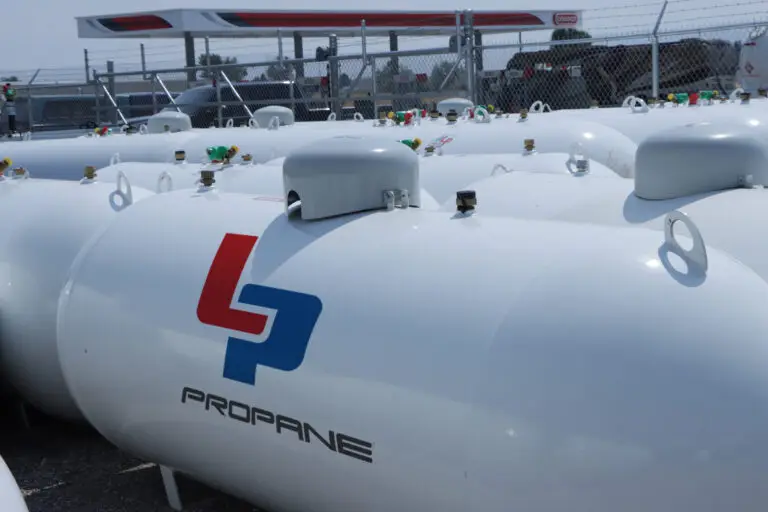
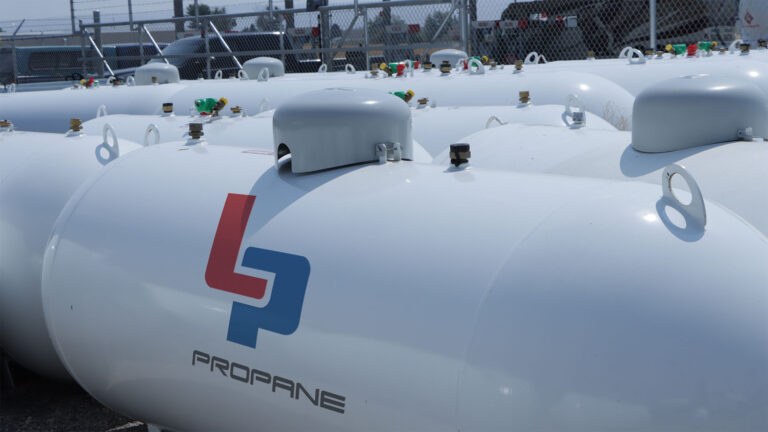
Propane tanks are designed to fit the latest safety features that prevent leakage, fires, and ignition. Compared to gasoline or natural gas, propane is held in a pressured, controlled space, so it is relatively safer. These durable tanks, crafted from steel or aluminum, are also tested rigorously against industry standards to provide performance in a range of conditions.

The primary security features of propane tanks include a pressure relief valve, which prevents the container from exploding by releasing excessive pressure, and an OPD that inhibits overfilling and therefore reduces the possibility of leakage. Additionally, these are designed to last, being resistant to extreme weather, impacts, and temperatures. Shut-off valves give control to the user over the propane flow; in case of an emergency, it can be shut off too. Propane tanks are still the safest when used for fuel storage if properly installed and checked.

Leaks, rust, or overfill?
Regular checks can save you from a thrill!

Common Safety Concerns About Propane Tanks

Even though propane tanks are made considering safety paramount, improper handling or lack of maintenance will lead to potential risks. Here are some common concerns as well as how to mitigate them.

Propane Leaks

A propane leak can be extremely hazardous, increasing the risk of fire or explosion. Fortunately, producers of propane give this gas a characteristic odor of rotten eggs so you will much more likely detect it when it’s leaking. When you get this whiff of this smell, you need to act quickly. Preventive leaks are usually attained through regular inspection of hoses, connections, and valves for any sign of wear or damage. Checking for leaks can be easily done by simply applying a soapy water solution to the fittings. Bubbles will appear when there is leakage. Moreover, all fittings must be tightened before using any propane appliance in order to reduce the leakage of gas as much as possible.

Fire and Explosion Hazards

Propane is highly flammable; hence, fire can easily break out when the gas is mishandled. However, propane tanks are designed to hold gas under pressure in a safe environment. Industry regulations accomplish much to insure that these tanks do not come under malfunction conditions. Most fire incidents related to propane occur by not using appropriate equipment, failing equipment, and having the tank near some other source of ignitions. Help prevent fires with these safety practices and keep distance from propane with the following dangers: open flame, electrical resources, and heavy heat. Never store propane indoors in basements or other enclosed areas. Also, the tank should be kept upright on a firm, well-ventilated surface to avoid tipping and leakage.

Overpressure Problems with Tanks

High temperatures can cause pressure inside a propane tank to increase, which activates the pressure relief valve. Although this safety feature is intended to relieve excess pressure, too much accumulation can be dangerous if your tank is exposed. Do not let it overheat since it may experience overpressure; store your propane tank in a shaded, well-ventilated area. Always avoid placing your tanks directly under the sun for long periods of time, more so when it is hot weather. Also, as a matter of habit, ensure the pressure relief valve is working perfectly, hence, it can always release overpressure when necessary.

Rust and Corrosion

In the long run, rust and corrosion will weaken a propane tank structure and may result in leakage. Outdoor propane tanks are very susceptible to moisture, which will enhance the rusting process. Avoid rust and corrosion by making sure the tank is kept dry and clean, and moisture should be wiped off immediately after having been exposed to rain or snow. Keep the tank off the ground on a firm, stable surface so it will not allow water to gather underneath. If rust starts forming, apply a layer of rust-resistant paint, but make sure the paint is safe. That means proper care and maintenance will give the propane tank a longer life and keep it in a safe condition for use. 

How to Handle Propane Tanks Safely

Proper Storage Guidelines

Proper storage of propane tanks is to avoid accidents. Store propane in a cool, dry, well-ventilated area. There should be no overheating, pressure buildup, and so forth. Keep 10 feet from open flames or electrical sources; that’s ignition points. Keep it away from enclosed areas – garages, sheds, and basements, as improper ventilation in these locations may be harmful if there were a leak.

Safe Transportation Tips

Propane cylinders should always be transported upright for the sake of avoiding leakage or toppling, and then attach the tank safely to your automobile using straps and other restraints to prevent them from shifting from their position. Never let a propane tank be left in a hot, closed vehicle for long because the higher temperatures can make the pressure within the tank go up and become dangerous. They ensure that transport becomes safe with no accident cases. 

Regular Inspections and Maintenance

The tanks have to be under regular checks and servicing to offer proper service. Inspect outside the tank for visible dent or rusting that could compromise the strength of the structure. Check hoses and connections for crack or leak and replace faulty components. For long-term safety, have your propane tank inspected and recertified by professionals based on the rules and regulations in that industry. The whole exercise would help in lengthening the life of the tank and ensuring it operates in a risk-free manner.

Ensuring Safety with Propane Tanks

Propane tanks are safe when used and handled with care. They are engineered to consist of various safety features to minimize chances of leakage, over pressure, and other hazards. Proper storage, transportation, and regular maintenance will allow you to enjoy propane with confidence. LP Propane offers quality tanks as well as expert consultation in order to ensure a safe and efficient experience with propane. Propane, beyond any shadow of a doubt, is still an extremely reliable and safe source of energy if used in the right responsible way.

Using these facts and following some guidelines, you’ll be able to enjoy heating your home, cooking your meals, and running your appliances with risks kept at bay.

BLAZING BLOGS

State Fair Giveaway

$500 Worth of Propane

Be one of the first 200 New Customers to sign-up until September 15th to get $500 worth of propane, FREE! You’ll also get 1 year free tank rental when you switch!

JOIN THE IGNITE PROGRAM

NEW CUSTOMER? Fill out the New Customer Application to join IGNITE.

Save $0.05 Per Gallon with the IGNITE Program Learn more!

This field is for validation purposes and should be left unchanged.
Name(Required)
Service Address(Required)
AAP Agreement(Required)
You will be contacted by a Customer Service Representative to obtain your credit card information.
Terms of Service(Required)

LP Propane Ignite Program – Terms and Conditions

1. Eligibility and Program Requirements
To qualify for and maintain enrollment in the LP Propane Ignite Program and receive the $0.05 per gallon fuel discount, the Customer must simultaneously enroll in and maintain active status in the following three core services:

Auto Fill Delivery: The Customer authorizes LP Propane to automatically monitor, schedule, and deliver propane to the designated tank when levels dictate, bypassing the standard Will Call scheduling requirements.

Auto Pay: The Customer must maintain a valid, authorized payment method on file (Credit Card, Debit Card, or ACH/Direct Draft). Invoices will be automatically drafted within 7 days after the delivery.

Paperless Billing: The Customer agrees to receive all invoices, statements, and program communications via email. Opting out of online billing or requesting paper statements will result in a $4.95 monthly fee and disqualification from the program.

2. Fuel Discount Terms

The $0.05 per gallon discount applies exclusively to the standard market rate of propane at the exact time of delivery.

The discount is applied automatically on invoice.

This discount cannot be combined with specific commercial contract pricing or volume discounts unless expressly authorized in writing by LP Propane.

3. Tank Monitoring and Delivery Access

LP Propane may utilize physical tank monitors or advanced usage-tracking algorithms to schedule deliveries.

Access Requirements: The Customer must ensure the propane tank is always completely accessible to delivery personnel and vehicles. The pathway must be free of obstacles, locked gates, debris, or unrestrained animals within a 100-foot radius.

Seasonal Maintenance: During winter months, the Customer is legally responsible for clearing snow, ice, and paths leading to the tank. If a delivery vehicle cannot safely access the tank, the delivery will be delayed, and any emergency filling fees incurred due to subsequent low fuel levels will be billed to the Customer.

4. Credit Status and Payment Failures

If an Auto Pay transaction is declined or fails for any reason (e.g., expired card, insufficient funds), the Customer must update their account billing details immediately. If the transaction remains unprocessed for 30 days despite attempts by LP Propane to contact the Customer, the account will be automatically unenrolled from the program.

If an account balance becomes past due, LP Propane reserves the right to suspend Auto Fill privileges, pause the $0.05 per gallon discount, and transition the account to a "Will Call / Cash on Delivery" basis until the account is brought current and after review and approval of LP Propane’s credit department.

5. Program Termination or Changes

Customer Termination: Removing any of the mandatory components (Auto Fill, Auto Pay, or Paperless Billing) constitutes voluntary termination from the program. If you would like to opt out of the Ignite program you must submit 30 day written notice

Company Modifications: LP Propane reserves the right to alter, modify, or terminate the Ignite Program framework, including discount amounts or underlying eligibility terms.

MM slash DD slash YYYY