
Can You Install a Fence Around a Propane Tank?
Can You Install a Fence Around a Propane Tank? A propane tank can interrupt the look of a landscaped yard, especially when it sits near a patio or driveway. A fence may seem like an easy way to hide it,
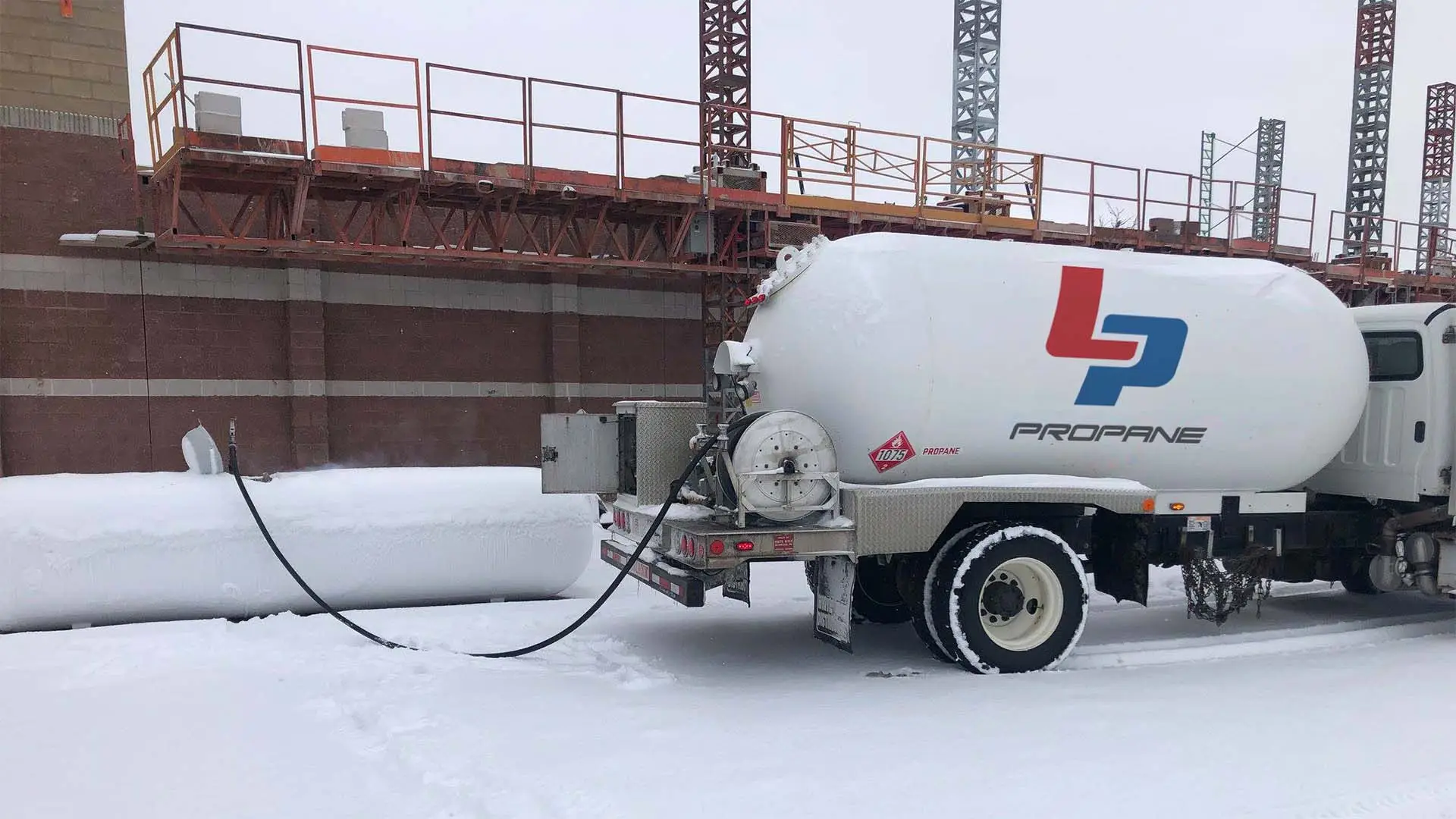
Propane has been the preferred fuel for homeowners living off the grid, as it stores a lot of energy in a small space, powers a variety of equipment, and performs well in remote or cold regions. Through designs, safety tips, and sizing principles to help you create a code-compliant, efficient propane system to power an off-grid residence. Important references include the propane code, national and size tables used by utilities and installers.
Begin by listing each appliance you plan to run with propane (range, fridge, stove, water heater, furnace, dryer, generator, grill for outdoor use). Each appliance should be recorded by BTU/hr or in gallons/day. These numbers form the foundation for sizing the tank and pipe.
It is important to separate constant loads (fridges and certain water heaters) from intermittent peak loads (furnace firing cycles and cooktops). Propane systems have to be able to handle the peak draw without frosting and regulators starving.
Choose whether a central tank (above- or below-ground) can supply the whole home, or if you’ll use various smaller tanks (easier to refill or swap, but requires larger plumbing). Multiple-structure systems, also known as community systems, typically use a central buried tank with distribution pipes.
The colder temperatures slow the vaporization of propane in tanks filled with liquid. Use technical or vendor charts to verify that the tank(s) will provide the required BTU/hr at the lowest temperature you expect.
Installers and local codes will be aware of the required clearances, permissible tank sizes, and the state’s regulations. Hire a design professional before you start. Modifications later on are expensive.
Larger families typically use 500 or more gallons, depending on how much of your home’s energy consumption is propane. Tank choices should be based on tank availability and delivery frequency.
The daily consumption for every appliance (many propane appliance specifications list BTU/hr or gallons/day). Add days to the delivery cycle (or month) to determine the amount of refill needed. This allows you to choose tanks that have a sufficient reserve.
Use technical pocket guides and vendor tables to determine the maximum withdrawal rates (BTU/hr) for the chosen tank dimension at the designed low temperature. If the peak load exceeds the tank’s vaporization capacity, a larger tank, a vapourizer, or an additional jacket heater may be required.
Regulators need to be calibrated for the entire appliance’s output at their downstream site. Pipes (copper, CSST, or steel) should be designed to accommodate increased pressure and flow rate for long runs, or for multi-appliances, which typically require larger pipes or branches with multiple diameters.
For extremely remote sites, it is recommended to plan for redundancy. This could be two tanks connected in parallel, a spare cylinder, or alternative generators. Redundancy reduces the risk of running out of fuel during delivery.
Think about how the delivery vehicle can access the location, and if deliveries during winter might be delayed. In certain areas, large deliveries can only be made with certain tank sizes. Check with your local vendors.
Local governments can modify or adopt the installation requirements. Installers must comply with both NFPA and local regulations.
Maintain tanks at a safe distance from lot lines, buildings, openings, and ignition sources, as per code tables. Aboveground tanks should be set on frost-proofed, stable pads and should be secured if needed. Underground tanks need to be installed by skilled crews to prevent damage and leaks.
Vents and pressure regulators should be accessible and located so they are clear of snow, debris, or obstructions. Venting at low temperatures and protecting against icing are essential in colder climates.
Install gas detectors in bedrooms or appliances when needed, and provide easy access to the emergency shutoff valve. Make sure that the inhabitants are taught to detect and react to the aroma of propane (rotten-egg-like smell).
Direct-vent and sealed-combustion designs or appliances reduce indoor air pollution and are recommended for closed-off-grid houses.
A secure off-grid propane configuration generally includes: tank(s), primary regulator, secondary regulator (if required), pipework for service with manually shutoffs, appliance branches with shutoffs for appliances, and vents.
Propane stoves provide precise flame control and work well with grid electric systems. Select sealed burners and basic ignition systems to ensure durability. Refrigerators that use propane are popular alternatives to off-grid systems; they rely on thermal energy rather than electricity and consume about 2 lbs of propane per day, depending on the unit’s size and weather conditions. Modern, high-efficiency models, as well as well-insulated models, reduce consumption. Tankless water heaters provide instant hot water, reducing standby losses. They need to be properly sized for the combined peak draw (showers and dishwashers). Tank heaters are simpler and can be used with recirculating loops, making them easier to use. Propane boilers and furnaces designed to meet your home’s heating demand provide reliable heat. When it is cold, you should check that the BTU/hr system’s demand matches the tank’s vaporization capacity, or install a vaporizer. Propane dryers work well and can cut the electrical load of Battery and solar off-grid systems. Propane-powered generators make a fantastic primary power source for backup off-grid electricity, as propane stores indefinitely and generators run efficiently when properly maintained.
Propane is an adaptable and energy-dense fuel. Propane, when properly installed and designed, allows off-grid living to be enjoyable and reliable. The key is precise load calculations, paying attention to the vaporization limit at cold temperatures, compliance with NFPA 58 and local codes, and a sensible redundancy and maintenance plan. Employ certified installers. Use technical and vendor tables to confirm tank and piping options, and combine renewable energy with propane to reduce the long-term need for fuel. By implementing a thoughtful plan, you’ll get an efficient, safe, and reliable fuel source for your off-grid house that can withstand weather and seasons.

Can You Install a Fence Around a Propane Tank? A propane tank can interrupt the look of a landscaped yard, especially when it sits near a patio or driveway. A fence may seem like an easy way to hide it,
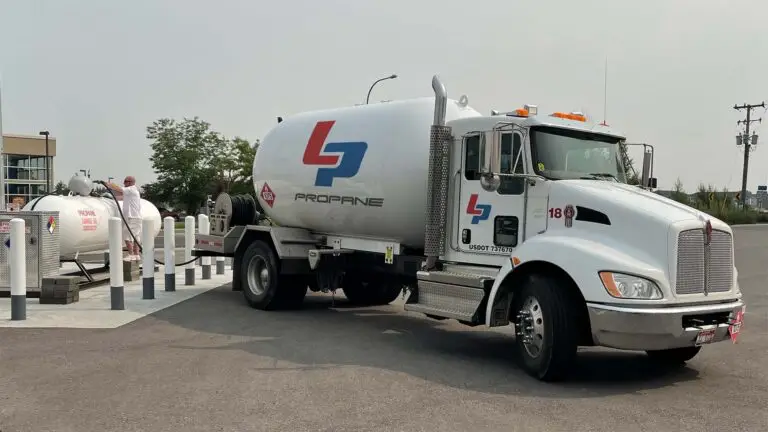
What Should You Know Before Landscaping Around an Underground Propane Tank? An underground propane tank keeps most equipment out of sight, but the ground above it still needs careful planning. A new flower bed, retaining wall, or irrigation trench can

Be one of the first 200 New Customers to sign-up until September 15th to get $500 worth of propane, FREE! You’ll also get 1 year free tank rental when you switch!
NEW CUSTOMER? Fill out the New Customer Application to join IGNITE.
Save $0.05 Per Gallon with the IGNITE Program Learn more!