Your 2025 U.S. Propane Codes and Compliance Guide

Propane is arguably the most ubiquitous source of energy used by American homes, farms, and enterprises. Its value is well worth it with its multifaceted uses, but as any other fuel, it requires strict adherence and security protocols. Periodic regulatory revisions by entities like the NFPA (National Fire Protection Association), DOT (Department of Transportation), and state regulation departments regulate propane use through codes. As we approach 2025, homeowners, contractors, and propane retailers must be informed about the new regulations. This guide deciphers the new U.S. propane codes, explains the differences, and helps you ensure your system is compliant.

Your 2025 U.S. Propane Codes and Compliance Guide | LP Propane

Top 2025 Propane Safety Standards

Remaining informed about the newest propane safety codes means your home and neighborhood are safer. The 2025 revisions fortify safety inspections, installation procedures, and emergency procedures.

New Tank Installation Requirements

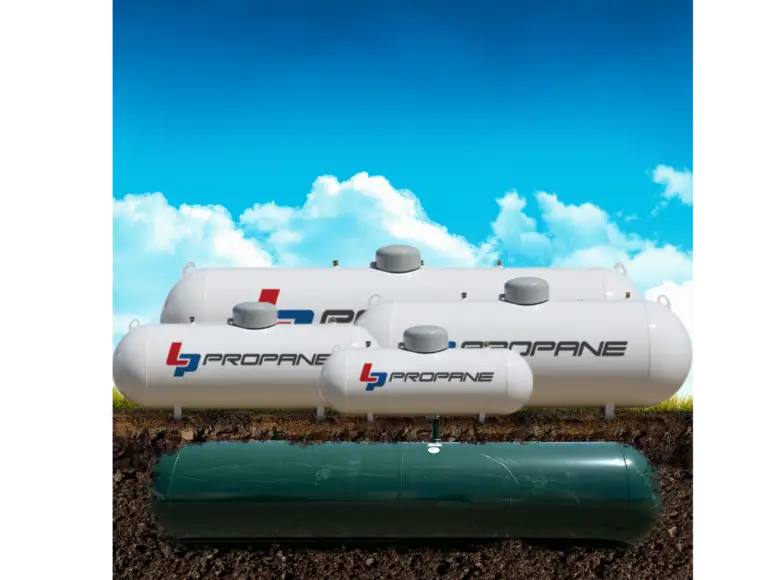
Installation of the propane tanks must be in compliance with the NFPA 58 codes, including revised setback distances from crawlspaces, buildings, and ignition sources. Residential tanks under the 2025 codes must be not less than 10 feet away from entrance points and crawlspaces.

Underground Tanks - New Regulations

There is a need for advanced corrosion protection of the underground storage tanks using dielectric coatings and anode systems. Testing is also emphasized by codes every 3–5 years in order to prevent environmental leaks.

Cylinder Storage and Handling Changes

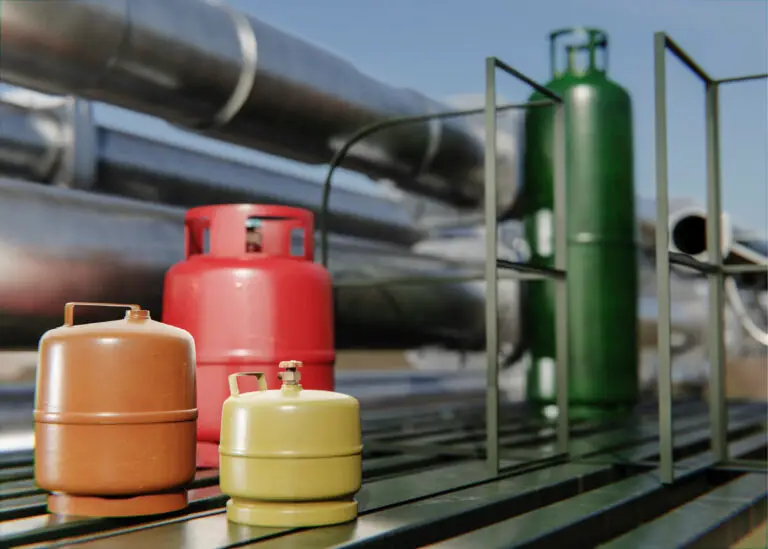
Small propane cylinders, found most often on heaters and grills, must be stored vertically and well ventilated. 2025 compliance addresses greater signage and restricted access for public storage space.

Appliance Ventilation Requirements

Propane equipment used indoors such as stoves, furnaces, and heaters need proper mechanical ventilation. There is a requirement by codes to install carbon monoxide detection systems as a code standard.

Pressure Relief Device Requirements

Pressure relief devices for new higher temperatures in 2025 will have to be installed on propane cylinders and tanks, especially in warmer parts of the U.S. that experience heatwaves.

Mandatory Document-Keeping and Documentation

Propane retailers are obligated to keep electronic installation, inspection records for a minimum of five years, which will enable faster audits and verification of compliance.

Navigate the new propane standards with ease and confidence.

Propane Delivery and Transport Compliance

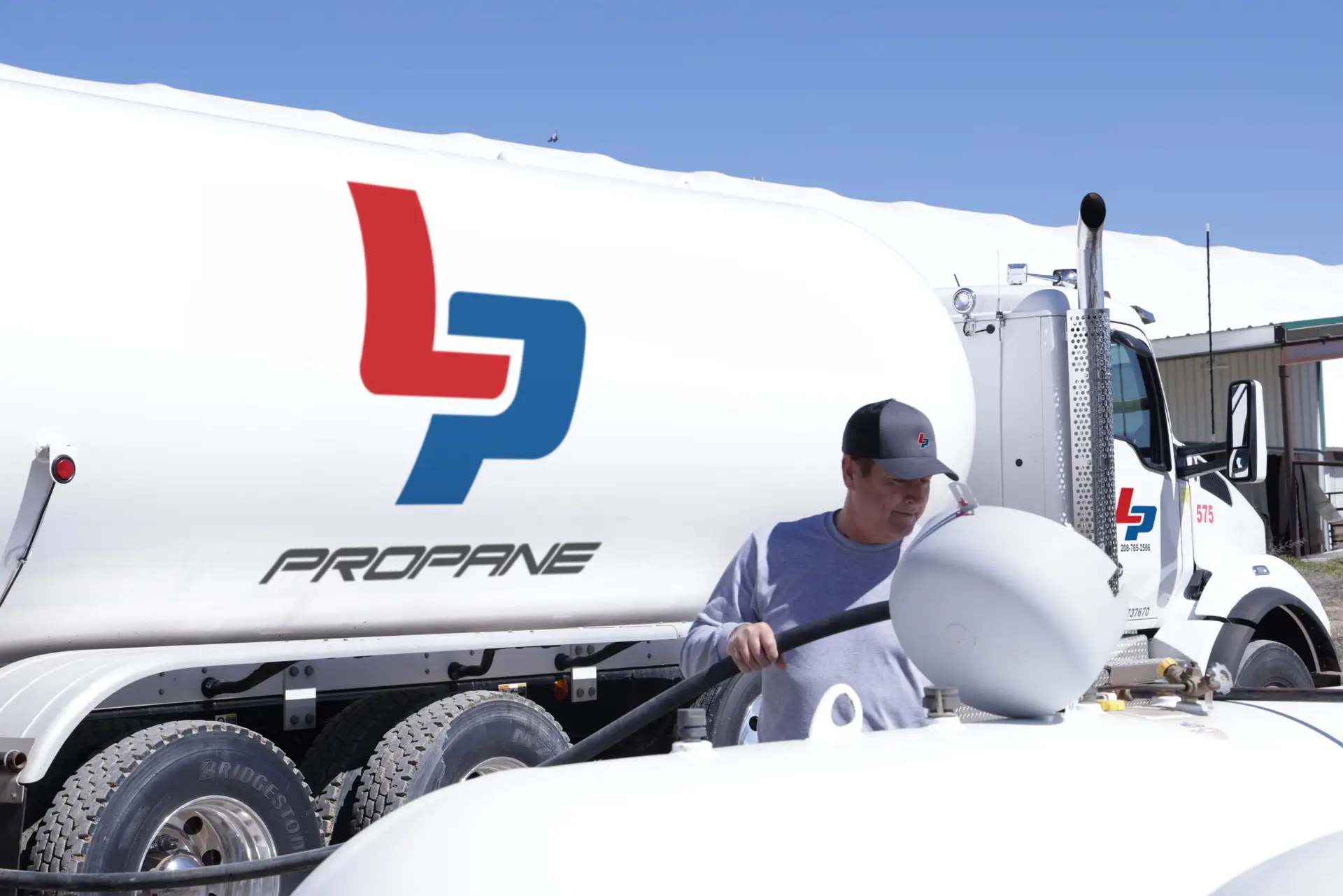
From vehicle inspections to driver certification, propane transport regulations are tightening up. These steps ensure each delivered gallon on your doorstep complies with federal and state regulatory requirements.

DOT Cylinder Marking Changes

All propane cylinders delivered have to be equipped with 2025 DOT-approved labels, including date of manufacture, recertification marks, and QR-coded tracking labels.

Delivery Truck Safety Improvements

Propane delivery trucks must now have more robust rollover protection and tighter inspection frequencies to qualify for 2025 standards.

Recertification and Driver Training

Propane delivery drivers must recertify training in hazmat operations, leak detection, and emergency response on an annual basis.

Improved Fill Procedures

2025 codes limit tanks to 80% fill maximum for safety reasons. Delivery personnel must comply with automatic shut-off system testing before the job is complete.

Pipeline and Transfer Safety Codes

Federal codes now verify connections made during transfers and the use of authorized quick-connect fittings to avoid unwanted discharges.

Emergency Reporting Standards

Propane businesses during accidents are required to report accidents within 24 hours to federal and state authorities.

Residential and Commercial Compliance Alerts

Homeowner Responsibilities

Homeowners are responsible for having licensed technicians to install and maintain propane appliances. Home installation should never be left to do-it-yourself hands and can void insurance.

Commercial Kitchen Regulations

Restaurants that use propane are covered under the fire suppression system codes as well as the ventilation hood requirements under the updated NFPA codes.

Agricultural Propane Use

Farm operations that use propane for irrigation pumps or drying grain have to be in compliance with new emissions inspection requirements under the 2025 environmental codes.

Institutional and School Buildings

Schools that are heated by propane will have to include automatic cutoff devices and provide annual inspections to local fire marshals.

Renewable Propane Implications

With growing demands placed on renewable propane blends, compliance has now also encompassed labeling systems that track carbon intensity scores as an attempt to infuse transparency.

State-by-State Variances

Federal codes provide a blueprint, yet California, Texas, and New York passed more stringent propane compliance laws, compelling companies to adapt regionally.

Why Compliance Is Even More Important in 2025

Compliance goes beyond rule-abiding, beyond that, it is guaranteeing lives, assets, and the environment are safeguarded. U.S. regulators sounded alarm in 2025 on weather resilience for the extreme, as well as environmental security, because there has been increasing danger from heatwaves, storms, and wildfires. Breaking them could cost huge fines, insurance penalties, or temporarily suspended operation permits for propane companies. To home consumers, improper propane storage or equipment installation can increase the danger of fires or lead to toxic carbon monoxide emissions. Staying up to date with these new codes on propane keeps you compliant and your system running smoothly, safely, and responsibly.

How to Remain Up to Date on Propane Codes

Propane codes evolve every day, and remaining up to date is the best way to avoid infractions. The best procedure is to:

  • Use licensed propane dealers who are currently on NFPA and DOT publications.
  • Book an annual inspection to ensure tanks, pipes, and equipment are code compliant.
  • Monitor notices in local fire marshal offices since states have varying code enforcement.
  • Use computerized compliance aids from propane dealers that track inspection and renewal dates.

By taking the lead, homeowners and business owners can eliminate last-minute surprises and stay one step ahead of evolving regulations at all times.

Compliance is Your Best Safety Net

Propane operates effectively, safely, and efficiently when used correctly under strict compliance guidelines. The 2025 U.S. propane codes are intended to prioritize safety improvements in the installation, transportation, and residential/commercial use of tanks. Legally keeping safe protects families, staff, and the environment from unwelcome harm and prevents expensive fines or accidents. As a homeowner warming your house or a company that depends on propane every day, compliance is not just a to-do item to mark off, it’s your best investment in tranquility.

BLAZING BLOGS

State Fair Giveaway

$500 Worth of Propane

Be one of the first 200 New Customers to sign-up until September 15th to get $500 worth of propane, FREE! You’ll also get 1 year free tank rental when you switch!

JOIN THE IGNITE PROGRAM

NEW CUSTOMER? Fill out the New Customer Application to join IGNITE.

Save $0.05 Per Gallon with the IGNITE Program Learn more!

This field is for validation purposes and should be left unchanged.
Name(Required)
Service Address(Required)
AAP Agreement(Required)
You will be contacted by a Customer Service Representative to obtain your credit card information.
Terms of Service(Required)

LP Propane Ignite Program – Terms and Conditions

1. Eligibility and Program Requirements
To qualify for and maintain enrollment in the LP Propane Ignite Program and receive the $0.05 per gallon fuel discount, the Customer must simultaneously enroll in and maintain active status in the following three core services:

Auto Fill Delivery: The Customer authorizes LP Propane to automatically monitor, schedule, and deliver propane to the designated tank when levels dictate, bypassing the standard Will Call scheduling requirements.

Auto Pay: The Customer must maintain a valid, authorized payment method on file (Credit Card, Debit Card, or ACH/Direct Draft). Invoices will be automatically drafted within 7 days after the delivery.

Paperless Billing: The Customer agrees to receive all invoices, statements, and program communications via email. Opting out of online billing or requesting paper statements will result in a $4.95 monthly fee and disqualification from the program.

2. Fuel Discount Terms

The $0.05 per gallon discount applies exclusively to the standard market rate of propane at the exact time of delivery.

The discount is applied automatically on invoice.

This discount cannot be combined with specific commercial contract pricing or volume discounts unless expressly authorized in writing by LP Propane.

3. Tank Monitoring and Delivery Access

LP Propane may utilize physical tank monitors or advanced usage-tracking algorithms to schedule deliveries.

Access Requirements: The Customer must ensure the propane tank is always completely accessible to delivery personnel and vehicles. The pathway must be free of obstacles, locked gates, debris, or unrestrained animals within a 100-foot radius.

Seasonal Maintenance: During winter months, the Customer is legally responsible for clearing snow, ice, and paths leading to the tank. If a delivery vehicle cannot safely access the tank, the delivery will be delayed, and any emergency filling fees incurred due to subsequent low fuel levels will be billed to the Customer.

4. Credit Status and Payment Failures

If an Auto Pay transaction is declined or fails for any reason (e.g., expired card, insufficient funds), the Customer must update their account billing details immediately. If the transaction remains unprocessed for 30 days despite attempts by LP Propane to contact the Customer, the account will be automatically unenrolled from the program.

If an account balance becomes past due, LP Propane reserves the right to suspend Auto Fill privileges, pause the $0.05 per gallon discount, and transition the account to a "Will Call / Cash on Delivery" basis until the account is brought current and after review and approval of LP Propane’s credit department.

5. Program Termination or Changes

Customer Termination: Removing any of the mandatory components (Auto Fill, Auto Pay, or Paperless Billing) constitutes voluntary termination from the program. If you would like to opt out of the Ignite program you must submit 30 day written notice

Company Modifications: LP Propane reserves the right to alter, modify, or terminate the Ignite Program framework, including discount amounts or underlying eligibility terms.

MM slash DD slash YYYY