Why You Should Never Refill Disposable Propane Cylinders

Disposable propane cylinders are a familiar item to campers, grill masters, and outdoor recreationists. Those little green one-pound tanks are meant to be used once and discarded. It is so tempting to recycle them so you do not waste dollars and save on waste. Refilling them is illegal in most instances, and besides, it is dangerous. Refilling disposable propane cylinders poses a risk for devastating accidents, fines imposed by regulators, and significant damage. Here’s why refilling them is a bad idea, the secret risks involved, safer alternatives, and a different way you can do it.

Why You Should Never Refill Disposable Propane Cylinders | LP Propane

The Secret Risks of Refilling Disposable Propane Cylinders

Even if it may look convenient as a cheaper alternative, refilling disposable propane cylinders is a risky move.

Structural Weakness of Cylinders

Propane disposable tanks are not designed for repeated pressurizing. When refilled, the seams and walls of the cylinder can become weakened, causing life-threatening leaks or explosions. Refillable containers are unlike them since they lack reinforced metal or repeated-use design features.

No Safety Valves

They also don’t have overfill protection devices (OPD) compared to refillable propane cylinders. Without OPD, there is exposure to overfilling, which builds up pressure in the cylinder and increases the risk of leaks, ruptures, or fire risk.

Fire and Explosion Hazards

Propane leak is highly inflammable. An ignition source with a minute spark causes fire or explosion in a charged cylinder. This is dangerous to human beings and property. Most accidents took place when people tried to do risky refills at home.

Inconsistent Seal Integrity

There is a one-way sealed valve within each cylinder. When the cylinder is reused, the seal cannot seal again and causes an invisible but lethal gas leak. Even when the cylinder feels tight, small leaks are impossible to detect.

Legal Restrictions and Penalties

Refilling disposable cylinders is banned in both the United States and Canada under safety rules. It can attract hefty fines as well as liability for damage in the event of an accident. The manufacturers also mark these cylinders ‘non-refillable’ in bold red print.

Short Life and Rust Problems

Disposable propane cylinders are designed for short-term storage. When they get empty, they can rust or corrode from the inside. Refilling them amounts to having gas filled in a compromised cylinder, which can blow up at any time under pressure.

A reusable tank is safer, smarter, and built to last!

Legal and Safe Alternatives to Refilling

Rather than putting your safety at risk, safer options are available to meet your propane demands.

Use Refillable 1 lb Cylinders

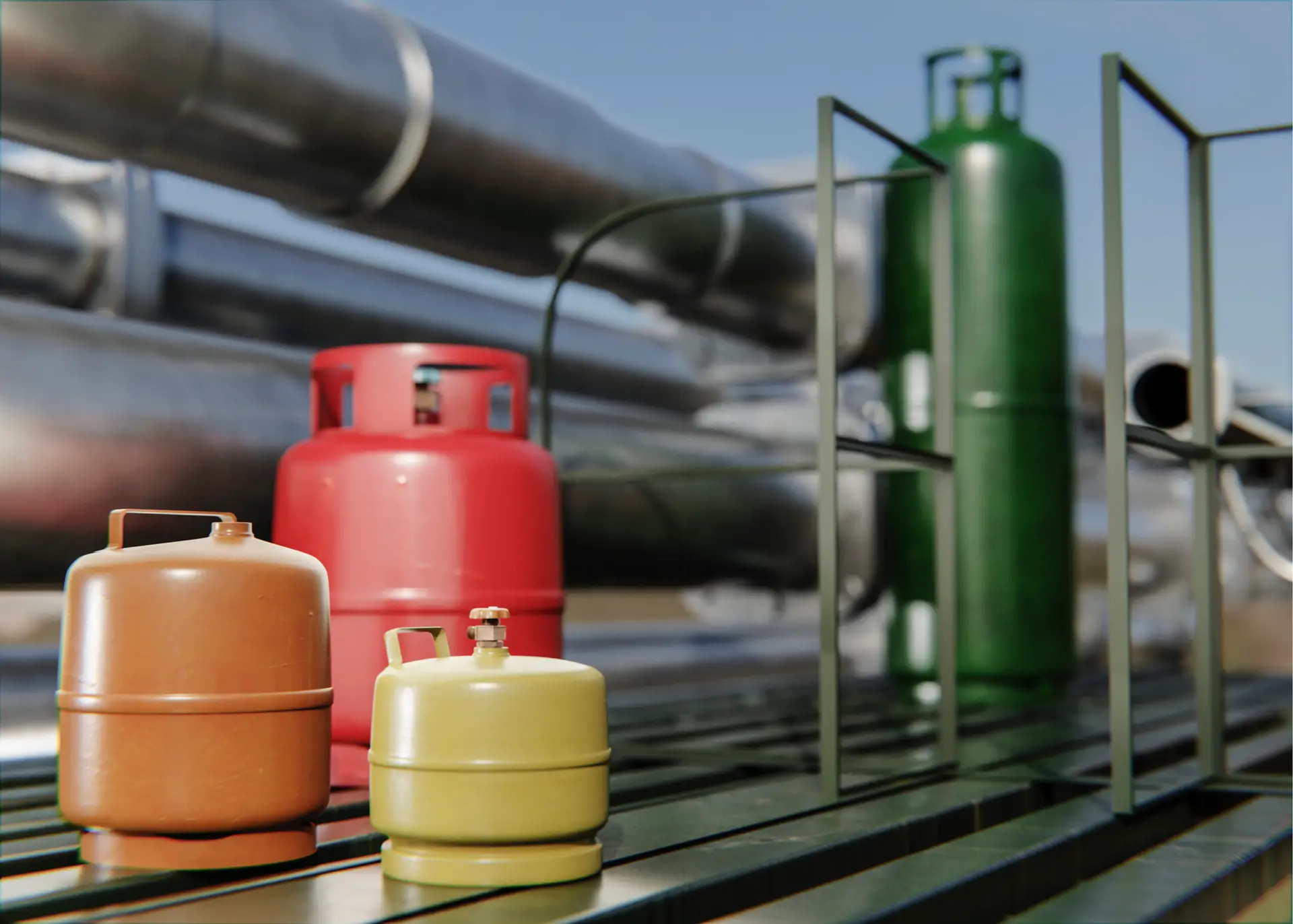
Brands produce refillable one-pound propane tanks that are safety compliant. The tanks are recyclable, have OPD valves, and overdesign to be used many times safely.

Installation of Larger Refillable Tanks

Swap the many throwaway tanks with a 20 lb BBQ-type tank. Using an adapter hose, you can refuel the same appliances more efficiently and refill them legally at propane outlets.

Propane Exchange Programs

Several retailers have exchange programs that allow you to bring in empty disposable cylinders, and they recycle them safely. This prevents waste without endangering you.

Camping Portable Propane Solutions

Small propane camping kits are made up of small refillable tanks, adapters, and regulators. They are convenient without sacrificing safety.

Save by Buying in Bulk

Buying propane in large tanks is cheaper than in small disposable cylinders. It costs less per pound of propane in the long run if you use large tanks.

Green Alternatives

Try replacing some outdoor activities with other forms of fuel such as butane canisters or solar cooking systems. These reduce reliance on disposable propane and are more eco-friendly.

Environmental Issues of Refilling Disposable Cylinders

Possibility of Ineffective Recycling

Disposable cylinders cannot be easily recycled since they have residual propane trapped inside. Refilling them enhances the possibility of excess leftover gas ending up in landfills and posing dangers.

Higher Possibility of Illegal Dumping

When customers try to re-fill and re-use throw-away cylinders, they are more likely to mis-dispose of wrecked ones. Abandoned tanks will leak gas and pollute the ground and water.

Leaks of Greenhouse Gases

Leaks from inadequately filled cylinders directly result in greenhouse gas emissions. Propane is a cleaner-burning fuel compared to most fuels, but leaks defeat that advantage.

Short-Lived Cylinders Waste

Single-use propane cylinders discarded after use are common for disposable cylinders. Refill operations don’t appreciably extend their lifespan, and they remain waste with little use.

Hazards of Fire at Disposal Facilities

Landfills and recycling facilities are also extremely vulnerable to fires from incorrect disposal of propane cylinders. Refill activities only serve to compound the problem by dumping residue fuel.

Safer Alternatives Exist for Recycling

Refill instead, at nearby recycling stations or hazardous waste drop-off points where used propane cylinders are handled properly. Most neighborhoods have drop-off centers.

Why Individuals Try Refilling Even Though It Is Hazardous

Individuals continue to attempt to refill disposable cylinders even though it is hazardous. Such is typically carried out as a cost-cutting measure, by ignorance, or by a do-it-yourself attitude. The risks always supersede the perceived advantages. For most campers or grill operators, repeatedly purchasing new disposable propane tanks gets expensive quickly. It is this expense that some resort to online do-it-yourself refill kits in order to offset. These kits, however, do not make disposable tanks safe, only enable unsafe use. Lack of awareness about risks is also a factor, as some think if it works once they are good.

Legal and Safety Regulations You Must Abide by

Transport Canada, as well as the U.S. Department of Transportation (DOT), strictly prohibits refilling disposable propane tanks. The regulations are meant to safeguard consumers against perilous accidents. Rather than risking unsafe refills, abide by the following regulations:

  • Refill only branded refillable propane cylinders with OPD valves.
  • Always check your tank certification and expiration dates prior to refilling.
  • Use licensed propane refilling suppliers to refill instead of doing it at home.
  • Dispose of empty disposable tanks through recycling programs.
  • Inform others of the dangers of improper refilling practices.

Adhering to these guidelines ensures your safety and adherence to national standards while contributing to environmental protection.

Safety First with Propane Use

Refilling disposable propane cylinders might look like a cost-effective way of saving, but it is risky and should never be an option. Disposable cylinders are not meant to be refilled, don’t have safety features, and might fail at any given time. Leaks, explosions, fines, and damage to the environment are just a few of the risks associated with filling them up, and carrying them is an unfavorable option. Instead, opt for safer and legal options such as refillable cylinders of propane, large cylinders with convertors, or green fuel options. By making smarter decisions, not just are you and your family safe but you also make the world greener and safer.

BLAZING BLOGS

JOIN THE IGNITE PROGRAM

NEW CUSTOMER? Fill out the New Customer Application to join IGNITE.

Save $0.05 Per Gallon with the IGNITE Program Learn more!

This field is for validation purposes and should be left unchanged.
Name(Required)
Service Address(Required)
AAP Agreement(Required)
You will be contacted by a Customer Service Representative to obtain your credit card information.
MM slash DD slash YYYY

State Fair Giveaway

$500 Worth of Propane

Be one of the first 200 New Customers to sign-up until September 15th to get $500 worth of propane, FREE! You’ll also get 1 year free tank rental when you switch!