Why Propane Is Stored and Transported as a Liquid

Propane is the most commonly used energy source for residential, commercial, agricultural, and industrial uses. It is used for its efficiency, versatility and reliability in supplying energy in a variety of settings. An important feature of propane is that it’s stored and transported as a liquid, although it’s typically used as a gas in powering appliances and equipment. Propane is stored in a liquid state because of its efficiency and convenience. In its gaseous state, propane would require a much larger amount of storage space, making transportation and storage less convenient. Large quantities of energy are stored in relatively small tanks and containers by liquefying propane at moderate pressures. Knowing the reasons for storing and transporting propane as a liquid can help explain how propane systems work safely and efficiently. There are a number of practical benefits to LPG, such as improved transportability and more energy storage. 

Why Propane Is Stored and Transported as a Liquid | LP Propane

How Propane Changes from Gas to Liquid

Propane’s Natural State

Propane is a gas at normal temperatures and atmospheric pressure. In this form it will swell and consume a lot of room. Propane can be used as a gaseous fuel. But it is not efficient to store it as a gas.

Applying Pressure to Propane

Propane turns into a liquid when moderate pressure is applied. This compression reduces the size of the propane to a very compact size. It is more convenient to store data if it is compressed. There is a definite gain in efficiency from liquid storage.

Reduction in Storage Space

Liquid propane is much easier to store than gaseous propane. Propane can be stored in relatively small tanks for a large capacity. Smaller volume makes transporting and storing easier. One of the advantages is space efficiency.

Automatic Vaporization During Use

When propane is discharged from the storage tank, its pressure will drop and the liquid will turn back into a gas. This gas has then been used in appliances and equipment. It is a natural process that occurs within the system. Efficient fuel delivery is enabled with controlled vaporization.

Temperature and Pressure Balance

A tank is filled with both liquid and vapor propane. The pressure varies with temperature. These pressure changes are controlled and kept safe with proper tank design. Balanced conditions allow for steady operations.

Safe Containment Systems

Propane tanks are specially engineered to safely store liquid propane under pressure. Safety valves and protective equipment are fitted in these tanks. When properly contained, there are no leaks and hazards. It is important to have good tank engineering for safe storage.

Liquid propane makes powerful energy practical and portable

Advantages of Storing and Transporting Propane as a Liquid

Improved Transportation Efficiency

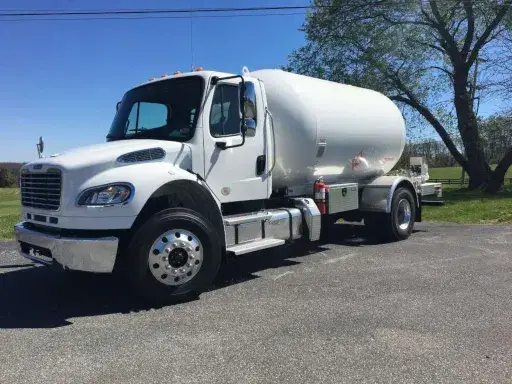
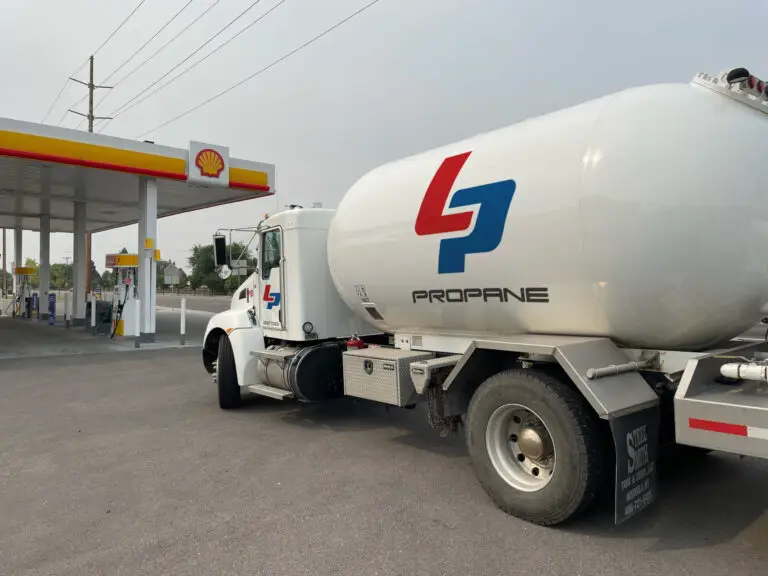
Liquid propane enables huge quantities of fuel to be carried in smaller containers. This allows for easier shipping and delivery. Getting goods to and from sites quickly minimises the logistics problems. Compact storage facilitates greater distribution.

Better Energy Density

Liquid propane has a greater energy density than gaseous propane. The higher the energy density the more efficient the storage. This facilitates the installation of propane systems for a home or business. Increased storage allows for longer storage.

Easier Storage for Consumers

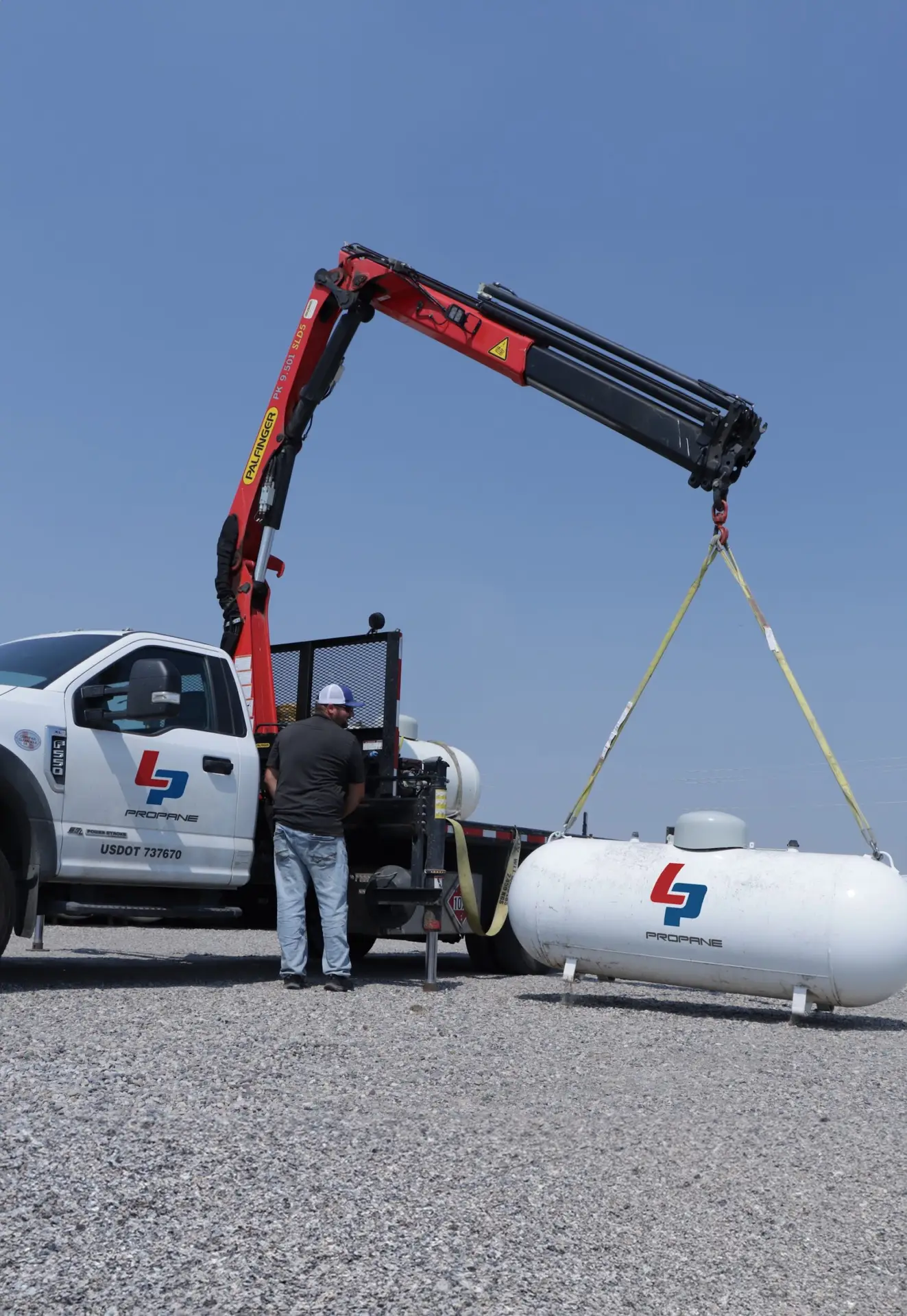
Propane tanks can be used for a large amount of fuel in relatively small storage areas. Folds compactly for ease of storage. For many properties smaller storage footprints are advantageous. Flexibility is enhanced by efficient tanks.

Reliable Fuel Availability

Propane is stored in liquid form so that the user can have a consistent supply on-demand. This can be particularly helpful in emergency situations or when the power goes out. Proper long-term storage enhances preparedness. Reliable fuel supply contributes to reliability.

Lower Transportation Costs

Liquid propane is more compact, so larger quantities of fuel can be transported at a time. This enhances the efficiency of the delivery. Reduced transportation requirements help lower operational costs. Good logistics is good for both supplier and consumer!

Support for Multiple Applications

Liquid propane storage systems can be used to heat, cook, operate generators, agricultural equipment and industrial processes. One fuel for many applications. Versatility improves convenience. One of the great benefits is flexible energy usage.

Safety Measures for Liquid Propane Storage and Transport

Pressure-Resistant Tank Design

Propane tanks have a strength to be able to safely withstand the internal pressure. The durability is enhanced by strong steel construction. Tanks are tested for compliance with serious standards. Safe construction ensures long-term safety.

Safety Relief Valves

Pressure relief valves are installed on storage tanks to release excess pressure if it occurs. These systems are designed to reduce dangerous build-up of pressure. Automatic safety features enhance protection. Correct operation of the valves is crucial.

Regular Inspections and Maintenance

Regular checks enable the early detection of leaks, corrosion, or structural problems. Preventative Maintenance is a way of enhancing reliability. If tanks are properly treated, they can be used for years. Monitoring is used to ensure safe operation.

Proper Transportation Procedures

Propane transport vehicles are subject to certain regulations and handling procedures. Secure and label goods to minimise risks on transport. Transportation fulfills the public safety objective. Special care is required.

Leak Detection Systems

Odorants are a component of propane systems, along with equipment for detecting the leak, that aid in rapid identification of leaks. The earlier leaks are discovered the safer it will be. Quick response is a reduction in hazards. Monitoring systems: reliable storage.

Safe Storage Locations

Propane tanks should be stored within approved storage areas, ensuring adequate clearance and ventilation. Proper installation aids in minimizing hazards from heat or physical damage. Safe positioning is the key to compliance. Correct installation results in greater safety.

Why Liquid Propane Supports Long-Term Energy Reliability

Propane is stored as a liquid, one of the reasons being that it helps ensure long term energy reliability. Liquid storage provides a way to store a much higher quantity of fuel for much longer periods without degradation. This qualifies propane as a great choice for emergency preparedness and backup energy systems that rely on fuel access that is reliable. Also, liquid propane systems are energy-efficient for locations lacking in natural gas infrastructure. Propane can be moved and stored separately and can be used for a variety of applications in urban and remote areas, giving energy flexibility.

Challenges and Considerations

While the benefits of liquid propane storage are numerous, it is also important to be aware of the proper handling and maintenance of the system. Propane is under pressure and pressure rating tanks and equipment should be in good condition to operate safely. They must be inspected regularly and safety procedures followed. Propane pressure may also be influenced by environmental conditions within the tank. Propane can change between liquid and vapor states, depending on temperature. Being familiar with these factors ensures that the system works efficiently and is stored safely all year round.

The Importance of Liquid Propane Storage

Propane is stored and transported in liquid state due to the benefits of energy management it affords in being practical, efficient and reliable. Propane is compressed to liquid form, which allows for the storage of a substantial quantity of propane in a small tank and for easier transportation. This enables propane to be used as a versatile energy source for homes, businesses, farms and industry. Propane systems work so well because propane can easily change from liquid to gas, and vice versa. Liquid propane can be safely and reliably stored and used for long periods of time, with the right storage tanks, safety precautions, and maintenance practices. Knowing the reasoning behind propane being stored liquid will give the user a better appreciation of the efficiency and convenience of propane systems. Whether it’s for enhanced mobility or ensuring reliable energy supply, liquid propane remains a vital component in today’s energy storage and transportation landscape. 

BLAZING BLOGS

Why Propane Is Stored and Transported as a Liquid | LP Propane

How to Reduce Propane Waste in Every Season

How to Reduce Propane Waste in Every Season Propane is a dependable and efficient source of energy for heating, cooking, hot water heating and numerous other uses year round. If not managed properly, propane waste can cause higher energy expenses

Read More »
Why Propane Is Stored and Transported as a Liquid | LP Propane

How High Altitudes Affect Propane Appliances

How High Altitudes Affect Propane Appliances The benefit of the propane appliances is the efficiency and reliability they provide for various applications, including heating, cooking, water heating, and other critical uses. Their performance, however, varies greatly in high altitudes where

Read More »

State Fair Giveaway

$500 Worth of Propane

Be one of the first 200 New Customers to sign-up until September 15th to get $500 worth of propane, FREE! You’ll also get 1 year free tank rental when you switch!

JOIN THE IGNITE PROGRAM

NEW CUSTOMER? Fill out the New Customer Application to join IGNITE.

Save $0.05 Per Gallon with the IGNITE Program Learn more!

This field is for validation purposes and should be left unchanged.
Name(Required)
Service Address(Required)
AAP Agreement(Required)
You will be contacted by a Customer Service Representative to obtain your credit card information.
MM slash DD slash YYYY