
Can You Install a Fence Around a Propane Tank?
Can You Install a Fence Around a Propane Tank? A propane tank can interrupt the look of a landscaped yard, especially when it sits near a patio or driveway. A fence may seem like an easy way to hide it,
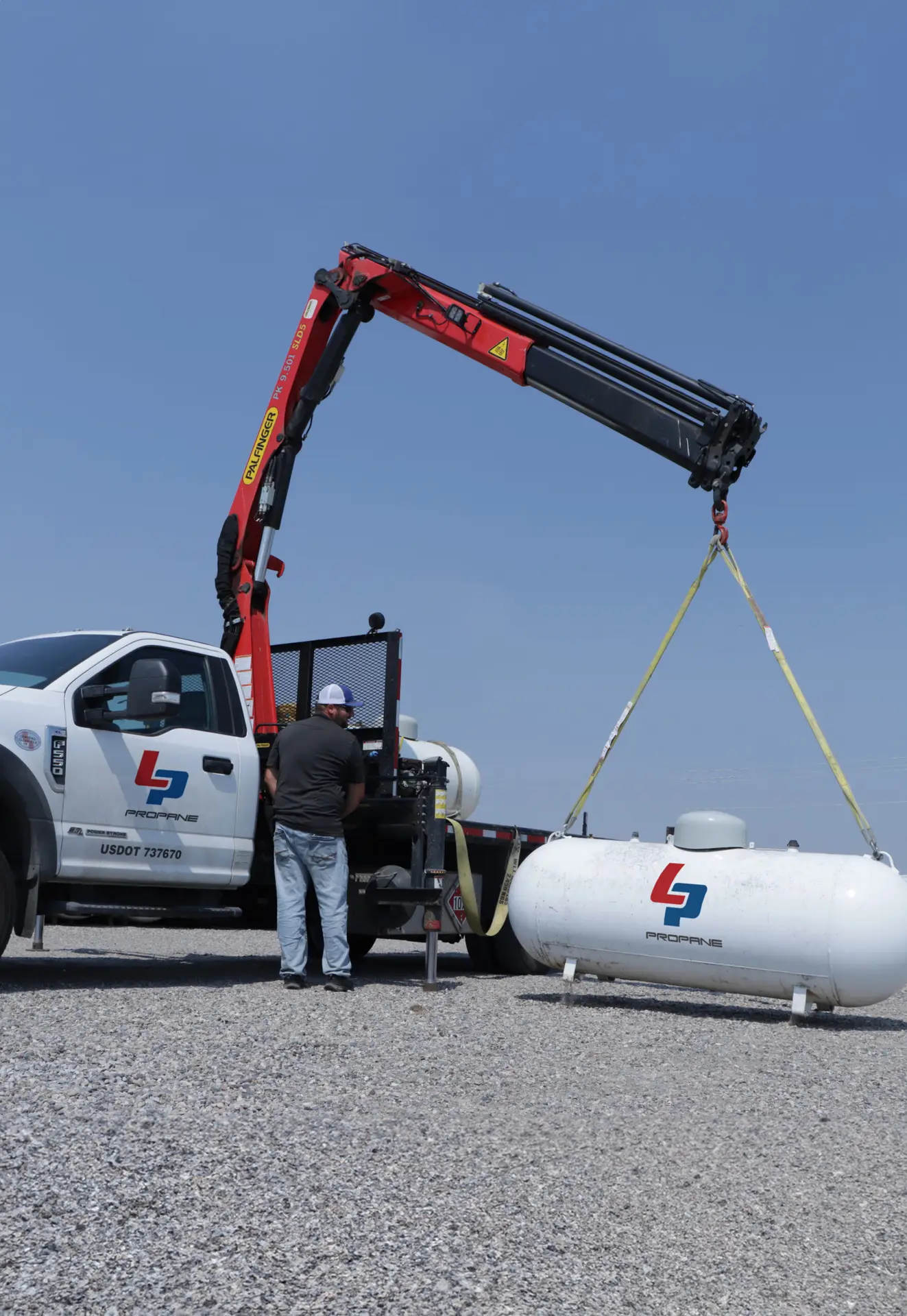
To homeowners who are new to propane heating or propane appliances, the initial delivery of propane may seem strange. Knowing the process of this first delivery would also eliminate uncertainty, and it will be a smooth process. Propane delivery is a normal practice that is carried out by qualified technicians who observe the proper safety rules and measures. The initial propane delivery does not just entail filling a tank. The technician could check the tank installation, check the safety of the system and make sure that all the equipment is in decent working conditions. The following measures will assist in ensuring that your propane system can be safely used and that it is ready. Being informed about expectations in the initial delivery will enable the homeowners to make their property ready, learn how the process works and be assured of using propane as a source of energy.
The delivery trucks of propane need to have easy access to the tank location. There should be no vehicles, debris or other obstacles on the drive ways or paths. The obvious visibility enables technicians to secure the hose of delivery and carry out the fill safely.
In case the propane tank is quite fresh, the technician can check its placement. Proper location will make the tank comply with the distance requirements in respect to buildings and igniting facilities.
Technicians will ensure that the tank valves, regulators and fittings are installed correctly. This brief check will aid in assuring the system was ready to make the initial propane fill.
Pets can be taken indoors during delivery. This safety measure will ensure that distraction is avoided and the technician works safely around the tank.
Other suppliers of propane require that a homeowner give directions on how to deliver the product beforehand. These could involve access to the gates or certain instructions to get to the location of the tanks.
New propane tanks are generally not filled to the full capacity. Propane does not compress under hot weather, therefore the tanks are normally filled to about 80 percent capacity.
The technician will first have to inspect the propane tank visually. Such inspection will ensure that the tank is well-fitted and does not have any obvious damage.
Simple safety tests can be conducted to make sure that the valves, regulators, and connections are safe. Such checks will ensure that the system is not leaking and that it is fuel-ready.
After emptying the tank, the technician in turn attaches a delivery hose to the tank valve to the truck. This hose is used to transport propane into the tank.
The technician fills the tank with the help of tight control of pressure and fuel. The contemporary delivery trucks have gauges and other monitoring devices to ensure that the filling is done properly.
Once the tank is filled, technicians can then conduct a quick test of leakage to ensure that the systems are not leaking. This is an extra precaution measure that would assist in having the propane kept within the system.
The technician ensures the safety of the tank area and the security of the valves before his departure. This last inspection is to make sure that the propane system is prepared to be used in the normal household.
Propane tanks are normally filled by approximately 80 percent of the total volume. This gives room to propane expansion with change in temperature.
The other 20 percent of tank space is referred to as vapor space. This area gives a safe zone where propane can change its liquid to vapors or the other way round.
There are various sizes of residential propane tanks. The standard tank sizes are 250-gallons, 500-gallons, and more storage tanks according to the household requirements.
Propane is pressurized in the tank in the form of liquid. Liquid when utilized by appliances turns into gas which drives heating systems and other machinery.
Propane tanks are equipped with a gauge that depicts the amount of fuel left. Homeowners are able to monitor usage through this gauge as well as being able to predict future deliveries.
Numerous propane suppliers have automatic delivery services. These services approximate the usage trends and refill the tank in time before it is too low.
Once the initial delivery of propane is made by the homeowners, they start to set a routine delivery pattern, by the frequency of household fuel consumption. The amount of propane to use is dependent on the attributes like the size of the home, the quality of the insulations used, the outdoor temperatures, and the quantity of appliances that use propane. The heating systems usually boost the demand of propane in colder climates and such demands may have to be fulfilled in a more frequent manner. There are those homeowners who want services of automatic delivery. Such programs keep track of the weather and estimated usage to schedule deliveries without the homeowners waking up to order a delivery. The other option is will-call delivery whereby the homeowner measures the levels in the tanks and arranges refills whenever necessary. The two options are both functional with the preference and household patterns of energy consumption. Knowing your schedule of delivery can also assist in making sure the tank does not go low to an unarrangeable level especially at the peak period of winter heating.
You have already received your first propane delivery, and a few basic safety measures are useful to ensure that your home energy system is secure. Periodically, homeowners are to ensure that the tank field is free of debris, snow, and plants. Having the tank in place aids in the provision of safe and effective deliveries by the technicians. The use of propane appliances in the home should also entail the installation of carbon monoxide detectors within the home. These detectors give advance warnings in case there are gases of combustion in the indoor environment. The homeowners should also be able to notice the odor of propane. Propane is scented to have the smell of sulfur or rotten eggs in order to detect leakages. When the odor of propane is detected, the occupants are advised to vacate the premises at once and call the emergency or a propane expert working in a secure position. These are the fundamental precautions to make propane systems safe and reliable.
The initial propane delivery is a significant move towards establishing a reliable household energy system. In this visit, the technicians check on the tank, carry out safety checks and fill the tank in line with regular propane safety guidelines. Knowledge of what transpires in this process will enable homeowners to be ready on what to do to their property and be assured of the propane use. With the system in place, propane remains a reliable source of heating and energy all year round with regular deliveries and regular maintenance support. When well maintained and taken care of, propane can be considered one of the safest and most effective available sources of energy that can be used in residential areas.

Can You Install a Fence Around a Propane Tank? A propane tank can interrupt the look of a landscaped yard, especially when it sits near a patio or driveway. A fence may seem like an easy way to hide it,
What Should You Know Before Landscaping Around an Underground Propane Tank? An underground propane tank keeps most equipment out of sight, but the ground above it still needs careful planning. A new flower bed, retaining wall, or irrigation trench can

Be one of the first 200 New Customers to sign-up until September 15th to get $500 worth of propane, FREE! You’ll also get 1 year free tank rental when you switch!
NEW CUSTOMER? Fill out the New Customer Application to join IGNITE.
Save $0.05 Per Gallon with the IGNITE Program Learn more!