What Propane Regulator Do I Need?

A propane regulator is rather an essential item when one uses propane. This device is the gatekeeper that checks on flow rate and pressure between the source -the tank-provided propane- and the appliances being powered in your home or office. We shall venture further on the type of propane regulators that exist, their purposes and how to determine which kind you will need. Whether your propane tank is for your RV, grill, or camper, the article will cover everything you need to know about a propane regulator.

What Propane Regulator Do I Need? | LP Propane

What Is a Propane Regulator?

A propane regulator is an appliance that controls the pressure and flow of propane gas coming from a tank to another appliance. Usually, propane gas is accumulated in the tanks at a high pressure; and most appliances require a much lower, constant pressure for safe operation. So, a propane gas regulator controls this high-pressure level to a manageable level and allows appliances to work efficiently and safely. For example, when you use a propane grill, the regulator will ensure that just the right amount of gas is flowing to provide for steady flames. Similarly, an RV propane regulator ensures a stable supply of propane for cooking, heating, or powering other appliances in your camper.

Are All Propane Regulators the Same?

Not all propane regulators are equal. Various applications require different regulators to match specific gas pressure and flow requirements. Here are the most common types of propane regulators:

First-Stage Regulators

These are mainly designed for use in two-stage systems and help to lower the high pressure coming from the propane tank to a middle level before the gas enters a second-stage regulator. They are most often used for large propane systems, including a restaurant or other industrial facilities.

Second-Stage Regulators

The second-stage regulators take over from the first-stage regulator and complete the pressure reduction process, ensuring consistent and safe propane flow to appliances. This makes them essential for applications that require precise and stable gas pressure.

Integral Two-Stage Regulators

For residential setups, integral two-stage regulators combine the functions of first- and second-stage regulation into one unit. These are ideal for outdoor grilling or home heating systems, offering convenience and efficiency in a single device.

High-Pressure Regulators

High-pressure regulators are utilized when the higher pressure is required for delivering propane at high levels. They are mainly used for industrial tools or heaters that require a high flow of propane. For specialty equipment that requires a different propane flow, adjustable high-pressure regulators can be used so that users can adjust the pressure according to their specific needs.

Automatic Changeover Regulators

Lastly, automatic changeover regulators are designed for dual-tank systems and ensure an uninterrupted supply of propane. They automatically switch from an empty propane tank to a full one, making them highly suitable for situations where continuous operation is critical.

From grills to industrial tools, the right propane regulator guarantees smooth operation.
Don’t let the wrong one hold you back!

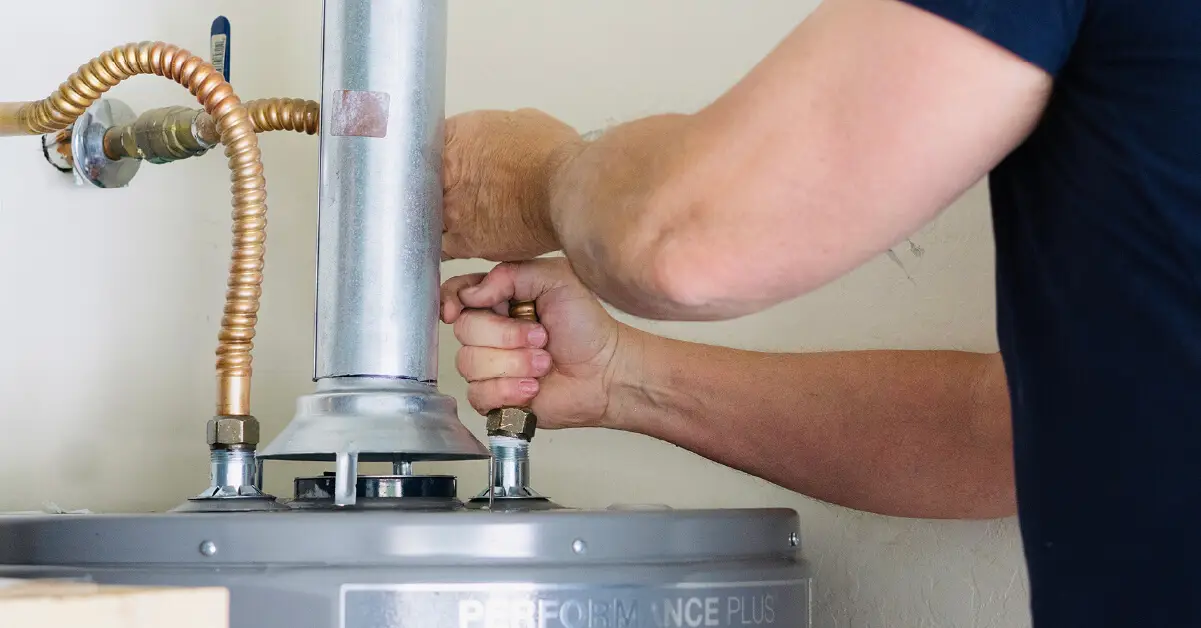
How to Install a Propane Regulator

Installing a propane regulator is not an easy task and requires several steps. It should be done with safety in mind at all times. Here’s how to install a regulator safely:

Shut off the Propane Supply

Ensure the propane supply has been shut off from the tank ahead of installation or replacement. Such a step guarantees safety against accidental gas escape during the installment process. There is always an assurance that the flow of propane shall be cut through a fully closed tank valve.

Choose Proper Fittings

Depending upon your specific installation, you can choose a propane regulator hose with quick connection to male NPT or propane regulator hose with quick connection to 3/8″ NPT. In both these cases, you would want to use fittings which are identical in connections between the tank and the appliance.

Connect the Regulator

Attach the regulator onto the tank carefully and ensure all the connections of the valve line up properly to be securely tightened but not over-locked as they can damage it. Ensure, in this procedure, that your regulator is assembled correctly according to the manufacturer instructions for optimal results.

Check Leaks

After installation, test all connections for leaks with soapy water. If any leak is revealed by the presence of bubbling, the leak here should immediately be stopped by tightening connections and replacing the faulty part of the system. Always test for a final leak before operating your propane system to ensure safety and security of operation.

Advantages of Right Propane Regulator Usage

Safety

A propane regulator is always very essential in eliminating the possibility of gas leaks so that the propane flows are not steady but well-controlled. Therefore, the appliances can be avoided to cause a situation of accident, explosions or even fire. Safety when using such appliances is well ensured with this. A safe and controlled supply of propane would keep your house or workplace secured.

Efficiency

With the right propane regulator, the appliance receives exactly what the amount is required. High-pressure gas can be reduced to a certain level of performance which will ensure high performance with your appliances and reduce the wastage of energy. The appliances therefore are operated at their optimal best and saved in the long term, both in fuel and money.

Longevity

Proper and controlled propane flow also reduces wear and tear on your appliances. Your home heater, grill, or industrial machine will not be subjected to pressure fluctuations that severely affect the lifespan of your equipment; this means fewer repairs and replacements, offering long-term cost savings.

Versatility

With many propane regulators, there are a host of uses- from small, residential use, to large, industrial or commercial assemblies. Whichever the device, whether RV, camper, barbecue grill, or industrial machine, there exists a regulator tailored to each such specific application. This wide potential makes propane regulators highly essential units in many applications and ensures proper solution for every equipment that employs propane.

When to Change a Propane Regulator

Propane regulators last, but nothing lasts forever. With time, they may degrade or become inefficient. Common signs that a propane pressure regulator needs to be replaced include having an irregular flame on your appliances, hissing sounds which are an indication of leaks, and the age of the regulator. Typically, these need to be replaced every 10-15 years. Note that propane regulators need to be replaced, not repaired. Always find a licensed propane professional to replace or maintain your equipment. For example, companies such as LP Propane provide advice and services regarding your propane requirements.

Safety Tips for Your Propane Regulators

  1. Always check your propane tank and regulator for any signs of damage or wear.
  2. Always strictly follow the installation and usage given by the manufacturer’s instruction.
  3. Always maintain the regulators free of debris.
  4. Always use the appropriate propane hose along with the regulator.
  5. Always have secured and safe connections.

Ensuring Optimal Performance with the Right Propane Regulator

Choosing a proper propane regulator will ensure safe and efficient appliance performance. The propane regulator is up for the giving of an excellent grill upgrade or equipping for an RV; installing a propane home heating system will also ensure there is always a propane regulator to fit just what you want. It assists in understanding several types of regulators so that proper decision-making helps increase the dependability of a propane system. In case you feel unsure, go ahead and consult the professional, but remember that companies like LP Propane are always ready to help you find the perfect solution.

BLAZING BLOGS

What Propane Regulator Do I Need? | LP Propane

Innovations in Propane Technology: What’s New in 2026?

Innovations in Propane Technology: What’s New in 2026? Propane technology in 2026 is moving beyond traditional furnaces, water heaters, forklifts, and backup generators. New fuel systems, connected tank controls, commercial vehicle platforms, renewable fuel pathways, and larger on-site power systems

Read More »

State Fair Giveaway

$500 Worth of Propane

Be one of the first 200 New Customers to sign-up until September 15th to get $500 worth of propane, FREE! You’ll also get 1 year free tank rental when you switch!

JOIN THE IGNITE PROGRAM

NEW CUSTOMER? Fill out the New Customer Application to join IGNITE.

Save $0.05 Per Gallon with the IGNITE Program Learn more!

This field is for validation purposes and should be left unchanged.
Name(Required)
Service Address(Required)
AAP Agreement(Required)
You will be contacted by a Customer Service Representative to obtain your credit card information.
Terms of Service(Required)

LP Propane Ignite Program – Terms and Conditions

1. Eligibility and Program Requirements
To qualify for and maintain enrollment in the LP Propane Ignite Program and receive the $0.05 per gallon fuel discount, the Customer must simultaneously enroll in and maintain active status in the following three core services:

Auto Fill Delivery: The Customer authorizes LP Propane to automatically monitor, schedule, and deliver propane to the designated tank when levels dictate, bypassing the standard Will Call scheduling requirements.

Auto Pay: The Customer must maintain a valid, authorized payment method on file (Credit Card, Debit Card, or ACH/Direct Draft). Invoices will be automatically drafted within 7 days after the delivery.

Paperless Billing: The Customer agrees to receive all invoices, statements, and program communications via email. Opting out of online billing or requesting paper statements will result in a $4.95 monthly fee and disqualification from the program.

2. Fuel Discount Terms

The $0.05 per gallon discount applies exclusively to the standard market rate of propane at the exact time of delivery.

The discount is applied automatically on invoice.

This discount cannot be combined with specific commercial contract pricing or volume discounts unless expressly authorized in writing by LP Propane.

3. Tank Monitoring and Delivery Access

LP Propane may utilize physical tank monitors or advanced usage-tracking algorithms to schedule deliveries.

Access Requirements: The Customer must ensure the propane tank is always completely accessible to delivery personnel and vehicles. The pathway must be free of obstacles, locked gates, debris, or unrestrained animals within a 100-foot radius.

Seasonal Maintenance: During winter months, the Customer is legally responsible for clearing snow, ice, and paths leading to the tank. If a delivery vehicle cannot safely access the tank, the delivery will be delayed, and any emergency filling fees incurred due to subsequent low fuel levels will be billed to the Customer.

4. Credit Status and Payment Failures

If an Auto Pay transaction is declined or fails for any reason (e.g., expired card, insufficient funds), the Customer must update their account billing details immediately. If the transaction remains unprocessed for 30 days despite attempts by LP Propane to contact the Customer, the account will be automatically unenrolled from the program.

If an account balance becomes past due, LP Propane reserves the right to suspend Auto Fill privileges, pause the $0.05 per gallon discount, and transition the account to a "Will Call / Cash on Delivery" basis until the account is brought current and after review and approval of LP Propane’s credit department.

5. Program Termination or Changes

Customer Termination: Removing any of the mandatory components (Auto Fill, Auto Pay, or Paperless Billing) constitutes voluntary termination from the program. If you would like to opt out of the Ignite program you must submit 30 day written notice

Company Modifications: LP Propane reserves the right to alter, modify, or terminate the Ignite Program framework, including discount amounts or underlying eligibility terms.

MM slash DD slash YYYY