What Happens During a Propane Safety Check

Propane systems are intended to deliver consistent and effective energy for purposes of heating, cooking, water heating and others. All propane systems, however, like any fuel system, must be inspected periodically to assure the continued safe and efficient operation of propane systems. Propane safety check is an important procedure which can help prevent serious problems by discovering potential propane problems beforehand. A lot of people that are considering a propane safety inspection are not aware of what goes on. These inspections will include the propane tank, gas lines, regulators, system appliances, ventilation systems, and the performance of the overall system. The aim is to verify correct operation and the current safety requirements of all parts. Regular propane safety inspections are crucial for leak prevention, efficiency and effective operation. They also play a crucial role in prolonging the life of propane systems by detecting wear or maintenance requirements early.

What Happens During a Propane Safety Check | LP Propane

Inspection of the Propane Tank and Storage System

Checking for Rust and Corrosion

Technicians check the tank for rust, corrosion and structural damage. The tank may become weak due to corrosion over time. Safety risks can be avoided if identified early. Reliable storage is achieved by maintaining the proper condition of the tanks.

Examining Tank Placement

The tank is checked to ensure it is in an approved and safe location. Building clearances, ignition sources are important. Hazard reduction with safe placement. Good positioning aids compliance.

Examining Tank Valves and Connections

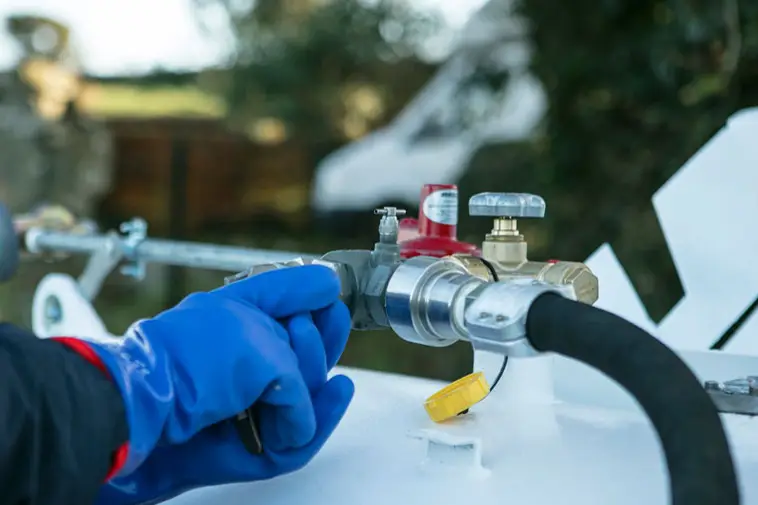
Worn or leaking tank valves and fittings are inspected. Properly secured connections are crucial to safe propane flow. Damaged parts could need to be replaced. If valves are working properly, reliability can be enhanced.

Evaluating Tank Stability

Above-ground tanks are examined to make sure that they are level and secure. Unstable tanks can lead to stresses on connection and piping. Safe operation with stable positioning. Good support makes for good durability.

Reviewing Pressure Relief Systems

Pressure relief valves are inspected to ensure they are operating properly. These systems are used to safely release excess pressure. A reliable pressure control is critical. The system is protected by safety features.

Assessing Underground Tank Protection

In underground systems, the technicians can assess the condition of the tank and corrosion protection systems. Protection measures are measures taken to prevent underground deterioration. Frequent assessments enhance safety in the long run. Maintaining tanks increases their lifespan.

Regular tank inspections help prevent major safety issues

Testing Propane Lines and Leak Detection

Pressure Testing the System

Pressure testing can be done by technicians to ensure propane lines are tight. A system with stable pressure is a good system. Pressure test is used to detect hidden leaks. Safe operation is supported by reliable lines.

Inspecting Visible Gas Lines

The propane lines are inspected for dents, corrosion or damage. Worn-out pipes can become susceptible over time. Visual inspections help to identify risks early. Line condition is important to reliability.

Leak Detection Procedures

Tools or leak detection solutions specially designed for this purpose may be used to detect leaking gas. Any leaks, no matter how small, can be a safety hazard. Larger problems are avoided by early detection. Repairs are encouraged to promote safety.

Evaluating Pipe Connections

Inspection of pipe connections and fittings to check and confirm they are tight and operating properly. Leaks can occur because of loose connections. System efficiency is enhanced by proper sealings. Safe connections are provided by secure connections.

Checking Regulators and Pressure Levels

Propane flow is regulated to appliances. The inspectors test the regulators to ensure they are functioning properly and are creating pressure. Balanced pressure enhances the performance of the appliances. Efficient operation with proper regulation.

Verifying Emergency Shut-Off Accessibility

Shut-off valves may be included in the safety inspection process for accessibility and functioning. When an emergency occurs, quick access is critical. Functional shut-off systems boost response times. A better emergency readiness means greater safety.

Evaluating Appliances and Ventilation Systems

Inspecting Appliance Connections

Technicians look at connections between appliances and propane lines. When installed properly, there is less risk of leaks. Secure connections provide better safety assurance. Their reliable setup provides efficient operation.

Checking Burner Performance

The burners are inspected for the proper flame and stability. If the flames are weak or yellow, it could be a problem with the combustion. Burner performance is improved and correct. Balanced combustion facilitates safe operation.

Testing Appliance Functionality

Inspections test appliances like heaters, stoves and water heaters. This is verified by functional testing. Failures can be prevented if they are detected in the early stages. When performed correctly, proper performance enhances comfort and convenience.

Checking Ventilation and Exhaust Systems

There are checks that are carried out on ventilation systems to make sure they are functioning properly and removing ventilation. Poorly vented combustion can have negative consequences. Proper air circulation is important for appliance safety. Venting systems are efficient, which in turn helps to minimize risks.

Testing Carbon Monoxide Risks

Systems are checked by inspectors for incomplete combustion which could pose a carbon monoxide risk. Hazard minimization is a result of proper appliance operation. Safe combustion will help improve indoor air quality. Monitoring is used to ensure the safety of the occupants.

Reviewing Maintenance Needs

During appliance evaluations, technicians might discover parts that need to be replaced or maintained. Preventive maintenance is used to extend the life of equipment. Efficient servicing is achieved with timely service. A well-maintained system will perform more consistently.

Importance of Regular Propane Safety Checks

Homeowners and business owners reap multiple benefits from routine propane safety inspections. Early problem detection is one of the most significant benefits. Preventing leaks, leaks caused by corrosion or leaks from appliances before they get big can stop accidents and expensive repairs. Scheduled testing also helps to maintain the efficiency and reliability of the system. Well-maintained propane systems will burn fuel more efficiently and will cause less equipment wear. Safety checks play a critical role in maintaining the safety and reliability of the system and ensure that all appliances continue to function as intended.

Common Situations That Require a Propane Safety Check

There are a number of circumstances when a propane safety inspection becomes particularly critical. It is recommended that a safety check be performed when moving into a property or after a lengthy period of inactivity of the system. These inspections are used to ensure the equipment is safe to operate. Safety checks are also necessary following severe weather events, renovations or propane runouts. Professional assessment may be required for any event that might impact propane lines, tanks or appliances. Regular inspections give extra assurance of safety and reliability.

Keeping Propane Systems Safe and Reliable

Propane safety check is an important component to a reliable and safe propane system. These assessments can help uncover problems before they become a threat to safety or cause trouble, from inspecting gas lines to checking tanks, appliances and ventilation systems. Regularly scheduled safety inspections and timely maintenance can enhance propane system efficiency, prolong equipment life, and ensure the system is up to safety standards. Professional inspections give peace of mind and long term reliability. Propane systems can continue to efficiently meet the energy needs of homes and businesses with careful system maintenance, monitoring and periodic safety inspections. To ensure safe and reliable propane operation throughout the year, proactive maintenance and inspections are essential. 

BLAZING BLOGS

State Fair Giveaway

$500 Worth of Propane

Be one of the first 200 New Customers to sign-up until September 15th to get $500 worth of propane, FREE! You’ll also get 1 year free tank rental when you switch!

JOIN THE IGNITE PROGRAM

NEW CUSTOMER? Fill out the New Customer Application to join IGNITE.

Save $0.05 Per Gallon with the IGNITE Program Learn more!

This field is for validation purposes and should be left unchanged.
Name(Required)
Service Address(Required)
AAP Agreement(Required)
You will be contacted by a Customer Service Representative to obtain your credit card information.
MM slash DD slash YYYY