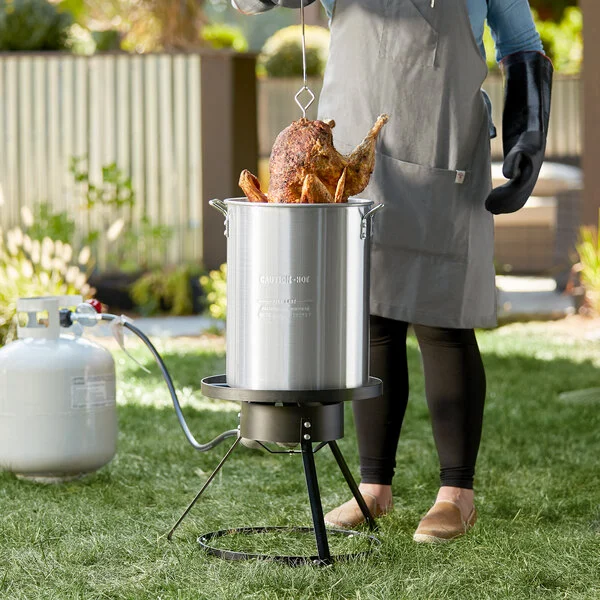
Using Industrial Propane Heaters

Industrial Propane Heaters can be a vital source of reliable, high-output heating for large or temporary areas, such as warehouses, construction sites, or other remote locations. The portability of these heaters, their powerful heating output, and flexibility in fuel supply make them the ideal solution for those situations when a permanent heater isn’t possible. But with strength comes great responsibility. Making use of propane heaters safely and effectively requires an in-depth awareness of the dangers regulations, the requirements for use, as well as the best methods.

In this, we go deep into how industrial propane heaters function, including the safety and compliance steps necessary, the measures to maximize their effectiveness, and the new trends influencing the market.
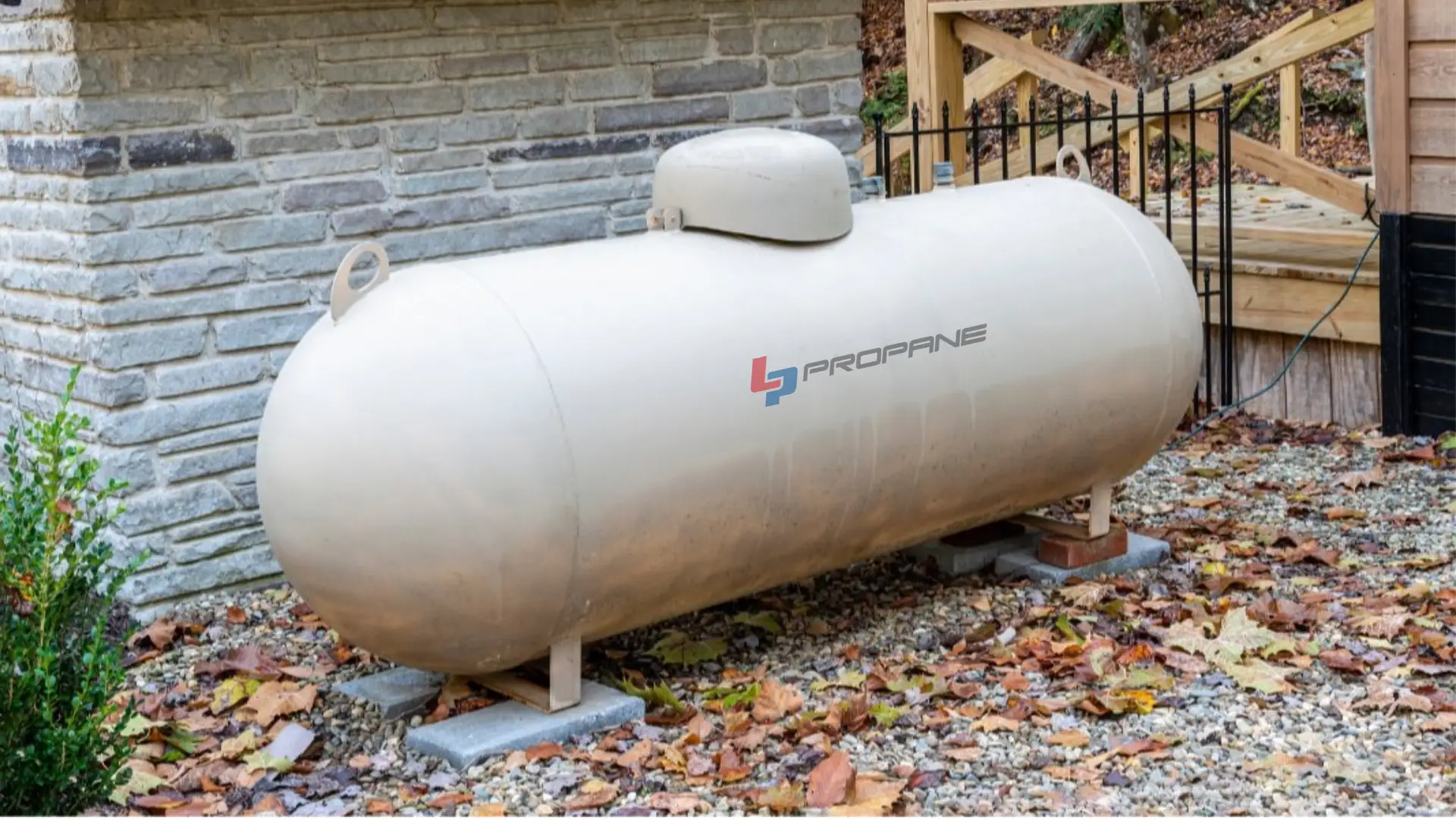
Using Industrial Propane Heaters | LP Propane

The reason Industrial Propane Heaters Are Important

High heat output:

The heaters have a huge BTU (British Thermal Unit) output. They allow rapid warming of large, uninsulated areas where other heating methods might be slow or inefficient.

Industrial propane heaters:

Are portable and ideal for temporary construction areas, temporary structures, and areas without permanent HVAC equipment.

Flexible Fuel:

Propane is stored in bulk tanks. This is easy to transport and maintain, particularly in off-grid or remote locations

Clean Combustion:

Compared to other fossil fuels, propane burns fairly efficiently. Even though combustion generates byproducts, the proper ventilation will reduce many hazards.

Freedom from Grid Power:

Because they aren’t dependent on power, propane heaters can be essential in areas where power is unreliable or unavailable.

Understanding tank ownership, appliance efficiency, and safety inspections is essential before purchasing a house equipped with Propane Heat

Important Safety Tips for Propane Heating Equipment

Ventilation as well as Carbon Monoxide Risks

Propane combustion produces carbon monoxide (CO), a dangerous, odorless gas. If there isn’t enough airflow, CO can accumulate to hazardous amounts.

OSHA specifically warns against burning fuels (like propane heaters) in enclosed or semi-enclosed areas without adequate ventilation, as this may result in significant exposure to CO. So, make sure the heating space provides the air needed for combustion and for diluting byproducts. A natural or mechanical air-conditioning system may be necessary depending on the area’s dimensions and layout.

Clearance, Positioning, and Mounting

The heaters should be installed in a level area on a non-combustible surface (e.g., concrete), never on wood or flammable flooring. Make sure that the heater is free of combustible substances. According to the common construction heater’s manual, the sides need an opening of 24 inches, with the top 48 inches, and the front requires 72 inches. Propane tanks (cylinders) must also be securely located. For example, Frost Fighter’s guidelines state that the heater should not be discharged towards any propane source within 20 feet of the area. Install or secure heaters correctly so that they do not tip; some models have automatic shut-offs in the event of tilt.

Propane Cylinder Handling & Storage

Propane cylinders need to be kept straight and secure. Check cylinders frequently for any damage; there are no bulges, scratches, corrosion, or other indications of fire damage. ( Be aware of the amount of propane you’re able to legally and safely store. In accordance with the PERC’s (Propane Education and Research Council) workplace safety guidelines, do not manifold over three cylinders of 100 pounds; and manifolded cylinders in a structure should be properly spaced. Propane tanks should be stored outside. Disconnect tanks shouldn’t be kept in closed areas or inside buildings. H3: Security Features and Device Ratings

Routine Inspections and Leak Inspections

Before you use the product, examine the gas connections for leaks with the appropriate leak-detection product. Check hoses for wear, fractures, or abrasion. Damaged hoses need to be substituted. Make sure the propane regulator is working correctly: Use only an approved regulator for withdrawing propane vapor.

Monitors Quality of Air Quality

If you live in a closed or partially enclosed area, regularly check for dangerous gases such as CO2, NO2, CO, and NOx.Use the suggested testing times as recommended in the construction heater manual: conduct CO tests within the first hour of operation and after 4 hours. Install CO detectors to detect breathing levels.

Emergency Preparedness

Always ensure that you have an extinguisher for fire (suitable to deal with fires caused by fuel) available near the heating source. Develop a clearly defined emergency plan that includes how to shut off the gas supply, ventilate the surrounding area, and respond to gas or CO alarms.

Everyone must be able to operate the heater, recognize the signs of CO poisoning (headache, nausea, dizziness), and safely evacuate in the event of an emergency.

Regulatory Regulations & Compliance

OSHA Regulations

The OSHA standard for LP-gas (liquefied petroleum gas) at work – 29 CFR 1910.110 is the standard for the storage of LP-gas, its use by regulators, pipes, storage, and safety measures.

Particularly about temporary heaters, OSHA addresses clearance, venting, and gas supply issues.

OSHA also cites the risk of CO exposure and recommends CO detectors, as well as sufficient ventilation, when using fuel-burning devices indoors.

NFPA and ANSI Codes

Propane systems are often required to comply with NFPA 56 (Liquefied Petroleum Gas Code) and NFPA 54 (National Fuel Gas Code), even if local codes don’t specify specific regulations. ANSI standards can also be used for construction heaters. For instance, many are constructed to ANSI Z83.7 and CSA 2.14.

Permitting & Inspection

Sometimes, permits or authorizations are required for propane storage, particularly for large bulk tanks or cylinders. Local building authorities, fire departments, or inspectors may require a site map showing the positions of cylinders, their clearances, and safety precautions.

A risk assessment is required at the initial stage, including potential leaks, ventilation requirements, and emergency procedures.

Training and certification

Site personnel and operators should be trained in the safest use of propane, including the proper way to join regulators, light appliances, secure them, and respond to CO alarms and gas leak activations.

Insurance companies or other regulatory agencies may request certification or documentation of training. Keeping notes of the training session is the best way to ensure.

Record-Keeping & Monitoring

Keep logs of propane inventory, cylinder inspections, Safety check reports, and gas monitoring data.

Note any gas or CO sensor readings, maintenance tasks, or incidents that help in ensuring compliance and increase site security over time.

Emergency Plans & Response

Prepare and document a response plan for propane-related emergencies, including flare-ups, leaks, CO alarms, or heater failures.Be sure all employees know evacuation routes, how to shut off the gas, and whom to contact in an emergency (the fire department, emergency services, or the gas provider).

The Best Practices to Make the Most Effective Utilization of Propane Heating Equipment

To ensure optimal performance of propane industrial heaters, prioritize your family’s safety, costs, and energy efficiency by following these practices. Choose the right-sized heater for the space you have. Smaller than the right size, and you will not maintain the temperature. Too big and you’ll use up energy, and could cause excessive emissions. Calculate the heat load by assessing the building’s volume, insulation quality, and air leakage; this will help determine the BTU requirement. Plan propane deliveries and reorder cylinders to ensure you do not run out of propane mid-project; however, you should avoid keeping excess propane on site beyond what is permitted. Use the correct manifolding methods (if required) to tap multiple cylinders without exceeding safety storage limits or code requirements. Make sure that cylinders are secured, standing upright, and clearly labeled. Start heating sources only when needed, and turn them off when not in use. Use fans, ducting, or passive vents depending on building layout. If natural air exchange is insufficient, mechanical ventilation may be required. Develop a maintenance schedule to regularly inspect the burners, ignition system, hoses, safety devices, and regulators. Cleaning as needed, such as removing dust, dirt, or other construction debris, can affect combustion efficiency. Replace damaged components (hoses or regulators) regularly to reduce the risk of leaks and failures. Install CO2, CO2, or NO2 detectors in the most critical areas, particularly in those where employees spend time. Review your data regularly and adjust heater operation or ventilation when unsafe readings are detected. Monitor data to change the location, operating hours, or the number of heaters.

Benefits and Limitations of Industrial Propane Heaters

Industrial propane heaters can quickly heat large areas to high temperatures. It is easy to move them when the project’s requirements change. Can be operated without power, which makes them suitable for temporary or remote sites. Propane can be supplied in bulk or in cylinders specifically designed for your location.The demand for safer, healthier, and more sustainable heating continues to grow; numerous developments are changing the way industry propane heaters can be used. New burner technology reduces NO2 and CO emissions, making heating systems safer and more eco-friendly. Integrating propane heaters with electrical heaters, or alternative sources of energy, to reduce costs as well as emissions. Real-time sensors that monitor emission levels, gas levels, and heater health are connected to devices on mobile control systems to enable automated shut-offs, tilt sensors, and remote diagnostics, which are increasingly common, thereby reducing the risk of operating errors. Designers are developing heating systems that are scalable up or down depending on the project’s stage, increasing efficiency and reducing waste and fuel use.

Construction Site Using Propane Heaters

Imagine a medium-sized commercial construction site located in a temperate zone, where construction continues during winter. Instead of investing in an ongoing heating system, the site’s manager decides to install several propane industrial heaters. The construction is cold, without windows in place. Electric heaters aren’t practical due to limited power supply and high prices. The team uses a variety of portable propane heaters designed to fit the building’s volume. An outside manifold connects several 100-pound cylinders. The heaters are set on a concrete pad, and space is kept. The ventilation is made easier by leaving a variety of openings for natural breezes. Portable fans complement these to provide air. CO monitors are strategically placed at a height above workers’ airways. Heaters are only operational during work hours. Cylinders are secure and rotated. Staff are educated on safe lighting and closing processes. Leak checks are conducted each day before use. The facility is sufficiently warm to be productive without heating-related incidents. Fuel consumption is manageable, as is heating cost, which is much lower than expected due to propane’s flexibility.

BLAZING BLOGS

JOIN THE IGNITE PROGRAM

NEW CUSTOMER? Fill out the New Customer Application to join IGNITE.

Save $0.05 Per Gallon with the IGNITE Program Learn more!

This field is for validation purposes and should be left unchanged.
Name(Required)
Service Address(Required)
AAP Agreement(Required)
You will be contacted by a Customer Service Representative to obtain your credit card information.
MM slash DD slash YYYY

State Fair Giveaway

$500 Worth of Propane

Be one of the first 200 New Customers to sign-up until September 15th to get $500 worth of propane, FREE! You’ll also get 1 year free tank rental when you switch!