Propane Safety Codes Every Homeowner Should Know

Propane is a good and efficient source of energy to millions of houses in the use of heating, cooking and water heating as well as outdoor appliances. Properly installed and serviced, propane systems are safe to operate and offer predictable performance when they are in operation. To provide safe usage, the propane industry has stringent codes of safety that determines the installation and maintenance of tanks, piping, regulators, and appliances. The aim of these codes is to avoid accidents, minimize equipment malfunctions and secure homeowners and their homes. Learning the key propane safety codes will make the homeowners aware of the best installation practices, care of the system, and normal daily use.

Propane Safety Codes Every Homeowner Should Know | LP Propane

Understanding the Purpose of Propane Safety Codes

Securing Houses and Residents

The main aim of propane safety codes is to protect people and properties. With the correct installation, there is less leaking of oil and fire risks. These codes make propane systems safe in the homes.

Standardizing Installation Procedures

Safety codes are elaborate guidelines on how propane tanks, regulators and piping systems should be installed. Standard installation practices assist in the attainment of uniform safety practices in the industry.

Encouraging Responsible Energy Use

Homeowners are likely to take better care of their systems when they are aware of propane safety rules. Safety practice awareness is a contributing factor to responsible use of propane.

Avoiding Equipment Malfunctions

Propane systems are based on the correct regulation of pressure and safe connections. To avert system malfunctions and mechanical failures, safety codes are applied in these factors.

Establishing Safe Equipment Placement

Propane tanks and appliances should be kept at a safe distance with the buildings and sources of ignition. These guidelines of the placement permit adequate ventilation and minimize possible hazards.

Supporting Professional Inspections

Technicians also use safety codes when conducting system inspection and maintenance visits. Adherence to these standards makes the propane systems to be in conformity with the safety requirements.

Simple safety codes keep propane systems running securely

Key Propane Safety Codes for Residential Systems

Propane Tank Placement Rules

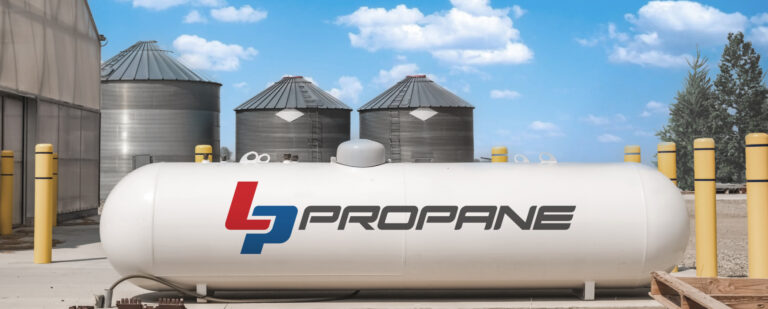
Propane tanks should be set a certain distance between them and houses, property boundaries and ignition points. These distance requirements allow reducing fire hazards and permit adequate ventilation of tanks.

Regulator and Valve Protection

There are regulators and valves to regulate the propane pressure which enters into a home system. These are the elements that are mandated by safety codes to ensure that they are not weathered or damaged physically.

Appropriate Ventilation Requirements

The combination of gases of combustion by the propane appliances must be discharged safely into the outside atmosphere. Proper ventilation eliminates the accumulation of carbon monoxide and maintains quality indoor air.

Certified Propane Appliances

Propane powered appliances should be of approved safety certification standards. These certifications guarantee that equipment has undergone verification of good operation.

Approved Piping Materials

The piping should be done with approved materials that are to be used with gas systems. Leaks are avoided and fuel delivery is guaranteed with the help of proper installation of pipes.

Emergency Shut-Off Access

Propane systems are supposed to have shut-off valves that have easy access. Such valves enable rapid malfunctioning of the homeowner or technicians to halt the flow of gas.

Organizations That Establish Propane Safety Standards

The National Fire Protection Association

It is an organization that develops fire and fuel safety standards that are well known. Its standards assist in the control of the installation and usage of propane systems.

The NFPA 58 Liquefied Petroleum Gas Code

The main safety code that regulates the propane storage, handling and installation is the NFPA 58. It specifies technical standards of propane tanks, piping and equipment.

The Propane Education & Research Council

This is an agency that advocates on safety training of propane. It also has resources to be used by homeowners and professionals.

State and Local Regulations

County propane safety regulations are most commonly derived based on national guidelines and are frequently supplemented by local regulations. These codes have made sure that propane installations satisfy the conditions of safety in particular areas.

Industry Safety Training Programs

Propane installation and service technicians are trained on special safety measures. These programs can be used to make sure that the professionals adhere to good installation habits.

Continuous Safety Improvements

The codes of safety are updated with the advancement in technology and industry practices. Periodical upgrades are useful in sustaining high safety standards within the propane systems.

Routine Inspections and Maintenance

The frequent checkups assist in maintaining the safety of propane systems with time. During regular service visits, tanks, piping, regulators, and appliances are normally examined by professional technicians. Such checks allow identifying the wear or damage before it becomes an issue of concern. Outdoor tanks should also be maintained clean by homeowners and they should not be covered with debris, snow and vegetation to ensure that the ventilation is good and that technicians can access it without any complications.

Everyday Safety Practices for Homeowners

In addition to the official codes of safety, there are a few precautions that the homeowners can observe on a day-to-day basis to facilitate safe usage of propane. Another protection that is offered is installing carbon monoxide detectors in houses that have propane-powered devices. The odor of propane also appears like sulfur or rotten eggs and should be familiarized by the homeowners. When the smell of propane is reported, the people should evacuate the area and call the emergency or a propane professional at a safe place.

Understanding Propane Safety for a Secure Home

The safety codes of Propane are critical towards safety of homes, families and communities. These standards govern the installation and maintenance of propane tanks, piping and appliances to ensure their safe operation. Knowing simple rules of propane safety and cooperating with qualified specialists, the home owners can have the reliable system of energy sources and reduce the risk. A safe propane-powered home is made out of routine checks, installation of adequate equipment and knowledge of daily safety measures. Through such measures, propane remains a stable and effective source of energy in the homes.

BLAZING BLOGS

JOIN THE IGNITE PROGRAM

NEW CUSTOMER? Fill out the New Customer Application to join IGNITE.

Save $0.05 Per Gallon with the IGNITE Program Learn more!

This field is for validation purposes and should be left unchanged.
Name(Required)
Service Address(Required)
AAP Agreement(Required)
You will be contacted by a Customer Service Representative to obtain your credit card information.
MM slash DD slash YYYY

State Fair Giveaway

$500 Worth of Propane

Be one of the first 200 New Customers to sign-up until September 15th to get $500 worth of propane, FREE! You’ll also get 1 year free tank rental when you switch!