Top Propane Safety Practices: Leak Detectors, Ventilation & More

Propane is a widely used fuel that permeates residential homes, commercial businesses, and industries. Its effectiveness and versatility make it the ideal fuel to use for heating, cooking, and powering equipment. That being said, because propane is highly flammable and stored under pressure, adhering to right safety habits is paramount. From leak detector installation to ventilation, all precautionary measures go towards protecting lives and property. In this manual, we are talking about propane safety best practices and breaking them into tips that you can use daily. 

Top Propane Safety Practices: Leak Detectors, Ventilation & More | LP Propane

Leak Detection

Early warning saves lives; propane leak detectors serve as your quiet watchdog, detecting hazards before they become problems. 

The Role of Propane Leak Detectors

Leak detectors are the equivalent of smoke detectors for your propane equipment. They detect leaks early on and warn you before the level of gas is hazardous. Placing detectors in high-usage areas provides round-the-clock safety. Most models available now are smart-enabled, providing real-time notification on your phone to offer you an added peace of mind.

Soap-and-Water Test

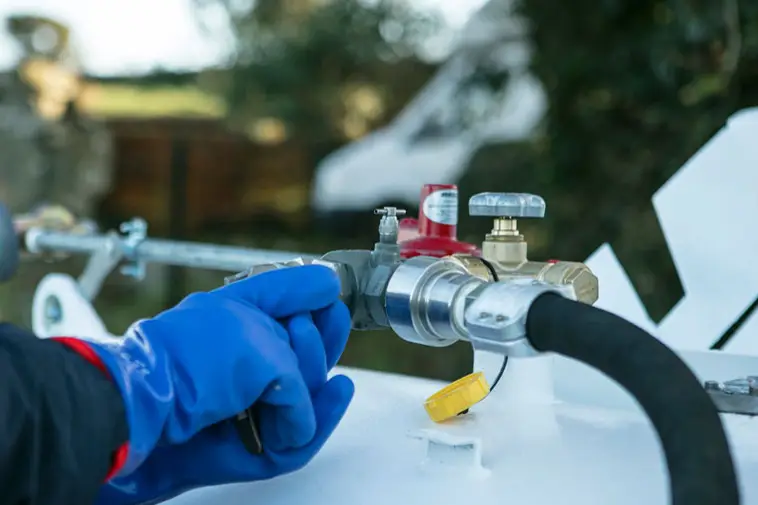
One of the simplest yet most effective DIY methods for checking leaks is the soap-and-water test. Apply a soapy solution to propane connections, if bubbles form, you’ve found a leak. This method should be part of your regular maintenance routine, especially before grilling season or winter heating. It’s affordable, easy, and something every homeowner can do without specialized tools.

Professional Inspection Services

Yearly professional checkups catch subtleties a home test does not. Approved technicians employ the most advanced tools to find small leaks and pressure issues. Visits also check regulators, hoses, and valves for code compliance, providing a measure of assurance your propane system is safe and efficient.

Smelling Propane

Propane is a strong rotten egg smelling gas from an odorous material called ethyl mercaptan. Acclimating to the smell and training family members can get you reacting quickly if there’s a leak. Practice having smell drills on a regular basis so children and guests know what to do when they smell it. Being aware ahead of time can be literally a matter of life and death.

Carbon Monoxide Monitoring

While propane does not itself contain carbon monoxide, igniting it under the wrong conditions will result in the latter. The installation of CO and propane leak detectors provides two-layer protection. The latter are to be installed in proximity to bedrooms, living rooms, and in the vicinity of propane appliances, and batteries are to be inspected occasionally for reliability.

Emergency Leak Response

If you can smell a leak, shut off the propane supply immediately, ventilate, and exclude sparks or flame. Quick response reduces risks until help comes. Display emergency phone numbers, such as your propane dealer and fire department, in visible locations near your tank or in your home.

Smart storage keeps propane safe and sound!

Ventilation

Balanced airflow eliminates dangerous gas accumulation, making your home healthier and safer for all.

Why Ventilation Is Important

Propane is a clean-burn fuel, but in enclosed environments, even a small leak or faulty combustion will build toxic gases. Ventilation keeps indoor air from becoming hazardous. Ventilationless, you can kill yourself with both carbon monoxide poisoning and oxygen starvation, both of which can quietly build but innocently harm.

Kitchen and Cooking Safety

When using propane stoves, provide ventilation with open windows or exhaust fans. This reduces the buildup of combustion products and removes chances of suffocation. Even in modern kitchens with high-end stoves, ventilation removes quiet hazards.

Garage and Workshop Precautions

Some people install propane heaters in workrooms and garages. Always leave the doors open a little bit and never use propane appliances in confined rooms. Installation of a portable CO detector in such a place can be an added preventive measure when working.

Outdoor vs. Indoor Usage

Never burn outdoor propane appliances, like portable heaters or grills, inside. They were not designed with the indoor safety features to avoid carbon monoxide poisoning and have indoor carbon monoxide hazards. Use of an indoor grill for several minutes can cause carbon monoxide to reach deadly levels.

Ventilation Storage Proper

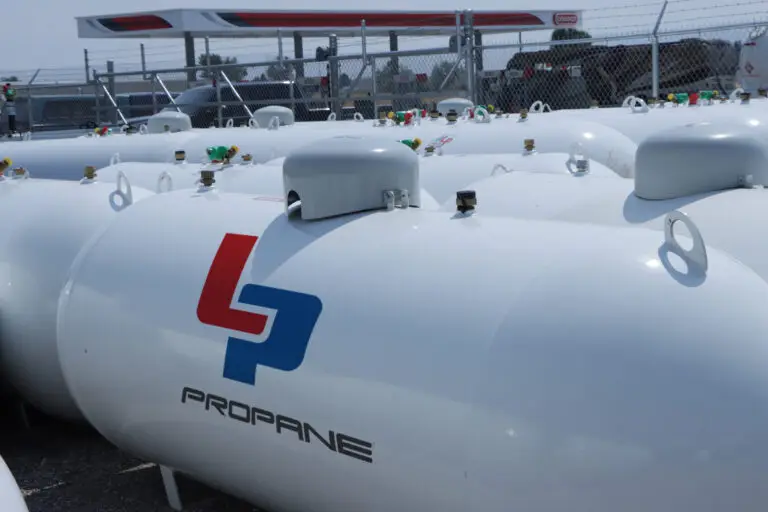
Propane tanks must be stored outside where there is proper ventilation. Tanks stored in garages or basements are more likely to explode when leaks are occurring. Outside stands or cages are ideal means of confining tanks while simultaneously allowing room for air to flow around them.

Vent Maintenance Tips

Check vents and exhaust systems periodically for clogging like dust, trash, or bird roosting. Clearing the path helps in unobstructed escape of the gas. Periodic cleaning every one or two years by professionals can reduce the chance of underlying ventilation problems as well.

Handling & Storage

Cylinder Positioning

Propane cylinders should always be kept upright. Sideways or upside-down storage will leak and collect more easily. Upright storage also keeps the relief valve functional, which is critical in preventing a catastrophe of over-pressurization.

Safe Cylinder Transport

When transporting propane cylinders, tie them down in your car and open windows for ventilation. Never leave cylinders in a hot car. Even warm conditions in vehicles can make the interior very hot and result in cylinders venting gas.

Distance from Ignition Sources

Avoid having propane tanks located near heat sources, electrical appliances, and flames. Leaking vapor will be ignited by a small spark. At least 10 feet away from electrical appliances or flames is the minimum distance recommended, a regulation that every homeowner must abide by.

Tank Refill Safety

For refilling, only rely on trained staff. Overfilling or improper manipulations can lead to venting, pressure failure, or leakage. Trained cylinder refill stations also inspect the condition of the tank and the date of the certificate, reducing the chances of defective cylinders being utilized.

Regular Cylinder Inspection

Inspect your tanks for rust, dents, or bulges. Leaking cylinders should be retired immediately to prevent possible catastrophic failure. Minor corrosion areas should be taken seriously because they have a potential to spread quickly and ruin the tank.

Labeling & Awareness

Identify storage space for propane and ensure that family members or workers are informed about the safety procedure. Awareness reduces panic in case of an emergency. Posting cut-off instructions for propane supplies near valves or tanks makes emergency response faster.

Fire Prevention and Emergency Preparedness

Propane safety is not just leak prevention but preparedness for the unanticipated. Keep fire extinguishers readily accessible, like in and around kitchens, grills, and shops. Educate members of your household or employees about their safe use. Also, create an emergency plan with evacuation routes, emergency telephone numbers, and the shutdown procedures for propane supplies. Practice drills can habituate responses to be automatic when seconds are most critical. Readiness comes from rehearsing with emergency equipment, such as flashlights and battery-powered radios.

Training and Community Awareness

Safety for propane goes beyond one house. Communities, industry, and schools all prosper from public education campaigns encouraging sound practice. Regular safety seminars teach individuals to spot propane hazards, employ detectors, and respond in emergencies. Where regular employee training on handling safely propane-fueled equipment exists in the work environment, serious dangers are significantly reduced. When safety knowledge filters into society, it instills a culture of vigilance and community responsibility.

Safety is Everyone's Business

Propane is safe, efficient, and dependable if handled with respect. By placing highest importance on the practices of leak checking, safe ventilation, safe handling, and being prepared in case of emergencies, you significantly reduce risks. Keep in mind, propane safety isn’t a one-time checklist you go through, it’s a matter of routine. Around the home or in the workplace, every person has a part in making propane a useful companion and not a mysterious danger. Stay busy, stay vigilant, and always keep safety paramount. A little prevention today can avoid serious accidents tomorrow. 

BLAZING BLOGS

Top Propane Safety Practices: Leak Detectors, Ventilation & More | LP Propane

7 Home Upgrades That Work Better With Propane

7 Home Upgrades That Work Better With Propane If homeowners are considering renovating their homes, most focus on design, comfort, or energy efficiency. However, one of the best improvements is to choose a reliable, inexpensive, and effective power source. Propane

Read More »

JOIN THE IGNITE PROGRAM

NEW CUSTOMER? Fill out the New Customer Application to join IGNITE.

Haven’t heard of our IGNITE Program? Learn more!
This field is for validation purposes and should be left unchanged.
Name(Required)
Service Address(Required)
AAP Agreement(Required)
You will be contacted by a Customer Service Representative to obtain your credit card information.
MM slash DD slash YYYY

State Fair Giveaway

$500 Worth of Propane

Be one of the first 200 New Customers to sign-up until September 15th to get $500 worth of propane, FREE! You’ll also get 1 year free tank rental when you switch!