
Can You Install a Fence Around a Propane Tank?
Can You Install a Fence Around a Propane Tank? A propane tank can interrupt the look of a landscaped yard, especially when it sits near a patio or driveway. A fence may seem like an easy way to hide it,
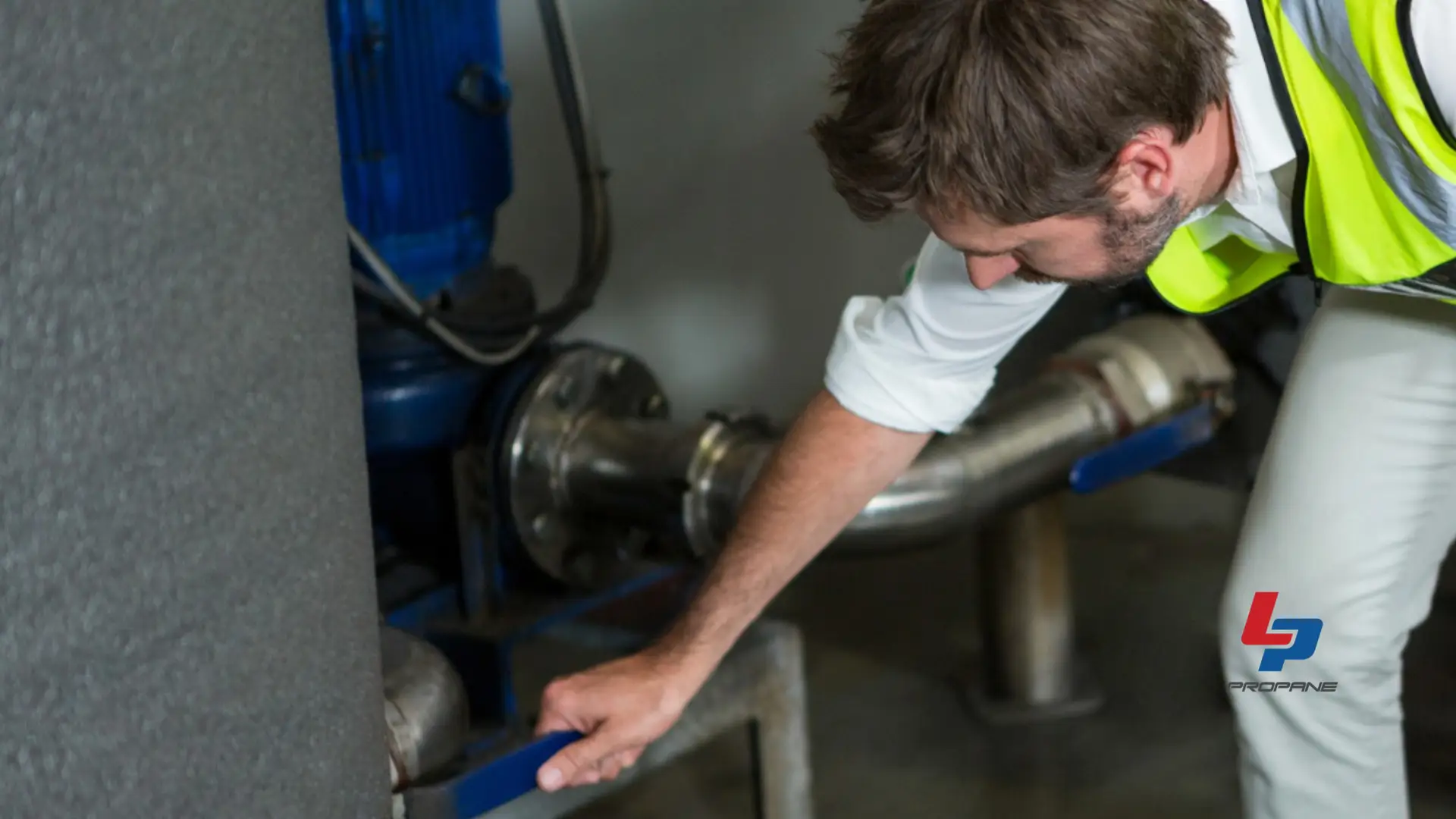
If your home runs on propane, chances are you barely think about it. It’s just there, quietly doing its job, keeping your showers hot, your rooms warm, and your stove ready for dinner. You don’t see it, you don’t hear it, and that’s exactly why it’s so easy to overlook.
But when something goes wrong, you notice it fast. The heater won’t kick in. The gauge reads empty even though you just filled it. Or worse, there’s that faint, unmistakable smell of gas in the air. Most propane issues don’t happen overnight. They start small: a missed inspection, a blocked vent, a refill delayed too long. Tiny mistakes that quietly grow into expensive problems.
Propane is safe, simple, and reliable when treated right. But like anything mechanical, it needs attention. Knowing what to watch for and what to avoid keeps your system safe, efficient, and running like clockwork.
It feels logical to keep your tank close, maybe near the wall or under a bit of shade — but propane needs breathing room. Tanks too close to doors, windows, or vents can trap gas where it shouldn’t be. Leave space around it, and it’ll take care of you safely.
Waiting until the tank’s nearly empty is a rookie mistake. Once the pressure drops too far, your system can stop working or need professional testing before refilling. Refill early — it’s cheaper, safer, and one less thing to worry about when the weather turns cold.
Grass, vines, or even fallen leaves seem harmless until they block vents or hide rust spots. A clear, open area keeps your tank safe and lets you spot trouble early. Think of it like a bit of breathing space for your system.
You might pay a little more upfront compared to market rates. That’s the trade-off. But what you get in return is consistency, no guessing, no panic, no unexpected costs cutting into your budget halfway through winter.
Propane setup isn’t a weekend project. Certified installers follow safety distances, venting rules, and pressure checks for a reason. Doing it yourself may look like a shortcut, but it’s often the start of a long, expensive headache.
Rust doesn’t show up overnight, but once it does, it spreads quietly. Check your tank surface every few weeks. If you see spots of corrosion or dents, get them looked at before they cause real damage.
It’s easy to assume everything’s fine when your system “seems” to work, but inside, things wear down slowly, regulators drift, seals weaken, burners clog. A yearly service is your best insurance against surprises.
A blue flame means a clean burn. Yellow or orange flames mean your appliance isn’t getting enough oxygen. It burns dirtier, wastes propane, and releases carbon buildup. It’s a small sign with big consequences if ignored.
That portable heater or camp stove isn’t meant for enclosed spaces. Without ventilation, propane burns oxygen and releases carbon monoxide, silent, odorless, and deadly. Keep it outside, no matter the weather.
Blocking vents to “trap the heat” feels clever, but propane systems depend on airflow. When vents are covered, heat builds unevenly, systems strain, and your fuel bill climbs.
Every propane home needs detectors near bedrooms and hallways. They’re the first, and often only- warning you’ll get if something’s wrong. Test them regularly, just like smoke alarms.
Propane has that strong, “rotten egg” odor for a reason. It’s your built-in warning system. If you ever smell it, shut off your supply, leave the house, and call your provider. Don’t check it yourself, that’s what professionals are for.
Winter storms and high demand can delay deliveries for days. If your gauge reads 20%, that’s your signal, not your limit. Refill early and relax knowing you’re prepared for whatever the weather throws at you.
Every household has its rhythm. Maybe you use more in winter, less in summer, or spike during holidays. Tracking that pattern helps you budget and spot leaks before they grow.
Cold air thickens propane and lowers tank pressure. If you’re in a colder region, insulate exposed lines and schedule deliveries before deep freezes. A little prep saves a lot of frustration.
Propane furnaces heat quickly, but they burn through fuel just as fast. Combining them with smart thermostats or extra insulation keeps your home warm without draining your tank.
Old regulators, outdated heaters, and poor insulation waste fuel. Upgrading to energy-efficient models or sealing windows can stretch your propane supply by weeks. Efficiency pays for itself.
Your propane supplier isn’t just there to fill tanks. They can help track usage, spot leaks, or recommend upgrades. A good relationship means a faster response when you need it most.
Safety with propane is all about habits. Check the tank. Test the detectors. Keep vents open and the area clear. None of it takes long, but together, it makes all the difference.
Propane’s beauty is in its predictability; it only fails when we forget to notice it. Treat it like a partner, not an afterthought, and it’ll keep doing what it does best: quietly running your home in the background, season after season.
The right supplier doesn’t just deliver fuel; they help you keep life simple. They know your home, your schedule, and when to top off before the first frost. They check fittings, test pressure, and spot wear before it becomes a problem.
A good supplier isn’t there to sell you more propane; they’re there to keep you running smoothly, safely, and without stress. That’s what real service looks like.
Propane is the kind of energy you don’t thank enough. It doesn’t flicker, it doesn’t buzz, it just works, heating your water, powering your appliances, and keeping the chill off the walls when winter hits.
Most of the time, you don’t even think about it, and that’s exactly how it should be. Because a well-maintained propane system doesn’t make noise or demand attention. It just does what it’s meant to do, quietly, faithfully, day after day.
It’s not about perfection; it’s about awareness. The more you understand your system, the safer, cleaner, and more efficient it becomes. That’s the kind of comfort that lasts longer than any tank refill.

Can You Install a Fence Around a Propane Tank? A propane tank can interrupt the look of a landscaped yard, especially when it sits near a patio or driveway. A fence may seem like an easy way to hide it,
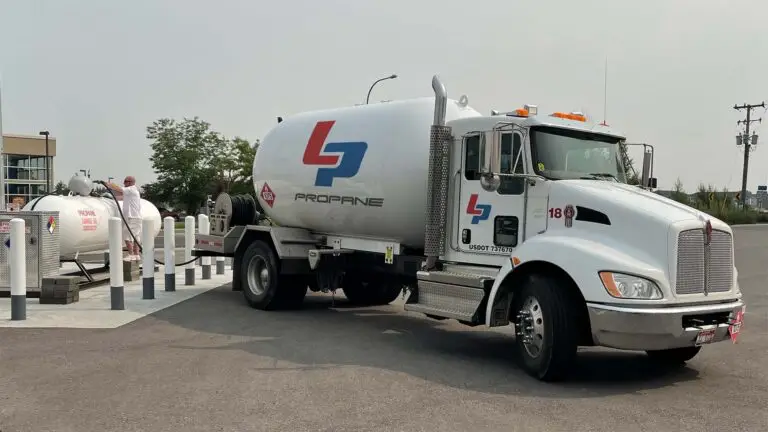
What Should You Know Before Landscaping Around an Underground Propane Tank? An underground propane tank keeps most equipment out of sight, but the ground above it still needs careful planning. A new flower bed, retaining wall, or irrigation trench can

Be one of the first 200 New Customers to sign-up until September 15th to get $500 worth of propane, FREE! You’ll also get 1 year free tank rental when you switch!
NEW CUSTOMER? Fill out the New Customer Application to join IGNITE.
Save $0.05 Per Gallon with the IGNITE Program Learn more!