
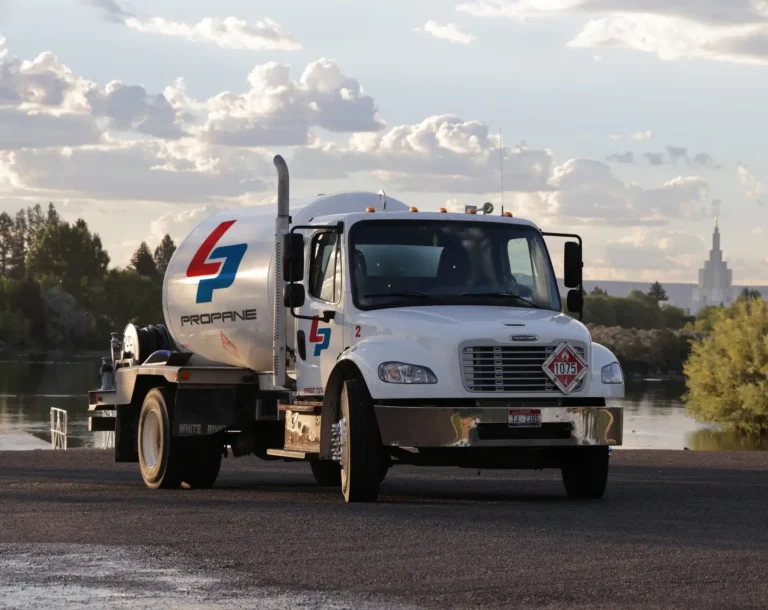
The Environmental Benefits of Switching to Propane Appliances

As climate, air quality, and sustainable energy become everyday conversations, consumers and organizations alike are being forced to think about their impacts related to energy in entirely new ways. Propane presents a reality-based solution, offering clear short-term benefits to the environment by way of cleaner burning, increased efficiency, and reduced demand on the electrical grid.

The Environmental Benefits of Switching to Propane Appliances | LP Propane

Lower Emissions Make Propane a Cleaner Energy Choice

Reduces Carbon Dioxide Emissions

When it is produced, propane emits less CO2 per given energy value than gasoline or diesel or coal-based electricity. By using propane for heating, cooking, or hot water production, the community can reduce its collective emissions of greenhouse gases.

Less particulate matter

Propane is a clean-burning fuel: it creates no soot or fine particulate matters that cause air pollution and respiratory ailments. The benefit of this is the reduction in air pollutants within the atmosphere.

Lowered NOx Emissions

Propane also has lower nitrogen oxide emissions than other fuels; this will lower smog emissions and maintain a cleaner atmosphere. Switching to propane can diminish smog-producing emissions, hence giving way to a healthier atmosphere.

No Sulfur Emissions

Propane does not contain sulfur, and thus, no sulfur dioxide is emitted during combustion. Sulfur dioxide present in the atmosphere is among the prime causes for the occurrence of acid rain that has adverse effects on the soil, rivers, and vegetation.

Cleaner than Grid Electricity in Many Regions

In areas where electricity comes from, or has as part of its mix, coal-fired and oil-fired stations, propane in fact results in lower overall emissions, considering those incorporated during fuel extraction and transportation.

Supports Cleaner Community Air Quality

Using propane appliances can reduce the level of pollution within the local atmosphere, which in places such as rural areas, industrial regions of urban areas, or temperature inversion often becomes a problem.

Power your home with efficiency today while protecting tomorrow.

Energy Efficiency That Reduces Environmental Waste

Higher Energy Content Per Unit

Propane produces more heat per unit than electricity does for most applications; it follows, therefore, that appliances that use propane have more heat with less fuel. That translates into fewer resources consumed for equal comfort and equal performance.

Faster Heating Means Less Energy Use

Propane-powered furnaces and water heaters reach target temperatures in pretty short periods. This is because such appliances function by making use of natural convection currents. They utilize such currents, therefore

Reduced Standby Energy Loss

Propane tankless water heaters begin their heating process only when water is required and, therefore, there is no standby loss.

Efficient Cooking Performance

The control offered by instantaneous heat sources on gas ranges encourages greater efficiency in cooking with reduced energy losses. 

Lower Electrical Grid Dependence

With Propane use, it promotes the redistribution of energy demand away from electricity, reducing stress on electric power plants and infrastructure and their related emissions during peak periods of electricity demand. 

Longer Appliance Lifespan

When these machines are running efficiently, they result in low stress and strain, which leads to an increase in their lifetimes with reduced environmental impacts associated with the production, transportation, and disposal of replacement machines.

Propane Supports a More Sustainable Energy System

Complements Solar and Wind Power

Propane provides reliable energy when solar and wind systems are unavailable due to weather or time of day. This reduces the need for fossil-fuel-based grid backups during renewable energy gaps.

On-Site Energy Storage Reduces Waste

Propane storage helps reduce energy losses associated with long-distance transmission. Moreover, having fuel stored ensures availability when required. 

Fewer Transmission Losses

Electricity loses a portion of its energy as it travels through transmission lines. Propane avoids these losses entirely, delivering energy directly at the point of use.

Reduces Need for Backup Diesel Generators

Propane generators produce cleaner emissions and are quieter compared to those running on diesel fuel. Therefore, this makes them a more environmentally friendly option. 

Scalable for Homes and Businesses

The propane system can be expanded in scale without the need for extensive infrastructure improvements. It therefore supports sustainable growth both in domestic as well as agricultural and commercial sectors. 

Supports Energy Resilience

Propane lessens dependence on an energy grid, and this increases the reliability levels while reducing the emissions created during an outage or high-demand event. 

Cleaner Home Heating With Propane Appliances

Propane heating systems provide consistent, high-output heat even as they generate fewer emissions than oil-based systems and many electric alternatives. Their performance is particularly valuable in bloodless climates, where electric-powered structures often require more electricity. By reducing gas waste and maintaining consistent performance, propane heating supports each customer and environmental responsibility during the winter. Homes benefit from faster warm-up times, fewer temperature fluctuations, and reduced reliance on high-emission grid energy during peak demand periods.

Environmental Benefits of Propane for Hot Water and Cooking

Propane water warmers and home cooking equipment reduce typical energy use by faster heating and precise control. Less electricity is wasted during daily tasks, reducing emissions associated with energy technology. Over time, those performance gains contribute to a smaller family’s carbon footprint without changing lifestyle habits. Tankless propane systems also enhance sustainability by eliminating standby power loss and providing hot water only when it’s needed.

Propane's Role in Reducing Grid Strain and Emissions

When essential household appliances rely on propane rather than electricity, demand for grid electricity decreases. This reduces the need for high-emission peaker energy vegetation that operates throughout demand spikes. By easing grid strain, propane home equipment does not directly assist purifier energy technology across entire regions. This balanced electricity method helps stabilize neighborhood grids while reducing the environmental impact of electricity generation during severe weather and peak use periods.Propane conversion adds immense value to environmental protection while sustaining performance and quality that can be relied upon by customers. Emissions reduction, efficiency, and linkage with renewable energy make propane energy a feasible way of living green, especially in uses of energy like space heating, hot water, cooking, or backup power generation.

BLAZING BLOGS

The Environmental Benefits of Switching to Propane Appliances | LP Propane

JOIN THE IGNITE PROGRAM

NEW CUSTOMER? Fill out the New Customer Application to join IGNITE.

Save $0.05 Per Gallon with the IGNITE Program Learn more!

This field is for validation purposes and should be left unchanged.
Name(Required)
Service Address(Required)
AAP Agreement(Required)
You will be contacted by a Customer Service Representative to obtain your credit card information.
MM slash DD slash YYYY

State Fair Giveaway

$500 Worth of Propane

Be one of the first 200 New Customers to sign-up until September 15th to get $500 worth of propane, FREE! You’ll also get 1 year free tank rental when you switch!