Signs That Your Propane Tank Needs Maintenance

A propane tank is an important part of many residential heating, cooking, and energy systems across the United States. Although propane tanks are built for long-term outdoor use, they still require regular care to remain safe and reliable. Small issues like rust, unusual smells, damaged valves, or reduced appliance performance can indicate that maintenance is needed. Ignoring these warning signs may lead to expensive repairs, fuel problems, or safety concerns. Regular inspections and timely repairs help homeowners extend tank life, improve efficiency, and keep their propane system working properly. Understanding the signs of propane tank problems allows you to identify issues early and take the right action before they become serious.

Signs That Your Propane Tank Needs Maintenance | LP Propane

What Are the Common Signs of Propane Tank Problems?

Strong Propane Smell

A strong propane odor near your tank is one of the most important warning signs. Propane suppliers add an odorant called ethyl mercaptan, which creates a rotten egg smell to help detect leaks. If you notice this smell, avoid flames, smoking, and electrical switches. Move away from the area and contact a propane professional for inspection.

Visible Rust Spots

Rust is a common problem for outdoor propane tanks because they are exposed to rain, snow, humidity, and temperature changes. Small surface rust may seem harmless, but spreading corrosion can weaken the tank. Regular checks help identify whether rust needs simple treatment or professional attention.

Tank Surface Damage

Dents, cracks, and physical damage can affect the safety of a propane tank. Damage may occur from storms, falling objects, vehicles, or accidental impacts. A damaged tank should be inspected because pressure-related fuel systems require strong structural support.

Low Appliance Performance

If your propane furnace, water heater, fireplace, or stove is not working properly, the tank system may have an issue. Weak flames, slow heating, or frequent shutdowns can indicate fuel supply problems. A professional inspection can determine whether the problem comes from the tank, regulator, or fuel lines.

Faulty Tank Valve

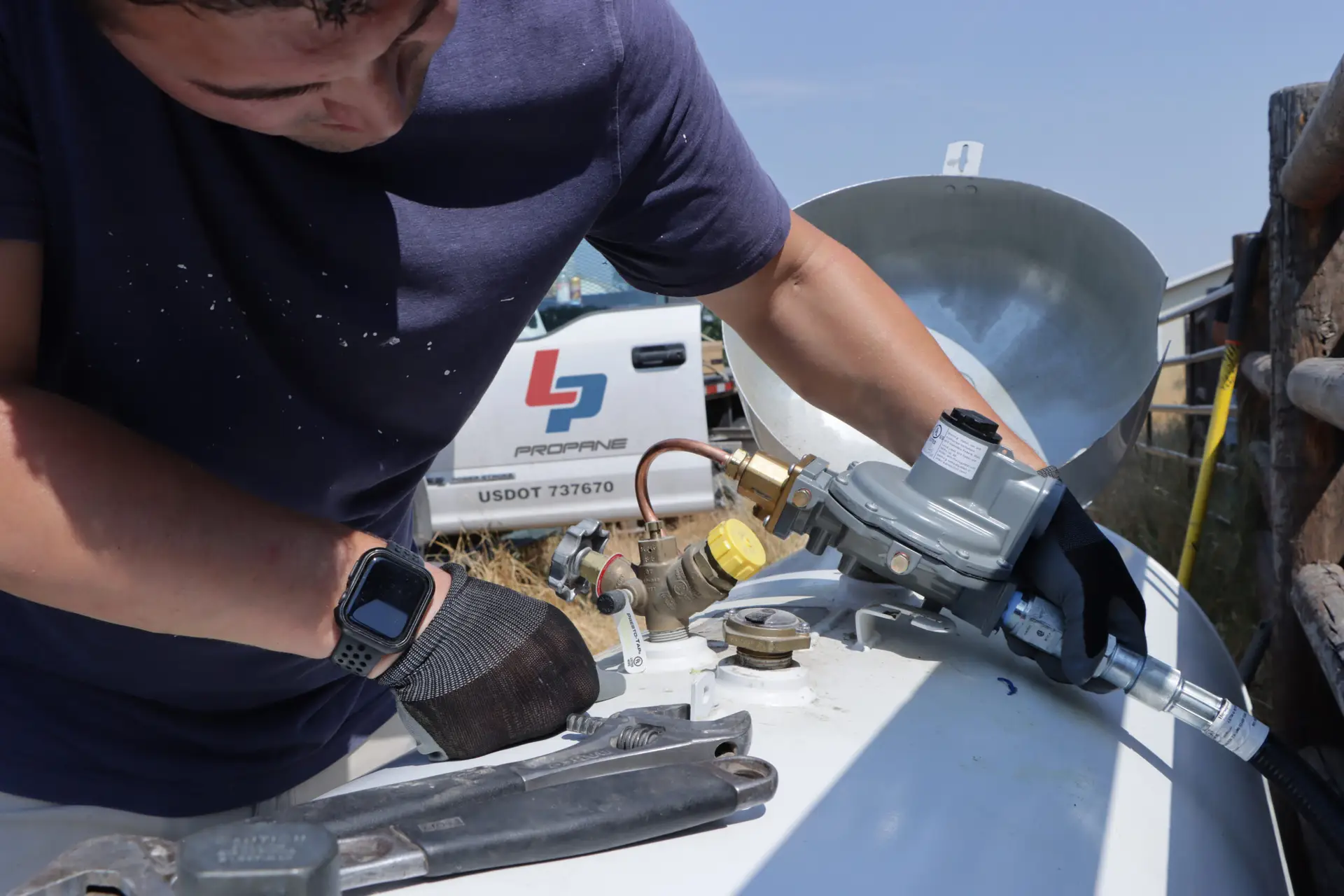
The propane tank valve controls fuel movement from the tank to your appliances. A damaged or leaking valve can affect the entire propane system. Valve problems should not be repaired without proper training because propane systems operate under pressure.

Expired Inspection Date

Propane tanks require inspections based on their design, location, and local safety rules. Some tanks need periodic certification or requalification. Keeping inspection records helps homeowners know when professional maintenance is due.

Your tank often reveals problems before failures happen

Why Does Propane Tank Maintenance Matter?

Prevents Fuel Leaks

Propane leaks can happen because of damaged fittings, loose connections, worn valves, or corrosion. Regular inspections help identify these weak points before fuel escapes. Professional maintenance checks the tank, connections, and related components for possible problems.

Reduces Corrosion Risk

Outdoor exposure can slowly damage the protective coating on propane tanks. Moisture and weather conditions may cause corrosion over time. Maintenance helps identify rust early and prevents damage from spreading across the tank surface.

Maintains Proper Pressure

Propane appliances need the correct fuel pressure to operate safely. The regulator controls pressure levels between the tank and household appliances. Pressure problems can reduce performance and create unsafe operating conditions.

Improves Energy Efficiency

A properly maintained propane system delivers fuel more effectively to appliances. This allows furnaces, fireplaces, and water heaters to operate at their intended performance levels. Regular care can also help prevent unnecessary fuel waste.

Extends Tank Life

A propane tank is a long-term investment that can last for many years with proper care. Maintenance helps protect the tank from avoidable damage. Addressing small problems early may prevent premature replacement.

Supports Safe Operation

Propane safety depends on the condition of the complete system, including the tank, valves, regulators, and fuel connections. Routine maintenance helps keep each component working correctly.

How Should You Maintain a Propane Tank?

Check For Damage

Homeowners should regularly look for rust, dents, missing parts, and unusual changes around the propane tank. A quick visual inspection every few months can help identify problems early.

Keep Area Clear

The space around a propane tank should remain open and accessible. Grass, leaves, stored items, and debris can make inspections difficult. A clear area also allows technicians to safely access the equipment.

Schedule Inspections

Professional inspections allow trained technicians to examine parts that homeowners cannot safely test. Many homeowners schedule annual inspections, especially before heavy winter use.

Monitor Appliance Changes

Changes in appliance performance can indicate propane system problems. Pay attention to weak flames, unusual noises, or repeated shutdowns. Reporting these changes early can prevent larger issues.

Protect Tank Exterior

Avoid placing objects against the propane tank or causing accidental impacts. Protecting the exterior helps maintain the tank’s condition. Proper placement also reduces unnecessary wear.

Record Maintenance Work

Keeping records of inspections, repairs, and replacements helps track your propane system history. These records make future maintenance easier and provide useful information for service professionals.

What Should You Do When Your Propane Tank Needs Repair?

When you notice warning signs, take action quickly instead of waiting for the problem to become worse. A professional evaluation helps determine whether the tank requires repair, maintenance, or replacement. If you suspect a propane leak, avoid using flames or electrical equipment near the area. Leave the location safely and contact a qualified propane technician for assistance. Do not attempt to repair valves, regulators, or tank damage yourself because propane systems require specialized knowledge and safety procedures. Professional service helps maintain proper operation and reduces risks.

How Can You Know When to Replace a Propane Tank?

A propane tank may need replacement when it has severe corrosion, major structural damage, repeated leaks, or cannot safely hold pressure. Professional technicians evaluate the tank condition before recommending replacement. Replacing an unsafe tank may prevent future failures and provide better reliability. Homeowners should follow inspection schedules and address serious problems as soon as they appear.

Keep Your Propane Tank Safe With Regular Maintenance

Recognizing the signs that your propane tank needs maintenance helps protect your home, appliances, and fuel system. Problems such as propane odors, rust, damaged components, and poor appliance performance should never be ignored. Regular inspections, proper care, and professional servicing help extend tank life and improve safety. By paying attention to warning signs and maintaining your propane system throughout the year, you can avoid unexpected problems and keep your home powered reliably.

BLAZING BLOGS

Signs That Your Propane Tank Needs Maintenance | LP Propane

Smart Ways To Boost Propane Fuel Efficiency

Smart Ways To Boost Propane Fuel Efficiency Propane is a popular energy source for American homes because it provides reliable heating, cooking, and hot water solutions. However, many homeowners use more propane than necessary because of inefficient equipment, poor insulation,

Read More »

State Fair Giveaway

$500 Worth of Propane

Be one of the first 200 New Customers to sign-up until September 15th to get $500 worth of propane, FREE! You’ll also get 1 year free tank rental when you switch!

JOIN THE IGNITE PROGRAM

NEW CUSTOMER? Fill out the New Customer Application to join IGNITE.

Save $0.05 Per Gallon with the IGNITE Program Learn more!

This field is for validation purposes and should be left unchanged.
Name(Required)
Service Address(Required)
AAP Agreement(Required)
You will be contacted by a Customer Service Representative to obtain your credit card information.
Terms of Service(Required)

LP Propane Ignite Program – Terms and Conditions

1. Eligibility and Program Requirements
To qualify for and maintain enrollment in the LP Propane Ignite Program and receive the $0.05 per gallon fuel discount, the Customer must simultaneously enroll in and maintain active status in the following three core services:

Auto Fill Delivery: The Customer authorizes LP Propane to automatically monitor, schedule, and deliver propane to the designated tank when levels dictate, bypassing the standard Will Call scheduling requirements.

Auto Pay: The Customer must maintain a valid, authorized payment method on file (Credit Card, Debit Card, or ACH/Direct Draft). Invoices will be automatically drafted within 7 days after the delivery.

Paperless Billing: The Customer agrees to receive all invoices, statements, and program communications via email. Opting out of online billing or requesting paper statements will result in a $4.95 monthly fee and disqualification from the program.

2. Fuel Discount Terms

The $0.05 per gallon discount applies exclusively to the standard market rate of propane at the exact time of delivery.

The discount is applied automatically on invoice.

This discount cannot be combined with specific commercial contract pricing or volume discounts unless expressly authorized in writing by LP Propane.

3. Tank Monitoring and Delivery Access

LP Propane may utilize physical tank monitors or advanced usage-tracking algorithms to schedule deliveries.

Access Requirements: The Customer must ensure the propane tank is always completely accessible to delivery personnel and vehicles. The pathway must be free of obstacles, locked gates, debris, or unrestrained animals within a 100-foot radius.

Seasonal Maintenance: During winter months, the Customer is legally responsible for clearing snow, ice, and paths leading to the tank. If a delivery vehicle cannot safely access the tank, the delivery will be delayed, and any emergency filling fees incurred due to subsequent low fuel levels will be billed to the Customer.

4. Credit Status and Payment Failures

If an Auto Pay transaction is declined or fails for any reason (e.g., expired card, insufficient funds), the Customer must update their account billing details immediately. If the transaction remains unprocessed for 30 days despite attempts by LP Propane to contact the Customer, the account will be automatically unenrolled from the program.

If an account balance becomes past due, LP Propane reserves the right to suspend Auto Fill privileges, pause the $0.05 per gallon discount, and transition the account to a "Will Call / Cash on Delivery" basis until the account is brought current and after review and approval of LP Propane’s credit department.

5. Program Termination or Changes

Customer Termination: Removing any of the mandatory components (Auto Fill, Auto Pay, or Paperless Billing) constitutes voluntary termination from the program. If you would like to opt out of the Ignite program you must submit 30 day written notice

Company Modifications: LP Propane reserves the right to alter, modify, or terminate the Ignite Program framework, including discount amounts or underlying eligibility terms.

MM slash DD slash YYYY