Rural Homes: Why Propane Beats Natural Gas Access

Access to energy is amongst the greatest infrastructure choices to many rural homeowners. In rural areas, because of the lack of natural gas pipelines provided by a municipality, unlike in urban areas, rural properties do not necessarily have access to utility lines. It may be costly, take time or even not available to extend the natural gas lines to remote regions. This also means that the rural homeowner is forced to have other heating and energy options. Propane is an established reliable source of fuel in suburban homes. It has a good heating performance, energy independence, and it can be installed flexibly. To determine why propane frequently outcompetes natural gas supply to rural households, one must look at the cost of the infrastructure, reliability, performance as well as long-term viability.

Rural Homes: Why Propane Beats Natural Gas Access | LP Propane

Infrastructure and Accessibility Advantages of Propane

No Pipeline Dependency

Natural gas needs underground pipelines that are attached to a municipal distribution system. This infrastructure does not exist in many rural areas. Propane on the other hand is kept locally in tanks eliminating the reliance on the outside pipeline systems.

Lower Infrastructure Expansion Costs

It can be expensive to run natural gas lines to far-flung homes in the tune of thousands of dollars per mile. Installation of propane tanks is usually much cheaper and does not involve massive constructions.

Faster Installation Timeline

Services of natural gas could include utility approval, trenching and extension of lines. Propane systems can be installed in a quarter of a minute.

Flexible Tank Placement

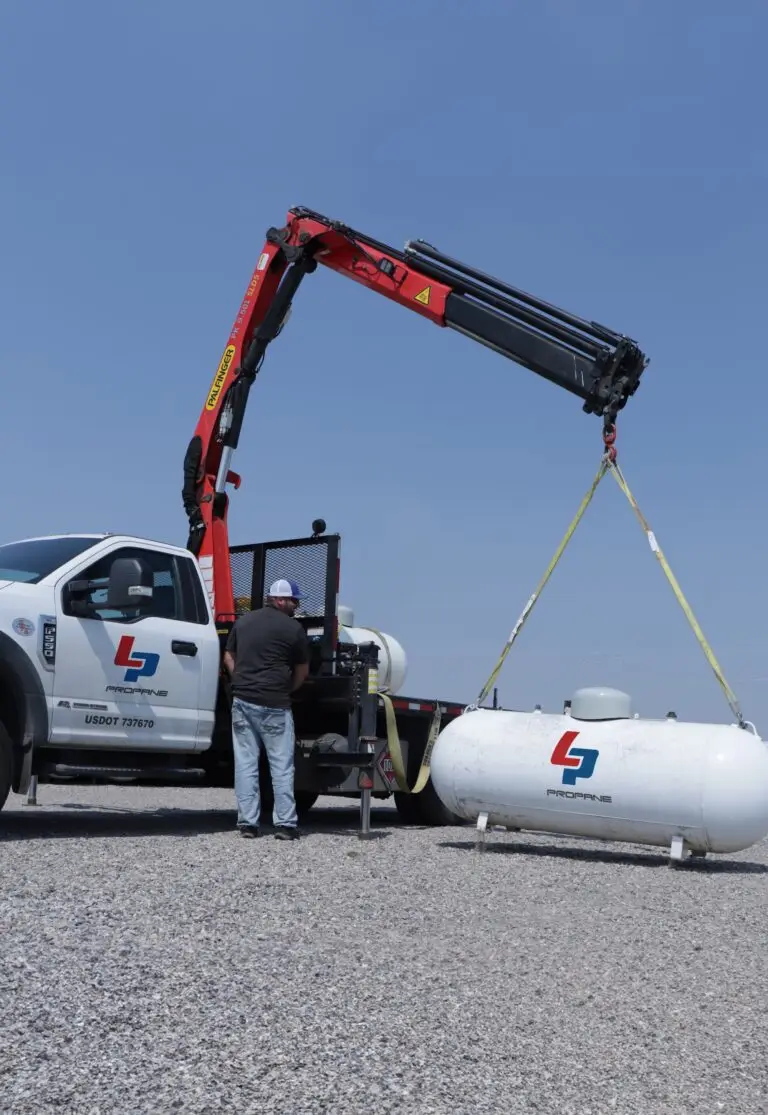
Propane tanks may be placed on the ground or underneath the ground according to the arrangement of the property and beauty. This is a flexible aspect that fits varied rural sceneries.

Adaptable to Off-Grid Properties

A lot of rural households work either off-grid or partially off-grid. Propane facilitates this independence as it also supplies heating, cooking and hot water without the utilization of the utilities.

Scalable Capacity

Propane tank sizes may be changed according to the size of the home, and the load of the appliances. This capacity ensures that sufficient storage of fuel is made in case of peak winter demand.

Rural comfort starts with reliable propane!

Performance and Reliability in Rural Climates

Higher BTU Output

Propane provides high heat production, which is suitable in big rural houses where heating is a high requirement. Maximum BTU performance assists quicker temperature recovery.

Reliable Heating During Cold Winters

Propane furnaces are used to maintain the heat in very cold climates. The stability of the pressure in the pipeline can determine the performance of natural gas and might vary during the peak hours.

Onsite Fuel Storage

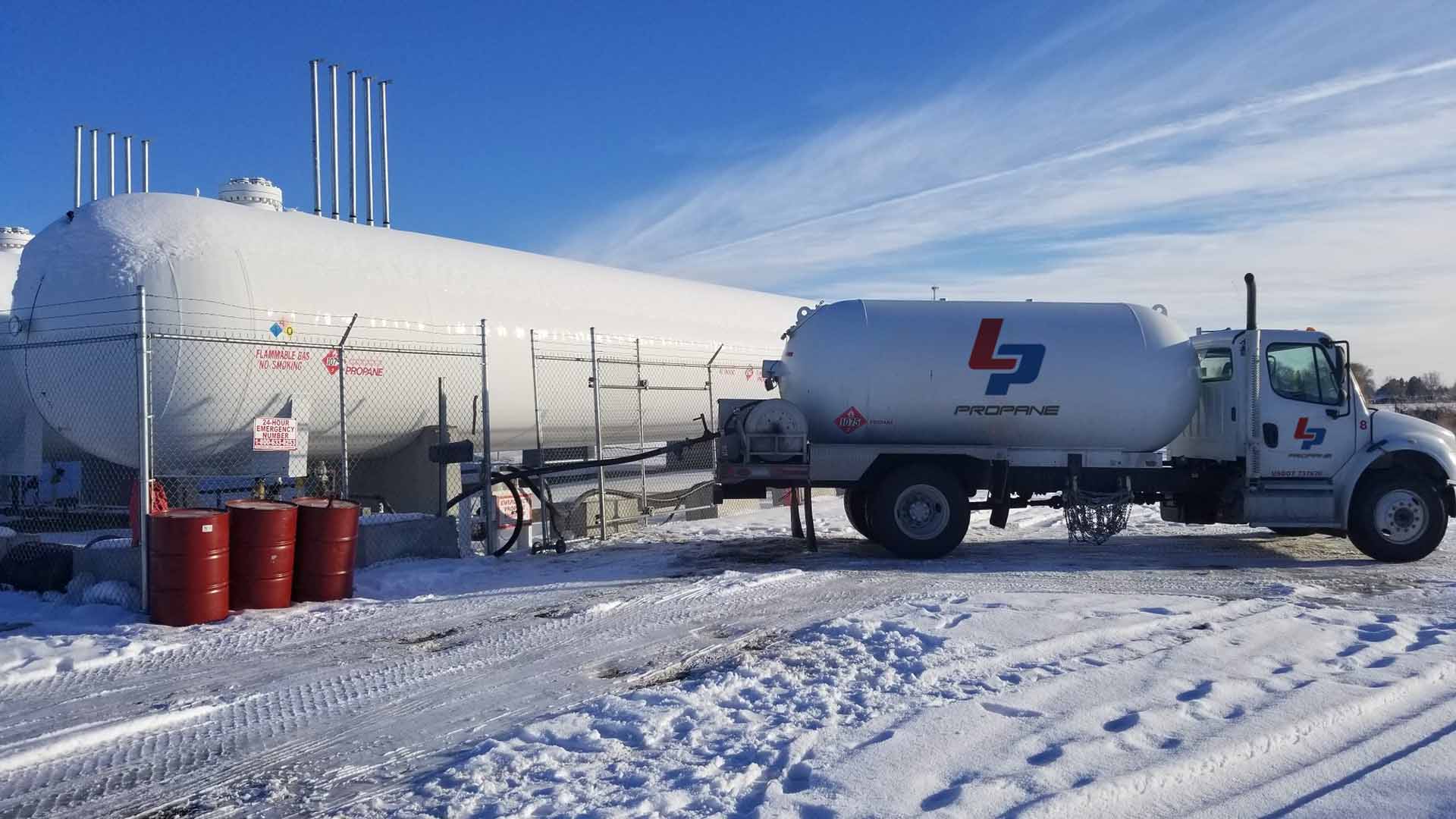
Households have a direct supply of fuel since propane is stored onsite. This minimizes the exposure to local distribution disruptions.

Generator Compatibility

Standby generators can easily run on propane, which supplies backup power when there is an outage, which is prevalent with rural areas.

Reduced Grid Dependence

Centralized infrastructure is used in natural gas utilities. Propane systems provide a higher amount of local control in fuel storage and delivery.

Performance at High Elevations

Propane works well in higher altitudes where rural houses are commonly situated.

Cost Considerations for Rural Homeowners

Utility Extension Fees

The extension of natural gas to the rural environment might involve high connection charges to the homeowners.

Equipment Installation Costs

Propane system installation is usually covered with the position of tanks, regulators and gas lines. These expenses can be predicted and controlled quite easily.

Fuel Pricing Flexibility

The options of the suppliers of propane could vary based on the ownership of tanks. The local utility companies control the price of natural gas.

Avoiding Long-Term Utility Contracts

Propane also enables a supplier to make the supplier arrangements more flexible as opposed to some municipal utility agreements.

Maintenance Responsibility

Utility gas companies keep the pipes in order, whereas propane systems have to be inspected regularly. Nevertheless, the cost of service on propane is often small.

Long-Term Value in Remote Areas

In the case of houses that are distant to municipal infrastructure, there is a stability in costs of propane even without the need to expand utilities in the future.

Energy Independence for Rural Living

One of the priorities of the rural homeowners is energy independence. Propane helps customers to be self-sufficient through onsite storage as well as delivery schedules. Propane systems give homeowners the control to take a proactive approach in supply management as compared to centralized utilities. Onsite tank systems also mean that homeowners do not have to depend on the far-off pipeline systems or susceptible grid systems. The delivery schedules can be modified seasonally to meet demand so that there will be no surprise shortages. Such control brings some comfort especially in extreme winters or extreme weather typically experienced in the rural areas. Agricultural activities, factories, and outhouses are also a common aspect of rural life. The heating systems of several buildings can be operated using a single source of fuel (propane), which is beneficial to meet the demands of various properties. Propane systems may be easily extended over extensive property, out of livestock barns to detached garages. This gives rural families the capacity to have a constant supply of energy without the need to extend utility lines in the municipalities.

Environmental Considerations in Rural Settings

Propane is cleanly burnt as opposed to the various traditional fossil fuels. It generates fewer carbon emissions compared to heating oil and promotes effective combustion in the contemporary appliances. Propane is a viable combination of performance and environmental stewardship to rural homeowners who have sought to have a balanced solution to their energy needs. Propane is a low-carbon fuel, and therefore, it has fewer greenhouse gas emissions compared to some of the conventional heating choices. The new propane appliances are also highly efficient to use, and the consumption of fuel is minimized. To the green rural homeowners, peak heating power but with cleaner burning propane is a good substitute.

Planning for Long-Term Rural Energy Needs

Farm estates tend to change with time. Energy may be demanded by home additions, workshops, barns and guest houses. Propane systems are expandable to meet the growth without the need of the pipeline expansion. Capacity planning of tanks is proper to guarantee flexibility in the future. A slightly larger tank can be installed in early stages of set-up to avoid upgrades that can be very expensive. As properties are enlarged, more appliances that use propane could be incorporated without any difficulties. By doing long-term planning, energy infrastructure is kept up to date with the development of rural properties and change of lifestyles.

Reliability, accessibility, and independence of energy is important to rural homeowners. Though natural gas is still a popular utility in urban regions, the construction of infrastructure to remote property is often expensive and not feasible. Propane offers on-site storage, adaptable installation, excellent heating capabilities, and expandable capacity hence, it is highly convenient in rural environments. In terms of infrastructure cost, reliability in climate, as well as long-term flexibility, propane often comes out as a more viable solution to rural homes. The option of propane helps achieve energy autonomy, constant comfort, and reliable functioning with no need to depend on the expansion of municipal piping.

BLAZING BLOGS

JOIN THE IGNITE PROGRAM

NEW CUSTOMER? Fill out the New Customer Application to join IGNITE.

Save $0.05 Per Gallon with the IGNITE Program Learn more!

This field is for validation purposes and should be left unchanged.
Name(Required)
Service Address(Required)
AAP Agreement(Required)
You will be contacted by a Customer Service Representative to obtain your credit card information.
MM slash DD slash YYYY

State Fair Giveaway

$500 Worth of Propane

Be one of the first 200 New Customers to sign-up until September 15th to get $500 worth of propane, FREE! You’ll also get 1 year free tank rental when you switch!